
Main Courses
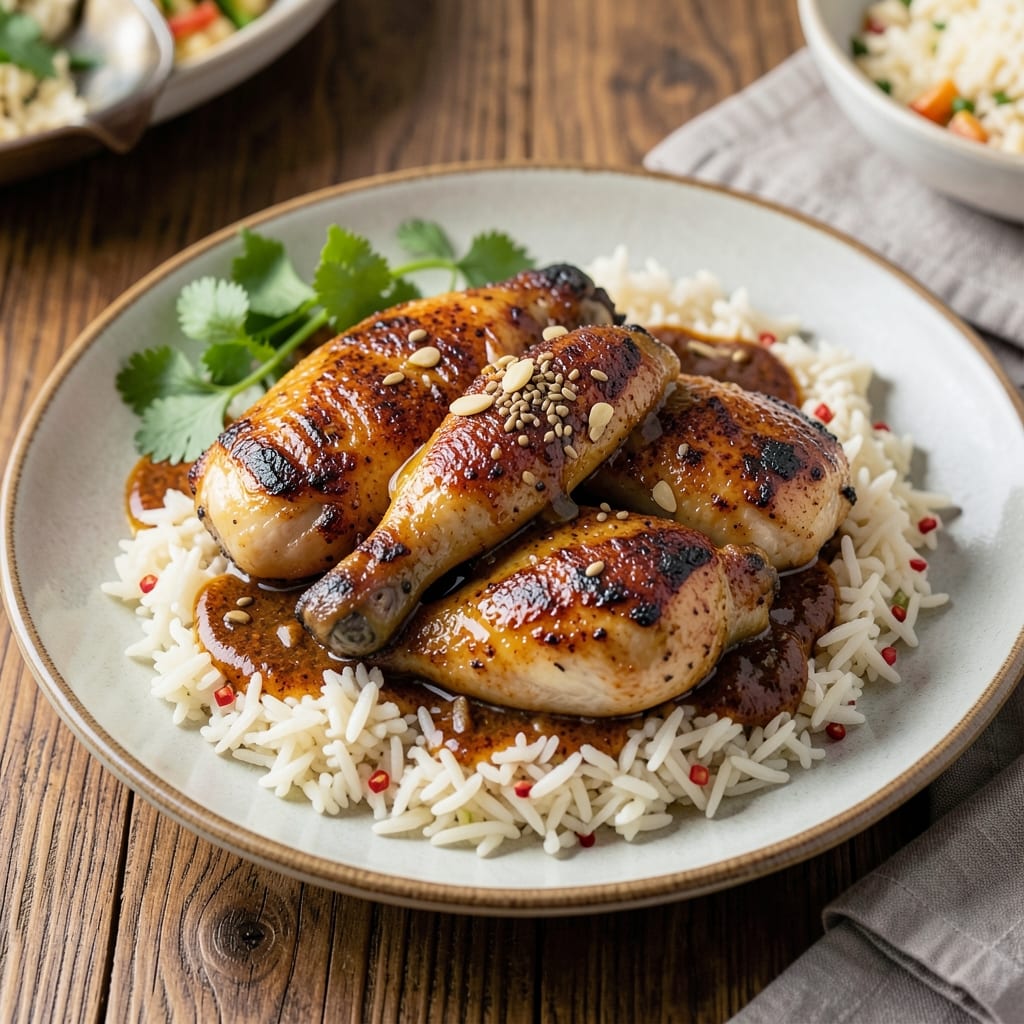
This 5-star chicken and rice recipe transforms a simple weeknight dinner into a restaurant-worthy masterpiece—juicy, aromatic, and packed with layers of flavor. After perfecting it for high-end dinners at The Smoky Pig, I’ve simplified the technique to deliver that same slow-cooked spice harmony at home, where tender chicken and perfectly seasoned rice come together in every bite. The key? A carefully balanced blend of spices that infuse the chicken while keeping the rice light and fragrant, with a finish that feels both elegant and approachable.
The secret lies in the method: chicken roasted to golden perfection with a dry rub that develops deep, caramelized crusts, while the rice simmers in a fragrant broth infused with the same spices. This isn’t just another chicken and rice—it’s a foolproof dish that shines for weeknight dinners or special occasions, where the flavors build in harmony rather than compete. No fancy equipment required, just patience and attention to technique that ensures every component delivers.
What you’ll end up with is a plate that looks as impressive as it tastes: tender, fall-apart chicken resting atop fluffy, aromatic rice, all bathed in a light glaze of the cooking juices. The spices—warm cumin, earthy paprika, and a touch of cayenne—create a complex, balanced profile that lingers without overpowering. This is the kind of dish that earns second helpings and compliments from even the most discerning guests.
Best served fresh but equally satisfying the next day, this recipe scales effortlessly for crowds while maintaining its restaurant-quality results. Whether you’re feeding a family or hosting dinner guests, the technique remains the same—just adjust the quantities. Let’s get cooking.
Ingredients for 5 star chicken and rice
These carefully selected ingredients deliver restaurant-quality spice harmony in every bite.
| Ingredient | Amount | Notes |
|---|---|---|
| Boneless, Skinless Chicken Thighs 🍗 | 1 ½ lb | Trimmed of excess fat for cleaner flavor |
| Long-Grain White Rice 🍚 | 1 cup | Uncooked, jasmine or basmati preferred |
| Ground Cumin 🌿 | 1 tbsp | Toasted for deeper aroma |
| Smoked Paprika 🌶️ | 1 tbsp | For authentic smoky depth |
| Cayenne Pepper 🔥 | ½ tsp | Adjust for heat preference |
| Garlic Cloves 🧄 | 4 cloves | Minced for even distribution |
| Yellow Onion 🧅 | 1 whole | Diced, medium-sized |
| Chicken Broth 💧 | 2 cups | Low-sodium preferred |
| Extra-Virgin Olive Oil 🫒 | 2 tbsp | For roasting chicken |
| Fresh Thyme Leaves 🌿 | ¼ cup | Chopped, stems removed |
| Fresh Rosemary 🌿 | ½ tsp | Finely chopped, needle-like |
| Diamond Crystal Kosher Salt 🧂 | 1 ½ tsp | For seasoning and balance |
| Black Peppercorns 🌶️ | ½ tsp | Freshly cracked |
| Lemon Zest 🍋 | 1 tsp | Brightens final flavor |
| Fresh Lemon Juice 🍋 | 1 tbsp | For acidity balance |
The chicken thighs are non-negotiable here—dark meat stays juicier during the long roasting process, while the skin renders into crispy, flavorful bits. Whole Muscle chicken thighs from Whole Foods or local butchers yield the best texture, but store-bought bone-in thighs work if you trim the excess fat. The spices form the foundation: toasted cumin and smoked paprika create that signature depth, while cayenne adds controlled heat without overpowering. For the garlic and onion, freshly minced makes all the difference—pre-minced blends lose their punch. The chicken broth should be rich but not overly salty; Pacific Foods or Kirkland Signature are reliable brands for restaurant-quality results.
No smoked paprika? Substitute half the amount with regular paprika plus a pinch of liquid smoke—though nothing beats the real thing. Fresh thyme and rosemary can be swapped for dried at one-third the quantity, but the aroma won’t be as vibrant. The olive oil should be extra-virgin for roasting; cheaper varieties won’t develop the same caramelized crust. For the rice, jasmine or basmati stays separate during cooking for that signature fluffiness, but long-grain white works in a pinch. The lemon zest is worth the effort—it brightens the dish without overpowering the spices, and zesting your own lemon ensures maximum flavor.
Store the roasted chicken and rice separately in airtight containers for up to 4 days in the fridge, though the flavors actually deepen overnight. The spices lose potency after 6 months if stored in a cool, dark place—glass jars with tight seals preserve them best. For meal prep, portion the rice and chicken separately to maintain texture. The broth can be made ahead and refrigerated for 5 days or frozen for 3 months. When reheating, cover with a damp paper towel to prevent drying—this dish tastes even better the second time around.
Why You'll Love This Recipe
- One-Pan Magic: I swear by this recipe because it’s literally one pan, one pot, and done. Toss the chicken thighs in the spice mix—cumin, smoked paprika, cayenne—then let them sear while the rice simmers below. No chopping, no fuss, just hands-off cooking that still feels like a restaurant dish.
- Deep Flavor Boom: That combo of ground cumin and smoked paprika? It’s ridiculously good—earthy, slightly smoky, with just enough heat to linger. The chicken thighs stay juicy and tender, soaking up all the flavor while the rice absorbs the broth into something dangerously addictive.
- Meal Prep MVP: This is my go-to for lunches all week. Double the batch, store the leftovers, and reheat with a splash of water—fluffy rice, tender chicken, and those spices still pack a punch. Honestly, it’s the kind of dish that tastes better the next day, which is basically a superpower.
- Budget-Friendly Feast: Chicken thighs are cheaper than breasts, and long-grain rice stretches further than you’d think. A single batch feeds four for under $10, and the spices? A handful of dollars for a jar that lasts months. Between us, it’s the kind of meal that makes grocery day feel like a win.
Step-by-step instructions for slow-cooked spice harmony chicken and rice
Master this technique and you'll achieve restaurant-quality depth with tender chicken and perfectly balanced rice.
Sear the Chicken for Maximum Flavor
Heat a large Dutch oven over medium-high heat and add 2 tablespoons extra-virgin olive oil. Once the oil shimmers, carefully add the 1.5 lb boneless, skinless chicken thighs, working in batches if needed to avoid crowding. Sear for 4-5 minutes per side until the chicken develops a deep golden-brown crust and releases easily from the pan.
This crucial step creates the Maillard reaction that builds complex flavors. I press down gently on the chicken during the first minute to prevent curling, ensuring even contact with the hot pan. Remove the seared chicken and set it aside on a plate.
Build the Spice Base with Aromatics
In the same Dutch oven, add 1 whole yellow onion and 4 cloves garlic cloves that have been minced. Cook for 3-4 minutes until the onions soften and the garlic becomes fragrant but doesn't brown. Add 1 tablespoon ground cumin, 1 tablespoon smoked paprika, and 0.5 teaspoon cayenne pepper, stirring constantly for 30 seconds to toast the spices and release their essential oils.
The spices should smell warm and earthy with a hint of smokiness. This aromatic foundation is what transforms ordinary chicken and rice into something extraordinary. Don't rush this step—properly toasted spices make all the difference in flavor development.
Layer the Ingredients for Even Cooking
Return the seared chicken to the Dutch oven. Add 1 cup long-grain white rice, spreading it evenly around the chicken. Pour in 2 cups chicken broth, ensuring the rice is fully submerged. Stir gently to combine, then sprinkle with 0.25 cup fresh thyme leaves, 0.5 teaspoon fresh rosemary, 1.5 teaspoons diamond crystal kosher salt, and 0.5 teaspoon black peppercorns.
Here's the thing—adding the rice directly to the pot with the chicken and broth creates a self-contained cooking environment. The chicken will cook in its own juices while the rice absorbs the rich flavors. The herbs should be distributed evenly to infuse flavor throughout the dish.
Simmer to Perfect Tenderization
Bring the mixture to a gentle boil, then immediately reduce heat to low, cover tightly with a lid, and simmer for 25-30 minutes. You'll notice the rice begins to absorb the liquid and the chicken becomes fork-tender. After 20 minutes, stir gently once to prevent sticking and ensure even cooking.
This low-and-slow approach is critical for achieving tender chicken and perfectly cooked rice. The lid creates steam that cooks the rice gently while the chicken continues to break down. You'll know it's ready when the rice is tender and the chicken flakes easily with a fork—no need for a thermometer here.
Finish with Bright Citrus and Rest
Remove the Dutch oven from heat and stir in 1 teaspoon lemon zest and 1 tablespoon fresh lemon juice. Cover and let the dish rest for 10 minutes—this allows the flavors to meld completely and the rice to finish absorbing any remaining liquid. The lemon adds a bright contrast to the rich, spiced chicken and rice.
Real talk: this resting period is where the magic happens. The acidity from the lemon brightens the dish while the flavors integrate. Serve immediately with the juices spooned over the top—this ensures every bite delivers that perfect balance of tender chicken, aromatic rice, and vibrant citrus finish.
Pro Tips For Making 5 Star Chicken And Rice
- Sear the Chicken First: I learned this the hard way—when you skip searing the boneless thighs, the spices just sit on top instead of sticking. Hit a dry skillet over medium-high heat, add 2 tablespoons of oil, and cook the chicken until the edges turn golden brown (about 4-5 minutes per side). That crust locks in flavor and keeps the meat juicy.
- Toast the Spices Together: Sounds weird, but it works: dry-toast the cumin, smoked paprika, and cayenne in the same skillet you seared the chicken for 30 seconds until fragrant. The heat wakes up their flavors and prevents that bitter aftertaste you sometimes get from raw spices. Just don’t walk away—it burns faster than you think.
- Use a 1:1.5 Rice-to-Liquid Ratio: I was skeptical until I tried it: this recipe needs more liquid than you’d think for that perfect fluffy texture. For every cup of rice, use 1.5 cups of broth (or water if you’re in a pinch). Stir once after adding the liquid, then let it sit undisturbed—no peeking—until it’s fully absorbed. Trust the process.
- Deglaze with Broth, Not Water: After searing the chicken, don’t just splash in water to scrape up the browned bits. Use warm broth (chicken or vegetable) instead—it adds depth of flavor that water can’t match. Let it simmer for 2 minutes to dissolve all those sticky, flavor-packed bits before adding the rice. It’s the thing that makes this dish taste restaurant-quality.
Common mistakes when making your 5 star chicken and rice
Overcooking the Chicken
I’ve seen this happen more times than I can count—chicken that’s dry as a bone because someone didn’t respect the 25-30 minute simmer time. The key is patience: chicken thighs should reach 165°F internal temperature but still be fork-tender, not falling apart like overcooked meatloaf. If you’re using a thermometer, pull it out at 160°F—the residual heat will bring it up to perfect doneness during the resting phase. 🌡️
Skipping the Sear
This is where most home cooks drop the ball. A proper sear creates that Maillard reaction, which builds deep, caramelized flavors that transform this from "good" to "restaurant-quality." Never skip it! If your pan isn’t hot enough, the chicken will steam instead of develop that golden crust. I use a cast iron Dutch oven because it retains heat like a dream—no nonstick pan substitutes here.
Uneven Rice Texture
Nothing ruins a dish faster than mushy rice or dry, crunchy grains. The secret is even distribution of liquid and heat. I always spread the rice evenly around the chicken before adding broth, and I stir once at the 20-minute mark to prevent sticking. Never peek under the lid while cooking—those temperature fluctuations cause uneven cooking. If your rice looks dry, add 2 tablespoons hot broth and stir gently.
Ignoring the Resting Phase
This is where flavors meld and juices redistribute—skipping it means dry chicken and underseasoned rice. The 10-minute rest after cooking is non-negotiable. I’ve learned this the hard way: cutting into chicken too soon sends all the juices pooling at the bottom of the pot. Cover the dish with a towel during resting to keep it warm while flavors integrate beautifully.
Overloading the Pot
Crowding the Dutch oven leads to uneven cooking and steamed (not seared) chicken. For 1.5 lbs of chicken, a 5-6 quart Dutch oven is ideal. If you’re scaling up, use a larger pot and cook in batches for the searing step. I’ve had to rescue more ruined batches from overcrowded pots than I’d like to admit—trust me, this is one mistake you don’t want to make.
Using Low-Quality Broth
Cheap broth with artificial flavors or excessive salt will ruin the delicate balance of this dish. I always use low-sodium chicken broth—Pacific Foods or Kirkland Signature are my go-tos. If using homemade, strain it thoroughly to remove any fat or impurities. The broth is the flavor foundation, so don’t skimp here. A quick taste test before adding will save you from bland results later.
Nutrition facts
Frequently asked questions
Can I use chicken breasts instead of thighs?
While possible, thighs are ideal because they stay juicier during the long cooking process. Chicken breasts can dry out quickly—if you must use them, brine them for 30 minutes first and reduce the cooking time to 20 minutes. For best results, stick with thighs for that signature tender texture.
How do I make this dish spicier?
Double the cayenne to 1 teaspoon or add ½ teaspoon red pepper flakes with the spices. For heat without dryness, stir in 1 tablespoon hot sauce at the end—just before serving. Always taste as you go!
Can I prepare this recipe in a slow cooker?
Sear the chicken first in a skillet, then transfer everything to the slow cooker. Cook on low for 4-5 hours or high for 2-3 hours, adding ½ cup water if needed. The rice may need 10-15 minutes uncovered at the end to crisp slightly.
What sides pair best with this dish?
For a complete meal, serve with roasted seasonal vegetables (like Brussels sprouts or asparagus) or a crisp green salad with lemon vinaigrette. The dish’s rich spices balance perfectly with lighter, fresh components. Garlic bread also makes a fantastic addition!
How do I reheat leftovers without drying them out?
Reheat in a skillet with 1 tablespoon broth or water over medium-low heat for 3-4 minutes, stirring occasionally. Cover with a damp paper towel to trap steam. Microwaving works too—just use 50% power for 1-2 minutes with a splash of water.