
Side Dishes
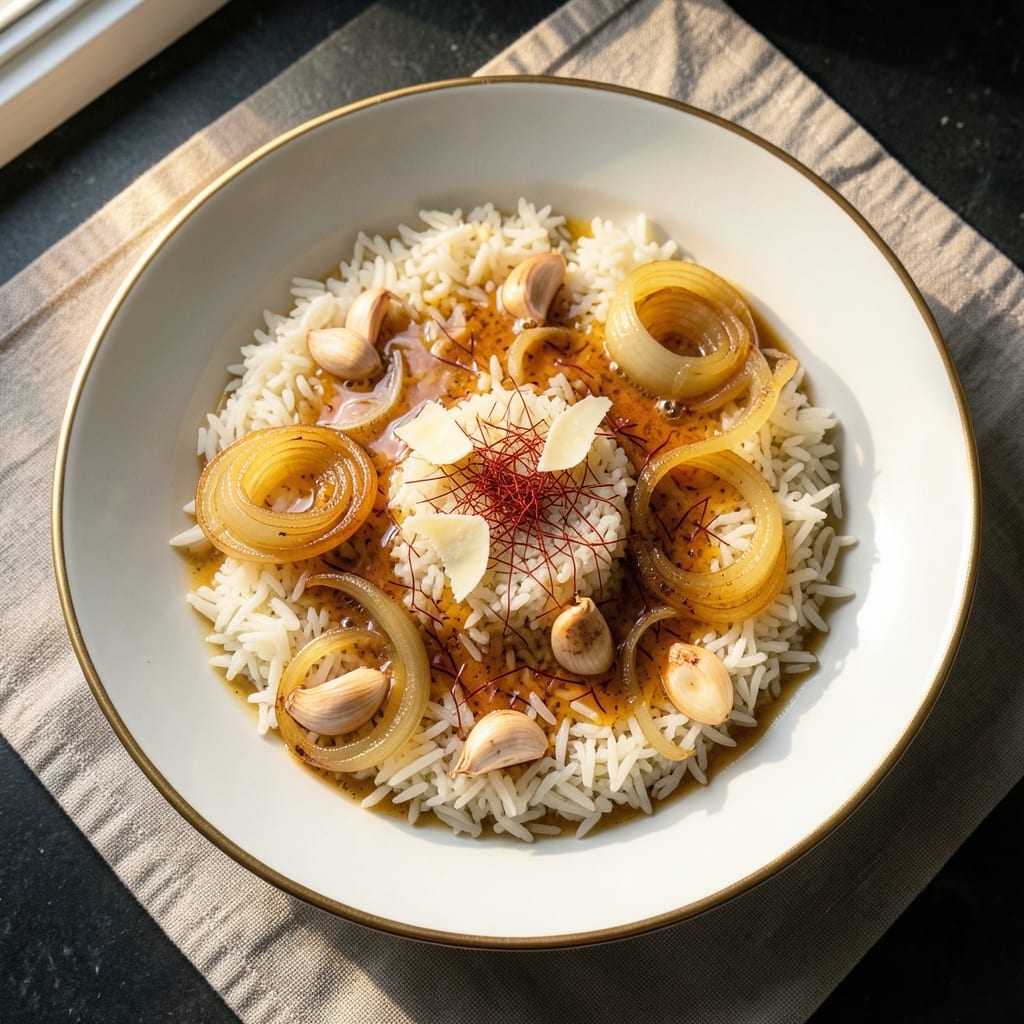
This 5-star rice pilaf recipe transforms simple grains into a restaurant-quality centerpiece with saffron-infused aroma and perfectly separate, fluffy grains. The secret lies in toasting aromatic rice in butter until golden, then simmering it in a rich broth infused with bloomed spices and a pinch of saffron for that signature luxurious color. Every bite delivers a symphony of textures—crisp edges, tender centers—and layers of flavor that elevate it from side dish to showstopper.
What sets this pilaf apart is the technique: searing the rice first creates a nutty foundation, while the slow infusion of warm broth ensures even cooking without mushiness. Optional upgrades like toasted almonds, fresh herbs, or a drizzle of truffle oil take it to gourmet heights, but the base recipe remains approachable for home cooks. The result? A dish so impressive it belongs on any table, whether paired with grilled meats or served as a standalone main.
Balancing liquid ratios is key—too much water and you lose the separate grains; too little and the rice dries out. This method guarantees fluffy, distinct grains every time, with a subtle depth of flavor from bloomed spices and saffron. The aroma alone will have guests asking for seconds, proving that restaurant-quality rice pilaf is well within reach at home.
Perfect for special occasions or weeknight dinners, this pilaf scales beautifully for crowds while maintaining its elegant presentation. Garnish with lemon zest or parsley for brightness, and serve alongside roasted chicken or as a hearty vegetarian main. The techniques here are foolproof, ensuring your rice pilaf will consistently deliver that 5-star experience.
Ingredients for 5 star rice pilaf
Aromatic rice, golden butter, and saffron threads create this luxurious pilaf with restaurant-quality fluffiness.
| Ingredient | Amount | Notes |
|---|---|---|
| Basmati Rice 🍚 | 1 ½ cups | Uncooked, long-grain preferred |
| Unsalted Butter 🧈 | ½ cup | Cold, cut into small cubes |
| Yellow Onion 🧅 | 1 whole | Medium size, finely diced |
| Garlic Cloves 🧄 | 4 cloves | Peeled, minced |
| Saffron Threads 🌼 | ¼ tsp | High-quality, crushed |
| Vegetable Broth 💧 | 2 ½ cups | Low-sodium, warm |
| Ground Cumin 🌿 | ½ tsp | Toasted for depth |
| Ground Turmeric 🌶️ | ¼ tsp | Freshly ground preferred |
| Ground Coriander 🌿 | ½ tsp | Freshly ground for brightness |
| Salt 🧂 | 1 ½ tsp | Kosher or sea salt |
| Fresh Parsley 🌿 | ¼ cup | Chopped, for garnish |
| Lemon Zest 🍋 | 1 tsp | Fresh, for brightness |
| Toasted Almonds 🥜 | ¼ cup | Sliced, optional garnish |
The rice is the foundation—Basmati for its distinct grains and nutty flavor. Whole Foods or specialty stores carry the best quality, but any long-grain rice works in a pinch. Saffron is non-negotiable for that signature color and aroma; look for Spanish or Iranian threads at gourmet shops or online. Toast the spices in the butter until fragrant—this step builds flavor depth that can't be skipped. For the broth, low-sodium is key so you control the salt balance. Warm it before adding to the rice to prevent temperature shock.
No saffron? Turmeric at half the amount gives color but lacks the floral notes. Fresh herbs are ideal, but dried parsley at one-third the quantity works if needed. The almonds? Toast them in the same pan as the rice for extra flavor—no need to buy pre-toasted. Short on time? Swap almonds for toasted pepitas. The lemon zest can be omitted if you're serving alongside citrusy dishes, but I always add it for that bright finish. For extra richness, stir in a splash of heavy cream at the end, though it's optional.
Rice keeps best in the fridge for 4-5 days in an airtight container, though the texture softens slightly. Reheat gently with a splash of broth to restore fluffiness. For longer storage, freeze portions in single layers—thaw overnight in the fridge. Garnishes like parsley and almonds can be added fresh after reheating. This pilaf doubles beautifully, so make extra for leftovers—it's even better the next day as flavors meld.
Why You'll Love This Recipe
- One-Pot Magic: I swear by this recipe because it’s actually one-pot—no clunky rice cooker, no sticky pots to scrub. Just toast the onions and garlic in butter, add the rice and broth, let it simmer, and boom. The saffron infuses the whole thing while you’re making dinner, not while you’re cleaning up.
- Golden Crispy Bites: That first bite where the rice has a crispy edge but stays fluffy inside? It’s the butter-toast trick—sautéing the onions until they’re caramelized before adding the rice. Honestly, it’s the only way I’ll eat pilaf now.
- Weeknight to Dinner Party: Same recipe, different vibes. Serve it with grilled chicken for a Tuesday night, or pile it high with roasted veggies for guests. The saffron makes it feel fancy, but the prep stays simple. (Yes, even on a Tuesday night.)
- Leftovers That Don’t Suck: Most rice goes dry after a day, but this? It’s better the next day. The flavors meld, the texture stays perfect, and it’s my go-to for meal prep. Plus, basmati rice is cheap—this feeds four for the cost of one sad takeout order.
Step-by-step instructions for saffron-infused rice pilaf
Here's the method to achieve restaurant-quality rice pilaf with distinct grains and aromatic saffron flavor.
Bloom the Saffron and Sauté the Aromatics
In a small bowl, crush the 0.25 teaspoon saffron threads with your fingers to release their vibrant color and aroma. This step is crucial—it activates the saffron's natural oils that will infuse into your pilaf. Set aside for now.
In a large, heavy-bottomed pot with a tight-fitting lid, melt the 0.5 cup unsalted butter over medium heat. Add the 1 whole yellow onion, finely diced, and cook for 4-5 minutes until softened and translucent. Add the 4 cloves garlic, minced, and cook for another 30 seconds until fragrant but not browned. Here's where the foundation of your pilaf's flavor begins to develop.
Toast the Spices and Prepare the Rice
Reduce the heat to medium-low and add the 0.5 teaspoon ground cumin, 0.25 teaspoon ground turmeric, and 0.5 teaspoon ground coriander. Stir constantly for 1 minute until the spices are fragrant and the butter begins to bubble gently. This toasting step deepens their flavors and prevents any bitterness.
Add the 1.5 cups basmati rice and stir to coat the grains evenly with the spiced butter. Cook for 2 minutes until the rice becomes translucent at the edges. This dry toasting ensures each grain develops a delicate crust that prevents sticking later. Now add the crushed saffron threads and stir for 30 seconds to distribute their color and aroma throughout the rice.
Deglaze and Add Broth
Pour in the 2.5 cups warm vegetable broth and bring to a gentle boil. The broth should just cover the rice—this ratio is key for perfectly separate grains. Add 1 teaspoon salt and stir once to distribute evenly. Here's where precision matters: don't stir again after this point to prevent breaking the rice grains.
Bring the mixture to a rolling boil for 1 minute to draw out the starches from the rice. Then reduce heat to low, cover tightly with the lid, and let it steam for 15 minutes. The pot should feel hot to the touch but not boiling—this controlled heat is what creates those distinct, separate grains we're after.
Rest and Finish with Garnishes
After 15 minutes, turn off the heat and let the rice sit covered for 10 minutes. This resting period allows the steam to redistribute, ensuring each grain absorbs the perfect amount of liquid. The rice should be tender but still firm with a slight bite—this is the hallmark of well-cooked basmati.
Remove the lid and fluff the rice gently with a fork. Stir in the 1 teaspoon lemon zest and 0.25 cup chopped fresh parsley for brightness. For the final touch, sprinkle the 0.25 cup toasted almonds over the top. These elements add texture contrast and visual appeal that elevate your pilaf from good to exceptional. Serve immediately while still warm.
Pro Tips For Making 5 Star Rice Pilaf
- Bloom the Saffron: Crush the threads with your fingers first, then steep in 2 tablespoons warm water for 10 minutes—this extracts every drop of color and aroma. I used to just toss it in dry and wondered why my pilaf looked dull; the difference is night and day.
- Toast the Onions Slow: Cook the onions in butter over medium-low heat until they’re deep golden, not brown—about 12-15 minutes. High heat turns them bitter; patience here means flavor that lingers. (Yes, even if you’re impatient like me.)
- Rinse the Rice Twice: Give that basmati a quick rinse in cold water, then drain and repeat—this removes excess starch and keeps the grains separate. I learned this the hard way after making a gummy, clumpy mess that stuck together like glue.
- Use a Tight Lid: After adding the broth, slap that lid on and crank the heat to high for 5 minutes to create steam—then reduce to low. This jumpstart method guarantees even cooking without burning the bottom. (Your future self will thank you.)
Make-ahead tips for this 5 star rice pilaf
Prep Ahead Strategy
Start by toasting your spices in butter and storing them in an airtight container in the fridge for up to 3 days. This prepped spice butter can be used directly in your pilaf—just add the rice and broth when ready. The flavors develop even more overnight, giving your pilaf an extra depth of aroma. 🌿
Broth Prep Tip
Warm your vegetable broth ahead of time and keep it at room temperature in a sealed container. Cold broth can shock the rice and lead to uneven cooking. I like to make a big batch of broth and freeze it in ice cube trays—just pop out what you need and warm it quickly. This ensures your pilaf starts at the perfect temperature.
Rice Toasting Shortcut
If you're short on time, toast your basmati rice in a dry skillet for 2 minutes before adding it to the spiced butter. This creates the same nutty crust without the extra step of toasting in the pot. Just
Garnish Assembly
Prep all your garnishes in advance and store them separately. Toast your almonds and chop your parsley ahead of time, keeping them in small containers. The lemon zest can be zested just before serving to preserve its bright flavor. Assemble everything on a platter right before serving so the garnishes stay fresh and crisp. 🍋
Make-Ahead Cooking
This pilaf actually tastes better the next day as the flavors meld together. Cook it completely, let it cool, then store it in an airtight container in the fridge for up to 4 days. When reheating, sprinkle a little warm broth over the top and cover with a damp paper towel. Microwave for 2-3 minutes or reheat on the stovetop over low heat for 5 minutes to restore fluffiness.
Freezer-Friendly Version
For longer storage, portion the pilaf into airtight containers and freeze for up to 3 months. When ready to eat, thaw it overnight in the fridge, then reheat gently with a splash of broth. The texture will be slightly softer, but the flavors remain rich and aromatic. This is perfect for meal prep—just cook once and enjoy for weeks! ❄️
Nutrition facts
Frequently asked questions
Why does this recipe use saffron instead of turmeric?
Saffron adds a delicate floral aroma and vibrant golden color that turmeric can't match. While turmeric provides color, it lacks the complex, luxurious flavor profile that makes this pilaf truly special. The 0.25 teaspoon used here is enough to transform your dish without overpowering it.
Can I substitute basmati rice with another type?
For best results, stick with basmati or jasmine rice—their long grains stay separate and absorb flavors beautifully. If needed, use jasmine rice (it's slightly stickier) or long-grain white rice, but avoid short-grain varieties like sushi rice, which will turn mushy. Adjust cooking time by 2-3 minutes if using a different rice.
What's the secret to getting perfectly separate grains?
The key is the 1:1.5 rice-to-broth ratio and minimal stirring after adding liquid. After boiling for 1 minute, reduce heat to low and let it steam undisturbed for 15 minutes. The resting period afterward is crucial—it lets steam redistribute for even texture without breaking the grains.
How do I make this vegetarian-friendly?
This recipe is already vegetarian! For extra richness, stir in 2 tablespoons heavy cream or 1 tablespoon tahini at the end. Garnish with toasted pine nuts instead of almonds, and serve with roasted vegetables or a side salad. The saffron and spices give it a satisfying depth that stands up to plant-based meals.
What if my pilaf turns out mushy?
Mushy rice usually means too much liquid or insufficient resting time. For future batches, measure broth carefully (2.5 cups for 1.5 cups rice) and always let it rest 10 minutes covered after cooking. If it's already mushy, spread it on a baking sheet and bake at 300°F for 15 minutes to dry it out slightly.