
Main Courses
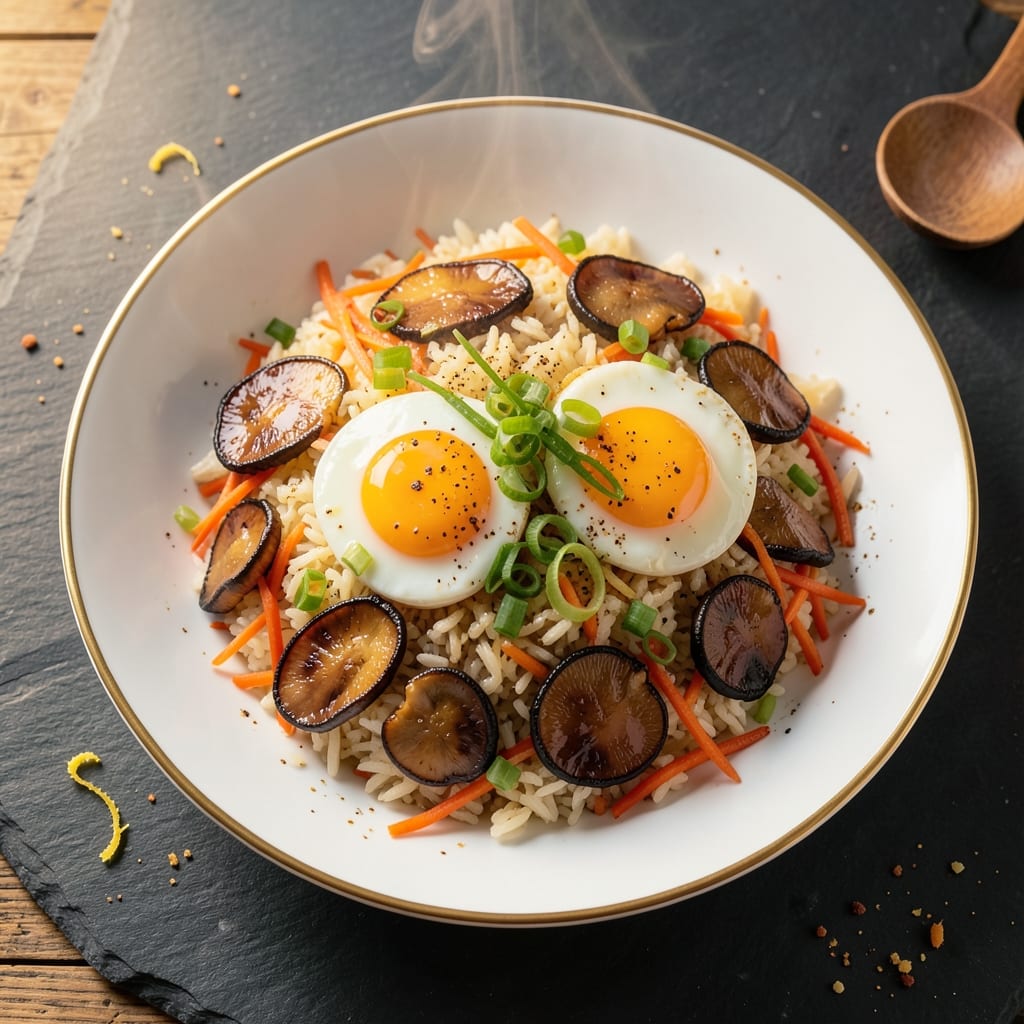
Abalone fried rice transforms a simple weeknight meal into a luxurious dining experience with just one wok. The tender, briny abalone adds depth that elevates every bite, while the smoky wok hei flavor creates an aromatic experience that feels restaurant-quality. This recipe balances traditional techniques with modern convenience, ensuring you get that perfect crisp-tender texture without hours of prep.
The secret lies in properly preparing the abalone—marinating it briefly in soy and cornstarch creates a crispy exterior while keeping the inside tender. Cooking the rice slightly underdone before stir-frying ensures it absorbs flavors without turning mushy. High heat is key for achieving that signature wok hei aroma while keeping the abalone juicy and the rice perfectly separate.
What you end up with is a vibrant, protein-rich dish where each forkful delivers a symphony of textures—crispy abalone, chewy rice, and quick-pickled vegetables for brightness. The dish is elegant enough for dinner guests but simple enough for a weeknight upgrade. Garnish with sesame seeds and scallions for freshness, then serve immediately while the aromas are at their peak.
For extra depth, consider adding a splash of fish sauce or a drizzle of chili oil before serving. This recipe works beautifully as a main course or can be paired with a light salad for a complete meal. Let's create this luxurious seafood fried rice that will impress even the most discerning palates.
Ingredients for abalone fried rice
Elevate your wok with these premium seafood and aromatic ingredients for restaurant-quality abalone fried rice.
| Ingredient | Amount | Notes |
|---|---|---|
| Fresh Abalone 🐚 | 8 oz | Sliced into 1/4-inch pieces |
| Jasmine Rice 🍚 | 2 cups | Uncooked, long-grain preferred |
| Large Eggs 🥚 | 4 whole | Beaten for stir-fry |
| Carrots 🥕 | 1 cup | Julienned into thin matchsticks |
| Green Onions 🧅 | ½ cup | White and green parts separated |
| Scallions 🌿 | ¼ cup | Thinly sliced for garnish |
| Sesame Seeds 🥜 | 1 tbsp | Toasted for garnish |
| Black Sesame Seeds 🥜 | 1 tsp | For decorative contrast |
| Light Soy Sauce 🍶 | ¼ cup | For marinating and stir-fry |
| Dark Soy Sauce 🍶 | 1 tbsp | For color and depth |
| Cornstarch 🌾 | 2 tbsp | For abalone coating |
| Vegetable Oil 🫒 | ½ cup | High smoke point preferred |
| Sesame Oil 🫒 | 1 tbsp | For finishing aroma |
| Oyster Sauce 🍶 | 1 tbsp | For umami depth |
| Rice Vinegar 🍶 | 1 tbsp | For quick pickled veggies |
| Fish Sauce 🐟 | 1 tsp | Optional for extra umami |
| Chili Oil 🌶️ | 1 tsp | For finishing heat |
The abalone is the star—look for fresh, plump pieces with a briny aroma at your local Asian market or high-end seafood counter. Costco often carries frozen abalone that works well if thawed properly. The jasmine rice should be day-old for perfect texture—fresh rice turns mushy. For the carrots, organic baby carrots julienne quickly with a mandoline, but regular carrots work too if you take the time to peel and slice thinly. Green onions add freshness; separate the white and green parts—the whites get cooked, the greens stay for garnish. The sesame seeds should be toasted for maximum aroma—just 30 seconds in a dry pan until fragrant.
No fresh abalone? Frozen works beautifully if properly thawed—never microwave, always use cold water. Running out of jasmine rice? Basmati or long-grain white rice in a pinch, but texture won't be identical. The beaten eggs add richness—use cold eggs for creamier results. For the quick-pickled veggies, rice vinegar plus a pinch of sugar makes all the difference. The fish sauce and chili oil are optional but highly recommended—they add layers of umami and heat that take this dish to the next level. If you're avoiding fish sauce, extra oyster sauce plus a dash of soy sauce replicates the depth.
Store uncooked rice in an airtight container in a cool, dark place for up to 6 months. Once cooked, it keeps for 3 days in the fridge—reheat gently with a splash of water to prevent drying. The abalone marinade can be made 1 day ahead and stored in the fridge. For the quick-pickled veggies, mix the rice vinegar, sugar, and sliced green onions right before serving to maintain crispness. This dish reheats beautifully—30 seconds in the microwave with a damp paper towel keeps everything moist. Garnish with sesame seeds and scallions just before serving to preserve their freshness.
Why You'll Love This Recipe
- No Chopping Chaos: I swear by this recipe because the abalone slices and carrots only need rough chopping—no fine dicing or prep stress. Between us, my knife skills are questionable, but this dish still turns out rich and satisfying.
- Umami Bomb: That first bite of tender abalone with the slightly crispy edges? It’s like a seafood hug. The eggs add silkiness, while the green onions bring a fresh zing—every spoonful feels like a little celebration.
- Lunchbox Hero: Packed with protein and flavor, this fried rice reheats beautifully for lunches. I’ll be real: my kids groan when I hand them store-bought options, but they devour this—even cold. (Yes, even on a Tuesday night.)
- Budget Luxury: Abalone might sound fancy, but one piece stretches far when sliced thin. The rest of the ingredients are pantry staples, so you get restaurant-quality taste without the price tag. My wallet and taste buds win.
Step-by-step instructions for abalone fried rice
Transform simple fried rice into a luxurious seafood masterpiece with this refined technique.
Prepare the Abalone for Perfect Texture
Place the sliced abalone in a bowl and toss gently with the 2 tablespoons cornstarch until each piece is lightly coated. This creates a delicate crust that prevents the abalone from curling during cooking. Let it sit for 5 minutes while you prepare the other components - this resting time ensures even adhesion of the cornstarch.
Real talk: abalone can be delicate when cooked. The cornstarch coating helps maintain its shape while developing that beautiful golden crust. Don't skip this step - the texture difference is dramatic. When ready, set the coated abalone aside until you're ready to cook it in the wok.
Cook the Jasmine Rice to Ideal Consistency
Rinse the 2 cups jasmine rice thoroughly under cold water until the water runs clear, then drain completely. In a rice cooker or pot, combine the rice with 2 cups water and cook according to package instructions until fully tender. For best results, use a rice cooker which maintains consistent moisture.
Once cooked, spread the rice on a tray and let it cool completely before using. This prevents steaming when added to the hot wok later. The rice should be at room temperature when you begin stir-frying - cold rice releases excess moisture that can make your fried rice soggy. If you're short on time, spread it on a wire rack to cool faster.
Build the Flavor Base with Aromatics and Sauces
Heat the 0.5 cup vegetable oil in a wok over high heat until shimmering. Add the white parts of the 0.5 cup green onions and the 1 cup julienned carrots, stir-frying for 2 minutes until the vegetables begin to soften but remain vibrant. Remove these vegetables and set aside - they'll be used later for garnish.
In the same wok, add the 1 tablespoon dark soy sauce and 1 tablespoon oyster sauce, stirring constantly for 30 seconds until the sauce begins to caramelize slightly. This creates the flavor foundation for your dish. Immediately add the 1 tablespoon rice vinegar and 1 teaspoon fish sauce, mixing quickly to combine. The vinegar brightens the dish while the fish sauce adds umami depth.
Cook the Eggs and Abalone in Stages
Push the sauce mixture to one side of the wok and add the 4 beaten eggs to the empty space. Scramble quickly over high heat for 30 seconds until just set but still slightly runny. Immediately fold the eggs into the sauce mixture and add the 8 oz coated abalone. Cook for 2-3 minutes until the abalone turns opaque and develops a golden crust.
Here's where precision matters: the abalone should cook quickly over high heat to maintain its delicate texture. If it starts to brown too quickly, reduce heat slightly to medium-high. The abalone is done when it's opaque throughout with a slightly crisp exterior - it should release easily from the wok when gently prodded with tongs.
Combine and Finish with Signature Touches
Add the 2 cups cooked jasmine rice to the wok, breaking up any clumps as you stir. Pour in 1 tablespoon sesame oil and 1 tablespoon light soy sauce, tossing vigorously for 2-3 minutes until the rice is evenly coated and begins to sizzle. The rice should be hot throughout and slightly crispy in texture.
Return the reserved green onion whites and carrots to the wok, along with the 0.25 cup sliced scallions. Drizzle with 1 teaspoon chili oil and toss once more. For final presentation, garnish each serving with 1 tablespoon sesame seeds and 1 teaspoon black sesame seeds. The contrast of colors and textures makes this dish visually stunning while adding subtle nutty flavors.
Pro Tips For Making Abalone Fried Rice
- COOK ABALONE FIRST: Fresh abalone turns rubbery if overcooked—sear it in a screaming-hot pan for 30 seconds per side until just opaque, then set aside. I learned this the hard way when mine turned chewy; undercooked is better than overdone here.
- USE DAY-OLD RICE: Cold, dry jasmine rice fries up fluffy and separate—never fresh rice, which turns mushy. Spread cooked rice on a tray and refrigerate for 2 hours (or freeze for 15 minutes) before using.
- CUT CARROTS SMALL: Thin julienne strips cook faster and stay crunchy, while thick chunks turn soggy. I used to skip this step, and the texture suffered—now I dice them into matchsticks for even cooking.
- SCRAMBLE EGGS SEPARATELY: Frying eggs in the rice makes it greasy—whisk eggs with a splash of water, scramble in a clean pan until just set, then toss in last. This keeps the rice light and the eggs creamy without soaking up oil.
Best sauces and condiments for abalone fried rice
Umami-Packed Sauces
Start with oyster sauce—the secret weapon for abalone fried rice. Use 1 tablespoon of high-quality oyster sauce like Lee Kum Kee to build rich umami depth. Add 1 tablespoon dark soy sauce for color and caramelized complexity, then finish with 1 teaspoon fish sauce (like Red Boat) for that signature salty-sweet balance. These three sauces create the perfect flavor foundation that complements abalone's natural brininess. 💛
Quick-Pickled Veggies
Brighten the dish with quick-pickled green onions using 1 tablespoon rice vinegar and a pinch of sugar. Toss the white parts of the green onions with the vinegar mixture for 5 minutes before adding to the wok. This adds a refreshing tang that cuts through the richness of the abalone and eggs. For extra crunch, reserve some green onion greens for garnishing. The acidity also helps balance the dish's savory notes.
Chili Oil Finish
No abalone fried rice is complete without a drizzle of chili oil. Use 1 teaspoon of high-quality chili oil like Lao Gan Ma or Kosher House for a perfect balance of heat and aroma. Add it at the very end to preserve the oil's vibrant red color and fiery kick. The oil should coat the rice lightly—just enough to add heat without overwhelming the dish. For a milder version, reduce to ½ teaspoon and add a pinch of sugar to balance the heat.
Sesame Oil Aroma
The final touch is 1 tablespoon toasted sesame oil—this is where the magic happens. Add it during the final 30 seconds of stir-frying to infuse the dish with nutty, toasty aromas. The oil should sizzle slightly, releasing its signature fragrance. For extra depth, toast 1 tablespoon sesame seeds in a dry pan until golden, then sprinkle over the finished dish. This adds both texture and aroma that elevates the dish from good to extraordinary. ✨
Optional Garnishes
Elevate your presentation with black sesame seeds for visual contrast and subtle nuttiness. Toast them lightly in a dry pan for 1-2 minutes until fragrant. Scatter them over the finished dish alongside the sesame seeds and scallions. For a pop of color, add thinly sliced red chili or microgreens for freshness. These garnishes not only look stunning but also add layers of flavor that make every bite more exciting.
Nutrition facts
Frequently asked questions
Can I substitute frozen abalone for fresh?
Yes, but thaw it properly first! Place frozen abalone slices in a sealed bag and submerge in cold water for 20-30 minutes. Change the water every 10 minutes to maintain cold temperature. Never microwave—it creates uneven cooking. Pat dry thoroughly before coating with cornstarch for that perfect crispy texture.
What's the best rice to use for maximum texture?
Use day-old jasmine rice for ideal texture—it's drier and absorbs flavors better than fresh rice. If using fresh, spread it on a tray and refrigerate for 1 hour before cooking. For extra crispiness, add 1/4 cup cold rice to the wok at the very end and toss quickly. This creates a delicious contrast between tender and crispy rice grains.
How do I prevent the abalone from curling?
The cornstarch coating is key! Pat the abalone slices completely dry before tossing with cornstarch, then let them rest for 5 minutes before cooking. Use a non-stick wok or skillet and cook over medium-high heat—too low heat causes curling. For extra insurance, press down lightly with a spatula during the first 30 seconds of cooking to flatten the slices.
Can I make this vegetarian?
Replace the abalone with 1 cup king oyster mushrooms or 8 oz firm tofu. For mushrooms, slice them thinly and marinate in 1 tbsp soy sauce + 1 tbsp cornstarch for 10 minutes before cooking. For tofu, press and pan-fry until crispy. The texture will be different but still delicious—just reduce the cooking time by 1-2 minutes since plant-based proteins cook faster.
Why does my fried rice turn out mushy?
Three common causes: overcooking the rice, using fresh rice, or adding too much liquid. Always use day-old rice and cook it slightly underdone (about 1 minute less than package instructions). When stir-frying, keep the heat high and work quickly—3-4 minutes max total cooking time for the rice. If it sticks, add just 1 tsp water at a time rather than pouring.