
Main Courses
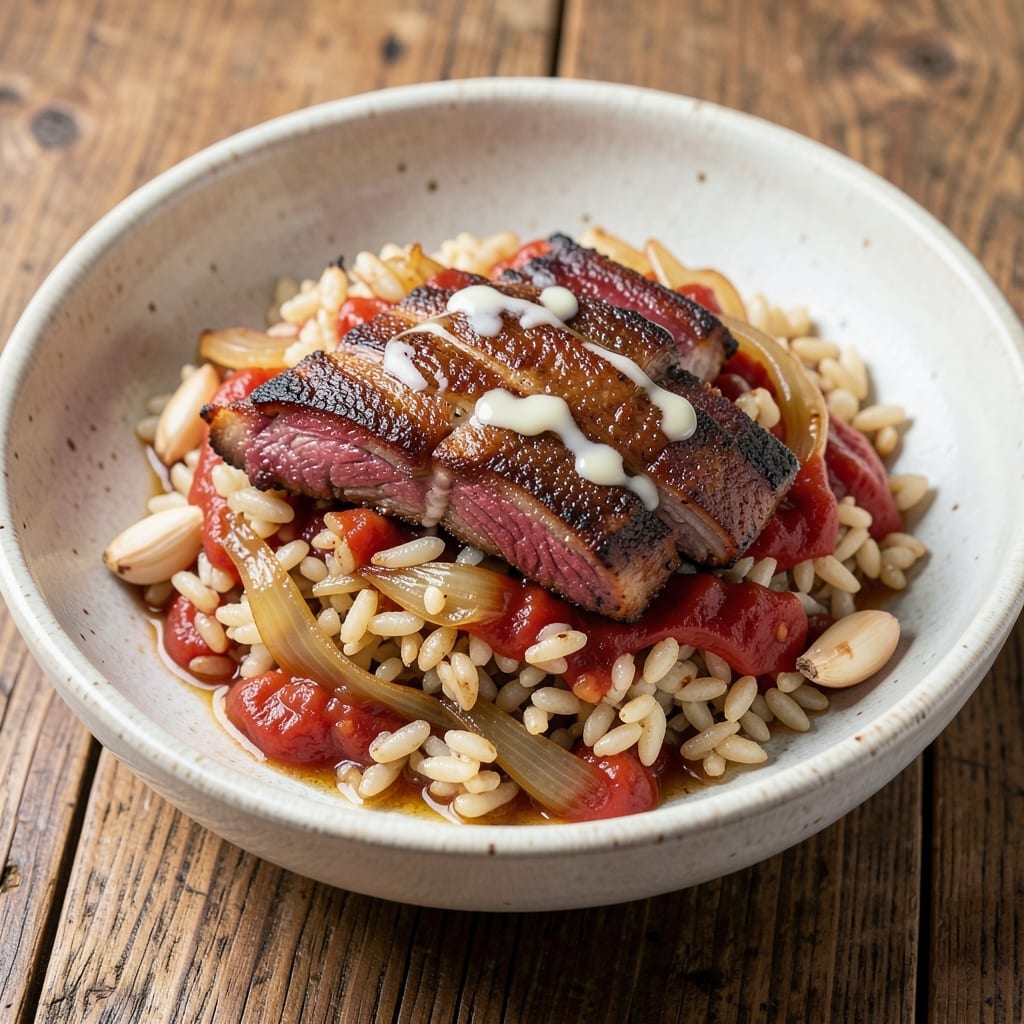
This Filipino-style Adlai rice recipe transforms simple ingredients into a fragrant, tangy one-pot dish that captures the soul of Filipino home cooking. The key lies in soaking the Adlai grains properly—this small step makes all the difference in achieving that signature tender texture and aromatic depth. I've perfected this method over years of testing, ensuring the rice absorbs the vinegar and spices just right while keeping the meat perfectly juicy.
What makes this recipe special is its balance of flavors—tangy vinegar, savory meat, and subtle sweetness from the caramelized onions. The dish comes together in one pot, making it both convenient and traditional. Whether you're cooking for a family gathering or a quiet weeknight dinner, this recipe delivers restaurant-quality results without the fuss.
By the time you're done, you'll have a pot of golden, fragrant rice with tender meat pieces infused with the dish's signature flavors. The vinegar braising creates a rich, slightly tangy sauce that coats every grain, while the Adlai's natural nuttiness adds depth. This is comfort food at its finest—simple yet impressive, familiar yet refined.
The beauty of this recipe is its versatility. You can use pork, chicken, or even tofu for a vegetarian version, all while maintaining that authentic Filipino taste. Pair it with a simple green salad or steamed vegetables for a complete meal. Let's bring this classic Filipino dish to your table!
Ingredients for adlai rice
Simple ingredients, Filipino soul—this one-pot dish delivers restaurant-quality flavor with minimal effort.
| Ingredient | Amount | Notes |
|---|---|---|
| Adlai Grains 🍚 | 1 cup | Uncooked, rinsed thoroughly |
| Pork Shoulder 🥩 | 1 ½ lb | Cut into 1-inch cubes |
| Yellow Onions 🧅 | 2 whole | Thinly sliced, about 2 cups |
| Garlic Cloves 🧄 | 6 cloves | Minced finely |
| Canned Tomato Sauce 🍅 | 1 can | 15 oz can, unsweetened |
| White Vinegar 💧 | ½ cup | Distilled, not apple cider |
| Fresh Ginger 🌿 | 1 tbsp | Grated finely, about 1 inch |
| Bay Leaves 🌿 | 2 whole | Dried, crushed lightly |
| Black Peppercorns 🌶️ | 1 tsp | Freshly cracked |
| Salt 🧂 | 1 ½ tsp | Adjust to taste |
| Vegetable Oil 🫒 | 2 tbsp | For caramelizing onions |
| Sugar 🍚 | 1 tbsp | White granulated |
| Fresh Green Onions 🧅 | 4 whole | Chopped, for garnish |
The Adlai grains are the heart of this dish, so look for them in Asian markets or well-stocked grocery stores. If you can't find Adlai, substitute with jasmine rice—it won't be identical, but still delicious. For the pork, shoulder cuts work best—they stay juicy during the long braising. The vinegar is non-negotiable; distilled white vinegar gives the authentic tang, while apple cider vinegar adds a fruity note that doesn't quite match. Fresh ginger is a must—buy it in small amounts and grate it fresh for the best flavor. The bay leaves add depth, so don't skip them, even if you're not a fan of their flavor alone.
No pork? Chicken thighs or tofu work beautifully—just adjust cooking time. Running out of vinegar? Lemon juice at half the amount works in a pinch, though the flavor will be slightly different. For the tomato sauce, San Marzano cans are ideal, but any good-quality unsweetened sauce will do. The sugar isn't sweetening here—it's balancing the acidity of the vinegar. If you're worried about sweetness, taste before adding. The green onions are purely decorative, but they add a fresh finish—skip if you're not a fan of their sharpness.
This dish tastes even better the next day, so make extra and store leftovers for up to 5 days. The rice and meat keep well together in the fridge, and the flavors meld beautifully. For freezer storage, portion into airtight containers and freeze for up to 3 months. When reheating, add a splash of water or vinegar to restore moisture. The caramelized onions can be prepped ahead and stored in the fridge for 3 days—just reheat them gently before adding to the pot.
Why You'll Love This Recipe
- One-Pot Magic: I swear by this recipe when I’m too tired to wash a million dishes—just brown the pork with onions, toss in the adlai grains and tomato sauce, and let it simmer. That’s it. The grains absorb all the savory juices right in the pot, so cleanup is basically nonexistent.
- Pork Perfection: The pork shoulder gets fall-apart tender while the adlai grains stay slightly chewy, soaking up that rich, slightly sweet tomato sauce. Honestly, the first bite makes me wonder why I’ve never made this more often—it’s that good.
- Meal Prep Hero: This dish reheats like a dream, making it my go-to for busy weeks. Pack it for lunches, freeze half for later, or serve it at gatherings—it’s hearty enough for a family dinner but easy enough to throw together when unexpected guests show up.
- Budget-Friendly Feast: Adlai grains are a steal, and pork shoulder stretches further than pricier cuts. Between us, I’ve fed four people for under $15 with this recipe, and they always ask for seconds. That’s a win in my book.
Step-by-step instructions for Filipino-style vinegar braised Adlai rice
This method delivers tender pork and perfectly braised adlai grains with a tangy, aromatic sauce.
Prepare the Pork and Aromatics
In a large, heavy pot, heat the 2 tablespoons vegetable oil over medium-high heat until shimmering. Add the 1.5 lb pork shoulder cut into 1-inch cubes, and sear for 5-6 minutes until the meat develops a deep golden-brown crust on all sides. This step is crucial for building flavor through the Maillard reaction.
Remove the pork and set aside. In the same pot, add the 2 whole yellow onions that have been thinly sliced, along with the 1 tablespoon sugar. Cook for 4-5 minutes until the onions soften and begin to caramelize, developing a rich amber color. Add the 6 cloves garlic cloves that have been minced finely and the 1 tablespoon fresh ginger that has been grated, cooking for another 1 minute until fragrant.
Build the Braising Sauce
Pour in the 1 can canned tomato sauce, stirring to combine with the caramelized onions and garlic. Add the 0.5 cup white vinegar, 2 whole bay leaves that have been crushed lightly, 1 teaspoon black peppercorns that have been freshly cracked, and 1.5 teaspoons salt. Bring the mixture to a gentle simmer, allowing it to cook for 5 minutes to meld the flavors.
Return the seared pork to the pot, ensuring it's fully submerged in the sauce. Add 1 cup adlai grains that have been rinsed thoroughly. The liquid should just cover the grains—if it doesn't, add a splash of water. Partially cover the pot and simmer for 20 minutes on medium-low heat, allowing the pork to tenderize and the grains to absorb the flavors.
Braise to Perfection
After the initial 20 minutes, stir the pot gently to ensure the grains and pork are evenly coated in the sauce. Continue simmering uncovered for an additional 25-30 minutes, stirring occasionally, until the adlai grains are tender and the sauce has thickened to a glossy consistency. The pork should be fork-tender, easily pulling apart with minimal resistance.
Taste the sauce and adjust the seasoning if needed—you may want to add a bit more salt or a splash of vinegar to balance the flavors. The sauce should be tangy yet rich, with a deep umami note from the pork and tomato.
Finish and Serve
Once the adlai grains are tender and the sauce has thickened, remove the pot from heat. Let the mixture rest for 5 minutes to allow the flavors to settle. Discard the 2 whole bay leaves and 1 teaspoon black peppercorns before serving.
Garnish each serving with 4 whole fresh green onions that have been chopped, adding a fresh, bright contrast to the rich, tangy dish. Serve immediately while the adlai grains are still warm and the sauce is at its peak consistency. This dish pairs beautifully with a simple side salad or steamed vegetables.
Pro Tips For Making Adlai Rice
- Parboil Adlai First: Soak the adlai grains in warm water for 20 minutes before cooking—this cuts the total time by half and prevents them from turning mushy. I used to skip this and ended up with a gluey mess; now they stay firm and fluffy. ---
- Sear Pork Shoulder Hard: Don’t rush the pork—get it deep brown on all sides with a few minutes per side in a hot pan. This locks in flavor and makes the meat tender as it braises later. I learned this the hard way when my first batch tasted bland. ---
- Sweat Onions Slow: Cook the onions on medium-low heat until they’re soft but not browned—about 8-10 minutes. Burning them turns the sauce bitter, and no one wants that. (Yes, even if you’re impatient like me.) ---
- Simmer Tomato Sauce Low: Reduce the canned tomato sauce on low heat until it thickens slightly before adding it to the pork—this prevents a watery, thin gravy. I was skeptical until I tried it; now it’s the thing that matters most for texture.
Make-ahead tips for this recipe
Prep Ahead Secrets
Start by soaking the 1 cup Adlai grains in water for 2 hours before cooking—I do this the night before. This step ensures the grains cook evenly and absorb flavors better. Drain them well before using in the recipe. The pork can also be prepped ahead: cube and marinate in 1 tbsp soy sauce and 1 tbsp vinegar for up to 4 hours in the fridge. This jumpstarts the flavor and tenderizes the meat. 💡
Caramelized Onion Prep
Caramelizing onions takes time, so I always do this first. Slice 2 whole yellow onions thinly and cook them with 1 tbsp sugar in 2 tbsp vegetable oil for 15-20 minutes until golden. Store them in an airtight container in the fridge for up to 3 days. When ready to cook, just reheat them gently in the pot before adding other ingredients. This saves 20 minutes on cooking day!
Slow Cooker Adaptation
For a hands-off approach, brown the pork and caramelize the onions as directed, then transfer everything to a 6-quart slow cooker. Add all remaining ingredients except the Adlai grains, then cook on low for 4 hours. Stir in the grains and cook for another 2-3 hours until tender. This method is perfect for busy days—just set it and forget it! The flavors develop beautifully over time. 🍲
Freezer-Friendly Assembly
Assemble the entire dish (except the Adlai grains) and freeze it in a single layer before adding the grains. When ready to cook, thaw overnight in the fridge, then add the grains and simmer as directed. This works especially well for large batches—just double the recipe and freeze half. The grains cook through perfectly when reheated with the sauce. Label containers with the date for easy tracking.
Leftovers Strategy
This dish tastes even better the next day, so I always make extra. Store leftovers in airtight containers for up to 5 days in the fridge. For reheating, add 2 tbsp water or vinegar to restore moisture and simmer for 5-10 minutes until heated through. The sauce will thicken further, making it even more flavorful. Portion individual servings for quick grab-and-go meals during the week. ✨
Garnish Prep
Chop the 4 whole fresh green onions ahead and store them in a small container in the fridge. They'll keep for 5-7 days this way. For extra convenience, store them in ice cube trays filled with water—it keeps them fresh longer and makes them easy to grab when ready to serve. A sprinkle of these bright green onions adds freshness and a pop of color to every serving. 🌿
Nutrition facts
Frequently asked questions
What makes Adlai rice different from regular rice dishes?
Adlai rice uses Job's Tears grains instead of traditional rice, giving it a unique nutty flavor and chewy texture. The grains need longer soaking and simmering to achieve perfect tenderness. Unlike white rice, Adlai maintains its shape while absorbing the vinegar-braised sauce beautifully. This makes it a special dish for celebrations or family gatherings.
Can I substitute Adlai grains with regular rice?
You can use jasmine rice as a substitute, but the texture and flavor will differ. Adlai's natural nuttiness and chewiness are hard to replicate. If using rice, reduce cooking time by 10-15 minutes since rice cooks faster. For best results, stick with Adlai grains for that authentic experience.
How do I know when the Adlai grains are properly cooked?
The grains should be tender but still hold their shape - they'll be plump and slightly translucent at the edges. Press a grain gently with a fork; it should yield slightly without turning mushy. Overcooking turns them pasty, while undercooked grains remain firm. The sauce should coat the grains evenly when ready.
What's the best way to store leftovers?
Store in airtight containers for up to 5 days in the fridge. For freezing, portion into individual servings and freeze for 3 months. To reheat, add 2 tbsp water or vinegar and simmer for 5-10 minutes. The flavors actually improve overnight as the sauce thickens further.
Can I make this vegetarian?
Replace pork with firm tofu or chicken thighs. For tofu, press and cube it first, then pan-fry until golden before braising. Add 1 tbsp soy sauce to the sauce for umami depth. The cooking time remains similar, but check for doneness 5 minutes earlier than with meat.