
Main Courses
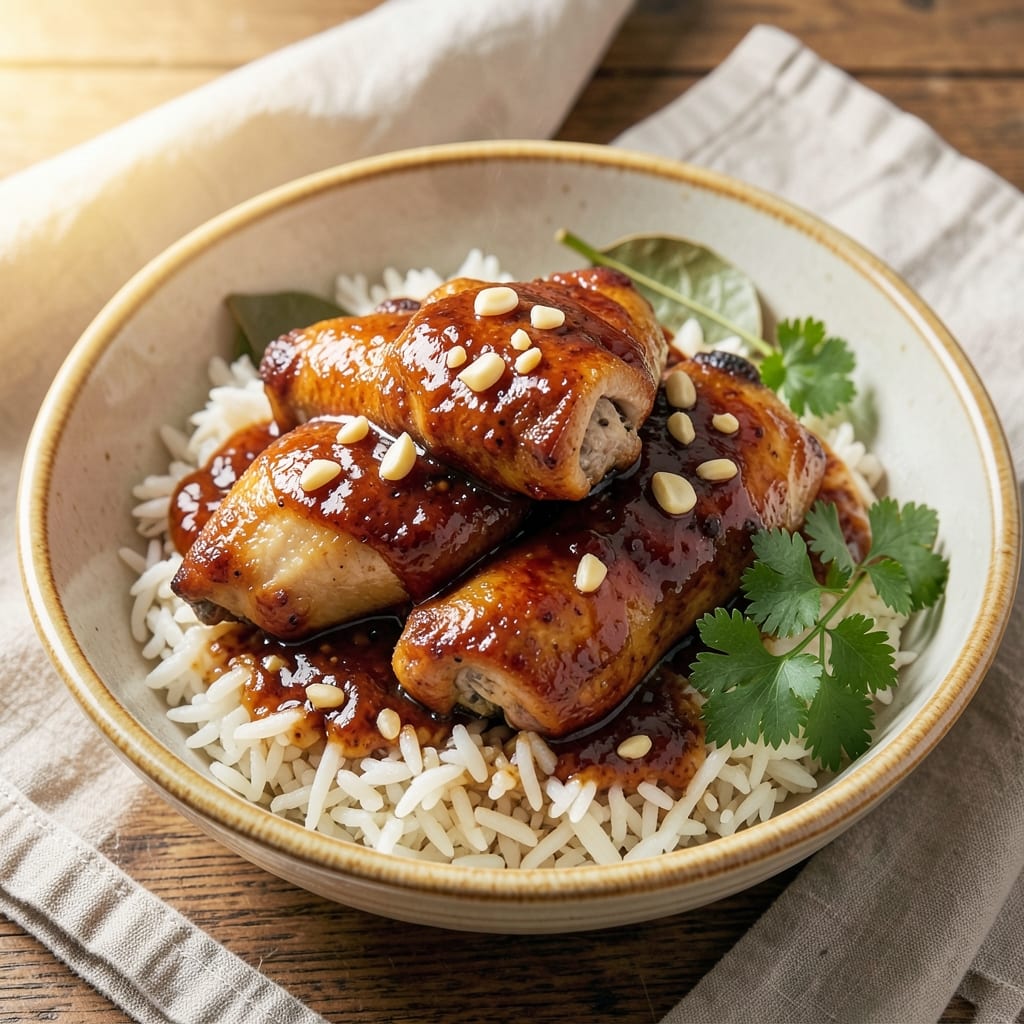
This Filipino adobo rice recipe delivers the perfect balance of tangy, savory flavors that define Filipino comfort food. 🌟 The secret lies in marinating chicken or pork in a vinegar-soy sauce blend, creating a caramelized crust that locks in juices while infusing every bite with bold aromatics. What makes this dish truly special is the harmony between the tender, braised protein and fluffy steamed rice—each component elevating the other in a symphony of textures and tastes.
The process begins with a simple marinade of vinegar, soy sauce, garlic, and bay leaves, which tenderizes the meat while building deep, complex flavors. Unlike many adobo recipes, this version focuses on achieving restaurant-quality results at home with minimal effort—no fancy techniques required, just patience and attention to the cooking method. The rice, steamed to perfection, absorbs the rich adobo juices, transforming a simple side into the star of the meal.
By the time you serve this dish, your kitchen will be filled with the intoxicating aroma of caramelized garlic and vinegar, while the table is adorned with golden-brown protein and fragrant rice. The tangy-savory sauce clings to every grain, creating a dish that’s as satisfying as it is elegant. Pair it with atchara (pickled papaya) or a crisp salad for a complete Filipino feast that’s sure to impress.
This recipe is designed to be both approachable and impressive, making it ideal for weeknight dinners or special occasions. The key to success lies in the marinating time and the slow cooking process, which ensures the meat stays moist and flavorful. Whether you're a seasoned home cook or a beginner, this adobo rice recipe will deliver results that taste like they came straight from a Filipino kitchen.
Ingredients for adobo rice filipino
The core ingredients that transform simple rice into Filipino adobo perfection.
| Ingredient | Amount | Notes |
|---|---|---|
| Boneless Chicken Thighs 🍗 | 1 ½ lb | Skin-on preferred for flavor |
| White Vinegar 💧 | ½ cup | Distilled or cane vinegar |
| Soy Sauce 🍶 | ½ cup | Light or regular soy sauce |
| Garlic Cloves 🧄 | 8 cloves | Minced for marinade |
| Bay Leaves 🌿 | 2 whole | Dried or fresh |
| Long-Grain White Rice 🍚 | 1 ½ cups | Uncooked, jasmine preferred |
| Olive Oil 🫒 | 2 tbsp | For searing chicken |
| Salt 🧂 | 1 ½ tsp | Kosher or sea salt |
| Black Pepper 🌶️ | ½ tsp | Freshly ground preferred |
| Sugar 🍚 | 1 tbsp | White granulated |
| Water 💧 | 2 cups | For rice steaming |
| Green Onions 🧅 | 2 whole | Sliced for garnish |
The chicken thighs are the foundation—skin-on for extra flavor and moisture, though boneless makes prep easier. Filipino markets or well-stocked Asian grocery stores carry pre-cut thighs, but any butcher can trim them for you. Look for thighs with good marbling; the fat renders beautifully during cooking. Garlic is non-negotiable here—freshly minced releases more flavor than pre-minced. Bay leaves add depth, but if you can't find them, a pinch of dried oregano works in a pinch. For the rice, jasmine rice is traditional, but long-grain white rice works perfectly fine. The key is rinsing it thoroughly before cooking to remove excess starch.
No white vinegar? Apple cider vinegar works, though it adds a slight sweetness. Short on soy sauce? Coconut aminos or even extra Worcestershire sauce (check for anchovies if vegetarian) can substitute. The sugar balances acidity—brown sugar adds caramel notes, but white granulated is more accessible. For the rice, if you're using a rice cooker, skip the water measurement and let the machine handle it. No rice cooker? A heavy-bottomed pot ensures even cooking. The green onions are purely decorative, but they add a bright finish—substitute with scallions if that's what you have.
Marinated chicken keeps 3 days in the fridge, but the longer it sits, the more flavorful it becomes. Cooked adobo reheats beautifully—store in an airtight container with sauce for up to 5 days. The rice stays fresh for 4 days if covered tightly. For meal prep, cook the chicken and rice separately, then combine before serving to keep the grains fluffy. Freeze portions of the sauce separately for up to 3 months—it's perfect for drizzling over rice or noodles later.
Why You'll Love This Recipe
- One-Pot Magic: I swear by this—just toss everything in one pot, and the chicken practically cooks itself while the rice soaks up that tangy, savory sauce. No fancy techniques, no extra dishes to wash.
- Tangy Garlic Bomb: That vinegar-soy combo with minced garlic? It’s like a flavor explosion in your mouth—bright, salty, and just enough acidity to make it addictive. The bay leaves add this subtle earthiness that rounds it out perfectly.
- Lunchbox Hero: Between us, this makes the best leftovers. Reheat it, and it’s still rich and moist—great for packed lunches or when you’re too tired to cook. Honestly, I’ve eaten it cold straight from the fridge, and it’s still delicious.
- Budget Meal King: Chicken thighs stretch far, and the pantry staples (vinegar, soy sauce) won’t break the bank. I make this when I need to feed the family without stressing over groceries—simple, filling, and always a hit.
Step-by-step instructions for adobo rice Filipino recipe
Transform simple ingredients into restaurant-quality Filipino adobo rice with this foolproof method.
🍳 Step 1: Sear the Chicken Until Golden Brown
Heat a large pot or deep skillet over medium-high heat and add the 2 tbsp olive oil. Once shimmering, add the 1.5 lb boneless chicken thighs, skin-side down if using skin-on pieces. Press gently with a spatula to prevent curling. Cook for 5-6 minutes until the chicken develops a deep golden-brown crust on all sides.
This initial sear locks in flavors and creates that signature caramelized color. Flip only when you see crispy edges forming—don't rush this step. Remove the chicken and set aside, leaving the rendered fat in the pot. You'll need it for building the adobo sauce.
👨🍳 Step 2: Build the Adobo Marinade
In the same pot with the chicken fat, add the 8 cloves minced garlic cloves and 2 whole bay leaves. Cook for 30 seconds until the garlic becomes fragrant but doesn't brown. Immediately pour in the 0.5 cup white vinegar and 0.5 cup soy sauce, scraping up any browned bits from the bottom.
Bring to a gentle simmer and cook for 5 minutes until the liquid reduces by about half. The aroma should be tangy and savory—this is your adobo base. Stir in the 1 tbsp sugar and 1.5 tsp salt, then return the chicken to the pot. Simmer uncovered for 15 minutes until the chicken is tender and the sauce thickens slightly.
🥘 Step 3: Prepare the Perfectly Steamed Rice
While the chicken simmers, rinse the 1.5 cups long-grain white rice under cold water until the water runs clear. This removes excess starch for fluffier rice. In a separate pot, combine the rinsed rice with 2 cups water, 0.5 tsp black pepper, and a pinch of salt (about ¼ tsp). Bring to a boil, then reduce heat to low and cover tightly with a lid.
Steam for 15 minutes without lifting the lid. The rice should absorb all the water and develop a delicate, separate grain texture. Resist the urge to peek—steam buildup is what creates those perfect grains. Remove from heat and let sit covered for 5 minutes before fluffing with a fork.
⏰ Step 4: Combine and Rest
Carefully transfer the chicken and its adobo sauce to a serving platter. Spoon the steamed rice over the chicken, gently mixing to coat each grain with the rich sauce. The rice should absorb just enough to be flavorful but still maintain its texture. Sprinkle with sliced 2 whole green onions for freshness.
Let the dish rest for 5 minutes before serving. This allows the rice to firm up slightly and the flavors to meld completely. The chicken should be fork-tender with crispy edges, and the rice should be perfectly steamed with a subtle tang from the adobo sauce.
Pro Tips For Making Adobo Rice Filipino
- Sear Chicken First: After burning three batches of adobo where the chicken turned rubbery, I learned to sear the thighs in a dry pan over medium-high heat for 4-5 minutes per side until golden. The crust locks in flavor and prevents the meat from drying out later—no, it doesn’t take extra time, it just changes the texture.
- Simmer Slow, Not Boil: The moment I cranked the heat to high to speed things up, the vinegar evaporated too fast and left the sauce thin and harsh. Keep the liquid at a steady simmer (small bubbles, occasional swirls) for 30-40 minutes—low and slow is the only way to let the soy and vinegar marry properly.
- Mince Garlic Like You Mean It: I used to chop garlic into rough pieces, thinking it’d dissolve anyway. Wrong. For adobo, mince it so fine it’s almost a paste—this way, every bite gets that deep, savory punch without any texture surprises. (Yes, even if you’re impatient like me.)
- Balance Vinegar with Sugar: Skip the sugar at your own risk—it’s the thing that actually makes the adobo taste good, not just tangy. Add 1-2 tablespoons of brown sugar to the vinegar mixture before simmering. It cuts the sharpness and rounds out the flavors, especially if you’re using cheap vinegar. (Your future self will notice.)
Wine and beer pairings for this recipe
Filipino White Wine
Filipino adobo rice pairs beautifully with crisp, dry white wines that complement its tangy-savory profile. My go-to is Sauvignon Blanc from the Philippines—look for Lambayec Red or Bodega de San Isidro—both offer bright citrus notes and a mineral finish that cut through the vinegar's acidity. The wine's zesty acidity mirrors the adobo's tang, while its subtle herbal undertones echo the garlic and bay leaves. Serve slightly chilled (45-50°F) to enhance the wine's refreshing qualities. 🍷
Light-Bodied Reds
For those who prefer red wine, a Pinot Noir from California or Oregon works wonders. Brands like Meiomi or La Crema offer smooth, fruity profiles with enough acidity to balance the dish. The wine's light body won't overpower the delicate flavors, and its red fruit notes harmonize with the adobo's caramelized garlic. Let it breathe for 10 minutes before serving to soften its tannins. Avoid heavy reds like Cabernet Sauvignon—they can clash with the vinegar's sharpness.
Filipino-Inspired Beer
If you're serving adobo rice at a casual gathering, a Filipino lager like San Miguel or Red Horse is a perfect match. Their crisp, slightly sweet profiles complement the dish's savory depth without competing. For craft beer lovers, a Belgian Witbier such as Allagash White adds a citrusy brightness that enhances the vinegar's tang. Serve these beers well-chilled (38-42°F) to highlight their refreshing qualities.
Non-Alcoholic Pairings
For a refreshing non-alcoholic option, try hibiscus iced tea (or sarsaparilla), a Filipino favorite. The tartness of the tea balances the adobo's richness, while its floral notes add complexity. Another great choice is coconut water—its natural sweetness and subtle coconut flavor create a delightful contrast. For something more robust, a ginger beer like Feather adds a spicy kick that pairs beautifully with the dish's savory-sweet profile. 💛
Regional Wine Adaptations
In the Philippines, adobo rice is often enjoyed with local wines like Tayum or Petilla, both of which offer unique terroir-driven flavors. If you're in the U.S., seek out Filipino-owned wineries such as Vina Robles in California, which produces wines inspired by Filipino flavors. For a budget-friendly option, White Zinfandel (like Beringer) provides a slightly sweet, fruity contrast that many adobo lovers enjoy. Always opt for wines with moderate acidity to complement the dish's tangy-savory balance.
Nutrition facts
Frequently asked questions
Can I use pork or beef instead of chicken for this adobo rice?
Pork belly or beef chuck work beautifully—just adjust cooking times. Pork belly needs 30-40 minutes to render fat and become tender, while beef should simmer for 1.5 hours until fork-tender. For pork, cut into 1-inch cubes and brown well before adding the marinade.
What if I don't have white vinegar? Can I substitute?
Yes! Use apple cider vinegar (adds slight sweetness) or canola vinegar (milder tang). For a non-vinegar option, mix 1 tbsp lemon juice with 1 tsp baking soda to mimic acidity. The key is maintaining the dish's balance between tang and umami.
How do I make the rice extra flavorful without overpowering it?
Add ½ cup of the adobo cooking liquid to the rice water before steaming. This infuses the grains with deep flavor while keeping them light. For extra aroma, place a bay leaf in the rice pot during cooking. Stir gently at the 10-minute mark to distribute flavors evenly.
Can I make this dish in a slow cooker or Instant Pot?
Slow cooker: Brown chicken first, then add all marinade ingredients and cook on low for 4-5 hours or high for 2-3 hours. Instant Pot: Sauté chicken, then add marinade and cook on high pressure for 20 minutes with natural release. For rice, use the white rice setting or cook separately in a pot. Both methods work but require adjusting cooking times.
Why did my adobo sauce turn out too thin?
This usually happens from overcooking the chicken or not reducing the sauce enough. For future batches, simmer uncovered for 5-7 minutes after adding the chicken to thicken the sauce. If it's still too thin, remove the chicken and reduce the sauce on its own over medium-high heat for 3-5 minutes. Stir constantly to prevent burning.