
Side Dishes
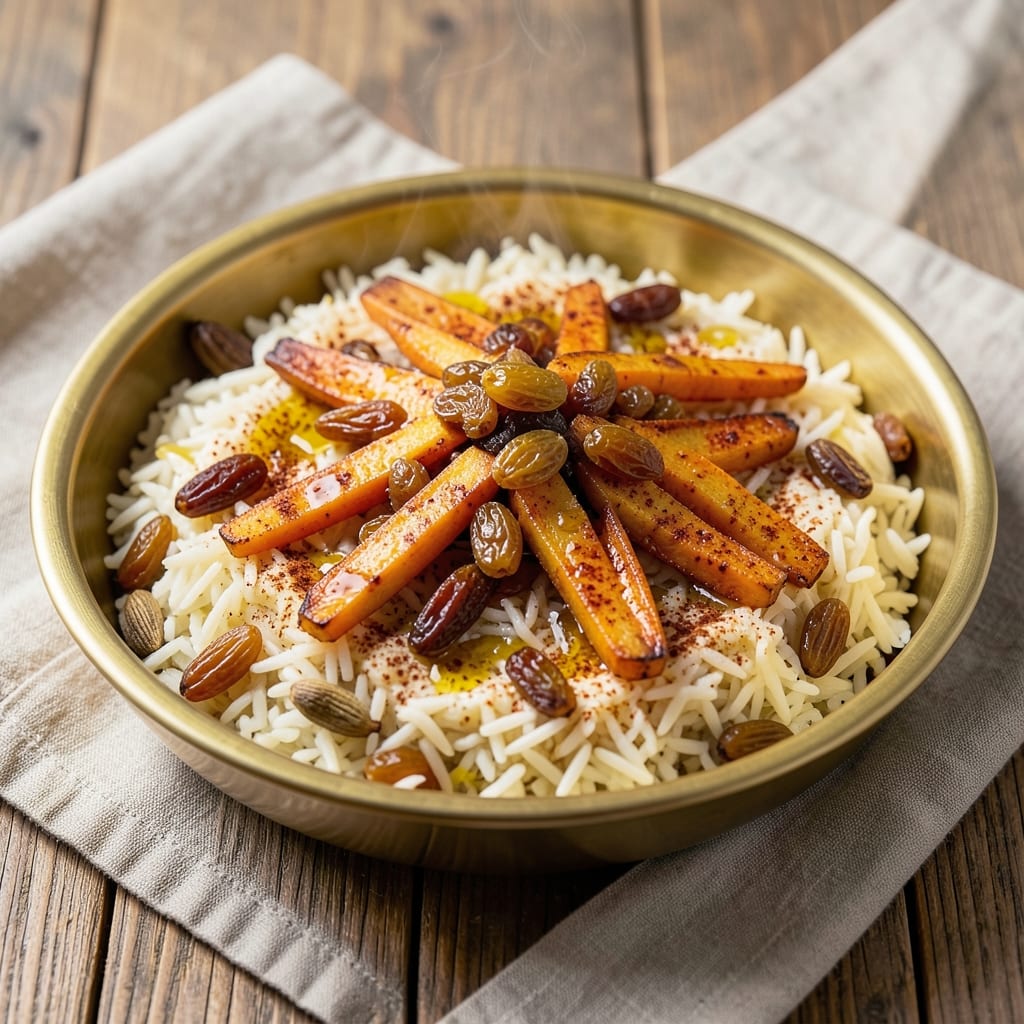
This Afghani rice recipe with carrots and raisins transforms simple ingredients into a fragrant, golden pilaf that balances sweet and savory flavors perfectly. The secret lies in slow-toasting whole spices like cardamom and cinnamon, which infuse the basmati rice with warm, aromatic depth before the carrots and raisins are folded in. I first discovered this dish during a trip to Kabul, where it was served alongside lamb—though it works beautifully as a standalone side or vegetarian main.
The dish relies on a few key techniques: parboiling the rice to lock in shape, layering spices gradually to avoid bitterness, and cooking the carrots until tender yet still holding their texture. Raisins add bursts of sweetness that contrast beautifully with the earthy carrots and nutty rice. What makes this recipe special is how the spices—saffron, turmeric, and cardamom—create a visual and aromatic spectacle that feels like a celebration in every bite.
By the time you serve this dish, your kitchen will smell like a bustling Afghan bazaar, and the rice will be perfectly tender with a slight crunch from the carrots and chewy raisins scattered throughout. The saffron-infused rice takes on a delicate golden hue, while the spices leave a lingering warmth on the palate. This is comfort food at its finest—simple yet sophisticated, and guaranteed to impress even if you're cooking for guests.
The beauty of this recipe is its versatility. Serve it alongside grilled meats, curries, or even as a hearty vegetarian meal with a dollop of yogurt and fresh herbs. The method is straightforward, but the result feels like a restaurant-quality dish. Let's get started on creating this fragrant, sweet-spiced pilaf that's as much about tradition as it is about flavor.
Ingredients for afghani rice recipe carrots raisins
Transform simple pantry staples into a fragrant Afghan masterpiece with these carefully chosen ingredients.
| Ingredient | Amount | Notes |
|---|---|---|
| Long-Grain Basmati Rice 🍚 | 1 ½ cups | Uncooked, rinsed thoroughly |
| Yellow Carrots 🥕 | 1 ½ cups | Medium, cut into 1/2-inch pieces |
| Golden Raisins 🍇 | ½ cup | Plump, not shriveled |
| Saffron Threads 🌼 | ⅛ tsp | High-quality, soaked in 1 tbsp warm water |
| Ground Turmeric 🌿 | ½ tsp | Freshly ground preferred |
| Ground Cinnamon 🌶️ | ½ tsp | Ceylon preferred for delicate flavor |
| Cardamom Pods 🌿 | 4 whole | Lightly crushed, seeds exposed |
| Black Cardamom Pods 🍃 | 1 whole | Optional, for deeper aroma |
| Ghee or Clarified Butter 🧈 | ½ cup | High smoke point preferred |
| Chicken or Vegetable Stock 💧 | 2 cups | Low-sodium, hot |
| Plain Yogurt 🥛 | ¼ cup | For serving, optional |
| Fresh Cilantro 🌿 | ¼ cup | Chopped, for garnish |
| Diamond Crystal Kosher Salt 🧂 | 1 ½ tsp | Adjust to taste |
| Ground Black Pepper 🌶️ | ¼ tsp | Freshly cracked |
The basmati rice is non-negotiable—look for Kasmiri or Indian-grown varieties at specialty stores like Whole Foods or Safeway's international section. The saffron should be Spanish or Iranian, with vibrant red stigmas—avoid powdered blends that lack depth. Carrots should be firm and sweet, not woody. For raisins, Golden Thompson from Trader Joe's delivers that perfect balance of sweetness without overpowering. The cardamom pods are where authenticity shines: Green cardamom from India (like MDH brand) has a more delicate flavor than the larger black pods, which add smokiness. Toast them lightly before crushing to release their oils—this is where the magic happens.
No saffron? Turmeric at double the amount gives color but lacks the floral notes. Substituting raisins? Chopped dried apricots or dates work, though texture changes. The ghee can be swapped for butter or neutral oil, but it adds that signature richness. For stock, low-sodium is key—homemade or high-quality brands like Pacific Foods elevate the dish. If you can't find Ceylon cinnamon, regular cassia works, but reduce to 1/4 tsp to avoid bitterness. The yogurt for serving should be plain, thick Greek yogurt—avoid flavored varieties that compete with the spices.
Store uncooked rice in an airtight container in a cool, dark place for up to 6 months. Once cooked, this pilaf keeps beautifully for 4-5 days in the fridge—reheat gently with a splash of water to restore moisture. For longer storage, freeze portions for up to 3 months. The saffron infusion is delicate; if making ahead, reserve the saffron water until reheating to preserve its vibrant color. Fresh cilantro should be wrapped in damp paper towels and stored in a sealed bag for 3-4 days—or freeze chopped cilantro in ice cube trays for later use.
Why You'll Love This Recipe
- One-Pot Magic: I swear by this recipe because it’s literally one pot—no fancy equipment, no stress. Just rice, carrots, raisins, and a splash of water, all simmering together until the saffron turns the whole thing golden. The basmati fluffs up perfectly on its own, and the carrots soften just enough to melt in your mouth.
- Sweet-Savory Balance: Here’s what sold me—the way the golden raisins plump up against the warm, earthy turmeric and the delicate saffron perfume. It’s not too sweet, not too savory—just that perfect harmony where every bite feels like a little celebration. (Yes, even on a Tuesday night.)
- Leftovers That Shine: This dish actually improves the next day. The flavors meld even more, and the rice stays fluffy if you refrigerate it right. I pack it for lunches all week—it’s hearty enough to stand alone or pair with grilled chicken. My kids grab it before I do, honestly.
- Budget Bright Spot: Between us, this recipe is my secret weapon for stretching a meal without breaking the bank. Carrots and raisins add color and texture for pennies, and a pinch of saffron makes it feel special. It’s the kind of dish that feels luxurious but costs next to nothing—perfect for when you want to impress but can’t afford to splurge.
Step-by-step instructions for fragrant saffron pilaf
This traditional Afghan rice dish transforms simple ingredients into a fragrant, aromatic masterpiece through precise technique and layered spices.
Prepare the Saffron Infusion and Toast Spices
Begin by soaking the 0.125 teaspoon saffron threads in 1 tablespoon warm water for 5 minutes to release their vibrant color and delicate flavor. This infusion will become the signature golden hue of your pilaf. In a small dry skillet over medium-low heat, lightly toast the 4 whole cardamom pods and 1 whole black cardamom pod for 30 seconds until fragrant. The aroma will fill your kitchen—this is your first indication the spices are ready.
Transfer the toasted pods to a mortar and gently crush them with a pestle to expose the aromatic seeds. This step ensures maximum flavor extraction when combined with the rice. Keep the crushed spices in a small bowl for the next step. The reason for toasting is to deepen the natural oils in the spices, which intensifies their flavor profile without bitterness.
Sauté Carrots and Build the Spice Base
In a heavy-bottomed pot with a tight-fitting lid, melt the 0.5 cup ghee or clarified butter over medium heat. Add the 1.5 cups yellow carrots cut into ½-inch pieces and sauté for 5 minutes until they begin to soften slightly. This initial cooking prevents the carrots from turning mushy during the longer rice cooking process.
Add the 0.5 teaspoon ground turmeric, 0.5 teaspoon ground cinnamon, and crushed cardamom spices to the pot. Stir continuously for 1 minute until the spices bloom and fill your kitchen with their warm, earthy aroma. The spices should coat the carrots evenly, creating a flavorful base for the rice. This step develops the foundational complexity of the dish.
Add Rice and Toast to Develop Nuttiness
Rinse the 1.5 cups long-grain basmati rice thoroughly under cold water until the water runs clear. This removes excess starch that would otherwise make the rice gummy. Add the drained rice to the pot and stir to coat each grain with the spiced ghee and carrot mixture. Increase heat to medium-high and toast the rice for 3-4 minutes, stirring frequently.
You'll notice the rice begins to turn translucent at the edges and releases a nutty aroma. This toasting step, known as "blooming" the rice, develops its characteristic texture and flavor. Pay close attention here—if the rice begins to brown too quickly, reduce the heat slightly. The goal is to achieve a light golden color without burning. This is where the magic happens for that perfect texture.
Add Stock and Saffron for Perfect Absorption
Pour in the 2 cups hot chicken or vegetable stock and the saffron infusion, stirring once to distribute evenly. Bring to a gentle boil, then immediately reduce heat to low, cover tightly with the lid, and simmer for 15 minutes. During this time, resist the urge to peek or stir—the rice needs undisturbed cooking to absorb the liquid evenly and develop its signature fluffy texture.
The key to perfect Afghan rice is maintaining a gentle simmer. You should see just a few bubbles at the edges when you lift the lid. If you notice steam escaping around the lid, reduce the heat slightly. After 15 minutes, turn off the heat and let the rice sit covered for 10 minutes. This resting period allows the steam to finish cooking the rice evenly and develop its characteristic texture.
Fluff and Garnish for Final Presentation
Using a fork, gently fluff the rice to separate the grains. Stir in the 0.5 cup golden raisins and 1.5 teaspoon diamond crystal kosher salt. The raisins should be evenly distributed throughout the rice, adding sweet contrast to the savory spices. Taste and adjust seasoning with additional salt or 0.25 teaspoon ground black pepper if needed.
Transfer the rice to a serving dish and garnish with 0.25 cup chopped fresh cilantro. The bright green color of the cilantro provides a beautiful contrast to the golden rice. Serve immediately with a dollop of 0.25 cup plain yogurt on the side for dipping. This dish is best enjoyed fresh while the spices are at their peak aroma and the rice maintains its perfect texture.
Pro Tips For Making Afghani Rice Recipe Carrots Raisins
- TOAST THE RAISINS: I learned this the hard way—raw raisins turn mushy and cloying in the rice. Heat them dry in a small pan over medium-low for 2-3 minutes until they smell like warm caramel. Then toss them into the rice just before serving so they stay plump and chewy.
- SIMMER SAFFRON LONG: Don’t just toss saffron threads into boiling water—they’ll bleed color but lose flavor. Instead, steep them in ¼ cup warm water for 10 minutes first, then stir into the rice. This extracts the full aroma without bitterness, and the rice gets that signature golden hue.
- COOK CARROTS HALF-DONE: Chop carrots into ½-inch chunks and parboil them for 3 minutes before adding to the rice. This softens them just enough to melt into the dish without turning to mush. Overcooked carrots make the rice taste like a sad, watery stew—no one wants that.
- USE A LID, THEN STEAM: After adding water to the rice, bring to a boil, then slap that lid on tight and reduce to the lowest heat you can stand. Let it sit for 15 minutes off the heat—this is where the rice absorbs liquid evenly. Peeking too early ruins the texture, so resist the urge.
Best sauces and condiments for this afghani rice recipe carrots raisins
Creamy Yogurt Sauce
This Afghan-inspired yogurt sauce adds a cooling contrast to the warm spices in your pilaf. Whisk together ½ cup plain Greek yogurt, 1 tbsp lemon juice, ½ tsp ground cumin, ¼ tsp salt, and 1 tbsp cold water to thin slightly. Garnish with 1 tbsp chopped fresh mint or cilantro for freshness. Serve as a dipping sauce or spoon over the pilaf just before eating to balance the rich flavors. 🥛
Spiced Carrot Relish
For an extra layer of texture, create a quick carrot relish by finely dicing ½ cup cooked carrots and tossing with 1 tbsp chopped pistachios, 1 tsp honey, and ½ tsp ground cinnamon. This sweet-spiced topping adds crunch and depth, complementing the soft rice. Sprinkle generously over the finished pilaf for a restaurant-worthy presentation. 🥕
Garlic-Tahini Drizzle
Elevate your dish with a tangy tahini drizzle by mixing 2 tbsp tahini, 1 tbsp lemon juice, 1 minced garlic clove, and 1 tsp water until smooth. Drizzle lightly over the pilaf just before serving to add nutty richness. For extra flair, sprinkle with toasted sesame seeds or crushed pistachios. This sauce works beautifully with vegetarian versions of the dish. 🌿
Lemon-Herb Oil
Brighten the dish with a zesty lemon-herb oil by combining ¼ cup olive oil, 1 tbsp fresh lemon juice, 1 tbsp chopped parsley, 1 tsp chopped dill, and a pinch of salt. Drizzle lightly over the pilaf or use to moisten the raisins before folding them into the rice. This adds a fresh, citrusy note that cuts through the richness. 🍋
Minted Cilantro Chutney
Blend ½ cup fresh cilantro, ¼ cup fresh mint leaves, 1 tbsp lemon juice, 1 tbsp olive oil, ½ tsp cumin seeds, and ¼ tsp salt until smooth. This vibrant green chutney adds a refreshing herbal note that pairs perfectly with the warm spices. Serve as a garnish or side sauce for dipping. 🌱
Nutrition facts
Frequently asked questions
Can I substitute raisins with other dried fruits?
Golden raisins work best for their mild sweetness, but you can swap them for dried apricots (chopped), dates (pitted and chopped), or even cranberries (for tart contrast). Just adjust the quantity to 0.5 cup total and soak dried fruits in warm water for 10 minutes before adding to soften them. Avoid overly sweet fruits like figs, which can overpower the dish.
Why does my Afghani rice turn out mushy?
Mushy rice usually happens from overcooking or insufficient toasting. First, ensure you're toasting the rice in ghee for 3-4 minutes before adding liquid—this builds flavor and texture. Second, use low heat after adding stock and never peek while cooking! If the rice still feels underdone after 15 minutes, add 2 tbsp broth and cook 5 more minutes. For extra insurance, rinse the rice 3 times before cooking to remove excess starch.
How can I make this vegetarian without losing flavor?
This dish is already vegetarian-friendly! Skip the chicken stock and use vegetable broth instead. For deeper umami, add 1 tbsp soy sauce or 1 tsp miso paste to the stock. Toast 1 tsp cumin seeds with the cardamom for extra warmth, and garnish with toasted almonds or pistachios for crunch. The caramelized onions and saffron will still create that rich, aromatic base.
What's the best way to reheat leftover Afghani rice?
Reheat gently to preserve texture: Spread 1 cup of cold rice on a microwave-safe plate with 1 tbsp water, cover with a damp paper towel, and microwave for 45 seconds. For stovetop reheating, cook over low heat with 2 tbsp broth for 3-4 minutes, stirring occasionally. Never reheat dry—this makes the rice rubbery. Add a pinch of saffron or cinnamon while reheating to revive the aroma.
Can I make this dish ahead of time?
Yes! This pilaf tastes even better the next day as flavors meld. Cook as directed, then let it cool completely. Store in an airtight container in the fridge for up to 4 days. When ready to serve, gently fluff with a fork and reheat with 1-2 tbsp broth over low heat for 3-4 minutes. The spices will intensify overnight, making the dish more aromatic. For parties, assemble the dish (without raisins) 2 hours ahead, then fold in raisins just before serving to keep them plump.