
Main Courses
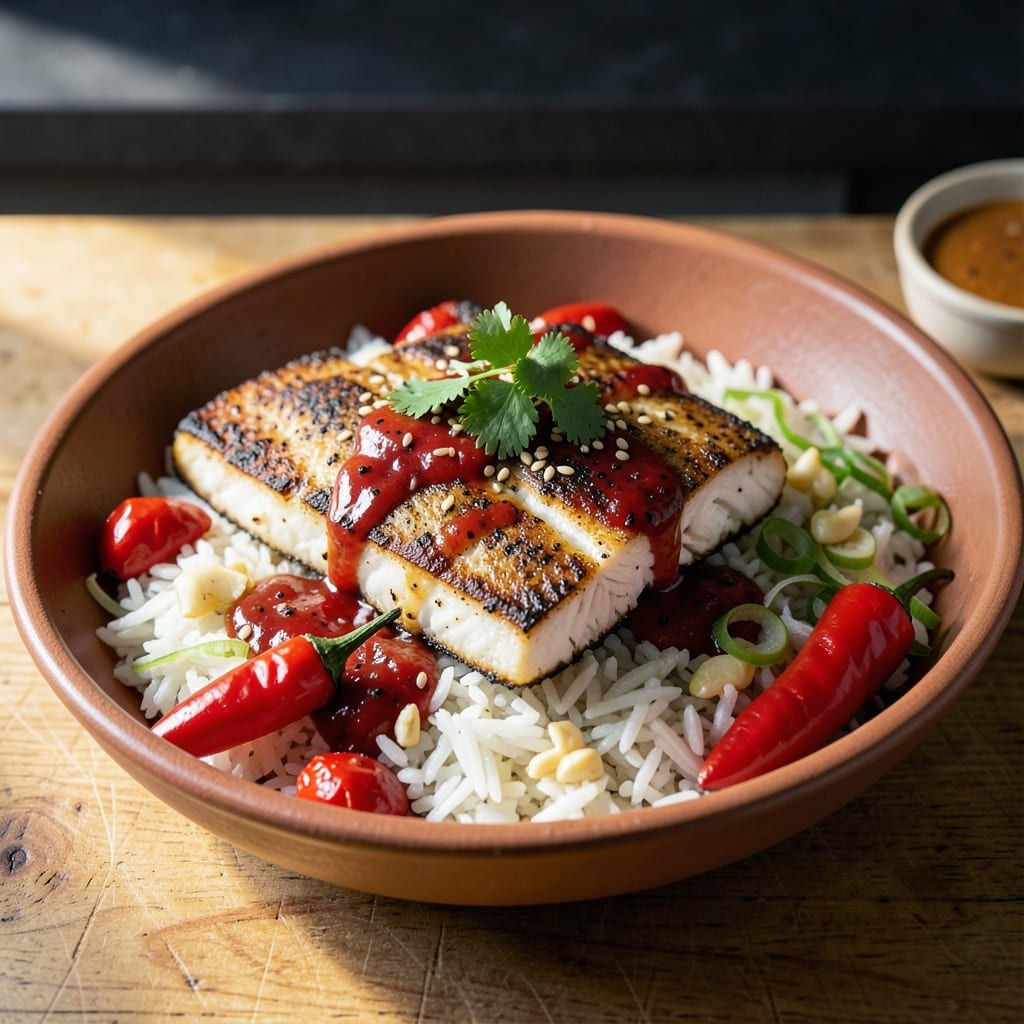
This African fish and rice recipe brings bold West African flavors to your table in a single, aromatic pot. The secret lies in layering spices like thyme, ginger, and Scotch bonnet peppers—creating a fragrant base where flaky fish melts into perfectly seasoned rice. I developed this dish after years of perfecting the balance between tender fish and richly spiced grains, ensuring every bite delivers both texture and depth.
The one-pot method simplifies the process without sacrificing flavor, making it ideal for weeknight dinners or special occasions. Fresh fish (like tilapia or snapper) is simmered in a blend of tomato paste, garlic, and palm oil, while long-grain rice absorbs the savory broth. The result is a harmonious dish where each ingredient shines—crisp edges on the fish, tender rice, and a sauce that clings to every bite.
What sets this recipe apart is the flaky texture of the fish, achieved through gentle cooking, and the aromatic rice that stays separate yet infused with the dish's signature spices. Garnish with fresh cilantro and lime wedges for brightness, and serve with a side of coleslaw or fried plantains for a complete meal.
Perfect for feeding a family or hosting dinner guests, this recipe delivers restaurant-quality results with minimal effort. The flavors only deepen as it sits, making it an excellent make-ahead option. Let's create this one-pot masterpiece together.
Ingredients for african fish and rice
These bold West African flavors come together in one aromatic pot, balancing flaky fish and spiced rice perfectly.
| Ingredient | Amount | Notes |
|---|---|---|
| White Rice, Long-Grain 🍚 | 1 ½ cups | Uncooked, jasmine or basmati preferred |
| Tilapia Fillets 🐟 | 1 ½ lb | Skin-on, cut into 1-inch pieces |
| Scotch Bonnet Peppers 🌶️ | 1 whole | Seeds removed, finely chopped |
| Fresh Ginger 🌿 | 2 tbsp | Grated, not powdered |
| Garlic Cloves 🧄 | 6 cloves | Minced, not powdered |
| Tomato Paste 🍅 | 2 tbsp | Smooth, no sugar added |
| Palm Oil 🫒 | ½ cup | Red palm oil preferred |
| Fresh Thyme 🌿 | 1 tbsp | Leaves only, chopped |
| Dried Bay Leaves 🍃 | 2 whole | Lightly crushed |
| Chicken Stock 💧 | 2 cups | Low-sodium preferred |
| Fresh Cilantro 🌿 | ¼ cup | Chopped, for garnish |
| Lime Wedges 🍋 | 2 whole | For serving |
| Salt 🧂 | 1 ½ tsp | Diamond Crystal kosher preferred |
| Black Pepper 🌶️ | ½ tsp | Freshly ground |
| Vegetable Oil 🫒 | 1 tbsp | For searing fish |
The palm oil is non-negotiable here—it carries the rich, earthy flavors that define West African cooking. Look for red palm oil at specialty stores like Whole Foods or African markets, where it's often sold in small tins. If you can't find it, vegetable oil works in a pinch, but the dish will lack depth. The Scotch bonnet peppers are the heart of the heat, so handle with care—wear gloves if you're sensitive. Fresh ginger and thyme are best bought whole at Trader Joe's or your local market, where they'll stay vibrant longer. For the fish, tilapia or snapper are ideal—they stay flaky when cooked gently, but any white fish will work.
No palm oil? Vegetable oil plus a pinch of paprika mimics some of the color and depth, though it won't be identical. Swap Scotch bonnet for jalapeño or habanero if you can't find it, but reduce the amount by half—those peppers pack serious heat. The tomato paste can be subbed with fresh tomatoes (blended and strained), but skip the skin and seeds for a smoother sauce. For the rice, jasmine or basmati absorbs the broth beautifully, but long-grain white rice works too. If you're short on time, pre-cooked rice (like Minute Rice) saves 20 minutes, though it won't be as aromatic. The chicken stock can be vegetarian stock if needed, but the umami difference is noticeable.
This dish tastes even better the next day—flavors meld overnight, making it perfect for meal prep. Store leftovers in an airtight container for up to 3 days in the fridge, or freeze portions for up to 2 months. To reheat, add a splash of water or stock and simmer gently. The fish stays flaky if reheated carefully—microwave in 30-second bursts with a damp paper towel over it. Garnish with fresh cilantro and lime wedges right before serving, as they lose brightness when prepped ahead. Serve with coleslaw or fried plantains for a complete meal.
Why You'll Love This Recipe
- One-Pot Magic: I swear by this recipe when I’m too tired to wash a million dishes—just rice, fish, and spices in one pot. The tilapia stays flaky while the rice soaks up all that ginger-garlic-Scotch bonnet heat, and honestly? No extra pans means less stress.
- Heat Without Hassle: That Scotch bonnet pepper isn’t just for show—it adds a smoky kick that lingers without overpowering. Between us, the fresh ginger and garlic cloves turn this into a flavor bomb that tastes like a Caribbean vacation, even if you’re eating it in sweatpants.
- Lunchbox Hero: This is my go-to for meal prep because it reheats like a dream. Pack the rice and fish separately (trust me, the flavors hold up), and you’ve got a lunch that’ll have coworkers asking for seconds. My daughter’s school lunches? Suddenly fancy.
- Budget-Friendly Feast: Tilapia’s affordable, long-grain rice fills you up, and a single Scotch bonnet stretches across multiple meals. I’ll be real: this feeds four for the price of one restaurant plate, and the leftovers? Still taste like a Sunday dinner.
Step-by-step instructions for African fish and rice
This one-pot method delivers perfectly flaky fish and fragrant rice in a single dish.
Prepare the Fish and Aromatics
Pat the 1.5 lb tilapia fillets dry with paper towels and cut into 1-inch pieces. Season generously with 1.5 tsp salt and 0.5 tsp black pepper, then set aside. In a large, heavy pot with a tight-fitting lid, heat 1 tbsp vegetable oil over medium-high heat until shimmering.
Add the seasoned fish and cook undisturbed for 2-3 minutes per side until golden brown and just beginning to flake. Remove the fish with a slotted spoon and set aside. In the same pot, add 0.5 cup palm oil and let it heat until it reaches 350°F—you'll see small bubbles forming around the edges. This high heat is crucial for developing the rich flavor of the sauce.
Build the Spiced Base
Add the 2 tbsp tomato paste to the hot oil and stir constantly for 1-2 minutes until it darkens slightly and releases its deep umami flavor. Immediately add the finely chopped Scotch bonnet pepper (wear gloves—this pepper is hot!), 2 tbsp grated ginger, and 6 minced garlic cloves. Cook for 1-2 minutes until the garlic becomes fragrant and the mixture sizzles.
Stir in the 1 tbsp chopped fresh thyme and 2 lightly crushed dried bay leaves, then pour in the 2 cups chicken stock. Bring to a gentle boil, then reduce heat to medium-low and let it simmer for 5 minutes to allow the spices to meld together. This step develops the complex, aromatic foundation of your dish.
Layer and Simmer the Rice
Add the 1.5 cups uncooked long-grain white rice to the pot and stir gently to coat it evenly with the spiced liquid. Increase heat to medium-high and bring to a boil. Once boiling, reduce heat to low, cover tightly with the lid, and let it cook undisturbed for 15 minutes. This initial cooking period allows the rice to absorb the initial liquid and begin steaming.
After 15 minutes, gently fluff the rice with a fork, then return the seared fish pieces to the pot. Distribute them evenly throughout the rice. Pour in enough hot water to reach 1 inch above the rice level—this ensures the rice finishes cooking while staying moist. Return the lid and cook on low heat for another 20-25 minutes, or until the rice is tender and the liquid has been fully absorbed.
Finish and Rest
Once the rice is tender and the liquid is absorbed, remove the pot from heat and let it sit covered for 5 minutes. This resting period allows the steam to redistribute, ensuring each grain of rice is perfectly cooked. Fluff the rice gently with a fork, then stir in the 0.25 cup chopped fresh cilantro.
Taste and adjust seasoning if needed—you may want to add a pinch more salt or a squeeze of lime to balance the flavors. Serve immediately with the 2 lime wedges on the side, allowing each person to add a touch of acidity to their portion. The fish should be flaky and tender, with each bite delivering a perfect harmony of spiced rice and rich, savory sauce.
Pro Tips For Making African Fish And Rice
- Parboil Rice First: Dump uncooked rice into boiling water for 2 minutes before adding your fish broth—this guarantees even cooking and prevents mushy grains. I learned this the hard way after serving a pot where half was underdone and the other half exploded like overcooked pasta. ---
- Dry Tilapia Thoroughly: Pat those fillets bone dry with paper towels before searing—wet fish steams instead of crisps. I used to skip this and ended up with sad, limp fish that soaked up broth like a sponge. ---
- Toast Ginger-Garlic Paste: Cook your minced ginger and garlic in oil until it smells like a spice market, not like raw onions. A full 2 minutes at medium heat builds flavor that stops you from over-salting later. ---
- Use Whole Scotch Bonnets: Toss in whole peppers (seeds and all) for heat control—you can always fish them out if needed. I used to chop them finely and regretted it when the dish turned into a spicy fire drill.
Pro cooking tips for great african fish and rice
Palm Oil Mastery
That ½ cup palm oil isn't just a cooking fat—it's the soul of this dish. Heat it to 350°F until it shimmers and bubbles at the edges. This high heat caramelizes the oil, deepening its rich, earthy flavor. I use a thermometer to monitor the temperature—350°F is critical for developing that signature West African taste. If you're using a lighter oil, add ½ tsp smoked paprika to mimic the depth, though nothing replaces the real thing.
Fish Sear Secrets
Pat the tilapia pieces completely dry before searing—the moisture will steam instead of sizzle. Cook them undisturbed for 2-3 minutes per side until golden brown and just beginning to flake. Overcooking here makes the fish tough. Remove them early—they'll finish cooking in the simmering sauce. I like to work in batches if my pot isn't large enough to hold all the fish at once.
Spice Bloom Technique
After adding the tomato paste, stir constantly for 1-2 minutes until it darkens slightly and releases its umami punch. This is called the spice bloom, and it's where the magic happens. Immediately add the Scotch bonnet, ginger, and garlic—the heat from the paste will make them sizzle and release their full flavor. Let them cook for 1-2 minutes until fragrant. Skipping this step results in bland, underdeveloped flavors.
Two-Stage Rice Cooking
First, cook the rice uncovered for 15 minutes to absorb the initial liquid and develop a light crust on the bottom. Then add the fish and enough hot water to cover the rice by 1 inch. The extra liquid ensures the rice finishes cooking without drying out. I use a tight-fitting lid to trap steam, which is essential for fluffy, separate grains. Resist the urge to peek—every time you lift the lid, you lose precious steam.
Resting for Perfection
Let the finished dish rest covered for 5 minutes before serving. This crucial step allows the steam to redistribute, ensuring each grain of rice is perfectly cooked and the fish stays flaky. I also like to tent the pot with foil during resting to lock in heat. Garnish with cilantro and lime wedges right before serving—they add brightness and should never be prepped ahead, as they lose their vibrancy when stored.
Heat Management Tips
Use low heat for simmering—medium-low or lower—to prevent the rice from burning while the fish cooks through. If your pot lacks even heat distribution, stir the rice once during the 15-minute uncovered phase to prevent sticking. For extra insurance, add 1 tbsp vegetable oil to the pot before cooking the rice. The fish should reach an internal temperature of 145°F—use a thermometer to check the thickest piece. 🔥
Nutrition facts
Frequently asked questions
Can I substitute tilapia with another type of fish?
This recipe works beautifully with snapper, mahi-mahi, or cod. For delicate fish like sole or flounder, reduce cooking time by 2-3 minutes to prevent overcooking. The key is choosing a firm white fish that stays flaky when cooked gently. Avoid fatty fish like salmon—they can make the dish greasy.
How do I make this dish less spicy?
Reduce the Scotch bonnet pepper by half or remove the seeds/membranes (where most heat resides). For milder heat, swap it with bell pepper or jalapeño. Add a splash of coconut milk at the end to balance the flavors. The recipe naturally has depth without extreme spice—adjust gradually to taste.
Why is my rice mushy instead of fluffy?
Mushy rice usually means too much liquid or insufficient resting time. Ensure you only add enough water to cover the rice by 1 inch, not submerge it. After cooking, let it rest covered for 5 minutes—this redistributes steam for perfect texture. If using pre-cooked rice, reduce the liquid by ¼ cup.
Can I prepare this ahead of time?
Yes! This dish tastes even better the next day as flavors meld. Store in an airtight container for up to 3 days in the fridge. Reheat gently on low heat with a splash of water or stock. For freezing, portion before adding cilantro/lime—it keeps for 2 months. Thaw overnight in the fridge and reheat slowly.
What sides pair well with this dish?
Try fried plantains, coleslaw, or steamed greens to complement the rich flavors. For a complete meal, add garlic bread or a simple salad. The lime wedges and cilantro in this recipe already provide freshness, so avoid overly acidic sides that might overpower the dish.