
Main Courses
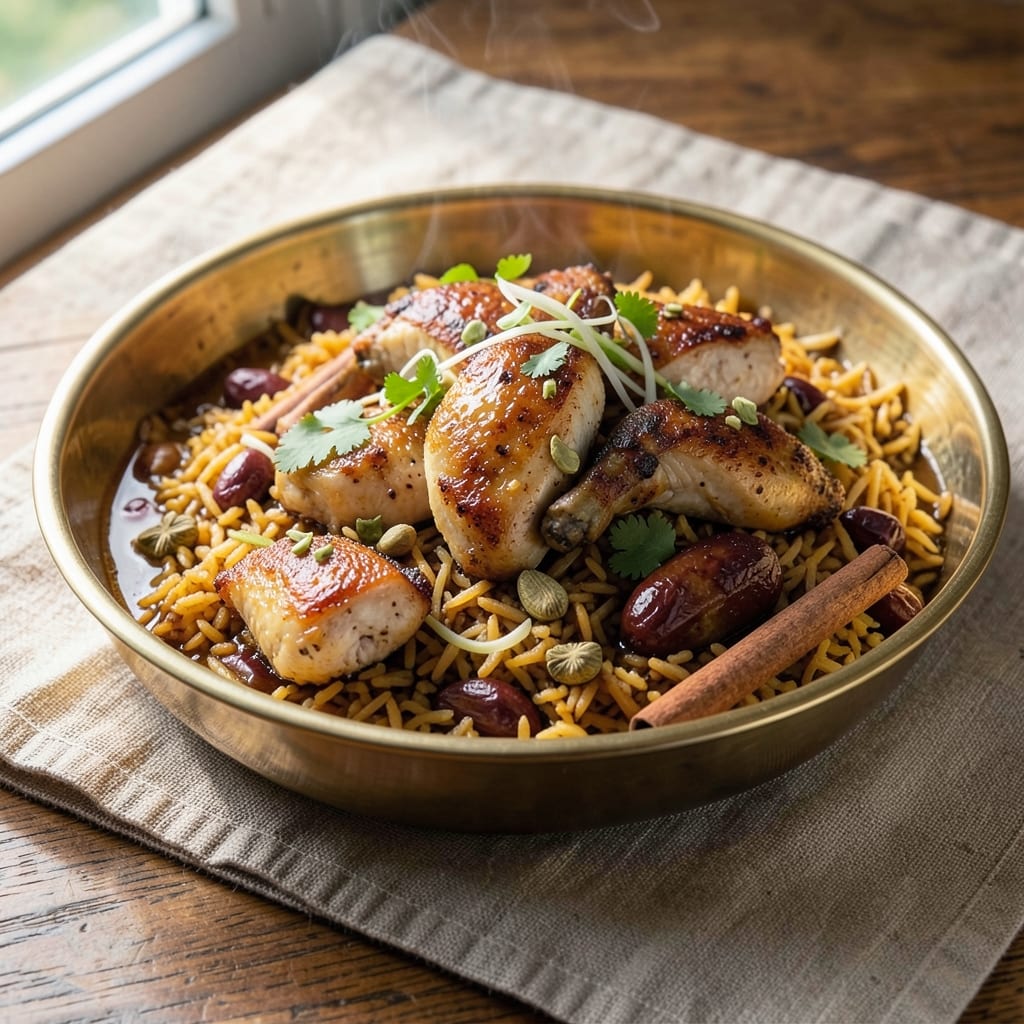
This African pilau rice recipe transforms simple ingredients into a fragrant, one-pot masterpiece where toasted spices and tender grains create a dish worthy of celebration. The secret lies in slow-cooking whole spices until they release their deep, aromatic oils—cinnamon, cardamom, and cloves—while the rice absorbs rich broth and protein into perfect, slightly sticky grains. I first made this during a family gathering when we needed a dish that felt special without hours of prep, and it became an instant favorite.
The beauty of pilau is its versatility—whether you use chicken, lamb, or even fish, the technique remains the same: parboil the rice, layer in spices, and let everything simmer until flavors meld. The result is a dish that's both comforting and impressive, with each bite offering a balance of smoky warmth from the spices and tender protein. This method also works beautifully for meal prep, keeping its flavors vibrant for days.
What sets this recipe apart is the attention to texture: the rice stays distinct yet clings together just enough, while the protein becomes melt-in-your-mouth tender. Serve it with a simple salad or roasted vegetables to highlight its rich flavors, or pair it with flatbread for a complete meal. The aroma alone will have everyone at the table asking what's for dinner.
For authenticity, toast your whole spices in oil until fragrant—this step is non-negotiable for that signature depth. Using broth instead of water adds another layer of richness, and a final sprinkle of fried onions or fresh herbs elevates the dish to restaurant-quality. Let's get cooking—this is the kind of meal that turns weeknights into celebrations.
Ingredients for african pilau rice
Toasted spices and tender grains—this is your weeknight celebration in one pot.
| Ingredient | Amount | Notes |
|---|---|---|
| Basmati Rice 🍚 | 1 ½ cups | Long-grain, uncooked preferred |
| Chicken Thighs 🍗 | 1 ½ lb | Bone-in, skin-on preferred |
| Chicken Broth 💧 | 3 cups | Homemade or quality low-sodium |
| Whole Cinnamon Sticks 🌿 | 2 pieces | 1-inch lengths for toasting |
| Green Cardamom Pods 🌿 | 6 whole | Lightly crushed before toasting |
| Cloves 🌶️ | 4 whole | Whole, not ground |
| Black Cardamom Pods 🌿 | 2 whole | Optional for smoky depth |
| Bay Leaves 🌿 | 2 whole | Fresh preferred |
| Onions 🧅 | 1 whole | Yellow or red, sliced thin |
| Garlic Cloves 🧄 | 4 cloves | Minced after toasting |
| Extra-Virgin Olive Oil 🫒 | ¼ cup | For toasting spices |
| Salt 🧂 | 1 ½ tsp | Kosher or sea salt |
| Fresh Cilantro 🌿 | ¼ cup | Chopped, for garnish |
| Lemon Juice 🍋 | 1 tbsp | Freshly squeezed |
The spices are non-negotiable for that signature aroma. Whole spices release their oils best when toasted—hit up the bulk section at Whole Foods or Indian grocery stores for the freshest cardamom and cinnamon. If you can't find black cardamom, skip it—it's just for extra smokiness. Toast them in olive oil until fragrant (about 2 minutes), then crush lightly. The rice? Basmati is key here—it stays separate but clings just enough. Rinse it before cooking to remove excess starch, or the grains will turn mushy. For broth, homemade is ideal, but Swanson or Pacific Foods low-sodium versions work in a pinch.
No chicken? Lamb or fish works just as well—just adjust cooking time. Short on cardamom? Allspice berries at half the amount give a similar warmth. The onions should be thinly sliced so they caramelize nicely. If you're prepping ahead, cook the rice separately and reheat with the spices later to keep it from getting gummy. For extra richness, stir in a spoonful of Greek yogurt or coconut milk at the end. And if you're feeling fancy, fry up some onions in ghee for a final garnish—trust me, it's worth it.
This keeps beautifully for 4-5 days in the fridge, with flavors deepening over time. Freeze for up to 3 months if you're prepping for a crowd. I always make double batches—leftovers reheat perfectly and make for amazing lunches. Store in an airtight container with the lid slightly ajar to prevent sogginess. The rice texture is best when reheated gently with a splash of water or broth. Garnish with fresh cilantro and lemon juice right before serving—brightens up the whole dish.
Why You'll Love This Recipe
- One-Pot Magic: I swear by this when I’m too tired to wash dishes—just brown the chicken, toss in the whole spices (cinnamon sticks and cardamom pods do the work), add rice and broth, and walk away. The fragrance alone tells me dinner’s handled.
- Spice Bomb Perfection: That first whiff of toasted cinnamon and cardamom hitting the broth? It’s like a warm hug for your taste buds. The chicken stays juicy, the rice fluffs up with just the right bite, and honestly? It’s the kind of dish that makes you want to eat it straight from the pot.
- Lunchbox Hero: Between us, this is my go-to for meal prep. The flavors only get better the next day—pack it in containers, and it’s a hit at work or picnics. (Yes, even on a Tuesday.) The rice holds up, the chicken stays tender, and no one complains about leftovers.
- Budget-Friendly Feast: Chicken thighs and basmati rice stretch for days, and the spices cost next to nothing. I’ve fed six people for under $15 with this—plus, the leftovers reheat like a dream. It’s the kind of recipe that makes grocery day feel like a win.
Step-by-step instructions for African pilau rice
Here's how to create fragrant, golden pilau rice with toasted spices and tender chicken in one pot.
Toast the Spices Until Aromatic
Heat the 0.25 cup extra-virgin olive oil in a large, heavy-bottomed pot over medium heat. Add the 2 pieces whole cinnamon sticks, 6 whole green cardamom pods (lightly crushed), 4 whole cloves, 2 whole black cardamom pods, and 2 whole bay leaves. Toast for 2-3 minutes until the spices begin to sizzle and release their fragrance.
Watch closely—you want the spices to smell deeply aromatic but not burn. The oil should shimmer around the spices, and you'll see tiny bubbles forming. This toasting step is what gives pilau its signature depth of flavor. If the spices start to darken too quickly, reduce the heat slightly.
Sear the Chicken and Sauté the Aromatics
Push the spices to one side of the pot and add the 1.5 lb chicken thighs, skin-side down. Sear for 4-5 minutes until the skin is golden brown and crispy. Flip the chicken and cook for another 3-4 minutes until fully browned. Remove the chicken and set aside, leaving the rendered fat in the pot.
In the same pot, add the 1 whole onion (sliced thin) and cook for 3-4 minutes until softened and golden. Add the 4 cloves garlic (minced) and cook for 30 seconds until fragrant. This step builds layers of flavor that will infuse the rice and broth throughout cooking.
Add Rice and Toast Lightly
Return the chicken to the pot and add the 1.5 cups basmati rice, stirring to coat the grains lightly in the oil and spices. Toast the rice for 1-2 minutes until it becomes translucent at the edges. This brief toasting enhances the nutty flavor of the rice and prevents it from becoming mushy.
Here's the thing—don't stir constantly. Let the rice sit undisturbed for brief moments so it develops a slight golden color. You'll see the grains begin to separate slightly, which is exactly what you want for that perfect pilau texture.
Simmer with Broth and Spices
Pour in the 3 cups chicken broth and add the 1.5 tsp salt. Bring to a gentle boil, then reduce heat to low, cover the pot with a tight-fitting lid, and simmer for 15 minutes. After 15 minutes, check the rice—it should be tender but still have a slight bite.
If the rice isn't quite done, add ¼ cup water at a time and continue simmering for another 5-10 minutes. The key is to keep the heat low and steady. You want the rice to absorb all the liquid without turning mushy. The chicken should also be fully cooked at this point—it should pull away from the bone easily.
Rest and Finish with Fresh Herbs
Once the rice is tender and the liquid has been absorbed, turn off the heat and let the pilau rest, covered, for 10 minutes. This resting period allows the flavors to meld together and the rice to finish cooking evenly in its own steam.
After resting, fluff the rice gently with a fork, then stir in the 0.25 cup fresh cilantro and 1 tbsp lemon juice. The cilantro adds a bright, fresh contrast to the rich, spiced rice, while the lemon juice cuts through the richness and adds a tangy finish. Serve immediately with the chicken and any accumulated juices spooned over the top for maximum flavor.
Pro Tips For Making African Pilau Rice
- TOAST YOUR SPICES FIRST: Crack open those cinnamon sticks and cardamom pods, then dry-toast them in the same pot you’ll cook the chicken—just until they smell like a spice shop. I used to skip this, and the flavor was always half-hearted; now it’s the backbone of the dish. Do this over medium heat for 2-3 minutes, stirring occasionally, or you’ll burn them faster than you can say "pilau fail."
- PARBOIL THE RICE: Rinse your basmati rice until the water runs completely clear, then boil it in salted water for 5 minutes before adding it to the chicken broth. This step locks in the grains’ integrity so they don’t turn mushy—especially important when you’re layering in all those spices later. Trust me, your rice will thank you (and so will your taste buds).
- DON’T SKIP THE REST: After the chicken and rice cook together, let the whole pot sit off the heat for 10 minutes, covered with a tight lid. I know, I know—you’re hungry now—but this lets the steam redistribute, giving you fluffy, separate grains instead of a sticky mess. Yes, even if you’re impatient like me.
- USE THICK THIGHS, NOT BREASTS: Chicken thighs stay juicy and crisp up beautifully, while breasts dry out faster than a desert afternoon. If you’re using bone-in thighs, leave the skin on for extra flavor—just score it first so it renders properly. And for the love of pilau, don’t crowd the pan when browning them; give them space to develop that golden crust.
Perfect pairings for this african pilau rice
Spiced Yogurt Sauce
This cooling sauce balances the pilau's warmth perfectly. Mix ½ cup plain Greek yogurt with 1 tsp ground cumin, ½ tsp grated ginger, 1 tbsp lemon juice, and a pinch of salt. For extra depth, add 1 tsp chaat masala or a pinch of Kashmiri red chili powder. Serve on the side for dipping or spoon over the pilau before serving. 💛
Cucumber-Mint Salad
A crisp, refreshing salad cuts through the richness of the pilau. Thinly slice 1 English cucumber and toss with ¼ cup chopped mint leaves, 2 tbsp olive oil, 1 tbsp rice vinegar, and a pinch of salt. The cool, fresh flavors complement the aromatic spices beautifully. I often add ¼ cup diced red onion for a slight bite.
Flatbread Pairings
Serve with warm, fluffy flatbreads like naan or roti to soak up the flavorful juices. For extra authenticity, use store-bought Tandoori naan from the Indian section of your grocery store. If you're feeling ambitious, make garlic naan by brushing flatbread with garlic butter and toasting until golden. 🔥
Spiced Pickled Onions
Add a tangy crunch with quick-pickled onions. Thinly slice ½ red onion and soak in ½ cup vinegar, 1 tsp sugar, and ½ tsp mustard seeds for at least 30 minutes. The acidity brightens the dish and adds texture. I like to sprinkle these over the pilau right before serving for a pop of color and flavor.
Herbed Labneh
For a creamy, herby contrast, blend ½ cup labneh (strained yogurt) with 2 tbsp chopped dill, 1 tbsp chopped parsley, 1 tsp olive oil, and a pinch of salt. Serve as a side or dollop on top of the pilau. The tangy, creamy texture pairs beautifully with the spiced rice and chicken. 🌿
Chai Tea Pairing
Finish the meal with a warm cup of masala chai to enhance the pilau's aromatic spices. Brew black tea with ½ tsp ground cinnamon, ¼ tsp cardamom, 1 star anise pod, and 1-inch ginger per cup. The warmth of the tea complements the dish's rich flavors perfectly. For a caffeine-free option, try rooibos chai with the same spices.
Nutrition facts
Frequently asked questions
Can I use ground spices instead of whole spices for this African pilau?
While you can use ground spices in a pinch, whole spices create the signature aromatic depth. Toasting whole spices releases their essential oils, which infuse the dish with complex, layered flavors that ground spices can't replicate. If you must use ground spices, add them directly to the broth after toasting the aromatics—just reduce the amount by half (e.g., ½ tsp ground cinnamon instead of 2 whole sticks).
How do I adjust this recipe for a vegetarian version?
Replace the chicken with 1 cup chickpeas (soaked overnight) or 1 block firm tofu (pressed and cubed). For extra richness, add ½ cup coconut milk to the broth. Use vegetable broth instead of chicken broth, and consider adding 1 cup diced sweet potatoes or 1 zucchini for texture. The cooking time remains the same, but check the chickpeas/tofu for tenderness at 12 minutes.
Why did my pilau turn out mushy instead of fluffy?
Mushy rice usually happens from overcooking or stirring too much. Always use low heat and avoid peeking under the lid—steam is what cooks the rice evenly. If the rice absorbs all liquid too quickly, add ¼ cup water at a time during cooking. Also, rinse the basmati rice before cooking to remove excess starch, which causes gumminess. For extra insurance, use a heavy-bottomed pot to prevent scorching.
Can I make this pilau in an Instant Pot or rice cooker?
Yes! For an Instant Pot, sauté the spices and chicken as directed, then add rice, broth, and salt. Seal and cook on high pressure for 8 minutes, followed by a 10-minute natural release. For a rice cooker, follow the same steps but use low heat and check the rice at 15 minutes, adding water as needed. The key is to avoid overcooking—pilau should have a slight bite when done.
What's the best way to reheat leftover pilau?
Reheat gently to avoid drying out the rice. Use the steam method: Place the pilau in a pot with a tight lid, add 2-3 tbsp water or broth, and heat on low-medium for 5-7 minutes. For microwave reheating, cover with a damp paper towel and heat in 30-second intervals, stirring between each. Never reheat uncovered—this causes the rice to turn rubbery. Garnish with fresh cilantro and lemon juice after reheating for brightness.