
Main Courses
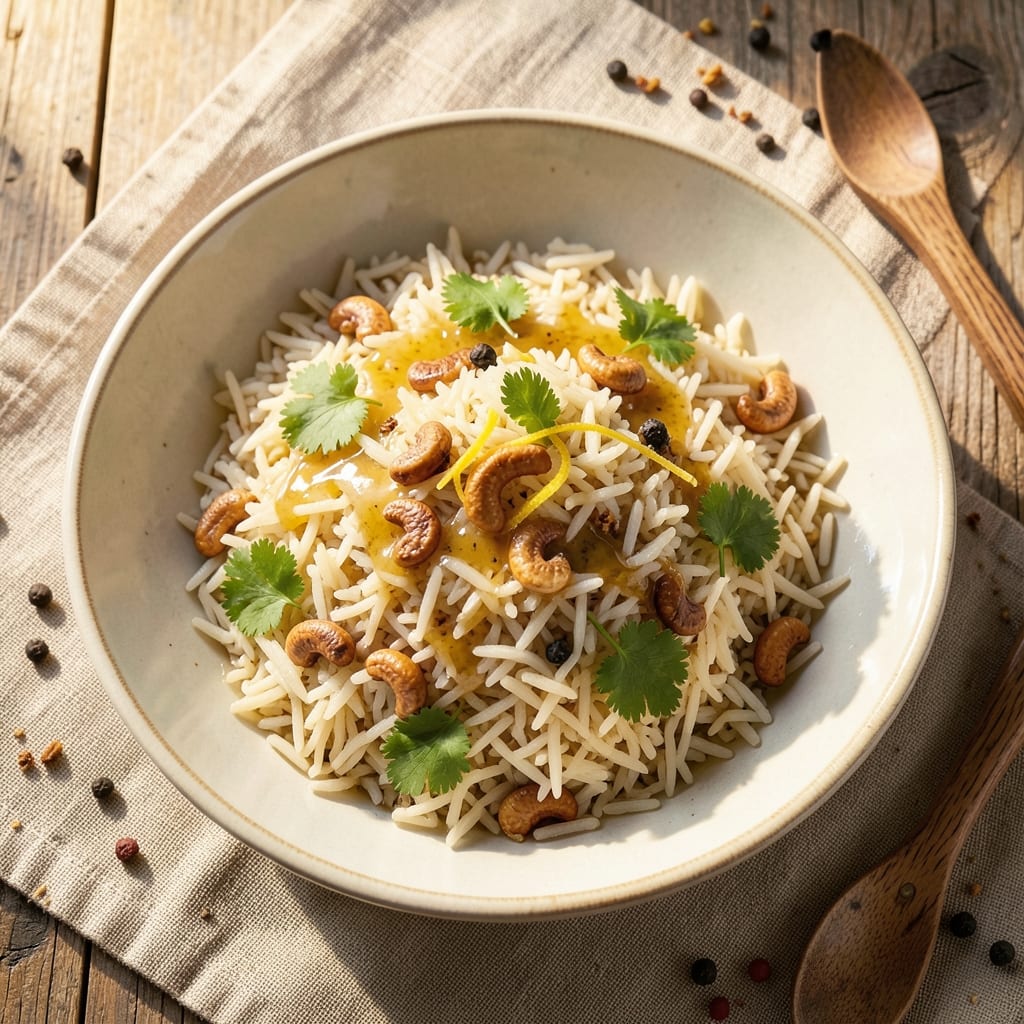
Aged basmati rice transforms ordinary meals into something extraordinary with its nutty depth and signature fluffiness. This technique—soaking rice before cooking—unlocks its full potential, creating grains that stay separate yet tender, with an aromatic richness that elevates any dish. The key lies in patience and precision, a method perfected over generations but simplified for home cooks today.
Unlike quick-cook rice, aged basmati requires a 30-minute soak in warm water before parboiling, which breaks down starches for that coveted texture. The result? Each grain develops a delicate crunch while absorbing flavors beautifully, whether paired with curries, pilafs, or used as a standalone side. This approach ensures no mushy centers or uneven cooking—just restaurant-quality rice every time.
The process is straightforward: soak, parboil, steam, and rest. The 15-minute parboil jumpstarts cooking, while the final 10-minute steam finishes the grains to perfection. Garnish with toasted nuts, herbs, or a drizzle of ghee for extra depth. The aroma alone will have everyone at the table asking for seconds.
Perfect for weeknight dinners or special occasions, this rice adapts effortlessly to any cuisine. Use it as a base for biryanis, a bed for grilled meats, or a simple side with roasted vegetables. The secret to mastering aged basmati lies in the details—timing, hydration, and a touch of patience. Let’s get started.
Ingredients for aged basmati rice
Premium aged basmati rice and aromatic spices create restaurant-quality texture with minimal effort.
| Ingredient | Amount | Notes |
|---|---|---|
| Aged Basmati Rice 🌾 | 1 cup | Uncooked, premium quality preferred |
| Water 💧 | 2 cups | Room temperature for even hydration |
| Ghee or Clarified Butter 🧈 | 1 tbsp | For aromatic richness (optional) |
| Salt 🧂 | ½ tsp | Diamond Crystal preferred for purity |
| Toasted Cashews 🥜 | ¼ cup | For garnish, lightly browned |
| Fresh Cilantro 🌿 | ⅛ cup | Chopped, for brightness |
| Garlic Cloves 🧄 | 2 cloves | Minced for aroma infusion |
| Lemon Juice 🍋 | 1 tbsp | Freshly squeezed for acidity |
| Bay Leaves 🍃 | 1 whole | For subtle earthy depth |
| Cardamom Pods 🌶️ | 2 whole | Lightly crushed for fragrance |
| Black Peppercorns 🌶️ | ¼ tsp | Freshly cracked for heat |
| Cumin Seeds 🌿 | ¼ tsp | Toasted for nutty notes |
The aged basmati rice is non-negotiable for this technique—look for brands like Tilda or Patiala at specialty stores or Indian grocers. These varieties have been cured for months, ensuring that signature nutty aroma and separation. Whole grains are ideal; avoid pre-cut or parboiled rice. For the spices, Penzeys Spices offers high-quality whole spices, but bulk bins at Whole Foods or Indian markets provide excellent alternatives at lower costs. The ghee should be pure, with no additives—Gowardhan or Organic India brands excel in this regard. Toast your whole spices (cumin, cardamom) in a dry pan for 30 seconds before adding to water to maximize their aromatic potential.
No aged basmati? Jasmine rice works in a pinch, though texture will differ slightly—expect a stickier result. Substitute ghee with olive oil for a neutral base, though it lacks the same depth of flavor. Fresh herbs can be swapped for dried equivalents at one-third the amount, but the brightness will diminish. For those avoiding dairy, vegan ghee (made from coconut oil) performs admirably. The bay leaves and cardamom can be omitted if unavailable, but their earthy notes complement the rice beautifully. When measuring water, 1.5 cups per cup of rice is the golden ratio for this method—adjust slightly based on your rice's absorption rate.
Store uncooked rice in an airtight container in a cool, dark place for up to 6 months. Once cooked, keep refrigerated for 4-5 days or freeze for 3 months in portion-sized containers. For optimal freshness, rinse the rice immediately after cooking and spread it on a tray to cool—this prevents clumping. Garnishes like toasted cashews and cilantro should be added just before serving to preserve their vibrant flavors. The rice reheats beautifully in a steamer or microwave with a splash of water for 2-3 minutes, maintaining its signature fluffiness.
Why You'll Love This Recipe
- Here’s what sold me: this rice tastes just as good reheated as it does fresh. I’ll make a big batch on Sunday, and by Wednesday, no one’s complaining about “leftovers”—because it’s still ridiculously good. Bonus? The cashews stay crunchy, so it never feels like a repeat.
- Four-Ingredient Magic: I swear, this is the kind of dish where I just toss in rice, water, a pat of ghee, and toasted cashews—no fancy chopping, no side dishes to stress over. The aged basmati does all the heavy lifting, soaking up that nutty ghee like a sponge while the cashews add crunch without a single extra bowl to wash.
- Nutty, Golden Perfection: Between us, the first time I made this, I nearly burned the ghee—then realized the smoky aroma was part of the charm. That rich, toasted cashew flavor mixed with the aged rice’s deep nuttiness? It’s the kind of simple dish that tastes like you spent hours cooking, even though you didn’t.
- Lunchbox Hero: I pack this cold the next day, and it’s still the star of my work lunch. The ghee keeps it moist, the cashews add texture, and honestly? It’s way more exciting than sad desk salads. (Yes, even on a Tuesday.)
Step-by-step instructions for perfectly cooked aged basmati rice
Mastering this aromatic rice delivers nutty depth and fluffy texture every time—here's the precise method.
Toast the Spices for Maximum Flavor
In a dry skillet over medium heat, toast the cumin seeds for 30 seconds until fragrant and lightly golden. Add the black peppercorns and toast for another 20 seconds—you'll smell their warm, earthy aroma intensify. Immediately transfer these toasted spices to a small bowl and set aside.
Next, add the bay leaves and cardamom pods (lightly crushed between your palms) to the same skillet. Toast for 15 seconds until the cardamom releases its floral perfume. Remove from heat and let cool for 2 minutes—this prevents them from releasing bitterness into the cooking water.
Infuse the Ghee with Aromatics
In a medium saucepan with a tight-fitting lid, melt the 1 tablespoon ghee or clarified butter over medium-low heat. Add the 2 minced garlic cloves and sauté for 30 seconds until golden and fragrant—don't let them brown or they'll turn bitter. Remove from heat and stir in the toasted spices you prepared earlier.
This ghee infusion creates the aromatic base for your rice. The spices will steep in the fat, transferring their complex flavors directly to each grain. Keep the pan off heat while you prepare the rice—you want the ghee to remain warm but not cooking.
Cook the Rice to Perfect Al Dente
Add the 1 cup aged basmati rice to the saucepan with ghee and stir to coat each grain evenly. Pour in the 2 cups room temperature water and add the 0.5 teaspoon salt. Bring to a gentle boil over medium-high heat, then immediately reduce to low heat.
Cover tightly with the lid and simmer for 12 minutes without lifting it. The steam will build pressure, cooking the rice evenly. After 12 minutes, turn off the heat and let the rice sit covered for 10 minutes. This resting period allows the grains to absorb any remaining moisture and develop their signature fluffy texture.
Finish with Acid and Garnish
After resting, remove the lid and gently fluff the rice with a fork. Stir in the 1 tablespoon freshly squeezed lemon juice—this brightens the dish and prevents the grains from becoming gummy. The rice should be tender but still have a slight bite, with no liquid remaining.
For serving, transfer to a platter and garnish with the 0.25 cup toasted cashews and 0.125 cup chopped fresh cilantro. The cashews add crunch while the cilantro provides a vibrant contrast. Each grain should be distinct, separate, and infused with the nutty aroma of aged basmati.
Pro Tips For Making Aged Basmati Rice
- Soak the Rice Properly: I learned this the hard way—skipping the soak and expecting aged basmati to behave like regular rice is a recipe for mush. Soak it in twice its volume of cold water for at least 30 minutes (up to 2 hours if you’re really impatient). The starches soften just enough to prevent clumping, and the grains stay distinct—no one likes a gluey pile. Drain thoroughly afterward; wet rice steams into a sad, sticky mess.
- Toast the Cashews First: Sounds obvious, but I’ve seen people toss raw cashews into the pot and wonder why they taste bland. Toast them in a dry pan over medium heat for 3-4 minutes until they’re fragrant and just starting to brown—then set aside. This step makes a real difference: the nuttiness pops, and the texture contrasts perfectly with the fluffy rice. Pro move: crush a few lightly with the back of a spoon for extra crunch.
- Use a 1:1.5 Ratio: Aged basmati absorbs water differently than fresh, and guessing the ratio leads to either dry grains or a waterlogged disaster. Stick to 1 part rice to 1.5 parts water—this accounts for the rice’s lower moisture content. After draining, add the rice to a pot with the ghee (or butter) and heat on medium-low while stirring constantly for 2 minutes. This coats each grain, locking in flavor and preventing burning.
- Let It Rest, Then Fluff: I used to dig into the pot immediately, only to find the rice had collapsed into a dense block. Instead, turn off the heat once the water’s absorbed, cover with a tight lid, and let it sit for 5 minutes. Then, fluff with a fork—this separates the grains and redistributes the ghee. The rice will look dry at first, but it plumps up beautifully. (Yes, even if you’re impatient like me.)
Perfect pairings for these flavors
Curry Pairings
This aged basmati rice is a perfect canvas for rich curries. Pair it with a mild chicken tikka masala—the creamy tomato sauce and tender chicken complement the nutty rice beautifully. For a vegetarian option, try a spinach and paneer curry with garam masala; the earthy spices harmonize with the rice's aromatic depth. 🍛
For heat lovers, a spicy lamb vindaloo with its tangy, fiery sauce cuts through the rice's richness. The contrast between the bold flavors and fluffy grains creates a balanced bite. Always serve curry with extra rice on the side—it's the universal way to enjoy this combination.
Grilled Meats
Grilled meats shine when paired with this aromatic rice. A garlic butter chicken or tandoori-style lamb chops provide the perfect protein contrast. The smoky char from grilling pairs wonderfully with the nutty, toasted spices in the rice. I like to brush the meats with garlic-infused ghee before grilling for an extra layer of flavor synergy. 🔥
For seafood enthusiasts, grilled salmon with lemon-dill butter becomes a showstopper alongside this rice. The salmon's natural oils complement the rice's texture, while the lemon in both dishes creates a cohesive citrus note. Serve with a side of mango chutney for a sweet-tangy balance.
Vegetarian Bowls
Build a vibrant vegetarian bowl with this rice as the base. Add roasted cauliflower steaks, charred eggplant, and quick-pickled red onions for texture contrast. Drizzle with a yogurt-cucumber sauce and sprinkle with toasted cumin seeds to mirror the rice's spices. The acidity from the pickles brightens the dish, while the roasted vegetables add hearty depth. 🥗
For a protein boost, include crispy chickpeas or pan-seared tofu with turmeric. The chickpeas add a satisfying crunch that pairs perfectly with the rice's fluffy texture. Garnish with fresh cilantro and lemon wedges to finish the bowl with a pop of color and zing.
Beverage Pairings
A mango lassi is the ideal drink to accompany this rice. The creamy yogurt and sweet mango balance the rice's nutty, spiced profile. For a non-dairy option, try a hibiscus iced tea—its tartness cuts through the richness of curries or grilled meats. 🍹
For beer lovers, a light lager like Peroni or Corona cleanses the palate between bites. The crisp, refreshing quality contrasts beautifully with the aromatic rice. If you prefer wine, a dry Riesling with its bright acidity complements the dish's complexity without overpowering it.
Nutrition facts
Frequently asked questions
Why does aged basmati rice need soaking before cooking?
The 30-minute soak in warm water is key to unlocking aged basmati's signature texture. Soaking removes excess starches that cause stickiness, while allowing the grains to absorb just enough moisture to cook evenly. This creates the perfect balance of tender centers with a delicate crunch. The aging process also breaks down some of the rice's natural resistance, making it more responsive to the cooking process.
Can I use regular basmati rice instead of aged?
Regular basmati will work, but you'll miss the nutty depth and improved texture that comes from aging. Aged basmati has been cured for months, which enhances its aroma and separation. For the best results, look for brands labeled "aged" or "premium." If you can't find it, try jasmine rice as a substitute, though the texture will be slightly stickier. The soaking technique still applies to both.
What's the best way to store leftover aged basmati rice?
Store cooked rice in an airtight container in the refrigerator for up to 4-5 days. For longer storage, freeze portions in single-serving containers for up to 3 months. To reheat, steam with a splash of water for 2-3 minutes or microwave covered for 1 minute. Always let it cool completely before storing to prevent moisture buildup.
How do I fix mushy aged basmati rice?
Mushy rice usually means too much water or insufficient resting time. If it happens, spread the rice on a tray and let it cool completely. Then reheat it in a dry skillet over low heat for 5 minutes, stirring constantly. For future batches, reduce water to 1.5 cups per cup of rice and always let it rest covered for 10 minutes after cooking. The resting period is crucial for perfect texture!
Can I make aged basmati rice in a rice cooker?
Use the same ratio of 1 cup rice to 1.5 cups water, but reduce cooking time to 10 minutes after the initial boil. Soak the rice first, then cook with the spices and ghee. After cooking, let it rest covered for 10 minutes before fluffing. Rice cookers maintain even heat better than stovetop, which can help prevent overcooking. Just be sure to use the "white rice" setting.