
Main Courses
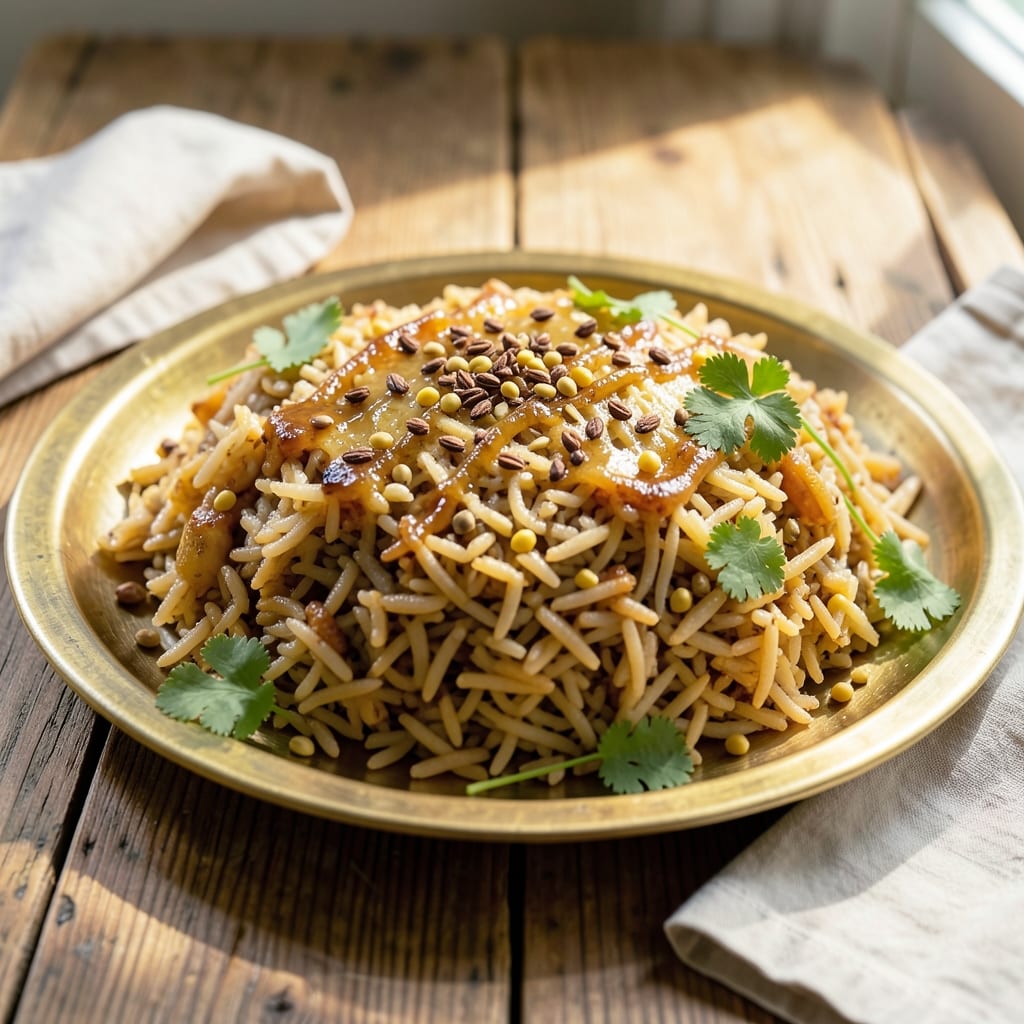
Ajwain rice transforms simple basmati into a fragrant, spiced masterpiece—where earthy carom seeds meet aromatic rice in a dish that feels like a warm embrace. 🌟 This traditional Indian recipe balances bold spices with tender grains, creating a meal that’s both comforting and elegant. The key lies in proper tempering, where ajwain’s distinct flavor infuses every grain without overpowering the delicate rice.
What sets this recipe apart is the layered approach: first, perfectly cooked basmati fluffs up to ideal texture, then the tempering of whole spices—cumin, mustard seeds, and ajwain—creates a fragrant oil that coats each grain. The result is rice that’s fragrant, slightly nutty, and packed with warmth from the spices. This dish works as a standalone meal or pairs beautifully with yogurt-based curries or grilled meats.
The process is straightforward but requires attention to detail—starting with the right rice-to-water ratio and letting the spices bloom in hot oil. By the time you serve it, you’ll have a dish that’s visually appealing with its golden grains and aromatic steam, and deeply satisfying in every bite. The ajwain adds a unique, slightly bitter depth that elevates the rice beyond ordinary.
Perfect for weeknight dinners or special occasions, this ajwain rice adapts effortlessly to your table. Whether you’re serving it with a mild yogurt curry or a spicy chicken dish, the rice will be the star. Let’s create this fragrant, flavorful centerpiece that brings a taste of tradition to your kitchen.
Ingredients for ajwain rice
Simple spices meet delicate rice for a dish that feels like a warm embrace.
| Ingredient | Amount | Notes |
|---|---|---|
| Basmati Rice 🍚 | 1 cup | Long-grain, uncooked preferred |
| Ajwain Seeds (Carom Seeds) 🌿 | 1 tbsp | Whole, toasted lightly |
| Yellow Mustard Seeds 🌶️ | ½ tsp | Whole, for tempering |
| Cumin Seeds 🌶️ | ½ tsp | Whole, for tempering |
| Asafoetida (Hing) 🌿 | ⅛ tsp | Pinch for aroma |
| Vegetable Oil 🫒 | ¼ cup | For tempering, neutral flavor |
| Salt 🧂 | 1 tsp | Adjust to taste |
| Water 💧 | 1 ½ cups | Filtered preferred |
| Fresh Cilantro Leaves 🌿 | ¼ cup | Chopped, optional garnish |
| Ghee (or Butter) 🧈 | 1 tbsp | For finishing, optional |
| Lemon Juice 🍋 | 1 tbsp | Freshly squeezed |
Ajwain seeds are the heart of this dish—look for them in the Indian spice aisle or bulk bins at stores like Whole Foods. The whole seeds give the best flavor, but if you can't find them, ground ajwain works in a pinch. Toast them lightly in a dry pan until fragrant—this brings out their nutty aroma. For the rice, basmati is non-negotiable—its long grains stay separate and fluffy. I always rinse mine until the water runs clear to remove excess starch, which keeps the grains distinct. The mustard seeds and cumin should be fresh—if they smell stale, grab a new jar. Penzeys or Spicewalla are great for quality spices.
No ajwain? Fennel seeds at half the amount add a similar warmth, though the flavor won't be identical. Running out of mustard seeds? Skip them entirely—the cumin and ajwain still shine. For the oil, vegetable or ghee works best—avoid strongly flavored oils like sesame, which can overpower the delicate spices. The asafoetida (hing) is optional but adds a unique umami depth. If you can't find it, garlic powder at a pinch gives a similar boost. For the water, filtered is ideal, but tap works fine if you're in a pinch. The lemon juice at the end? Freshly squeezed is a must—bottled just won't cut it.
This rice keeps beautifully—3-4 days in the fridge if stored in an airtight container. Reheat with a splash of water or ghee to restore moisture. For longer storage, freeze portions for up to 3 months. I like to make a big batch on Sundays and portion it into containers for the week. The ajwain flavor actually deepens over time, so leftovers often taste even better. Garnish with cilantro right before serving—it wilts fast, so don't add it too early. The ghee finishing touch is optional but adds a luxurious richness that pairs perfectly with yogurt-based curries.
Why You'll Love This Recipe
- Zero-Minute Prep: I swear by this—just rinse the rice, toast the spices (ajwain, mustard, cumin) until they sizzle, and let the hing work its magic. No chopping, no fuss, and honestly? That’s my kind of cooking.
- Earthy, Crispy Magic: The ajwain gives it this unexpected depth—warm, slightly peppery, like a hug in every bite. And when those mustard seeds pop? Instant aroma that makes the whole kitchen smell like a street-side stall.
- Weeknight Superhero: Between us, this feeds four for under $2 and reheats like a dream. Pack it for lunches, serve it with dal for dinner, or even toss it in a wrap—it’s the side dish that does it all.
- Pantry Staple Power: Use up old rice, bulk spices, or whatever’s lingering in your fridge. The ajwain and hing cut through richness, so it’s my go-to when I’m low on ingredients but still want flavor that pops.
Step-by-step instructions for ajwain rice
Here's how to make this fragrant, flavor-packed rice dish that's perfect for any meal.
🍳 Step 1: Toast the Spices for Maximum Flavor
Heat the 0.25 cup vegetable oil in a heavy-bottomed pot over medium heat. Add the 1 tbsp ajwain seeds (carom seeds) and let them sizzle for 30 seconds until they become fragrant and lightly toasted. This releases their essential oils and creates that signature ajwain aroma.
Next, add the 0.5 tsp yellow mustard seeds and 0.5 tsp cumin seeds. Stir constantly for 1 minute until they start popping and turning golden. The mustard seeds should dance around like tiny fireworks—this is your cue they're ready. Immediately add the 0.125 tsp asafoetida (hing) and stir for just 10 seconds—it disappears quickly but adds incredible depth.
👨🍳 Step 2: Add Rice and Sauté Until Translucent
Pour in the 1 cup basmati rice and stir to coat it evenly with the oil and spices. Cook for 2-3 minutes until the rice becomes slightly translucent at the edges. This step is crucial—it prevents the rice from sticking later and ensures each grain gets that beautiful spiced crust.
Add the 1.5 cups water and 1 tsp salt, then bring to a gentle boil. Once boiling, reduce heat to low and cover the pot with a tight-fitting lid. Don't peek yet—this is when the magic happens as the rice steams in its own flavorful liquid.
⏰ Step 3: Cook to Perfect Texture
Simmer for 15 minutes without lifting the lid. You'll know it's done when the water is completely absorbed and the rice is tender but still has a slight bite. If you check too early, you might find the rice undercooked—it's better to let it cook a bit longer if needed.
Once done, turn off the heat and let the rice sit covered for 5 minutes. This resting period allows the steam to redistribute, resulting in perfectly fluffy grains. Real talk: Don't skip this step or you'll end up with mushy rice.
🥘 Step 4: Finish with Tempering and Garnish
After resting, gently fluff the rice with a fork. In a small pan, heat the 1 tbsp ghee (or butter) over low heat until it melts and becomes fragrant. Pour this ghee mixture over the rice and toss gently to coat.
Finish with the 0.25 cup fresh cilantro leaves and 1 tbsp lemon juice. The lemon brightens all the flavors while the cilantro adds freshness. Serve immediately while still warm—this rice tastes best fresh out of the pot with those aromatic spices still dancing on your tongue.
Pro Tips For Making Ajwain Rice
- CRISP THE AJWAIN FIRST: Toast the ajwain seeds in the same pot you’ll cook the rice—just 10 seconds over medium-high heat until they sizzle and release their aroma. I used to add them raw, and the flavor was always muted. This step makes the difference between "meh" and "wow," especially if you’re using store-bought carom seeds (which often taste bland).
- DON’T SKIP THE HING: Crush the asafoetida (hing) between your palms before adding it to the oil—this releases its pungent magic. I learned this the hard way after making a batch that tasted flat. A tiny pinch (⅛ tsp) is enough; it’s potent, but it’s the thing that makes the dish taste finished, not just spiced.
- LOWER THE HEAT AFTER SPLASHING WATER: Once you add the water to the rice, immediately drop the heat to low and cover. I used to leave it on medium, and the rice would either burn or turn mushy. The steam needs to work gently—this guarantees fluffy grains every time, even if you’re distracted (like me) while the pot simmers.
- USE LESS WATER THAN YOU THINK: Ajwain rice absorbs moisture differently—stick to a 1:1.5 rice-to-water ratio (not the usual 1:2). I was skeptical until I tried it; the ajwain’s natural oils make the rice stick together slightly, so it needs less liquid to stay tender. Stir once after 5 minutes, then let it sit undisturbed.
Make-ahead tips for leftovers
Prep Ahead Strategy
Cook the rice completely, then spread it on a baking sheet to cool quickly—this prevents sogginess. Store in an airtight container in the fridge for up to 3 days. The ajwain flavor actually intensifies overnight, making leftovers taste even better. 🌟
Freezer-Friendly Tips
Portion cooled rice into quart-sized freezer bags or containers, leaving ½-inch headspace for expansion. Label with dates—this rice freezes beautifully for 3 months. When reheating, add 1 tbsp water or ghee per cup of rice to restore moisture and fluffiness.
Spice Prep Shortcut
Toast all spices (ajwain, mustard seeds, cumin) together in a dry pan for 1 minute and store in a small jar in your pantry. This pre-toasted spice blend lasts 3 months and cuts cooking time by 5 minutes when making fresh batches.
Reheating Perfection
For stovetop reheating, use medium-low heat with a splash of water—this prevents drying. Microwave reheating works too: cover with a damp paper towel and heat in 1-minute intervals, stirring between each. The ghee finish helps restore that restaurant-quality texture. ⏰
Meal Prep Pairings
Double the recipe and pair with yogurt-based curries or grilled proteins for complete meals. Store components separately—rice stays fresh longer when not mixed with wet dishes. Garnish with fresh cilantro and lemon juice right before serving to maintain brightness.
Spice Boost Refresh
Revive day-old rice by heating 1 tbsp ghee in a pan, adding the rice, and stirring for 2 minutes. The ghee reactivates the spices, making tired rice taste fresh again. This trick works especially well with ajwain's earthy notes. 💡
Nutrition facts
Frequently asked questions
Can I use brown rice or other varieties instead of basmati?
While basmati is ideal for its delicate texture, you can use jasmine rice or even brown rice—just adjust the cooking time. Brown rice needs 20-25 minutes instead of 15 minutes and may require 1.75 cups water per 1 cup rice. The ajwain flavor will still shine, but the texture will be chewier. For best results, rinse brown rice thoroughly before cooking.
What if I don't have ajwain seeds? Can I substitute?
Yes! Use ½ tsp fennel seeds or ½ tsp ground ajwain as a substitute. For a similar earthy depth, try ¼ tsp asafoetida (hing) plus ½ tsp cumin seeds. The flavor won't be identical, but it'll still taste delicious. Toast the substitute spices first to enhance their aroma.
Why does my ajwain rice turn out mushy?
Mushy rice usually happens from either too much water or lifting the lid too soon. Use 1.5 cups water for 1 cup rice and resist the urge to peek! After cooking, let it rest covered for 5 minutes before fluffing. If it's still too soft, spread it on a tray and dry it in the oven at 200°F for 10 minutes.
How can I make this recipe vegan?
Skip the ghee and use vegetable oil instead. For extra richness, finish with 1 tbsp coconut oil or vegan butter. All other ingredients are naturally vegan. The ajwain's earthy notes work beautifully in plant-based meals—pair it with vegan curries or roasted vegetables for a satisfying dish.
Is ajwain rice gluten-free?
Yes! This recipe is naturally gluten-free as long as you use certified gluten-free basmati rice and check your spices for cross-contamination. Always verify spice labels, especially if you have celiac disease or gluten sensitivity. The ajwain itself is gluten-free, and the other ingredients are safe for most gluten-free diets.