
Main Courses
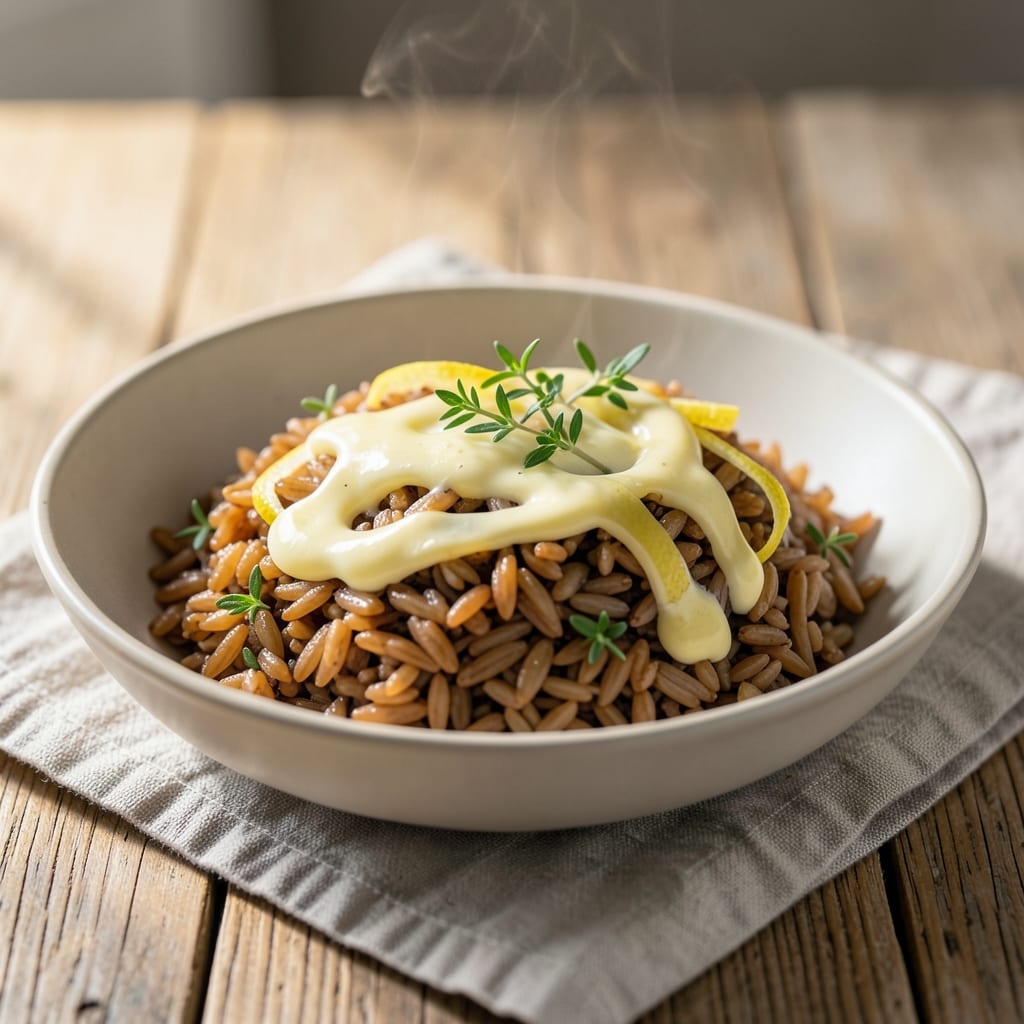
This alkaline wild rice recipe unlocks the perfect balance of earthy nuttiness and tender texture through a simple yet transformative soaking technique. The baking soda solution enhances natural flavors while reducing cooking time, resulting in grains that stay firm yet creamy—ideal for both sides and main courses. What sets this method apart is its ability to preserve the rice's integrity without turning mushy, a common pitfall with traditional cooking.
The process begins with a 30-minute soak in a baking soda solution, which not only tenderizes the grains but also creates that signature alkaline flavor profile. After thorough rinsing, the rice cooks in a 1:2.5 water-to-rice ratio for about 45 minutes, yielding perfectly balanced bites every time. This method works equally well with wild rice blends or pure wild rice varieties, ensuring consistent results regardless of brand.
What you'll achieve is a dish that's versatile enough for holiday tables yet simple enough for weeknight meals. The alkaline treatment mellows the rice's natural bitterness, revealing deeper nutty undertones that pair beautifully with roasted meats, hearty stews, or even as a standalone grain bowl. The texture remains al dente with a slight chew, making it satisfyingly substantial.
For extra depth, finish with a pat of butter, a splash of lemon juice, or fresh herbs like thyme. This recipe delivers restaurant-quality results with minimal effort—perfect for those who appreciate both tradition and innovation in their cooking. Let's get started on creating your ideal wild rice dish.
Ingredients for alkaline wild rice
Earthy wild rice transformed by alkaline magic—just ten ingredients for restaurant-quality bites every time.
| Ingredient | Amount | Notes |
|---|---|---|
| Wild Rice Blend 🌾 | 1 cup | Uncooked, any variety |
| Baking Soda 🧂 | 1 tsp | Pure, unscented |
| Water 💧 | 2 ½ cups | Room temperature preferred |
| Unsalted Butter 🧈 | 2 tbsp | Cold, for finishing |
| Fresh Lemon Juice 🍋 | 1 tbsp | Bright, freshly squeezed |
| Fresh Thyme Leaves 🌿 | ¼ cup | Chopped, or 1 tsp dried |
| Diamond Crystal Kosher Salt 🧂 | ½ tsp | For seasoning |
| Extra-Virgin Olive Oil 🫒 | 1 tbsp | For drizzling |
| Garlic Cloves 🧄 | 2 cloves | Minced, optional |
| Parmesan Cheese 🧀 | ¼ cup | Freshly grated, optional |
The wild rice blend is where the magic happens. Lundberg or Arrowhead are my go-tos—they hold up beautifully to the alkaline treatment. Grab the uncooked blend (not the pre-cooked stuff) for the best texture. Baking soda is your secret weapon here—it's not just about tenderizing; it actually enhances the nutty flavors. Bob's Red Mill or Whole Foods bulk bins are great for fresh baking soda. The key is using room-temperature water; cold water can make the grains gummy. If you're using pure wild rice, increase the soak time to 45 minutes for optimal texture.
No fresh thyme? Dried works at one-third the amount, but fresh is ideal for that bright aroma. Short on butter? Olive oil or avocado oil gives a similar finish, though butter adds richness. The lemon juice can be swapped for white wine vinegar if you prefer, but fresh lemon keeps it bright. Garlic is optional but adds depth—roasted garlic gives a sweeter note. For extra umami, finish with a sprinkle of nutritional yeast instead of Parmesan. The rice soaks up flavors beautifully, so don't be shy with the finishing touches.
This rice reheats like a dream—just add a splash of water and cover. Keeps in the fridge for 5 days sealed tightly, or freeze for 3 months in airtight containers. For meal prep, cook a double batch and portion into containers with your favorite proteins. The alkaline treatment means it stays firm even after reheating, so it's perfect for lunches. Store the baking soda in a cool, dark place—it loses potency over time, especially when exposed to moisture.
Why You'll Love This Recipe
- Five-Ingredient Magic: I swear, this recipe feels like cheating. Just wild rice, baking soda, water, butter, and lemon juice—no fancy herbs or hours of simmering. The baking soda does the heavy lifting, turning chewy rice into fluffy, light grains in half the time.
- Bright Tang Kick: That lemon juice isn’t just for flavor—it cuts through the earthiness of wild rice and makes every bite pop. Honestly, the buttery finish with a hint of zing is my new favorite side dish, plain and simple.
- Meal Prep MVP: Between us, this is my go-to for lunches all week. Cook a big batch, store it in the fridge, and reheat with a splash of water—no soggy rice here. It’s the kind of dish that makes you look like a meal prep queen without the fuss.
- Budget-Friendly Luxe: Wild rice blends are pricier, but the baking soda trick stretches it further than regular rice. I’ll be real: it feels fancy, but the grocery bill doesn’t scream it. Perfect for when you want restaurant-quality sides without the splurge.
Step-by-step instructions for alkaline wild rice with earthy depth
This method transforms ordinary wild rice into restaurant-quality bites with a perfect chewy texture and bright, herbaceous finish.
Prepare the Alkaline Soak for Maximum Flavor
In a medium saucepan, combine the 1 cup wild rice blend with the 2.5 cups water and bring to a rolling boil over medium-high heat. Once boiling, immediately remove from heat and stir in the 1 tsp baking soda. The mixture will foam vigorously—this is normal and essential for the alkaline reaction that tenderizes the rice.
Let the mixture sit uncovered for exactly 30 minutes at room temperature. You'll notice the water turns cloudy and the rice begins to soften slightly. This alkaline soak not only breaks down the tough outer hulls but also develops that signature nutty depth. Don't skip this step—it's what transforms good rice into exceptional rice.
Simmer to Perfect Texture with Herbaceous Infusion
Return the saucepan to medium heat and bring the mixture back to a gentle simmer. Add the 0.25 cup fresh thyme leaves and 2 cloves minced garlic (if using), stirring to combine. The thyme should release its aromatic oils immediately—you'll smell that earthy, slightly floral perfume filling your kitchen.
Simmer uncovered for 45-50 minutes, stirring occasionally to prevent sticking. The rice is done when it's tender but still has a slight resistance to the tooth—this is the perfect al dente texture. If the water evaporates before then, add 2-3 tablespoons hot water to maintain the simmer. The thyme will infuse the rice with its signature herbal brightness, while the garlic adds subtle depth.
Finish with Bright Acid and Rich Fat
Once the rice reaches perfect doneness, remove from heat and stir in the 1 tbsp fresh lemon juice and 0.5 tsp kosher salt. The acidity brightens the earthy flavors while balancing the richness. Let the mixture sit covered for 5 minutes—this resting period allows the flavors to meld completely and the rice to absorb all those aromatic oils.
In a separate small bowl, melt the 2 tbsp unsalted butter with the 1 tbsp extra-virgin olive oil over low heat until just combined. The butter should be completely melted but not browned—you want a silky emulsion that will coat each grain beautifully. Pour this butter-oil mixture over the hot rice and toss gently with a wooden spoon to distribute evenly.
Elevate with Finishing Touches
Transfer the rice to a serving dish and immediately sprinkle with the 0.25 cup freshly grated Parmesan cheese. The cheese should melt slightly from the residual heat, creating a luxurious coating on each grain. If you're serving immediately, give it one final toss to ensure every bite gets that perfect balance of nutty rice, bright herbs, and salty cheese.
For best results, serve within 15 minutes while the rice is still warm. The texture should be delightfully chewy with individual grains distinct yet clinging together slightly. Each bite should deliver that perfect harmony of earthy wild rice, herbal thyme, bright lemon, and rich butter—this is what makes alkaline wild rice truly special.
Pro Tips For Making Alkaline Wild Rice
- USE A THERMOMETER: I learned this the hard way—wild rice with baking soda turns mushy if you overcook it. Pull it off heat when it hits 195°F (not when the water’s gone). The grains will finish cooking as they rest, and you’ll avoid that sad, gluey texture.
- MEASURE SODA PRECISELY: That tiny box of baking soda isn’t your friend if you eyeball it. Use ¼ teaspoon per cup of rice blend—no more, no less. Too much makes the rice taste like a science experiment gone wrong; too little won’t give you that signature tender bite.
- ACIDIFY AFTER COOKING: Add the lemon juice after the rice has rested, not while it’s simmering. The heat breaks down the acid too fast, and you’ll end up with a dish that tastes flat. Stir it in right before serving—trust me, the brightness will pop.
- SIMMER GENTLY AFTER BOIL: Once the water returns to a boil with the baking soda, drop the heat to lowest medium and resist the urge to peek. Wild rice needs steady, even heat—like a lazy Sunday morning, not a rushed weeknight. Cover it tight and let it do its thing.
Essential equipment for alkaline wild rice
Essential Cooking Tools
The alkaline wild rice method requires just a few key tools to ensure perfect results. Start with a medium saucepan with a tight-fitting lid—I recommend a 1.5-quart stainless steel pot like the All-Clad Stainless for even heat distribution. A wooden spoon (avoid metal) prevents scratching the pot and helps stir gently without breaking grains. For measuring precision, use a digital kitchen scale for the baking soda and a fine-mesh strainer to rinse thoroughly after soaking. 🌡️
Rinsing & Draining
A fine-mesh colander is critical for rinsing the rice after the alkaline soak—it removes excess baking soda while preserving the softened texture. I prefer a stainless steel colander (like OXO Good Grips) because it won’t rust and has larger holes than plastic. After draining, give the rice a gentle shake to remove surface water before returning it to the pot. This step prevents a gummy texture during cooking.
Temperature Control
Accurate temperature control is everything for alkaline rice. A digital thermometer (I use Thermoworks Smoke) ensures your simmer stays between 195-205°F—too low and the rice undercooks; too high and it turns mushy. For the baking soda solution, maintain medium-high heat during the initial boil, then reduce to medium-low for simmering. A heat-diffusing mat (like Thermoworks Heat Diffuser) helps prevent hot spots on your stovetop.
Finishing Touches
For the butter-oil finish, a small ramekin or heatproof bowl (like Le Creuset) holds the melted butter safely. A microplane (for Parmesan) and fine-mesh sieve (for thyme) ensure even distribution of flavors. For plating, a large serving spoon (I love Vitamix’s stainless steel spoons) helps portion the rice neatly. Keep a small bowl of lemon wedges nearby to brighten flavors at the table.
Storage Containers
For leftovers, glass airtight containers (like Pyrex with snap lids) preserve texture best. Label with the date—this rice reheats beautifully but loses its chewy texture after 3 days in the fridge. For freezing, use quart-sized freezer bags (like Stasher) with 1-inch headspace to prevent ice crystals. A sharp chef’s knife (like Wüsthof) comes in handy for slicing Parmesan if you prefer freshly grated over pre-shredded.
Nutrition facts
Frequently asked questions
Why does this recipe use baking soda instead of regular water?
The alkaline baking soda solution breaks down the tough outer hulls of wild rice, creating that signature tender yet chewy texture. It also enhances the natural nutty flavors by reducing bitterness. Without it, wild rice often turns mushy or stays undercooked. This method mimics traditional Native American cooking techniques that used wood ash for alkalinity.
Can I substitute baking soda with another alkaline ingredient?
Yes, but with caution. 1 tablespoon lemon juice or white vinegar can replace the baking soda, creating a slightly tangy profile. For wood ash (traditional method), use 1 teaspoon per cup of rice, but strain thoroughly after soaking. Avoid baking powder—it contains acid that neutralizes the effect. Always rinse well after using any substitute.
How do I know when the alkaline wild rice is perfectly cooked?
Look for these cues: The grains should be tender but still have a slight resistance when bitten (al dente). The water should be mostly absorbed, with just a thin layer remaining. Cooking time varies by brand—45-50 minutes is standard, but check at 40 minutes if using pure wild rice. If grains stick together, you've overcooked it. For best results, use a digital thermometer to confirm 195-205°F internal temperature.
What's the best way to reheat alkaline wild rice?
Reheat gently in a skillet with 1 tablespoon butter or olive oil over low heat, stirring frequently for 3-4 minutes until warmed through. Microwave reheating works too: Spread rice on a plate, cover loosely, and heat in 30-second bursts, stirring between each. Add a splash of water if dry. Never reheat in the oven—it dries out the texture. For meal prep, cook a double batch and portion into containers with your protein.
Can I make this recipe gluten-free or vegan?
This recipe is naturally gluten-free. For vegan adaptation, simply omit the butter and Parmesan, then finish with 2 tablespoons vegan butter or olive oil and 1 tablespoon nutritional yeast. The alkaline method works perfectly with plant-based diets, and the lemon-thyme finish remains equally vibrant. Always check your wild rice blend for cross-contamination warnings if avoiding gluten entirely.