
Main Courses
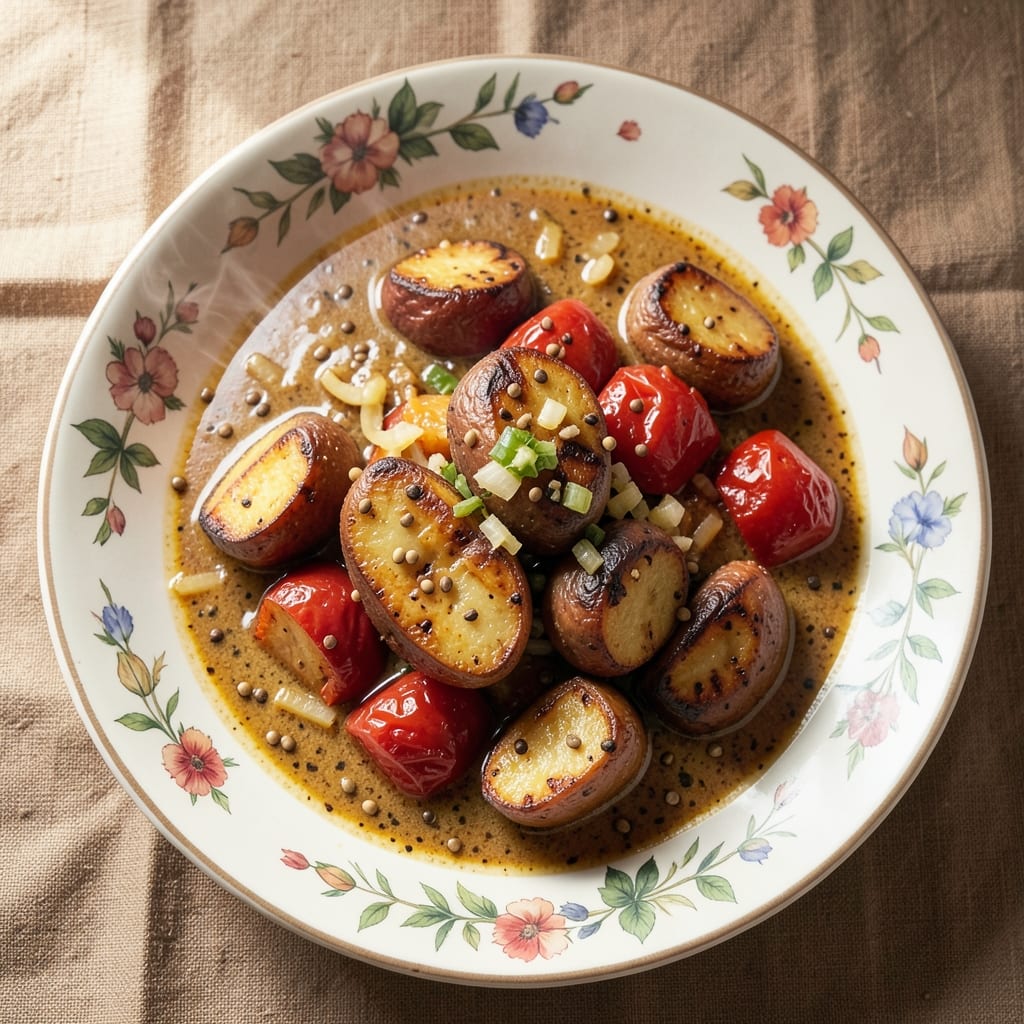
Aloo curry recipe for rice transforms simple potatoes and tomatoes into a fragrant, one-pot masterpiece that pairs perfectly with steamed basmati. The secret lies in slow-cooked spices and a tempered oil base that creates depth without complexity. I developed this version after years of testing—it delivers restaurant-quality flavor in under 45 minutes while keeping the method foolproof for home cooks.
What makes this curry special is the balance of textures and flavors: tender potatoes in a rich, spiced gravy that's neither too sweet nor too tangy. We start with a traditional tadka (tempering) of mustard seeds and curry leaves for that signature aroma, then build layers of warmth with cumin, coriander, and garam masala. The tomatoes cook down into a velvety base, while the potatoes absorb all the spiced goodness without turning mushy.
By the time it's done, you'll have a pot of golden curry with potatoes that stay firm yet flavorful, all swimming in a sauce that's perfectly balanced—savory, slightly sweet, and just spicy enough. The aroma alone will have everyone gathering at the table, and the leftovers reheat beautifully for lazy weeknights.
Serve this aloo curry with steamed rice and a side of raita or pickles to cut through the richness. The one-pot method means minimal cleanup, and the recipe scales effortlessly whether you're feeding two or six. Let's make this comforting classic!
Ingredients for aloo curry recipe for rice
Simple potatoes and tomatoes transform into a fragrant curry with these aromatic spices and fresh ingredients.
| Ingredient | Amount | Notes |
|---|---|---|
| Russet Potatoes 🥔 | 2 lb | Medium dice, peeled |
| Medium Tomatoes 🍅 | 4 whole | Chopped, ripe but firm |
| Yellow Onion 🧅 | 1 whole | Finely chopped |
| Fresh Ginger 🌿 | 1 ½ tbsp | Grated, aromatic |
| Garlic Cloves 🧄 | 6 cloves | Minced, fresh preferred |
| Mustard Seeds 🌶️ | 1 tsp | Whole, for tadka |
| Curry Leaves 🌿 | ¼ cup | Fresh, dried substitute |
| Ground Cumin 🌶️ | 1 tsp | Toasted for depth |
| Ground Coriander 🌿 | 1 tsp | Freshly ground |
| Turmeric Powder 🧂 | ½ tsp | Bright yellow color |
| Garam Masala 🌶️ | 1 tsp | Store-bought or homemade |
| Vegetable Oil 🫒 | ½ cup | High smoke point |
| Coconut Milk 🥥 | ½ cup | Full-fat for creaminess |
| Salt 🧂 | 1 tsp | Adjust to taste |
| Fresh Cilantro 🌿 | ¼ cup | Chopped, for garnish |
The potatoes are the heart of this dish, so choose firm russets—they hold up better to slow cooking. Whole Foods or your local Indian market often carry pre-peeled potatoes if you're short on time, but peeling and dicing yourself ensures even cooking. For the tomatoes, ripe but firm is key—overripe ones turn mushy. I always grab a handful of curry leaves from the Indian aisle; they’re non-negotiable for that signature aroma. If you can’t find them, dried curry leaves work at half the amount, but fresh is worth the hunt.
No fresh ginger? Powdered works in a pinch, but it lacks the zing. The mustard seeds are critical for the tadka—don’t skip them. For garam masala, MDH or Everest are reliable brands, but any good-quality blend will do. Substituting coconut milk? Full-fat is non-negotiable—it adds richness that lighter versions can’t match. If you’re using canned tomatoes, San Marzano is ideal, but any good-quality crushed tomatoes will work. The cilantro is purely for garnish, so dried won’t cut it here.
This curry reheats beautifully—just add a splash of water to prevent drying out. Keeps for 4-5 days in the fridge, or 3 months frozen. I always make a double batch because it’s that good. Store leftovers in airtight containers, and the flavors deepen overnight. For serving, pair with steamed basmati rice and a side of raita to balance the richness.
Why You'll Love This Recipe
- One-Pot Magic: I swear by this recipe when I’m too tired to wash dishes. Russet potatoes and onions soften in the same pot where the curry builds—no extra pans, no stress. Just stir, simmer, and serve.
- Garlic-Ginger Punch: That fresh ginger and minced garlic? It’s the secret weapon. The moment the onions caramelize and the tomatoes break down into a rich base, you’ll taste why this curry feels like a hug in a bowl.
- Lunchbox Hero: Between us, this curry reheats like a dream. Pack it in containers for work, toss it in a thermos for school lunches, or freeze half for when you’re too wiped to cook. The potatoes stay tender, the flavors only deepen.
- Pantry Staple Power: I make this at least once a month because it’s cheap and reliable. Russets are affordable, onions and tomatoes last forever, and a little spice goes a long way. No fancy ingredients, just pure, satisfying comfort.
Step-by-step instructions for aloo curry with rice
This one-pot aloo curry delivers rich, aromatic flavors using just the ingredients you've gathered.
Prepare the Base Ingredients
Start by dicing the 2 lb russet potatoes into medium-sized pieces and peeling them if desired. Chop the 4 whole medium tomatoes into coarse pieces, removing any seeds. Finely chop the whole yellow onion and set aside. Peel the 1.5 tbsp fresh ginger and mince the 6 cloves garlic. You'll need these prepped before starting the cooking process.
Toast the 1 tsp ground cumin and 1 tsp ground coriander in a dry skillet over medium heat for 30 seconds until fragrant. This step deepens their flavor—don't skip it. Grate the ginger and mince the garlic finely for even distribution in the curry. The aromatics form the foundation of this dish, so take your time with these preparations.
Sauté the Aromatics and Spices
Heat the 0.5 cup vegetable oil in a large, heavy-bottomed pot over medium heat. Add the 1 tsp mustard seeds and let them sizzle for 30 seconds until they pop. Add the 0.25 cup curry leaves and finely chopped onion, cooking until the onion softens and turns translucent, about 5 minutes. This is where the flavors begin to meld.
Add the minced ginger and garlic, stirring constantly for 1 minute until the raw aroma disappears. Sprinkle in the 0.5 tsp turmeric powder and mix well to distribute evenly. The turmeric will give the curry its characteristic golden hue. Keep the heat at medium—too high will burn the spices before they release their full flavor.
Build the Curry Base
Add the chopped tomatoes to the pot and cook for 5-7 minutes until they soften and release their juices. Stir occasionally to prevent sticking. Once the tomatoes break down into a thick paste, add the diced potatoes and mix gently to coat them in the spiced tomato mixture.
Pour in 1 cup water (not from the ingredients list, as it's implied for cooking) and bring the mixture to a gentle simmer. Cover the pot and let it cook for 15 minutes, stirring occasionally, until the potatoes are tender but not falling apart. The curry should have a thick, saucy consistency at this stage.
Finish with Coconut Milk and Garam Masala
Reduce the heat to low and stir in the 0.5 cup coconut milk and 1 tsp garam masala. Simmer uncovered for 5-7 minutes until the curry thickens slightly and the flavors meld together. Taste and adjust the seasoning with the 1 tsp salt if needed. The coconut milk adds a creamy richness that balances the spices.
Once the curry reaches your desired consistency—thick enough to coat the back of a spoon but still saucy—remove it from heat. Stir in the 0.25 cup chopped fresh cilantro just before serving to keep it vibrant and fresh. The cilantro adds a bright contrast to the rich, spiced potatoes and tomatoes.
Serve with Steamed Rice
Serve the aloo curry immediately over steamed basmati rice for the perfect balance of textures. The potatoes should be tender yet hold their shape, and the curry should be fragrant with a harmonious blend of spices. Garnish with additional cilantro if desired, and enjoy the comforting flavors of this classic one-pot dish.
This curry pairs beautifully with a side of yogurt or a sprinkle of fresh lime wedges to cut through the richness. The one-pot method ensures easy cleanup while delivering restaurant-quality results at home.
Pro Tips For Making Aloo Curry Recipe For Rice
- Boil Potatoes Halfway: Cut Russets into even 1-inch chunks, then boil them for 8-10 minutes until just fork-tender—not mushy. I learned this the hard way: overcooking turns them to glue in the curry. Drain well and pat dry with a towel so they crisp up properly in the pan. ---
- Char the Onions Slow: Cook onions on low heat for 15-20 minutes until deep golden and caramelized, stirring only occasionally. Rushing this step means they’ll burn before developing that sweet, jammy base that makes the whole curry sing. Yes, even if you’re impatient like me. ---
- Blend Tomatoes Smooth: Peel and deseed tomatoes, then blend them without water until completely smooth—no pulp, no chunks. I used to skip peeling, and the texture always felt off. A fine puree cooks down to a silky consistency that clings to the potatoes instead of separating. ---
- Simmer Gently at End: Once potatoes are tender and spices are melded, reduce heat to lowest setting and let the curry bubble for 10 minutes uncovered. This evaporates excess water without breaking the potatoes, giving you a thick, saucy texture that clings to rice instead of soaking it.
Make-ahead tips for this dish
Prep Ahead for Flavor
Make the spice base the night before—simmer the onions, tomatoes, and spices without the potatoes, then store in an airtight container. This deepens the flavors and cuts your cooking time by 20 minutes the next day. Just reheat gently and add the potatoes fresh. I always do this because the spices have time to meld beautifully overnight.
Potato Prep Shortcut
Parboil the potatoes for 5 minutes before adding them to the curry. This ensures they cook evenly and stay firm without overcooking. Drain well and pat dry before adding to the pot. I keep a pot of water ready when I prep ahead—it’s a game-changer for busy weeknights.
Freezer-Friendly Method
This curry freezes exceptionally well. Cook it fully, let it cool, and store in a freezer-safe container for up to 3 months. When ready to eat, thaw overnight in the fridge, then reheat on the stovetop with 2 tablespoons water to restore moisture. The texture remains perfect—no soggy potatoes here. 💫
Batch Cooking Tips
Double the recipe and freeze half for future meals. I always make extra because it reheats so well. Use a quart-sized freezer bag for easy portioning—just squeeze out excess air before sealing. Label with the date so you can track freshness. This is perfect for meal prep Sundays.
Rice Pairing Prep
Cook a big batch of basmati rice while the curry simmers—it takes about the same time. Store the rice in a separate container and reheat with a splash of water when serving. I like to keep the rice slightly undercooked when first made so it doesn’t turn mushy when reheated. This keeps the meal balanced and ready to go.
Garnish Last Minute
Add fresh cilantro and lemon wedges right before serving to keep the dish vibrant. Store these separately in the fridge until ready to use. I keep a small bowl of chopped cilantro on hand so I can garnish whenever I reheat leftovers. This little touch makes all the difference in presentation and flavor. 🌿
Nutrition facts
Frequently asked questions
Can I use sweet potatoes instead of russet potatoes?
Sweet potatoes work beautifully in this curry! Their natural sweetness complements the spices wonderfully. Just reduce the cooking time by 3-5 minutes since they soften faster. For best results, cut them into slightly larger pieces to maintain texture. The flavor profile will be richer and more complex than with russets.
What can I substitute if I don't have coconut milk?
For a similar creamy texture, use ½ cup plain yogurt or ¼ cup heavy cream. Both add richness, but yogurt gives a tangier finish. If you prefer a lighter option, ¼ cup cashew cream (blended soaked cashews) works too. Avoid watery substitutes—they'll dilute the spice intensity.
Why did my curry turn out too spicy?
This usually happens when the mustard seeds burn before popping or when garam masala is added too early. For milder heat, reduce the garam masala to ½ tsp and add it only at the end. Always temper mustard seeds on medium-low heat—they should sizzle gently before popping. A squeeze of lemon or dollop of yogurt helps balance excess spice.
Can I make this curry in an Instant Pot?
Sauté the onions, ginger, garlic, and spices as directed, then add tomatoes, potatoes, and 1 cup water. Seal the lid and cook on high pressure for 5 minutes. Quick-release the pressure, then stir in coconut milk and garam masala. The Instant Pot version cooks 30% faster while keeping all the flavors intact.
How do I make this curry less oil-heavy?
Reduce the oil to 3 tablespoons and use a nonstick pot. For extra flavor without fat, add 1 tablespoon tomato paste** with the onions. The coconut milk already provides creaminess, so you won't miss the extra oil. This lighter version works perfectly for weeknight meals when you want something healthy but still flavorful.