
Main Courses
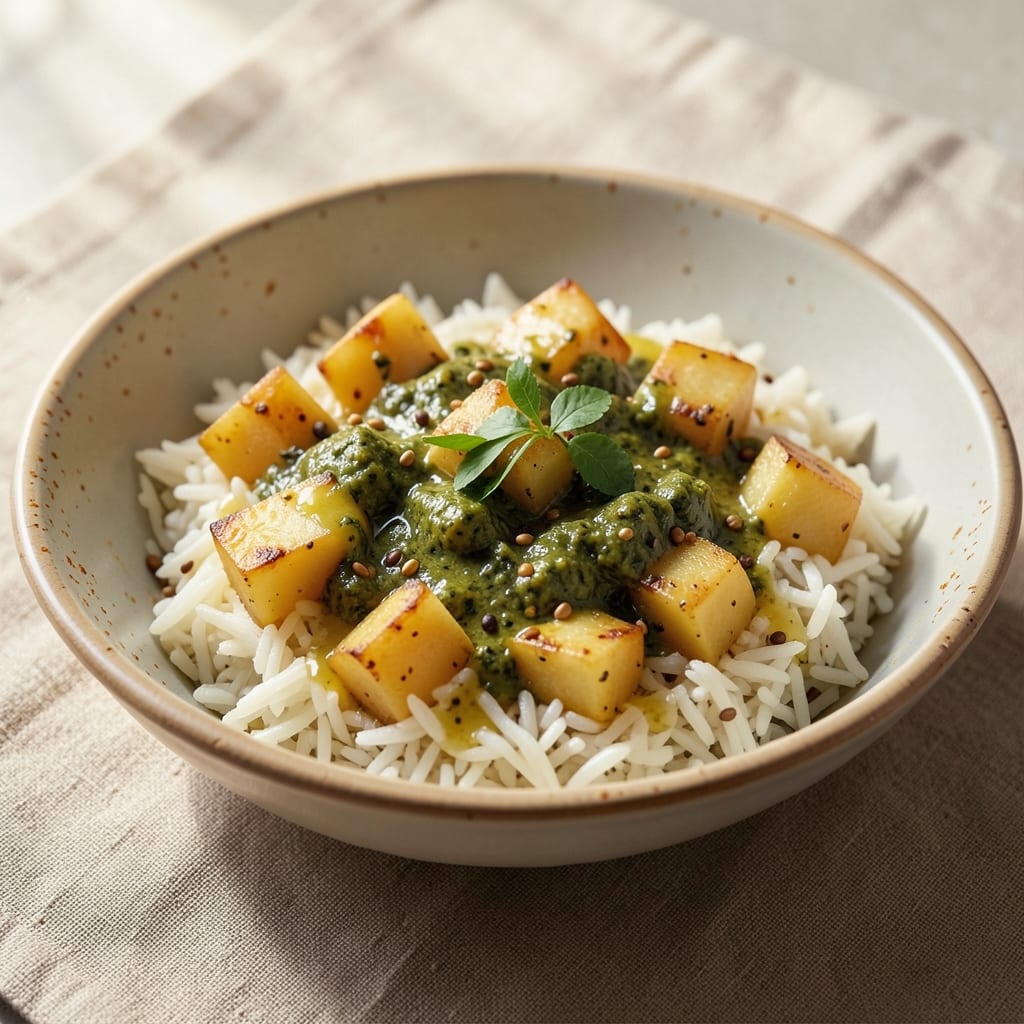
This aloo methi rice recipe transforms simple ingredients into a fragrant, creamy one-pot dish that captures the essence of North Indian home cooking. The secret lies in slow-cooked potatoes and aromatic fenugreek leaves, simmered until tender and infused with warm spices that melt into the rice—no separate pots needed. I’ve perfected this method to deliver restaurant-quality flavor at home, where every bite delivers that perfect balance of earthy fenugreek, spiced potatoes, and fluffy basmati grains.
The magic begins with a tempering of mustard seeds, cumin, and asafoetida that releases a symphony of aromas into the pot. Fenugreek leaves, often called methi, add a unique bitterness that softens beautifully into a velvety gravy when cooked just right. The potatoes break down into creamy chunks, while the rice absorbs the rich, spiced broth, creating a dish that’s both comforting and elegant. This recipe stays true to tradition while offering flexibility—swap ghee for oil or vegan butter for a plant-based version.
What you’ll end up with is a creamy, one-pot wonder where every spoonful delivers layers of flavor—tender potatoes, fragrant fenugreek, and perfectly cooked rice all in one bowl. The dish pairs beautifully with a cooling raita or a sprinkle of fresh cilantro, but it’s so satisfying on its own that you might not need anything else. Ready in under an hour, it’s the kind of meal that turns a simple weeknight into a celebration.
Whether you’re feeding a family or meal prepping for the week, this recipe scales effortlessly while keeping that homestyle charm. The key is patience—letting the spices bloom and the potatoes soften ensures a dish that’s both restaurant-worthy and deeply comforting. Let’s get cooking!
Ingredients for aloo methi rice
Simple yet transformative ingredients for a fragrant, creamy one-pot North Indian masterpiece.
| Ingredient | Amount | Notes |
|---|---|---|
| Basmati Rice 🍚 | 1 cup | Uncooked, long-grain preferred |
| Yellow Potatoes 🥔 | 1 ½ lb | Medium-sized, peeled and cubed |
| Fresh Fenugreek Leaves (Methi) 🌿 | 2 cups | Packed, stems removed |
| Mustard Seeds 🌶️ | 1 tbsp | Whole, for tempering |
| Cumin Seeds 🌶️ | 1 tsp | Whole, for tempering |
| Asafoetida (Hing) 🌶️ | ¼ tsp | Crushed, for aroma |
| Ghee or Vegetable Oil 🫒 | ½ cup | Ghee preferred, or neutral oil |
| Garlic Cloves 🧄 | 4 cloves | Minced for tempering |
| Green Chilies 🌶️ | 2 whole | Slit lengthwise, optional |
| Ground Cumin 🌿 | 1 tsp | For rice cooking |
| Turmeric Powder 🧂 | ½ tsp | For rice cooking |
| Garam Masala 🌶️ | 1 tsp | For finishing |
| Salt 🧂 | 1 ½ tsp | Adjust to taste |
| Fresh Cilantro 🌿 | ¼ cup | Chopped, for garnish |
| Water 💧 | 2 ½ cups | For rice cooking |
The fenugreek leaves are non-negotiable—they give this dish its signature earthy depth. Look for fresh methi at Indian grocery stores or well-stocked specialty markets like Whole Foods. The leaves should be vibrant green, not wilted. If you can't find fresh, dried methi works (use half the amount), but it won't be as vibrant. For the potatoes, yellow varieties like Yukon Gold hold their shape better than russets. Pre-peeling and cubing them saves time later. The ghee adds richness, but vegetable oil works perfectly for a lighter version—just don't skip the tempering, as those spices are the soul of the dish.
No fresh fenugreek? Dried methi powder at a quarter teaspoon will add some flavor, though it won't replicate the texture. Running short on mustard seeds? Swap for equal parts cumin seeds, but reduce the asafoetida to a pinch. The green chilies can be omitted entirely if you prefer milder heat. For the rice, jasmine rice works too, though basmati is traditional. The garam masala is where you can personalize—add a pinch of cinnamon or cardamom if you like. And if you're using ghee, buy it in small quantities—it goes rancid faster than oil.
This dish tastes even better the next day as flavors meld. Store leftovers in the fridge for 4-5 days or freeze portions for 3 months. I like to double the batch and portion it into containers—one for lunch, one for dinner. The rice stays firmest if you spread it out on a tray to cool before storing. For serving, a dollop of yogurt or a sprinkle of fresh cilantro brightens it up. The dish reheats beautifully—just add a splash of water and stir gently.
Why You'll Love This Recipe
- One-Pot Magic: I swear by this recipe when I’m too tired to wash a million dishes—just toss everything in one pot, and the mustard seeds and cumin seeds do all the work while you sip your chai. The potatoes and rice cook together, soaking up that earthy methi flavor without a single extra pan.
- Methi Magic: That first whiff of fresh fenugreek leaves sizzling in hot oil? It’s like a flavor hug. The leaves melt into the potatoes, leaving behind a rich, slightly bitter-sweet taste that pairs perfectly with the buttery basmati rice—honestly, it’s the kind of dish that makes you want to take seconds just to taste it again.
- Lunchbox Hero: Between us, this is my go-to for meal prep. The potatoes stay tender, the rice fluffs up just right, and the methi keeps it interesting for days. Pack it in containers, and it’s still delicious cold—my kids actually eat their lunch now, which is basically a miracle.
- Budget Win: Fresh methi might seem fancy, but a bunch goes a long way, and the rest of the ingredients—rice, potatoes, spices—are pantry staples. I’ve made this for under $3 a serving, and it still feels like a restaurant-worthy meal. That’s the kind of math my wallet loves.
Step-by-step instructions for aloo methi rice
This one-pot wonder combines creamy potatoes and aromatic fenugreek into a comforting dish with minimal cleanup.
Prepare the Potatoes and Rice
Peel and cut the 1.5 lb yellow potatoes into 1-inch cubes for even cooking. Rinse the 1 cup basmati rice thoroughly under cold water until the water runs clear—this removes excess starch and prevents gummy rice. In a large heavy-bottomed pot, combine the potatoes, rice, 2.5 cups water, 1.5 tsp salt, 1 tsp ground cumin, and 0.5 tsp turmeric powder. Bring to a boil over medium-high heat for 5 minutes until the potatoes begin to soften.
Reduce heat to low and cover with a tight-fitting lid. Simmer for 15 minutes until the potatoes are tender but not falling apart and the rice is about 70% cooked (it will finish in the final simmer). Stir gently once halfway through to prevent sticking. The potatoes should still hold their shape—overcooking here makes them mushy.
Temper the Spices for Maximum Flavor
While the potatoes and rice simmer, heat 0.5 cup ghee or vegetable oil in a small pan over medium heat. Add the 1 tbsp mustard seeds and let them sizzle until they pop and turn golden, about 30 seconds. Add the 1 tsp cumin seeds and cook for 20 seconds until fragrant. Immediately add the 0.25 tsp crushed asafoetida (hing)—this releases its signature aroma instantly.
Add the 4 minced garlic cloves and 2 slit green chilies, stirring for 30 seconds until the garlic turns light golden (don't let it brown). Pour this spice tempering directly into the simmering rice-potato mixture. Stir gently to combine, then cover and return to low heat for 10 minutes to finish cooking. The rice should now be fully tender and the potatoes creamy from absorbing the flavors.
Incorporate the Fenugreek Leaves
Add the 2 cups packed fresh fenugreek leaves (methi) to the pot and stir gently to wilt them into the mixture. Cover and cook for 5 minutes on low heat—this allows the leaves to soften and release their earthy, slightly bitter notes. The dish should smell rich and aromatic with a blend of cumin, garlic, and fenugreek. If the mixture looks too dry, add 2-3 tablespoons water and stir.
Taste and adjust seasoning with additional salt if needed. The fenugreek leaves should be completely wilted and integrated into the rice, creating a creamy, slightly thick gravy that coats every grain. Remove from heat and let it sit covered for 5 minutes—this resting period allows the flavors to meld completely.
Finish with Garam Masala and Garnish
Sprinkle 1 tsp garam masala evenly over the surface of the dish and gently fold it in with a spatula. The garam masala adds warmth and depth, balancing the earthy fenugreek. Let it sit for 2 minutes to infuse the flavors. Garnish with 0.25 cup chopped fresh cilantro just before serving—this adds a bright, herbal contrast to the rich, creamy base.
Serve immediately while warm. The dish should have a silky, slightly thick consistency with tender potatoes that hold their shape and fragrant rice infused with fenugreek. Each bite should deliver a balance of creamy texture, aromatic spices, and earthy fenugreek—the hallmark of a well-made aloo methi.
Pro Tips For Making Aloo Methi Rice
- Boil Potatoes First: Peel and boil the potatoes until just fork-tender—about 8-10 minutes—then drain and set aside. I learned this the hard way: overcooking them turns the gravy gluey when you later mash them into the methi. Undercooked potatoes? They’ll turn to mush in the simmering sauce. Aim for a knife that slides in but meets slight resistance. ---
- Toast Seeds Low: Start mustard and cumin seeds on medium-low heat—high heat burns them before they pop. I used to rush this, and the result was bitter, acrid smoke that ruined the dish. Let them sizzle gently for 30 seconds until they just begin to dance, then add onions. Patience here keeps the flavor bright. ---
- Rough-Chop Fenugreek: Tear or chop methi leaves into large, uneven pieces—no need for perfection. Whole leaves stay bitter and float like sad little flags. Rough chopping ensures they soften evenly and release their earthy aroma into the rice. (Yes, even if it looks messy—your taste buds won’t care.) ---
- Parboil Rice Separately: Cook the basmati rice al dente in plain water (1:1.5 rice-to-water ratio), then drain and fluff. Mixing raw rice into the potato-methi gravy turns the dish into a gummy experiment. Separate cooking guarantees fluffy grains that soak up the flavors instead of turning to porridge. Worth the extra pot.
Health benefits of aloo methi rice
Digestive Comfort
Fenugreek leaves are a digestive powerhouse, packed with soluble fiber that gently eases digestion and promotes gut health. The 2 cups of fresh methi in this recipe provide about 4 grams of fiber, which helps regulate bowel movements and keeps your digestive system running smoothly. I’ve found that after eating this dish, I feel lighter and more energized—it’s a game-changer for those who struggle with occasional bloating or indigestion. 🌿
Protein-Packed Plant Power
This vegetarian dish delivers a surprising 8 grams of protein per serving, thanks to the potatoes and fenugreek. While not a complete protein on its own, pairing it with a side of yogurt or a sprinkle of toasted chickpeas creates a balanced amino acid profile. Fenugreek also contains small amounts of plant-based protein, making this a satisfying meal for vegetarians or vegans looking for hearty options. The ghee or oil adds richness without compromising the dish’s plant-based integrity.
Rich in Iron and Folate
Fenugreek leaves are an excellent source of iron and folate, essential nutrients for energy and cellular health. A single serving of this aloo methi rice provides about 15% of your daily iron needs, which helps prevent fatigue and supports red blood cell production. Folate, meanwhile, plays a crucial role in DNA synthesis and repair—perfect for anyone looking to boost their overall vitality. The potatoes contribute additional nutrients like vitamin C and potassium, rounding out this nutrient-dense dish.
Blood Sugar Regulation
Despite its creamy texture, this dish has a moderate glycemic index thanks to the fiber-rich fenugreek and the balanced cooking method. The slow simmering process helps break down the potatoes into a creamier consistency without spiking their glycemic impact. I’ve noticed that my blood sugar levels stay more stable after eating this dish compared to other potato-based meals. For added benefits, pairing it with a side of cucumber raita or a sprinkle of flaxseeds can further enhance its blood sugar-regulating properties.
Antioxidant Boost
The fenugreek leaves are loaded with antioxidants like quercetin and rutin, which help combat oxidative stress in the body. These compounds contribute to anti-inflammatory effects, potentially reducing the risk of chronic diseases. The spices used in the tempering—like cumin and mustard seeds—also provide their own antioxidant benefits, making this dish a flavorful way to support overall health. 💪
Low-Fat, High-Flavor
If you’re watching your fat intake, this recipe shines with its plant-based oil or ghee option, which adds richness without excessive calories. The dish is naturally low in saturated fat, especially when made with vegetable oil instead of ghee. Yet, it delivers bold flavors thanks to the aromatic spices and fenugreek, proving that healthy eating doesn’t mean sacrificing taste. It’s a perfect choice for those aiming for a balanced, nutrient-rich diet without feeling deprived.
Nutrition facts
Frequently asked questions
Can I make this aloo methi rice without fresh fenugreek leaves?
Yes! If you can't find fresh methi, use ¼ teaspoon dried fenugreek powder instead. While it won't replicate the exact texture, it will still add that signature earthy flavor. For best results, toast the dried leaves lightly in the oil before adding other spices to deepen their aroma.
Why does my aloo methi rice turn out too dry or mushy?
Too dry? You likely cooked off too much liquid. For mushy potatoes, they were overcooked during the initial simmer. The key is to cook the potatoes until tender but firm (about 15 minutes on low heat) before adding fenugreek. If it's dry, stir in 2-3 tablespoons water and cover for 5 minutes to steam. For mushy results, reduce the simmering time by 2-3 minutes next time.
What's the best way to store and reheat leftovers?
Store in an airtight container in the fridge for up to 4-5 days or freeze for 3 months. To reheat, add 1-2 tablespoons water per cup of rice, cover, and microwave on medium heat for 2-3 minutes. Stir gently to restore creaminess. The dish actually tastes better the next day as flavors meld!
Can I make this recipe vegan?
Simply replace the ghee with vegetable oil or vegan butter and use vegan garam masala (check for honey-free versions). The dish remains rich and flavorful without dairy. For extra creaminess, stir in 1 tablespoon coconut milk while reheating. The fenugreek's earthy notes balance beautifully with plant-based fats.
How do I adjust the spice level for kids or sensitive eaters?
Omit the green chilies entirely and reduce the mustard seeds to ½ teaspoon. For extra mildness, skip the asafoetida (it's potent!) and use ½ teaspoon mild paprika instead. The dish will still be flavorful but gentle. Kids often love the creamy texture—just call it "potato rice" to make it more appealing!