
Main Courses
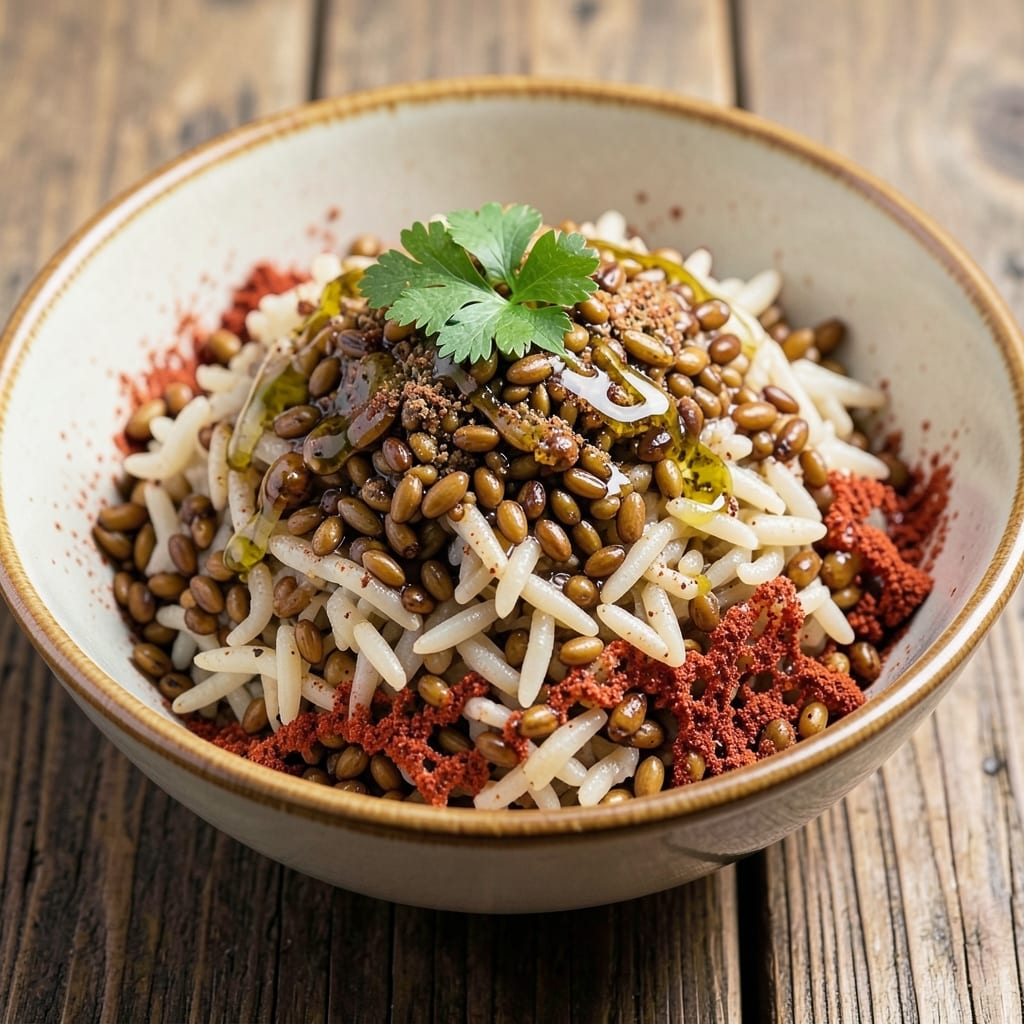
This amaranth and rice recipe transforms two powerhouse grains into a nutrient-packed bowl that’s as satisfying as it is wholesome. The secret lies in cooking amaranth separately—its nutty, earthy flavor and chewy texture contrast beautifully with fluffy rice, creating a dish that’s both hearty and light. I developed this recipe after discovering how amaranth’s high protein content and mineral richness could elevate everyday meals without sacrificing flavor.
The process is straightforward: toast the amaranth first to deepen its nutty notes, then simmer it until tender but still distinct from the rice. Seasoning is where the magic happens—think smoky paprika, bright lemon zest, and fresh herbs to balance the earthy depth. This isn’t just a grain bowl; it’s a complete protein source with fiber, iron, and antioxidants packed into every bite.
What you’ll end up with is a texturally rich dish where fluffy rice cradles chewy amaranth, all topped with vibrant toppings like toasted seeds, avocado, or a tangy tahini dressing. The flavors are adaptable—spicy, sweet, or savory—making it perfect for meal prep or a quick weeknight dinner. Ready to turn simple grains into a standout meal?
Once you try this, you’ll see why amaranth deserves a spot in your rotation. It’s the kind of recipe that proves healthy eating can be deeply flavorful—and completely satisfying. Let’s get cooking!
Ingredients for amaranth rice
Two grains, bold flavors, and a dish that's both nutritious and deeply satisfying.
| Ingredient | Amount | Notes |
|---|---|---|
| Amaranth Grains 🌾 | 1 cup | Rinsed before cooking |
| Long-Grain White Rice 🍚 | 1 ½ cups | Uncooked, jasmine or basmati preferred |
| Vegetable Broth 💧 | 2 ½ cups | Low-sodium preferred |
| Extra-Virgin Olive Oil 🫒 | 2 tbsp | For toasting amaranth |
| Smoked Paprika 🌶️ | 1 tsp | For depth of flavor |
| Ground Cumin 🌿 | ½ tsp | Toasted for warmth |
| Lemon Zest 🍋 | 1 tbsp | Brightens the dish |
| Fresh Cilantro 🌿 | ¼ cup | Chopped for freshness |
| Fresh Parsley 🌿 | ¼ cup | Chopped, for garnish |
| Avocado 🥑 | 1 whole | Sliced for topping |
| Toasted Pumpkin Seeds 🥜 | ¼ cup | For crunchy texture |
| Tahini 🥄 | 2 tbsp | For creamy dressing |
| Lemon Juice 🍋 | 1 tbsp | Freshly squeezed |
| Maple Syrup 🍯 | 1 tsp | For subtle sweetness |
| Sea Salt 🧂 | ½ tsp | Fine grain preferred |
Amaranth is the star here—look for organic or bulk bins at stores like Whole Foods or Trader Joe's for the best quality. The grains should be plump and uniform, not shriveled or dusty. If you can't find amaranth, quinoa works in a pinch, though the texture will differ slightly. For the rice, jasmine or basmati adds that delicate floral note, but any long-grain white rice will do. Toasting the amaranth in olive oil brings out its nutty flavor—don't skip this step, it's what makes this dish special.
No smoked paprika? Regular paprika plus a pinch of liquid smoke gets you close. Fresh herbs wilt fast, so if you're prepping ahead, dried cilantro or parsley at one-third the amount works. The avocado should be ripe but firm—Hass variety is ideal. For the tahini dressing, Trader Joe's or Whole Foods carry the best quality, but any good tahini will do. If you're avoiding seeds, sunflower seeds toasted lightly add a similar crunch. The maple syrup is optional but balances the earthy flavors beautifully.
Amaranth and rice keep well in the fridge for 4-5 days—perfect for meal prep. Store in airtight containers to keep the grains separate. The tahini dressing should be refrigerated and stirred before use. For extra flavor, toast the seeds in a dry pan until golden. This dish reheats beautifully, though the avocado is best added fresh. Portion into containers with the dressing on the side to keep everything vibrant.
Why You'll Love This Recipe
- One-Pot Magic: I swear by this recipe when I’m too tired to wash pots—just toss amaranth, rice, broth, and a drizzle of olive oil into one pot, add that smoky paprika, and let it simmer. No measuring cups, no separate pans, no stress.
- Earthy Depth: Honestly, the amaranth alone makes this dish—it’s got this nutty, slightly sweet crunch that holds up perfectly against the rice’s fluffiness. That smoked paprika? It adds a warmth that lingers without overpowering.
- Lunchbox Hero: Between us, this is my go-to for meal prep because it reheats like a dream and stays fresh for days. Pack it cold for work or warm it up for dinner—either way, it’s a solid side that won’t get soggy.
- Budget Booster: Amaranth is pricey, but here’s the trick: mixing it with rice stretches it far, and the broth keeps costs low. Plus, you’re using pantry staples—this is the kind of recipe that makes grocery bills breathe a little easier.
Step-by-step instructions for amaranth and rice bowl
Here's how to create a vibrant, nutrient-packed grain bowl with perfect texture and balanced flavors.
Toast the Amaranth for Nuttiness
Heat a medium saucepan over medium heat and add the 2 tablespoons extra-virgin olive oil. Once the oil shimmers, add the 1 cup amaranth grains and toast for 3-4 minutes, stirring constantly. You'll notice the grains begin to pop and develop a rich, toasted aroma—this step is crucial for bringing out their natural nutty flavor.
After toasting, pour in the 2.5 cups vegetable broth and bring to a gentle boil. Reduce heat to low, cover with a tight-fitting lid, and simmer for 25-30 minutes. The amaranth is done when all the liquid is absorbed and the grains are tender but still hold their shape. If it looks dry before the time is up, add a splash of water to prevent burning.
Cook the Rice to Perfect Al Dente
While the amaranth simmers, rinse the 1.5 cups long-grain white rice under cold water until the water runs clear. This removes excess starch and prevents gummy rice. In a separate pot, bring 3 cups of water to a boil, then add the rice, 0.5 teaspoon sea salt, and 1 teaspoon smoked paprika. Stir once, then reduce heat to low, cover tightly, and cook for 15 minutes.
Turn off the heat and let the rice steam for another 10 minutes—this resting period allows the grains to absorb any remaining moisture and develop a perfect texture. Fluff the rice gently with a fork before combining it with the amaranth. The rice should be tender but still have a slight bite to it, not mushy.
Season the Base with Warm Spices
In a small bowl, mix together the 0.5 teaspoon ground cumin, 1 tablespoon lemon zest, and 1 teaspoon maple syrup. Sprinkle this mixture evenly over the warm amaranth and rice combination. The lemon zest will brighten the earthy flavors while the cumin adds a warm, toasty depth. Let it sit for 5 minutes to allow the spices to infuse into the grains.
While the grains are absorbing the flavors, toast the 0.25 cup pumpkin seeds in a dry skillet over medium heat for 2-3 minutes until golden brown and fragrant. Keep them nearby—they'll add a delightful crunch to your bowl. The seeds should smell nutty and slightly toasted, signaling they're ready to use.
Assemble the Bowl with Fresh Toppings
Divide the amaranth and rice mixture evenly among four bowls. For each serving, add ¼ of the sliced avocado, 1 tablespoon chopped cilantro, and 1 tablespoon chopped parsley. The avocado adds a creamy contrast to the hearty grains, while the herbs bring freshness and color. Arrange the toppings artfully to make each bowl visually appealing.
Drizzle each bowl with ½ tablespoon tahini mixed with ½ tablespoon lemon juice for a creamy, tangy dressing. The tahini adds richness while the lemon juice cuts through the earthiness of the grains. Sprinkle with the toasted pumpkin seeds just before serving to add texture and a final nutty note.
Serve Immediately for Best Texture
This dish tastes best when served fresh while the avocado is still firm and the grains are warm. The contrast between the creamy avocado, nutty grains, and crunchy seeds creates a satisfying texture in every bite. If you need to prepare ahead, store the grains and dressing separately in the refrigerator and assemble just before serving to maintain the perfect texture.
Pair with a simple green salad or warm flatbread to round out the meal. The combination of earthy amaranth, nutty rice, and fresh toppings makes this bowl both nourishing and delicious—perfect for a wholesome, satisfying dish that's packed with flavor and nutrition.
Pro Tips For Making Amaranth Rice
- TOAST THE AMARANTH FIRST: I learned this the hard way—skipping the toast means bland, mushy amaranth that just soaks up broth. Heat a dry skillet over medium-high, add the grains, and stir for 3-4 minutes until they smell nutty and slightly pop. This releases their natural oils and prevents that sad, underwhelming texture.
- RATIO MATTERS MORE THAN YOU THINK: Use a 1:2 ratio of amaranth to rice (e.g., 1 cup amaranth to 2 cups rice)—this keeps the texture balanced. Too much amaranth makes it gritty; too little means the rice turns into glue. And for the love of flavor, toast the rice in the same pan after the amaranth, just until it shimmers. That’s where the depth comes from.
- DON’T SKIP THE OLIVE OIL: The recipe calls for it, but I see people ignoring it—big mistake. Swirl in 1-2 tablespoons of extra-virgin olive oil at the start (yes, even if it’s not in your original plan). It coats the grains, makes them glossy, and carries the smoked paprika’s flavor like a flavor taxi. Trust me, it’s the difference between "fine" and "wow."
- SIMMER, DON’T BOIL: After adding broth, bring to a boil once, then drop to the lowest simmer possible. I used to walk away and forget, and the amaranth would turn to mush. Cover, reduce heat to a whisper, and let it cook undisturbed for 25-30 minutes. The grains need time to plump, not steam like a sad soup. Patience here is your friend.
Pro cooking tips for this recipe
Toast Amaranth Properly
Never skip toasting the amaranth—this critical 3-4 minute step at medium heat in 2 tbsp olive oil unlocks its nutty depth. I use a medium saucepan and stir constantly to prevent burning. The grains should pop audibly and smell toasty. This process mimics how quinoa is toasted, but amaranth needs slightly longer due to its denser structure. 🌾
Balance Liquid Carefully
Amaranth absorbs liquid differently than rice. Use 2.5 cups vegetable broth for 1 cup amaranth and simmer uncovered for the first 5 minutes to reduce excess moisture. If the amaranth looks dry before 25-30 minutes, add 2 tbsp water instead of more broth to maintain flavor balance. I've learned this the hard way—overloading with liquid makes the grains mushy.
Rinse Rice Thoroughly
Rinsing 1.5 cups rice until water runs clear removes surface starch that causes gummy texture. Use cold water and rub grains between fingers to ensure all starch is removed. For extra insurance, I rinse twice. The 1:2 rice-to-water ratio is key—any less risks undercooked rice, while more creates a soggy base.
Spice Infusion Timing
Mix 0.5 tsp cumin, 1 tbsp lemon zest, and 1 tsp maple syrup while grains cook. Sprinkle over warm amaranth/rice for 5 minutes before serving—this lets flavors meld perfectly. The lemon zest brightens immediately while cumin's warmth develops gradually. I've found pre-mixing spices prevents clumping on cold grains.
Seed Toasting Secrets
Toast 0.25 cup pumpkin seeds in a dry skillet over medium heat for exactly 2-3 minutes—any longer burns them. Shake the pan frequently to ensure even browning. The seeds should be golden and smell nutty. For extra crunch, pulse toasted seeds in a food processor for 3 seconds before sprinkling. This creates a fine, snappy texture that clings beautifully to the bowl. 🥜
Dressing Consistency
Whisk 2 tbsp tahini with 1 tbsp lemon juice and 1 tsp maple syrup until smooth. For a thinner dressing, add 1 tbsp water at a time. I like mine slightly thicker to coat the grains without overwhelming them. Store dressing separately if prepping ahead—it keeps for 5 days in the fridge. The tahini adds creaminess while lemon prevents richness from dominating.
Nutrition facts
Frequently asked questions
Why cook amaranth separately from rice?
Amaranth needs a longer cooking time (25-30 minutes) and different liquid ratio than rice. Cooking them separately preserves the distinct textures—chewy amaranth and fluffy rice—while preventing the amaranth from becoming mushy. Plus, toasting amaranth first enhances its nutty flavor, which wouldn't happen if cooked with rice from the start.
Can I substitute quinoa for amaranth?
Yes, but expect different results! Quinoa cooks faster (12-15 minutes) and has a lighter texture. Use a 1:1.5 liquid ratio (like rice) and toast it briefly in oil before cooking. The flavor will be milder, but it works well in a pinch. For best results, stick with amaranth for that signature earthy depth.
How do I make this recipe gluten-free?
This recipe is naturally gluten-free since it uses whole grains and no processed ingredients. Just ensure your vegetable broth is certified gluten-free and check labels on tahini or maple syrup for cross-contamination warnings. The amaranth and rice are both safe for gluten-free diets.
What if my amaranth turns out too dry?
If the amaranth looks dry before 25-30 minutes, add 2 tbsp water and cover to steam for another 5 minutes. Avoid adding broth—it can make the grains too soft. The key is patience: amaranth absorbs liquid gradually. If it's still dry, a splash of warm water or lemon juice can revive the texture.
Can I meal prep this ahead of time?
Store cooked grains in airtight containers separately for 4-5 days. Keep the tahini dressing in a small jar and add avocado just before serving. Reheat grains with a splash of water or broth to restore moisture. The toppings (seeds, herbs, avocado) should be added fresh for the best texture and flavor.