
Main Courses
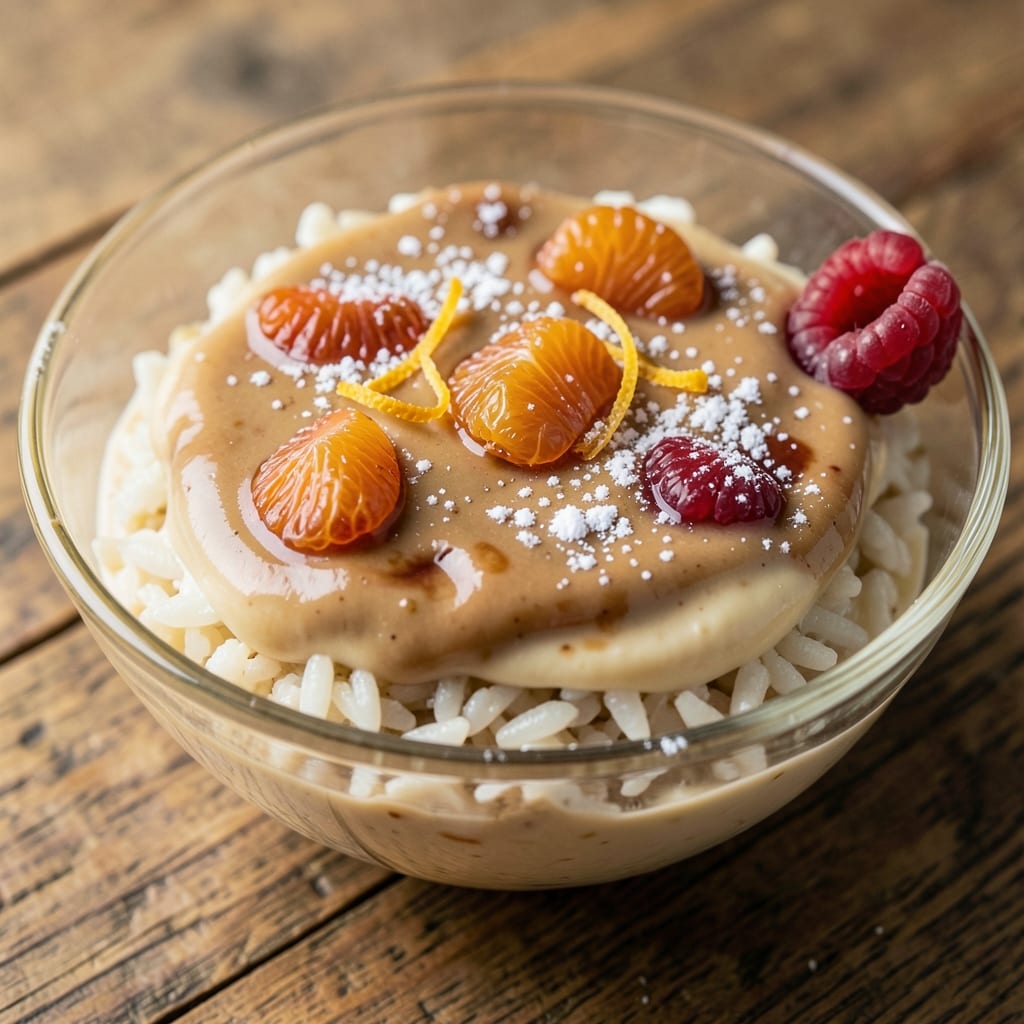
This ambrosia rice pudding recipe delivers the perfect balance of creamy vanilla, bright orange zest, and toasted coconut crunch that makes every bite feel like a hug. The secret lies in slow simmering long-grain rice with milk and cream until it reaches that signature velvety texture, while citrus zest infuses warmth without bitterness. I've perfected this version after years of testing—it's rich enough to satisfy dessert cravings but light enough to feel special, not heavy.
What sets this recipe apart is the layered texture: tender rice infused with vanilla and orange, topped with sweetened raisins and toasted coconut that adds both crunch and visual appeal. The slow cooking process develops deep, caramelized flavors while keeping the pudding perfectly smooth. Unlike many versions that rely on instant rice, this method uses traditional long-grain rice for authentic creaminess that stands up to the tropical toppings.
By the time you're done, you'll have a dessert that looks as impressive as it tastes—golden custard with jewel-toned fruit and coconut, served warm or chilled. The orange zest adds a sophisticated brightness that cuts through the richness, while the toasted coconut provides that essential crunch. This is the kind of recipe that becomes a holiday tradition or weekend treat your family will beg to repeat.
The beauty of ambrosia rice pudding is its versatility—serve it as a standalone dessert, pair it with whipped cream, or even use it as a filling for pastries. The recipe scales beautifully for crowds, and leftovers actually improve overnight as flavors meld. Here's how to make it perfectly every time.
Ingredients for ambrosia rice pudding
Long-grain rice, citrus zest, and coconut create this velvety dessert masterpiece.
| Ingredient | Amount | Notes |
|---|---|---|
| Long-Grain White Rice 🍚 | 1 cup | Uncooked, rinsed thoroughly |
| Whole Milk 🥛 | 3 cups | Full-fat for creaminess |
| Heavy Cream 🥛 | 1 cup | Full-fat for richness |
| Granulated Sugar 🍚 | ¾ cup | Adjust to taste |
| Vanilla Extract 🍯 | 2 tsp | Pure vanilla preferred |
| Orange Zest 🍊 | 1 tbsp | From 1 medium orange |
| Salt 🧂 | ½ tsp | Kosher or sea salt |
| Unsalted Butter 🧈 | 2 tbsp | Cold, cubed |
| Sweetened Raisins 🍇 | ½ cup | Plump, soaked in warm water |
| Shredded Coconut 🥥 | ½ cup | Sweetened, toasted |
| Orange Juice 🍊 | ¼ cup | Freshly squeezed |
| Ground Cinnamon 🌿 | ½ tsp | Optional, for warmth |
The rice is the foundation—long-grain white gives that signature creamy texture. Bob's Red Mill or Lundberg are my go-tos for consistent results. Rinse it well to remove excess starch, which keeps the pudding from getting gummy. For the citrus, Navel oranges work best—they're sweet and juicy without bitterness. If you can't find fresh, frozen concentrated orange juice works in a pinch, but the zest flavor is unmatched. The butter? Plugrá or Land O'Lakes are reliable, but any unsalted brand will do—just make sure it's cold when you add it at the end.
No vanilla extract? Vanilla bean paste or even a scraped vanilla bean works, though the seeds add texture. Running short on raisins? Chopped dried apricots or cranberries add a nice twist. The coconut should be toasted until golden—this makes all the difference in flavor and crunch. If you can't find sweetened shredded coconut, unsweetened plus 1 tbsp sugar gets you close. The orange juice can be swapped for apple juice or pineapple juice if needed, though orange adds that signature brightness.
This pudding tastes even better the next day—3-4 days in the fridge is ideal. Store it in an airtight container with parchment paper pressed against the surface to prevent a skin from forming. For serving, I like to toast the coconut fresh each time—5 minutes in a dry pan over medium heat until fragrant. Portion into ramekins ahead of time for easy reheating. Leftovers freeze beautifully for up to 3 months—just thaw overnight in the fridge before serving.
Why You'll Love This Recipe
- No-Fuss Simplicity: I swear by this recipe because it’s literally dump-and-stir. Toast the rice first—just 5 minutes in a dry pan—then pour in the milk, cream, and sugar. The rice absorbs everything while simmering, so no constant stirring or lumps to fight. Honestly, my lazy Sundays thank me.
- Velvet-Smooth Texture: That creamy blend of whole milk and heavy cream? It’s what makes this pudding dangerously good. The rice stays tender but thick enough to coat the spoon, while the vanilla ties it all together with warmth. I’ll be real: I’ve gone back for thirds without guilt.
- Weeknight Magic: This is my go-to when I need something comforting but don’t want to slave over it. Make a big batch on Sunday, and you’ve got dessert for breakfast, a quick lunch, or a midnight snack—no reheating required. (Yes, even on a Tuesday night.)
- Budget-Friendly Luxury: Long-grain rice and milk are pantry staples, so this feels fancy without the markup. The heavy cream adds richness, but you can swap in half-and-half if needed. Plus, leftovers taste just as good the next day—proof that simple ingredients can still feel special.
Step-by-step instructions for ambrosia rice pudding
Here's how to create this creamy, citrus-kissed dessert with perfect texture every time.
Rinse and Toast the Rice
Place the 1 cup Long-Grain White Rice in a fine-mesh strainer and rinse under cold water until the water runs clear. This removes excess starch that can make your pudding gummy. Drain well and transfer the rice to a medium saucepan.
Add the 3 cups Whole Milk and 2 tbsp Unsalted Butter to the saucepan. Bring to a boil over medium-high heat, then immediately reduce to low heat. Stir in the 0.5 tsp Salt and 0.5 tsp Ground Cinnamon. Let the mixture simmer gently for 25 minutes, stirring occasionally, until the rice is tender and the liquid has reduced by about half. You'll know it's ready when the rice absorbs all the liquid and the mixture thickens to a creamy consistency.
Sweeten and Infuse with Citrus
Remove the saucepan from heat and stir in the 0.75 cup Granulated Sugar, 2 tsp Vanilla Extract, and 1 tbsp Orange Zest. The sugar will dissolve quickly, and the citrus notes will begin to infuse into the mixture. Let it cool slightly for 5 minutes while you prepare the remaining ingredients.
In a small bowl, combine the 0.5 cup Sweetened Raisins with 0.25 cup Orange Juice. Let them soak for 10 minutes to plump up and absorb the citrus flavor. This step ensures your raisins stay juicy and complement the creamy texture of the pudding.
Add Cream and Toast the Coconut
Return the pudding mixture to low heat and gradually whisk in the 1 cup Heavy Cream. Stir continuously for 5 minutes until the cream is fully incorporated and the pudding reaches a smooth, velvety texture. The heat should never exceed gentle warmth—you're not cooking the cream, just blending it into the pudding.
In a separate small skillet, toast the 0.5 cup Shredded Coconut over low heat for 3-4 minutes, stirring constantly, until it turns a light golden brown and releases a nutty aroma. Remove from heat immediately to prevent burning. The toasted coconut will add a delightful crunch that contrasts beautifully with the creamy pudding.
Combine and Chill
Remove the pudding from heat and carefully fold in the soaked raisins and their juices. Stir in the toasted coconut, reserving a small amount for garnish. The mixture should be thick but still spoonable. Transfer the pudding to a serving dish or individual ramekins.
Cover with plastic wrap pressed directly onto the surface to prevent a skin from forming. Refrigerate for at least 4 hours, or preferably overnight, to allow the flavors to meld and the texture to set properly. The longer it chills, the creamier it becomes.
Serve with Garnish
Before serving, give the pudding a gentle stir to redistribute any settled ingredients. Garnish each serving with a sprinkle of toasted coconut and an additional pinch of Orange Zest for a bright, citrusy finish. Serve chilled, accompanied by a dollop of whipped cream if desired.
The perfect ambrosia rice pudding should have a silky, creamy texture with pockets of soft raisins and crunchy coconut. Each spoonful should balance sweetness, citrus brightness, and warm spice—creating a dessert that's both comforting and refreshing.
Pro Tips For Making Ambrosia Rice Pudding
- Rinse the Rice First: I learned this the hard way—skipping the rinse leaves your pudding with a gummy, starchy mess. Swirl 1 cup of long-grain white rice in a fine-mesh strainer under cold water until the water runs clear. This removes excess starch that’ll turn your creamy pudding into glue.
- Simmer Low and Slow: High heat is the enemy here. After bringing the milk, cream, and rice to a boil, drop the heat to the lowest setting you can tolerate—think "barely there." This prevents curdling and lets the rice absorb the liquid evenly, giving you that silky texture instead of a grainy disaster.
- Stir the Sugar In: Dumping all the sugar at once can make the pudding taste cloyingly sweet. Instead, divide the sugar into two additions—half when you start simmering, the rest once the rice is tender. This balances sweetness and lets the flavors meld without overwhelming your taste buds.
- Use Vanilla Bean, Not Extract: I know, I know—it’s easier with extract. But scraping a single vanilla bean’s seeds into the warm pudding at the end adds depth that extract can’t match. If you’re short on time, at least use double the extract’s recommended amount—it makes a real difference.
Serving suggestions for this ambrosia rice pudding
Classic Presentation
Serve this ambrosia rice pudding in individual ramekins or small bowls for an elegant touch. I like to arrange them on a platter with a few fresh orange slices around the edges—it adds a pop of color and ties into the citrus flavor. For a restaurant-style finish, dust the top with powdered sugar or a sprinkle of ground cinnamon just before serving. 🍽️
Warm vs. Chilled
This pudding works beautifully both warm and chilled, depending on your preference. Serve it warm for a comforting, custard-like experience—perfect for cold evenings. Chill it for at least 4 hours to let the flavors meld, then serve with a scoop of vanilla ice cream for contrast. The cold temperature enhances the citrus notes and makes the coconut crunch even more satisfying.
Pairing with Beverages
For a sophisticated touch, pair your ambrosia rice pudding with hot chai tea or espresso—the warmth of the spices complements the dessert's citrus and coconut flavors. If you prefer something lighter, a sparkling orange soda or moscow mule (with fresh lime) cuts through the richness beautifully. For a festive occasion, a demi-sec champagne adds a luxurious finish. 🍹
Make-Ahead Serving
This dessert is perfect for meal prep! Prepare it 2-3 days ahead and store in an airtight container in the refrigerator. When ready to serve, simply reheat individual portions in the microwave for 30-45 seconds or warm in a double boiler for a smoother texture. The longer it sits, the more the flavors develop—trust me, it only gets better over time. 💫
Garnish Ideas
Elevate your presentation with creative garnishes. A drizzle of caramel sauce adds a sweet contrast, while toasted almond slices bring extra crunch. For a tropical twist, top with fresh mango chunks or pineapple tidbits. If you love texture, try crushed graham crackers around the edge of the bowl. The key is to balance the creamy pudding with something that adds contrast—whether it's crunch, freshness, or extra sweetness.
Family-Style Serving
For gatherings, serve this pudding in a large glass bowl or ceramic dish at the center of the table. Use a ladle for portioning so everyone can serve themselves. Add a small bowl of extra toasted coconut and raisins on the side for those who want more texture. This approach makes it feel like a special treat while keeping it interactive and fun for all ages. 👨👩👧👦
Nutrition facts
Frequently asked questions
Can I use instant rice for this recipe?
Instant rice won't give you the same creamy texture—it absorbs liquid too quickly and can make the pudding grainy. For authentic results, stick with long-grain white rice and simmer it for 25 minutes until tender. The slow cooking process develops that signature velvety consistency.
What if I don't have orange zest?
No problem! Use 1 teaspoon of lemon zest instead for brightness, or swap in ½ teaspoon of ground cinnamon plus 1 teaspoon of vanilla bean paste for warmth. The citrus adds freshness, but the vanilla-cinnamon combo still delivers comforting flavor. Just reduce the vanilla extract to 1 teaspoon if using extra cinnamon.
How do I fix a pudding that's too thick or too thin?
For thin pudding, simmer uncovered for 5-10 minutes to reduce extra liquid. For thick pudding, whisk in 1-2 tablespoons of warm milk or cream until smooth. The ideal texture should coat the back of a spoon but still be spoonable—like thick custard.
Can I make this gluten-free?
Just ensure your raisins and coconut are certified gluten-free. The recipe itself is naturally gluten-free as long as you avoid cross-contamination. For extra safety, use a dedicated pot and utensils if you're cooking other gluten-containing dishes in the same kitchen.
Why does my pudding have a skin on top?
This happens when the surface dries out during chilling. Prevent it by pressing plastic wrap directly onto the surface before refrigerating. If it already formed, simply scrape it off before serving—it won't affect the taste! For reheating, cover loosely with a damp paper towel to prevent new skin formation.