
Main Courses
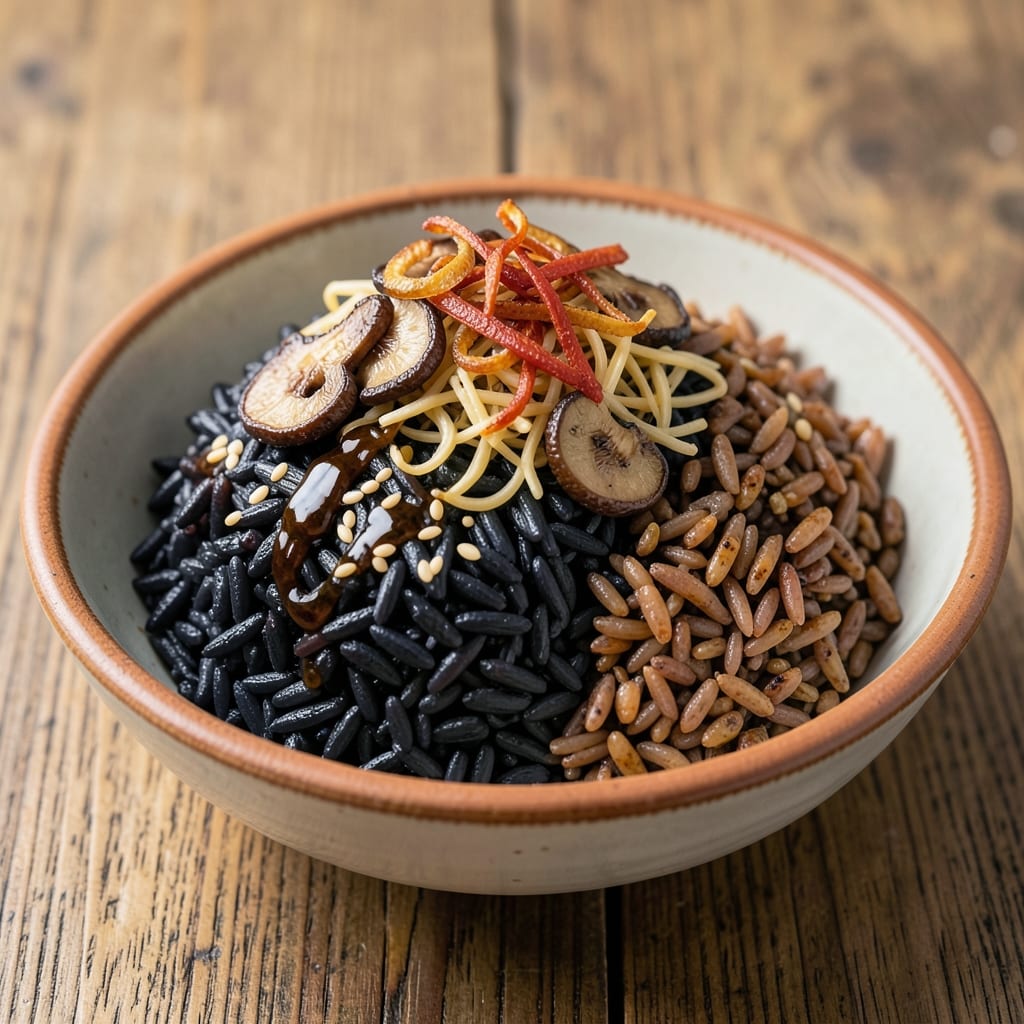
This ancient rice recipe unlocks the earthy, nutty complexity of heirloom grains that modern supermarkets often overlook. From deep purple black rice to chewy wild rice blends, these grains transform simple meals into culinary experiences—rich in umami, fiber, and tradition. I’ve perfected a method that preserves their natural textures while maximizing flavor, whether you’re making a sticky risotto, a hearty pilaf, or a vibrant grain bowl.
The secret lies in proper preparation: thorough rinsing to remove excess starch, precise soaking times (if needed), and gentle cooking techniques that prevent mushiness. Ancient grains like forbidden black rice or heirloom brown rice demand patience, but the results—chewy yet tender bites with deep color and nutty aroma—are worth every minute. This recipe works as a standalone dish or as the perfect base for modern twists, from Asian-inspired stir-fries to Mediterranean-style salads.
What you’ll achieve is restaurant-quality rice with bold flavor and satisfying texture, far beyond the bland white rice most of us grew up with. The earthy umami depth comes from the grains themselves, but a few simple seasonings—like toasted sesame oil, soy sauce, or fresh herbs—can elevate them further. Whether you’re cooking for a special occasion or a weeknight meal, these ancient grains bring sophistication to your table.
Best of all, this method is versatile and adaptable—suitable for vegan diets (no animal products needed), gluten-free diets (check your grain variety), and even low-carb adaptations. Let’s get started on a recipe that connects you to centuries of culinary tradition while fitting seamlessly into today’s kitchen.
Ingredients for ancient rice
Earthy grains and simple seasonings transform into restaurant-quality ancient rice—rich, chewy, and full of umami.
| Ingredient | Amount | Notes |
|---|---|---|
| Forbidden Black Rice 🌾 | 1 cup | Uncooked, rinsed thoroughly |
| Heirloom Brown Rice 🌾 | 1 cup | Uncooked, medium-grain variety |
| Wild Rice Blend 🌾 | ½ cup | Uncooked, chewy texture |
| Vegetable Broth 💧 | 3 cups | Low-sodium preferred |
| Toasted Sesame Oil 🫒 | 1 tbsp | For finishing aroma |
| Low-Sodium Soy Sauce 🍶 | 1 ½ tbsp | For umami depth |
| Fresh Ginger 🧄 | 1 tbsp | Finely grated, peeled |
| Garlic Cloves 🧄 | 3 cloves | Minced, fresh preferred |
| Scallions 🧅 | ¼ cup | Thinly sliced, green parts |
| Sesame Seeds 🥜 | 1 tbsp | Toasted for garnish |
| Diamond Crystal Kosher Salt 🧂 | 1 tsp | For seasoning broth |
| Black Peppercorns 🌶️ | ½ tsp | Freshly cracked |
| Toasted Sesame Seeds 🥜 | 1 tbsp | For garnish |
| Fresh Cilantro 🌿 | ¼ cup | Chopped, stems removed |
The grains are everything here. Forbidden black rice has that deep purple hue and nutty flavor, but don’t skimp on the heirloom brown rice—it’s the backbone of texture. I grab mine from Whole Foods bulk bins or Trader Joe’s (their wild rice blend is perfect). If you’re using pre-washed grains, skip the rinsing step—just make sure they’re thoroughly rinsed if raw. The ginger and garlic? Fresh is non-negotiable—dried won’t give that bright, zesty punch. Toast your sesame seeds in a dry pan for 30 seconds before using—game-changer for flavor.
No sesame oil? Avocado oil with a pinch of toasted sesame seeds works in a pinch, but you’ll miss that nutty aroma. Short on soy sauce? Coconut aminos or tamari are great swaps, though the flavor profile shifts slightly. The broth is where you can get creative—homemade mushroom broth adds another layer of umami, or even vegetable stock from a high-quality brand like Imagine. For the cilantro, if you hate it, substitute with chopped parsley or basil—no one will judge. And if you’re cooking for a crowd, double the grains and broth but keep the liquid-to-grain ratio the same.
These grains reheat beautifully—better the next day once all the flavors meld. Store leftovers in an airtight container for 4-5 days, or freeze portions for up to 3 months. I like to portion mine into glass containers with tight lids—keeps them fresh longer. For extra flavor, toast the grains in a dry pan for 2-3 minutes before cooking. Don’t skip this step—it deepens the nutty notes. And if you’re prepping ahead, cook the grains, let them cool completely, then refrigerate or freeze—reheat with a splash of water or broth to revive the texture.
Why You'll Love This Recipe
- One-Pot Magic: I swear by this recipe when I’m too tired to measure three separate bowls. Just toss the black, brown, and wild rice together with broth, pop it in a pot, and walk away—no stirring required. The grains cook at their own pace, and the sesame oil finishes everything with a single drizzle.
- Earthy Luxury: That first bite of forbidden black rice? It’s like biting into a dark chocolate truffle, but with chewy texture and a nutty depth. The wild rice adds a pop of crunch, while the sesame oil ties it all together with a toasty, almost buttery richness. Honestly, it’s the kind of flavor that makes you pause mid-bite.
- Meal Prep MVP: Between us, this is my go-to for lunches all week. Cook a big batch, and it stays fresh in the fridge for days—perfect for tossing with stir-fries, salads, or even cold bowls. I’ll be real: my kids grab it straight from the pot like it’s takeout, and I don’t even have to reheat it.
- Budget-Friendly Powerhouse: Forbidden rice alone costs a pretty penny, but mixing it with heirloom brown and wild rice stretches it into a full meal. A single batch feeds four for under $10, and the broth keeps it light on the wallet. Plus, the leftovers reheat like a dream—no mushy rice here.
Step-by-step instructions for time-honored ancient grain medley
This ancient grain blend delivers restaurant-worthy texture and depth with minimal fuss.
Prepare the Grains for Perfect Texture
Rinse the 1 cup Forbidden Black Rice and 1 cup Heirloom Brown Rice separately under cold water until the water runs clear—this removes excess starch that can make the grains gummy. The Forbidden Black Rice will take longer to cook, so we handle it first. In a medium saucepan, combine the rinsed black rice with 3 cups Vegetable Broth and bring to a boil over high heat. Once boiling, immediately reduce to a simmer, cover tightly with a lid, and cook for 45 minutes.
While the black rice simmers, rinse the 0.5 cup Wild Rice Blend and add it to the same pot with the black rice (no need to drain). The wild rice has a longer cooking time and benefits from the broth's flavor. Return to a simmer, cover again, and cook for an additional 30 minutes. The grains should be tender but still hold their shape—if they're mushy, you've overcooked them. The black rice should be deep purple-black, the brown rice nutty, and the wild rice chewy.
Build the Umami-Packed Broth Base
While the grains cook, heat 1 tbsp Toasted Sesame Oil in a small skillet over medium heat. Add the 1 tbsp Fresh Ginger and 3 cloves Garlic Cloves, cooking for 1-2 minutes until fragrant but not browned—ginger burns quickly, so watch closely. Pour this aromatic mixture into the pot with the grains, along with the 1.5 tbsp Low-Sodium Soy Sauce and 1 tsp Diamond Crystal Kosher Salt. Stir gently to combine, then return to a simmer for 5 minutes to let the flavors meld.
Here's where the magic happens: the soy sauce adds umami depth, the ginger and garlic brighten the earthy grains, and the sesame oil infuses a nutty aroma. The grains should now be fully infused with these flavors—taste a bite to check the seasoning. If it needs more salt, add a pinch now.
Finish with Crisp-Topped Garnishes
Transfer the cooked grains to a serving dish and let them sit uncovered for 2-3 minutes—this allows any excess moisture to evaporate slightly, giving the grains a better texture. While they rest, toast the 1 tbsp Sesame Seeds in a dry skillet over medium heat for 1-2 minutes until golden and fragrant. Watch them closely—they burn fast.
Just before serving, drizzle the grains with 1 tbsp Toasted Sesame Oil and sprinkle with the toasted sesame seeds and 0.25 cup Fresh Cilantro. The cilantro adds a bright, herby contrast to the earthy grains, while the sesame seeds contribute a satisfying crunch. For extra drama, scatter the 0.25 cup Scallions and 0.5 tsp Black Peppercorns on top—this adds color, freshness, and a subtle heat that cuts through the richness.
Serve with Confidence
This ancient grain medley holds its shape beautifully and delivers layers of texture—chewy wild rice, nutty brown rice, and deep purple-black forbidden rice. The grains should be tender but still have a slight bite, with a glossy sheen from the sesame oil. Serve immediately while the garnishes are crisp and the grains are warm, ideally alongside a miso soup or grilled fish to complement the umami flavors.
Real talk: if you're serving this to guests, the Forbidden Black Rice will impress them instantly—it's rare and visually stunning. The key to success is patience during cooking and attention to the garnishes. Don't rush the simmering, and always taste as you go. This dish is as much about technique as it is about the grains themselves.
Pro Tips For Making Ancient Rice
- TOAST THE RICE FIRST: I learned this the hard way—skipping the toast isn’t just about nuttiness, it’s about preventing a mushy final texture. Heat all three rice types (black, brown, wild) in a dry pot over medium until they smell toasty and the edges darken slightly (about 3-4 minutes). This step locks in flavor and keeps the grains distinct instead of turning into a gluey mess.
- USE TWO BROTH BATCHES: The first broth infusion is for flavor, the second is for finish. Cook the rice in half the broth until it’s absorbed, then stir in the remaining broth and a splash of cold water. This guarantees the wild rice blend stays chewy while the black rice gets that signature jammy texture—no more dry pockets or soggy bottoms.
- SALT THE BROTH HEAVY: Ancient rice soaks up liquid like a sponge, so if your broth tastes bland now, it’ll taste worse later. Add 1.5x the usual salt to the broth (about 1.5 tsp per cup) before combining with the rice. The black rice especially needs this—it’s naturally mild and won’t overpower flavors if you’re shy with seasoning.
- FINISH WITH SESAME OIL LAST: Sounds weird, but it works: toss the cooked rice with toasted sesame oil only after it’s off the heat. Drizzle it in while stirring—this prevents the oil from burning and lets the aroma bloom without competing with the broth’s depth. (Yes, even if you’re impatient like me, wait 2 minutes before adding it.)
Troubleshooting perfect results
Grain Overcooking
Ancient grains like forbidden black rice and wild rice are delicate—overcooking turns them mushy. I’ve ruined batches by ignoring the 45-minute simmer time for black rice or the 30-minute extension for wild rice. If your grains look soupy or fall apart, they’re done. The secret? Use a tight-fitting lid and check for doneness by tasting—grains should be tender but still hold their shape. 🌾
Uneven Texture
If your grains are a mix of hard and soft, you likely didn’t rinse them properly. Ancient grains retain more starch than white rice, so thorough rinsing under cold water is critical. For extra insurance, soak the grains in water for 30 minutes before cooking. Drain well and start fresh with the broth. This step alone prevents that dreaded gummy texture. ⚡
Broth Absorption Issues
If your grains look dry or the broth evaporates too quickly, reduce the heat to low instead of simmering on medium. Ancient grains absorb liquid differently than white rice—they need gentle, consistent heat. For extra moisture, add ¼ cup more broth during cooking, but avoid stirring too much to prevent breaking the grains. 💧
Burnt Sesame Oil
Sesame oil has a low smoke point—heating it too long ruins its delicate aroma. Toast sesame seeds in a dry pan for just 1-2 minutes until golden, then remove immediately. For the oil itself, heat only until fragrant (30 seconds max) over low heat. If it smells bitter, start over. A little goes a long way! 🫒
Flat Seasoning
If your grains taste bland, the issue is likely timing. Add the ginger, garlic, and soy sauce only in the last 5 minutes of cooking—this prevents them from overpowering the grains. For extra depth, toast the grains in a dry pan for 2 minutes before cooking to enhance their natural nutty flavors. Taste as you go! 💡
Garnish Gone Wrong
Toasted sesame seeds burn faster than you think—watch them like a hawk! If they turn bitter, toss them and start fresh. For cilantro, chop it just before serving to keep it vibrant. And if your scallions look limp, soak them in ice water for 10 minutes to crisp them up. Presentation matters! ✨
Nutrition facts
Frequently asked questions
Can I substitute white rice for ancient grains?
Not recommended! Ancient grains like forbidden black rice and wild rice offer unique textures and flavors that white rice simply can't match. The nutty depth and chewy bite are what make these grains special. If you must substitute, try brown rice for a similar cooking process, but expect less dramatic flavor and color. For best results, stick with the original recipe's grain blend.
How do I store leftover ancient grains?
Store cooked ancient grains in an airtight container in the refrigerator for up to 5 days. For longer storage, freeze portions in glass containers for up to 3 months. When reheating, add a splash of water or broth to revive the texture. The flavors actually improve overnight as they meld together!
What's the best way to cook wild rice separately?
Wild rice needs more time and liquid than other grains. Cook it in a separate pot with a 1:3 ratio of rice to broth (e.g., 1 cup wild rice to 3 cups broth). Simmer uncovered for 50-60 minutes until tender but still firm. The key is patience—don't rush it! For extra flavor, add a bay leaf or sprig of thyme to the broth.
Can I make this recipe vegan?
This recipe is already vegan-friendly as written. Just ensure your broth is vegetable-based and skip any animal products in garnishes. The sesame oil, soy sauce, and fresh herbs make it perfect for plant-based diets. For extra protein, serve with roasted tofu or tempeh.
Why does my black rice turn gray?
Gray-black rice is normal! The deep purple forbidden black rice oxidizes when exposed to air, turning grayish. This doesn't affect taste or texture. To prevent it, store cooked rice in an airtight container and add a splash of lemon juice or vinegar to maintain color. The gray version still tastes amazing—it's just a natural chemical reaction.