
Main Courses
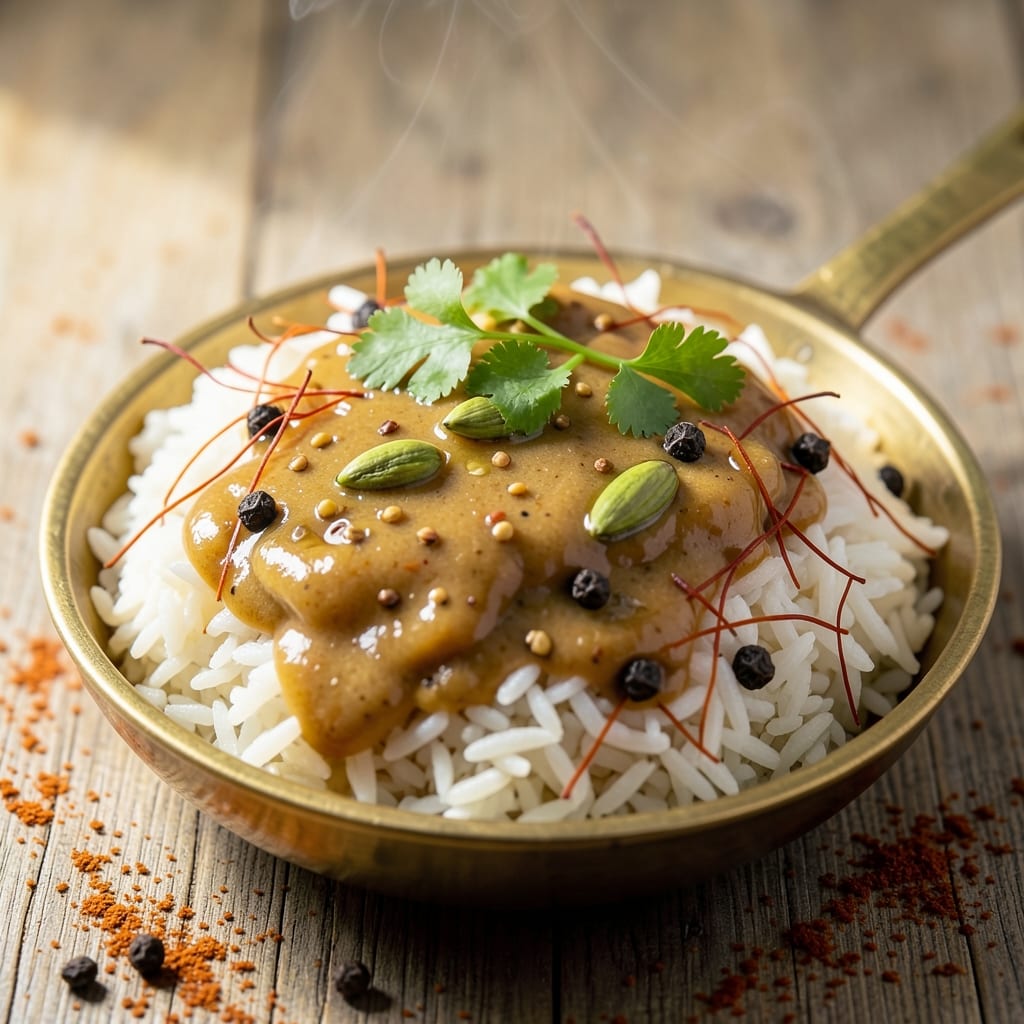
Andhra coconut rice transforms a simple grain into a fragrant, saffron-infused masterpiece that captures the essence of South Indian cuisine. This vegetarian dish balances creamy coconut milk with aromatic spices like cardamom and fennel, creating a dish that's both comforting and elegant. The key lies in the tempering—where mustard seeds and curry leaves sizzle to release their flavors before the rice absorbs the coconut milk's richness.
The recipe begins with parboiled rice cooked in coconut milk, which infuses the grains with a delicate sweetness and velvety texture. A pinch of saffron steeped in warm milk adds a luxurious golden hue and floral aroma, while green cardamom and black pepper elevate the dish with warmth. The result is tender, fragrant rice that's light yet satisfying, perfect for a vegetarian meal or festive gathering.
What sets this Andhra coconut rice apart is its versatility—serve it as a standalone dish or pair it with sambar, raita, or a simple cucumber salad for a complete meal. The dish stays fresh for up to two days in the refrigerator, making it ideal for meal prep. Each bite delivers a harmonious blend of coconut's creaminess, rice's mild sweetness, and the bright, earthy notes of the spices.
This recipe is designed for modern kitchens, with clear steps and adaptable quantities. Whether you're cooking for family or hosting guests, the process is straightforward yet rewarding. The end result is a dish that feels both traditional and refined—exactly what Andhra cuisine is known for.
Ingredients for andhra coconut rice
Balanced spices, creamy coconut, and fragrant saffron create this elegant vegetarian masterpiece.
| Ingredient | Amount | Notes |
|---|---|---|
| Long-Grain White Rice 🍚 | 1 cup | Uncooked, parboiled preferred |
| Coconut Milk 🥥 | 2 cups | Full-fat, canned preferred |
| Saffron Threads 🌼 | ⅛ tsp | High-quality, steeped in warm milk |
| Green Cardamom Pods 🌿 | 4 whole | Lightly crushed, seeds only |
| Black Peppercorns 🌶️ | ¼ tsp | Freshly ground preferred |
| Mustard Seeds 🌻 | ½ tsp | Whole, yellow variety |
| Curry Leaves 🌿 | ¼ cup | Fresh, dried as substitute |
| Fennel Seeds 🌾 | ¼ tsp | Lightly toasted for aroma |
| Ghee 🧈 | 2 tbsp | Clarified butter, vegetarian |
| Salt 🧂 | 1 tsp | Fine sea salt preferred |
| Fresh Cilantro 🌱 | ¼ cup | Chopped, for garnish |
| Cashew Nuts 🥜 | ¼ cup | Soaked, blended for creaminess |
| Water 💧 | 2 cups | For rice cooking |
The coconut milk is non-negotiable here—full-fat canned brands like Thai Kitchen deliver the richest flavor. Saffron loses potency fast, so buy it from a specialty spice shop like Penzeys or the bulk section at Whole Foods. Cardamom pods should be plump and green, not dried out. I always buy extra cashews—soaking them for 30 minutes makes blending easier, and they add a subtle sweetness that complements the coconut. For the rice, parboiled basmati holds up best to the coconut milk's moisture. If you can't find it, regular basmati works but may be slightly less tender.
No saffron? Turmeric at one-fourth the amount gives color, though it lacks the floral aroma. Fresh curry leaves are ideal but dried leaves at half the quantity work in a pinch. Substituting coconut milk? Heavy coconut cream plus water mimics the texture. The ghee can be swapped for vegetable oil or coconut oil, though ghee adds a deeper richness. For the cilantro, fresh is best—dried won't have the same bright finish. If you're short on time, pre-chopped cilantro from the grocery store works fine, just rinse it first to remove any dirt.
This dish tastes even better the next day as flavors meld—store in an airtight container for up to 2 days. For longer storage, freeze portions for 3 months. I always make extra because it pairs perfectly with sambar or raita. The rice stays warm for hours in a thermos-style container if you're serving at a gathering. Garnish with extra cilantro right before serving to keep it vibrant.
Why You'll Love This Recipe
- One-Pot Magic: I swear by this trick—just rice, coconut milk, and a few whole spices tossed in one pot. No measuring cups, no extra bowls, no stress. The cardamom and peppercorns infuse while the rice cooks, so you’re basically set-and-forget.
- Saffron Luxe: That tiny saffron strand? It turns ordinary rice into something ridiculously elegant. Honestly, it’s the secret weapon—just steep it in warm coconut milk for 10 minutes, and suddenly your meal feels like a restaurant dish. (Yes, even on a Tuesday night.)
- Leftovers That Shine: This rice actually improves the next day. The coconut milk soaks in, the spices deepen, and reheating is a breeze. I pack it for lunches, serve it cold with curries, or even toss it into stir-fries. Zero waste, all flavor.
- Budget Bright Spot: Coconut milk is cheap in cans, rice is a staple, and those whole spices last forever. Between us, this is my go-to when I’m broke but refuse to eat boring food. Plus, it stretches to feed four for under $5. Solid math.
Step-by-step instructions for Andhra coconut rice
This fragrant rice dish combines aromatic spices with creamy coconut for a restaurant-quality result.
🍳 Step 1: Prepare the Spiced Coconut Base
In a medium saucepan, combine the 2 cups coconut milk with the 0.25 cup soaked cashew nuts. Bring to a gentle simmer over medium heat and let it cook for 5-7 minutes until the cashews are completely softened and the mixture begins to thicken slightly. This creates a velvety base for the rice.
While the coconut mixture heats, lightly crush the 4 whole green cardamom pods and 0.25 tsp fennel seeds between two spoons. Add these to the pan along with the 0.5 tsp mustard seeds and 0.25 cup curry leaves. Stir constantly for 30 seconds until the mustard seeds begin to pop and release their nutty aroma. This is your signal that the spices are properly activated and ready to infuse the coconut mixture.
🍳 Step 2: Infuse with Saffron and Season
In a small bowl, steep the 0.125 tsp saffron threads in 2 tablespoons of warm water for 5 minutes to extract their vibrant color and floral aroma. This infusion is what gives Andhra coconut rice its signature golden hue and delicate perfume.
Add the steeped saffron mixture to the coconut pan along with the 1 tsp salt. Stir gently to combine, then reduce heat to low and let the entire mixture simmer for another 3-4 minutes while you prepare the rice. The coconut should now smell richly aromatic with notes of cardamom, saffron, and toasted spices.
🍳 Step 3: Cook the Perfectly Textured Rice
Rinse the 1 cup long-grain white rice under cold water until the water runs clear, then drain thoroughly. In a separate pot, combine the rice with the 2 cups water and bring to a boil over high heat. Once boiling, reduce heat to medium-low and cook uncovered for 10 minutes.
After 10 minutes, drain any remaining water and transfer the rice to a large mixing bowl. Pour the spiced coconut mixture over the rice and gently fold everything together using a wooden spoon. The rice should be coated evenly with the coconut mixture, absorbing its rich flavors and creamy texture. Cover the bowl and let it steam for 5 minutes to complete the cooking process.
🍳 Step 4: Finish with Ghee and Garnish
Melt the 2 tbsp ghee in a small pan over low heat until it begins to shimmer. Remove from heat and pour this fragrant ghee over the rice mixture. Gently fold it in so every grain is lightly coated, which will give the rice its signature sheen and nutty depth.
Finally, transfer the rice to a serving platter and garnish with the 0.25 cup chopped fresh cilantro and a sprinkle of freshly ground black peppercorns. The cilantro adds a bright, fresh contrast to the rich coconut flavors, while the peppercorns provide a subtle kick that balances the dish.
Pro Tips For Making Andhra Coconut Rice
- Bloom the Saffron: Crush those saffron threads with the back of a spoon before steeping—it releases more color and aroma. I used to just drop them in whole, and the rice always looked pale and underwhelming. Two minutes in warm water (not boiling) does the trick. ---
- Toast the Spices: Dry-toast cardamom pods and peppercorns in the same pot you’ll cook the rice—just until they sizzle and smell like a spice shop. This deepens their flavor way more than adding them raw. (Yes, even if you’re impatient like me.) ---
- Don’t Drown the Rice: Use one part rice to one part coconut milk—no more, no less. I learned this the hard way after making mushy, gluey rice by overdoing it. The milk should just cover the rice when raw, not swim over it. ---
- Simmer Gently: Once the rice absorbs the liquid, switch to lowest heat and let it steam uncovered for 5 minutes. Peeking or stirring too soon turns the rice gummy. Trust the process—your future self will thank you.
Common mistakes when making perfect results
Skipping the Tempering
One of the biggest mistakes is rushing the tempering step where mustard seeds and curry leaves sizzle in ghee. This critical phase releases their full aroma and flavor. If you skip it or undercook the spices, your rice will lack depth. I always heat the mustard seeds until they pop audibly—this takes about 30 seconds over medium heat. The curry leaves should turn vibrant green and release their citrusy fragrance. 🌶️
Using Low-Quality Saffron
Cheap saffron can turn your dish bitter or muddy in color. I’ve seen recipes where people use turmeric as a substitute, but it lacks the delicate floral aroma. Always buy saffron from a trusted source like Penzeys Spices or your local Indian grocery. Steep it in warm milk (not water) for 5-7 minutes to extract maximum flavor. A little goes a long way—just 0.125 tsp makes a difference!
Overcooking the Rice
Parboiled rice absorbs coconut milk differently than regular rice, so it’s easy to overcook it into mush. After the initial 10-minute boil**, drain it thoroughly and let it steam in the coconut mixture for only 5 minutes. If you’re unsure, test one grain—it should be tender but still hold its shape. Overcooked rice turns gummy and ruins the dish’s texture.
Ignoring the Ghee Finish
Many recipes skip the final ghee step, but this is what gives Andhra coconut rice its signature richness. The ghee should be melted until it shimmers (low heat for 1-2 minutes), then folded into the rice. This adds a nutty depth and prevents the coconut flavors from feeling too heavy. Don’t substitute with oil—ghee’s high smoke point and flavor are irreplaceable. 🧈
Not Steeping the Cashews
Soaking the cashews for at least 30 minutes before blending ensures they blend smoothly into a creamy paste. If you skip this, you’ll end up with gritty texture. I like to soak them in warm water to speed up the process. Blend them with the coconut milk until completely smooth—this creates the velvety base that makes the dish special.
Rushing the Simmering
The coconut mixture needs time to infuse with spices. After adding saffron and salt, let it simmer for 3-4 minutes—don’t rush it! This allows the cardamom and fennel to release their aromatic oils. If you skip this step, your rice will taste flat. The coconut should smell rich and fragrant before combining with the rice. Patience here makes all the difference! ⏳
Nutrition facts
Frequently asked questions
Can I make Andhra coconut rice without saffron?
Yes, but the dish will lose its signature golden color and floral aroma. Use ¼ tsp turmeric for color, though it won't replicate saffron's delicate perfume. For flavor, add 1 extra green cardamom pod and steep it longer in the coconut milk. The dish will still taste rich and aromatic, just with a different visual presentation.
How long does this recipe keep in the fridge?
The rice stays fresh for 2 days in an airtight container, with flavors actually improving as they meld. For longer storage, freeze portions for up to 3 months. Reheat gently in a pot with 1-2 tbsp water over low heat until warmed through. Avoid microwaving to prevent drying out.
What's the best way to serve Andhra coconut rice?
This dish shines as a complete meal on its own, but pairs beautifully with:
- Sambar (lentil stew) for protein balance
- Cucumber raita to cut the richness
- Mango pickle for a tangy contrast For a festive touch, serve with papadums or spiced papaya salad. The creamy rice works well for both lunch and dinner gatherings.
Can I substitute coconut milk with another dairy product?
Not recommended—coconut milk's unique sweetness and fat content are essential. For a lighter version, use 1 cup coconut milk + 1 cup heavy cream, but the texture will be less authentic. If you're avoiding coconut, try cashew cream (blend soaked cashews with water) for a similar richness, though the flavor won't be identical.
Why does my rice turn out mushy?
Overcooking is the most likely cause. Parboiled rice absorbs coconut milk differently—after the initial 10-minute boil**, drain thoroughly and steam for only 5 minutes in the coconut mixture. Also check your rice-to-water ratio: 1 cup rice to 2 cups water is correct. If using regular basmati, reduce simmering time to 3-4 minutes after combining with coconut.