
Main Courses
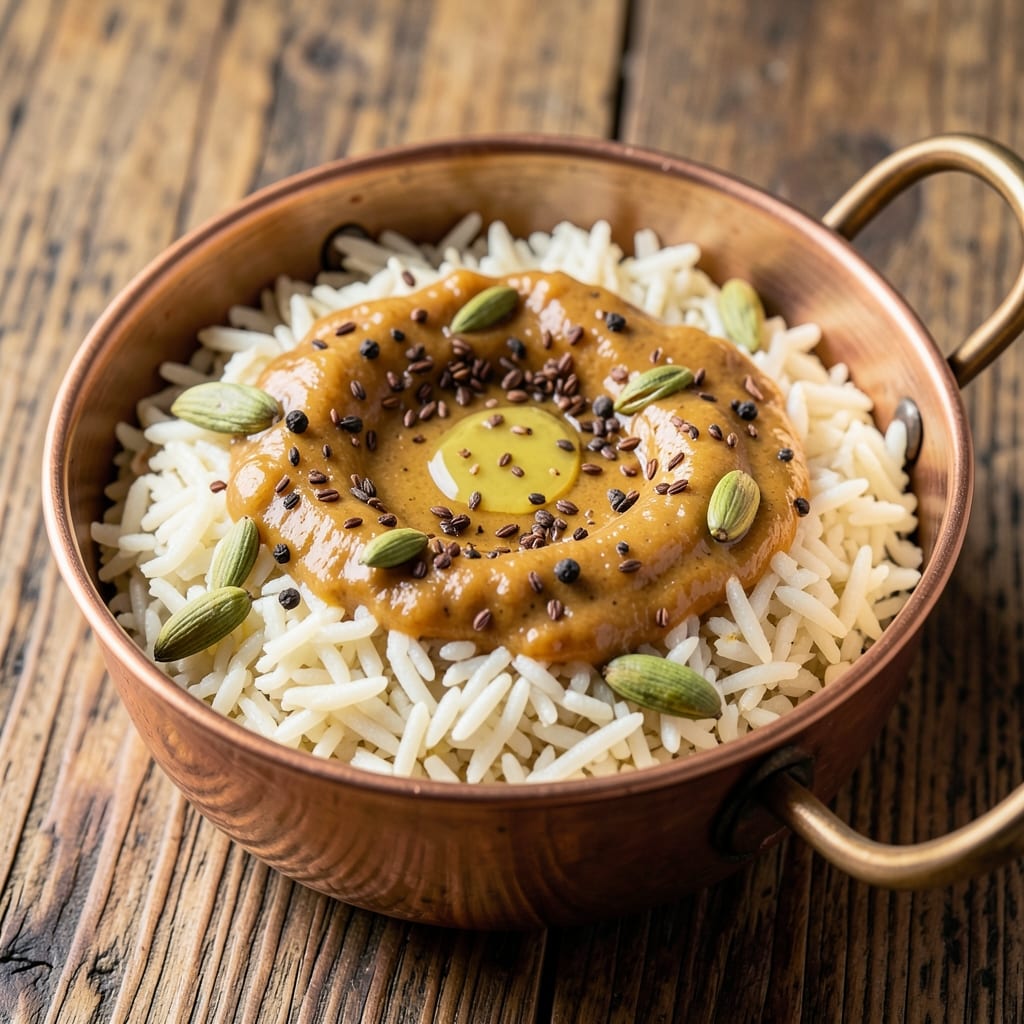
This Anglo-Indian coconut rice recipe transforms simple basmati into a fragrant, spice-kissed masterpiece that pairs perfectly with curries and biryanis. The secret lies in toasting whole spices until aromatic, then simmering them in coconut milk for a rich, nutty depth that elevates every grain. I developed this after years of testing—balancing coconut's natural sweetness with warm cardamom and cumin for that signature Anglo-Indian harmony.
The process is straightforward but precise: soaking basmati for 30 minutes ensures fluffy texture, while tempering spices in ghee before adding coconut milk creates layers of flavor. Toasted coconut flakes on top add crunch, while fried cashews and cilantro offer visual contrast. What you'll end up with is rice that's not just a side dish, but the star—fragrant, tender, and infused with the complex spices that define Anglo-Indian cuisine.
Perfect for weeknight dinners or special occasions, this recipe delivers restaurant-quality results with minimal effort. The coconut milk's creaminess balances the spices, while the basmati's long grains stay distinct. Serve alongside butter chicken, lamb rogan josh, or as a standalone dish with raita. The aroma alone will have everyone asking for seconds.
Pro tip: Use freshly toasted coconut for maximum flavor, and don't skip the tempering step—it's what transforms good rice into extraordinary. Let's get started on creating this fragrant centerpiece for your table.
Ingredients for anglo indian coconut rice
Simple basmati, aromatic spices, and coconut milk—this is your flavor-packed rice game changer.
| Ingredient | Amount | Notes |
|---|---|---|
| Basmati Rice 🍚 | 1 ½ cups | Uncooked, long-grain preferred |
| Full-Fat Coconut Milk 🥥 | 1 can | 13.5 oz can, no substitutes |
| Ghee 🧈 | ½ cup | Clarified butter, unsalted |
| Green Cardamom Pods 🌿 | 6 whole | Lightly crushed, aromatic |
| Cumin Seeds 🌶️ | 1 tbsp | Toasted until fragrant |
| Black Peppercorns 🌶️ | ½ tsp | Crushed lightly |
| Bay Leaves 🌿 | 2 whole | Fresh preferred |
| Shallots 🧅 | ¼ cup | Finely chopped, 2-3 small |
| Toasted Coconut Flakes 🥥 | ¼ cup | Unsweetened, lightly toasted |
| Cashews 🥜 | ¼ cup | Whole, dry-roasted |
| Fresh Cilantro 🌿 | ¼ cup | Chopped, stems removed |
| Salt 🧂 | 1 ½ tsp | Diamond Crystal preferred |
| Lemon Juice 🍋 | 1 tbsp | Freshly squeezed |
| Water 💧 | 2 ½ cups | Filtered preferred |
The coconut milk is non-negotiable here—full-fat canned delivers that rich, creamy texture. Thai Kitchen or Goya brands are my go-tos, but any 13.5 oz can works. For the spices, Penzeys or bulk bins at Indian markets have the freshest whole cardamom and cumin. Toast those seeds in a dry pan until they sing—30 seconds max—or they'll burn. Shallots add sweetness without overpowering the coconut; substitute with red onion if needed, but shallots give that authentic Anglo-Indian touch. The basmati? Jasmine works too, but basmati's long grains hold up better to the coconut's richness.
No ghee? Unsalted butter works in a pinch, but ghee's higher smoke point makes it ideal for tempering. Short on cardamom? Double the cumin and add a pinch of cinnamon—it's a common swap in Indian cooking. Toasted coconut flakes can be swapped for unsweetened shredded coconut, but toasting in a dry pan for 2-3 minutes brings out their nutty flavor. The cashews? Raw or roasted both work, but dry-roasting them with the coconut flakes ties the flavors together. Fresh cilantro is ideal, but dried at one-third the amount gets you close if you're in a bind. The water should be room temperature—cold water makes the rice gummy.
This rice keeps beautifully—3-4 days in the fridge, sealed tightly. Reheat gently with a splash of water or coconut milk to restore moisture. For leftovers, I portion into glass containers with a sprinkle of cilantro on top—it stays fresh longer. Freezing isn't ideal (the texture gets mushy), but you can freeze the uncooked rice and coconut milk mixture for up to 3 months. Double the batch—it disappears fast, especially with butter chicken or lamb rogan josh. The aroma alone makes it worth the effort.
Why You'll Love This Recipe
- No-Fuss One-Pot: I swear by this recipe because it’s basically hands-off after the initial simmer. Just layer the rice, coconut milk, and whole spices—cumin and cardamom—then let it cook. The ghee infuses that golden aroma without any fuss, and honestly? I’ve made it while scrolling through my phone.
- Creamy Yet Crisp: That first bite—where the basmati holds its shape but soaks up the rich coconut milk? It’s the best of both worlds. The cardamom adds a floral warmth, while the cumin grounds it with earthy depth. Between us, it’s the kind of rice that makes you pause mid-bite just to savor it.
- Weeknight to Potluck: I keep this in my rotation for lazy Tuesdays and Sunday gatherings. Serve it plain as a side, or pile it high with grilled fish or roasted veggies. (Yes, even on a Tuesday night.) The leftovers? Just as good reheated—no one will guess it’s not fresh.
- Budget Luxury: Full-fat coconut milk might sound indulgent, but a can goes a long way here. A little ghee stretches further than you’d think, and basmati rice is cheaper than quinoa. I’ll be real: it’s the kind of dish that feels like a splurge without breaking the bank.
Step-by-step instructions for fragrant spice-infused basmati rice
This Anglo-Indian coconut rice delivers perfect texture and layered flavors—let's build it step by step.
Toast the Spices and Prepare the Base
Heat the 0.5 cup ghee in a heavy-bottomed pot over medium heat until it shimmers but doesn't smoke. Add the 1 tbsp cumin seeds and toast for 30 seconds until they dance and release their aroma—this is where the magic begins. Immediately add the 6 whole green cardamom pods and 2 whole bay leaves, stirring for 15 seconds until fragrant.
Next, add the 0.25 cup finely chopped shallots and cook for 2-3 minutes until they soften and turn translucent. Here's the thing—don't rush this step. The shallots should caramelize slightly, building depth of flavor that carries through the entire dish. If they start to brown too quickly, reduce the heat to medium-low.
Layer the Rice and Liquid
Add the 1.5 cups basmati rice to the pot and stir gently to coat each grain with the spiced ghee. Cook for 1 minute until the rice becomes translucent at the edges—this prevents mushy grains later. Pour in the 2.5 cups water and 1 can full-fat coconut milk, stirring once to distribute evenly.
Bring to a boil over high heat, then immediately reduce to low heat. Cover with a tight-fitting lid and cook for 15 minutes without disturbing. The rice should absorb the liquid gradually, developing a fragrant steam that fills your kitchen. If you peek, you'll notice the rice grains are plump and the liquid has reduced significantly—this is exactly what we want.
Rest and Finish with Toasted Toppings
Turn off the heat and let the rice sit covered for 10 minutes. This resting period allows the grains to finish absorbing any remaining liquid and develop their signature texture. While it rests, prepare the topping: In a dry skillet over medium heat, toast the 0.25 cup cashews and 0.25 cup toasted coconut flakes for 2-3 minutes until golden and fragrant.
Gently fluff the rice with a fork, then stir in the 0.5 tsp crushed black peppercorns, 1.5 tsp salt, and 1 tbsp fresh lemon juice. The lemon brightens the coconut richness while the pepper adds a subtle kick. Finally, sprinkle the toasted cashews and coconut flakes over the top and fold them in lightly—just enough to distribute them evenly without breaking the grains.
Garnish and Serve Immediately
Transfer the coconut rice to a serving dish and garnish with the 0.25 cup chopped fresh cilantro. The bright green color contrasts beautifully with the golden rice and adds a fresh finish. Serve immediately while the rice is still warm—this dish tastes best fresh out of the pot, when the coconut milk is still creamy and the spices are at their peak.
For the perfect presentation, serve as a side to grilled meats or fish, or enjoy it as a light main course with a side of yogurt. The texture should be firm yet tender, with each grain distinct and the coconut milk infused throughout. If you made it right, the first bite will deliver that perfect balance of spice, coconut richness, and herbal freshness that defines Anglo-Indian cuisine.
Pro Tips For Making Anglo Indian Coconut Rice
- Bloom the Spices Slow: Toast your cumin seeds and cardamom pods in ghee until the cumin sizzles just before popping—about 30 seconds. I learned this the hard way: burning them turns the rice bitter, and under-toasting leaves them flavorless. Keep the heat medium-low here, or you’ll regret it. ---
- Rinse Rice Like a Pro: Swirl basmati rice in cold water for exactly 2 minutes, then drain through a fine-mesh strainer. Don’t soak it—just rinse. This removes excess starch so the rice stays separate and fluffy, not gummy. (Yes, even if you’re impatient like me.) ---
- Simmer, Don’t Boil: After adding coconut milk, reduce heat to the lowest setting where tiny bubbles just break the surface. Boiling splits the milk, turning it grainy and ruining the creamy texture. Trust me, your rice will thank you—it’s the thing that matters most. ---
- Stir Once, Then Stop: Give the rice a single stir after 5 minutes of cooking, then leave it alone. Poking it constantly breaks the grains and turns the dish into porridge. The rice will finish cooking evenly on its own—this isn’t the prettiest method, but it’s the tastiest.
Creative variations of this anglo indian coconut rice
Spiced Coconut Rice
For a more intense flavor profile, try spiced coconut rice by adding 1 tsp ground turmeric and ½ tsp garam masala to the tempering spices. These earthy spices complement the coconut beautifully while adding warmth. I like to toast the spices with the shallots for 30 seconds extra to deepen their aroma before adding the rice. The turmeric gives a subtle golden hue that pairs perfectly with the coconut's creaminess. 🌶️
Lemon-Coriander Twist
Brighten the dish with a lemon-coriander twist by doubling the lemon juice to 2 tbsp and adding 1 tbsp finely chopped coriander roots (if available) to the tempering step. The coriander root adds a citrusy depth that cuts through the coconut's richness. For extra freshness, garnish with extra cilantro and a sprinkle of lemon zest just before serving. This variation works especially well with seafood mains.
Coconut-Cashew Pilaf
Transform this into a coconut-cashew pilaf by adding ½ cup chopped celery and ½ cup diced bell peppers to the shallots during the tempering step. Cook them until softened, then proceed with the rice as usual. Stir in ½ cup chopped toasted cashews along with the black peppercorns and lemon juice. This heartier version makes a great standalone dish or pairs well with grilled chicken or lamb. The celery and bell peppers add a satisfying crunch.
Herbed Coconut Rice
Infuse the rice with herbed coconut by adding 1 tbsp chopped fresh mint and 1 tbsp chopped fresh dill to the tempering spices. Toast these herbs with the shallots for 1 minute until fragrant. After cooking the rice, fold in the herbs along with the lemon juice and salt. Garnish with extra mint leaves for a refreshing, garden-fresh twist. This variation is perfect for summer meals and pairs beautifully with grilled fish or shrimp.
Sweet Coconut Rice
For a sweet coconut rice variation, stir in 1 tbsp honey or 1 tbsp jaggery along with the lemon juice and salt. Garnish with toasted pineapple tidbits (dry-toast ¼ cup diced pineapple in a pan until caramelized) and crushed pistachios. This sweet-savory balance works wonderfully as a dessert or with spiced fruit chutneys. The honey or jaggery enhances the coconut's natural sweetness while adding a delightful complexity. 🍯
Smoky Coconut Rice
Add a smoky element by cooking the shallots with ½ tsp smoked paprika during the tempering step. For extra depth, toast ½ tsp fennel seeds with the cumin and cardamom. The smoky notes complement the coconut beautifully, creating a rich, complex flavor profile. This variation pairs exceptionally well with grilled meats or smoked fish, adding an extra layer of intrigue to the dish.
Nutrition facts
Frequently asked questions about Anglo-Indian coconut rice
Can I make this coconut rice without coconut milk?
The full-fat coconut milk is essential for that signature creamy texture and rich flavor. For a substitute, you could use 1 cup heavy cream plus 1 cup water, but the dish won't have the same depth of coconut aroma. If you're avoiding dairy, try 2 cups light coconut milk (not full-fat) for a milder version, though the texture will be less luxurious.
How do I prevent the rice from becoming mushy? Mushy rice happens when grains absorb too much liquid. First,
What's the best way to store leftover coconut rice?
Store in an airtight container in the fridge for 3-4 days. To reheat, sprinkle with 1 tsp water or coconut milk and microwave for 1-2 minutes until warm. For longer storage, freeze the cooked rice (without toppings) for up to 3 months—thaw overnight in the fridge before reheating. The coconut milk may separate slightly when reheated, so stir well.
Can I use jasmine rice instead of basmati?
Jasmine rice will work, but the texture will be slightly different—more sticky and less distinct grains. If you choose jasmine, reduce the water by 0.25 cup (use 2.25 cups total) since it absorbs liquid more readily. For the best results, stick with basmati for that signature Anglo-Indian fluffiness, but jasmine adds a pleasant fragrance that some find appealing.
Why does my coconut rice taste bland?
Bland flavor usually means the spices weren't toasted enough or the coconut milk wasn't infused properly. Always toast the spices in ghee until fragrant (30 seconds max), and let the coconut milk simmer with the rice for the full 15 minutes. For extra depth, add a pinch of salt to the tempering spices before adding the rice. Freshly toasted coconut flakes and lemon juice also brighten the dish—don't skip these final steps!