
Main Courses
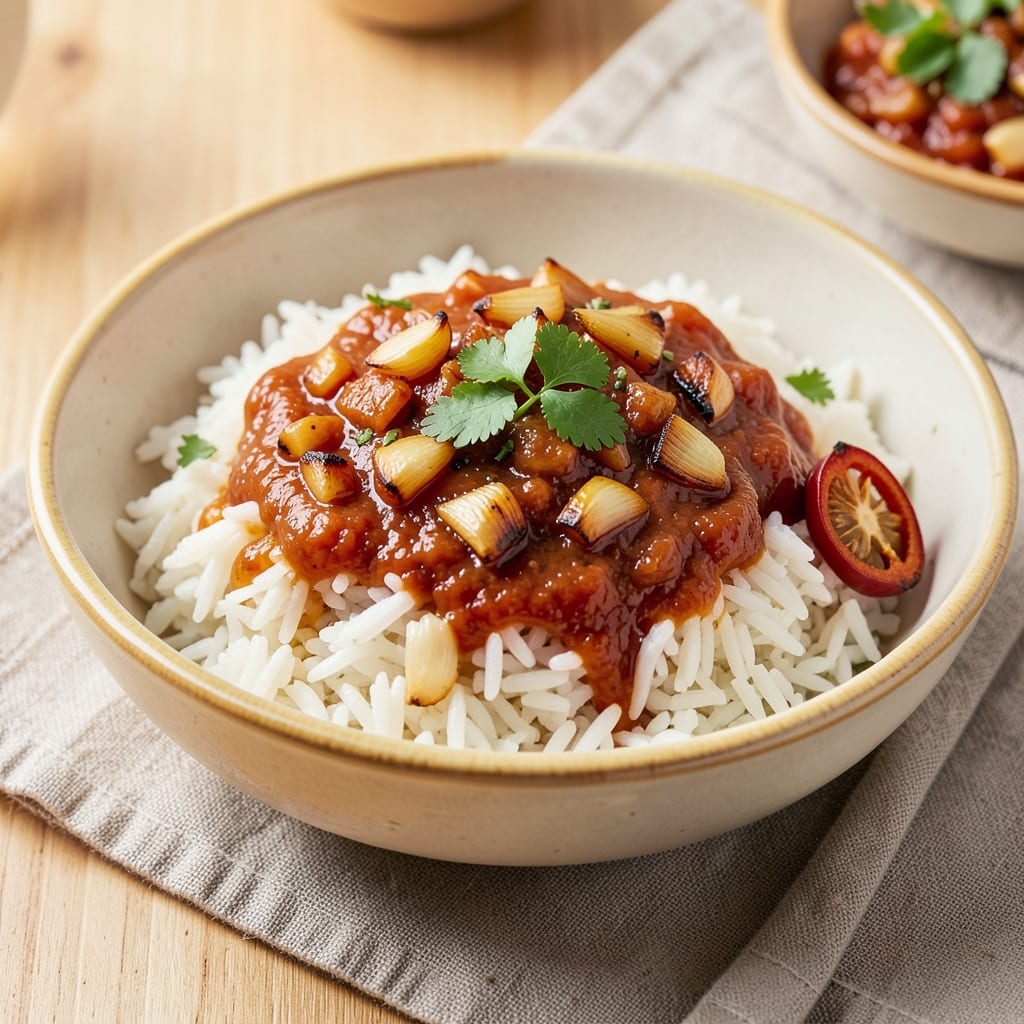
Antiguan seasoned rice transforms a simple side into a flavor-packed centerpiece with its aromatic blend of coconut, tomatoes, and fiery Scotch bonnet peppers. This one-pot recipe delivers the same bold Caribbean flavors you'd find at a local restaurant, but with a technique that's surprisingly straightforward. The key lies in toasting the spices until they release their deep, earthy aromas—this step alone makes all the difference between ordinary rice and something extraordinary.
What sets this dish apart is the balance of textures and flavors: tender rice infused with coconut milk, bright tomato sauce, and a subtle heat from the peppers. Traditional methods call for cooking the rice in a heavy pot with a tight-fitting lid, which helps steam the grains to perfect fluffiness while absorbing all those rich flavors. I've simplified the process slightly for home cooks, but the core technique remains the same—patience and attention to the spices.
The result is a fragrant, slightly sticky rice with pockets of flavor in every bite—where the coconut adds creaminess, the tomatoes bring tang, and the spices deliver that unmistakable Caribbean warmth. This dish pairs beautifully with grilled fish, curried meats, or even as a standalone meal with a side of coleslaw. The best part? It all comes together in one pot with minimal cleanup.
For an extra layer of authenticity, consider adding pigeon peas—a staple in Antiguan cuisine—but even without them, this recipe delivers restaurant-quality results. The secret is letting the spices bloom before adding the rice, which builds depth of flavor that's impossible to achieve otherwise. Let's get cooking!
Ingredients for antiguan seasoned rice
Caribbean-inspired spices meet creamy coconut and vibrant tomatoes in this one-pot masterpiece.
| Ingredient | Amount | Notes |
|---|---|---|
| Long-Grain White Rice 🍚 | 1 ½ cups | Uncooked, rinsed thoroughly |
| Coconut Milk 🥥 | 1 can | Full-fat, 13.5 oz can |
| Tomato Paste 🍅 | ½ cup | Smooth, no sugar added |
| Scotch Bonnet Peppers 🌶️ | 1 whole | Fresh, seeded, minced |
| Yellow Onion 🧅 | 1 whole | Medium, diced |
| Garlic Cloves 🧄 | 4 cloves | Fresh, minced |
| Thyme Leaves 🌿 | 1 tbsp | Fresh, chopped |
| Ground Cumin 🌶️ | 1 tsp | Toasted for aroma |
| Ground Allspice 🌶️ | ½ tsp | Freshly ground preferred |
| Salt 🧂 | 1 ½ tsp | Kosher or sea salt |
| Black Peppercorns 🌶️ | ½ tsp | Freshly cracked |
| Vegetable Oil 🫒 | 2 tbsp | High smoke point |
| Water 💧 | 1 ½ cups | Filtered preferred |
| Pigeon Peas (Optional) 🌾 | ½ cup | Dried, soaked overnight |
The Scotch bonnet peppers are non-negotiable for authentic heat—look for vibrant red ones at Caribbean markets or Latin grocery stores. If you can't find them, Habanero peppers work in a pinch, but reduce the amount by half. For the coconut milk, Aroy-D brand is my go-to—it's consistently rich and full-fat, which gives the rice that signature creaminess. The tomato paste should be smooth and unsweetened; Rao's or Mutti are excellent choices. Toasting the spices—cumin, allspice, and thyme—before adding liquid is crucial; this step unlocks their deep, earthy aromas that define this dish. Penzeys Spices sells pre-toasted blends if you're short on time.
No Scotch bonnet? Substitute with 1/4 tsp cayenne pepper for a milder heat, but expect a different flavor profile. Fresh thyme unavailable? Dried thyme at one-third the amount works, though the flavor will be more subdued. The pigeon peas, while traditional, are optional—black-eyed peas or kidney beans make excellent substitutes if you want to add protein. For the rice, jasmine or basmati can replace long-grain white, though the texture will differ slightly. The vegetable oil should have a high smoke point; avocado or refined coconut oil are great alternatives to standard vegetable oil. Always rinse the rice thoroughly before cooking to remove excess starch and prevent gumminess.
Store any leftovers in an airtight container for up to 4 days in the refrigerator, though the flavors actually deepen overnight. For longer storage, freeze portions for up to 3 months—just thaw in the microwave with a splash of water to restore moisture. This rice reheats beautifully; I prefer the stovetop method over the microwave to maintain texture. For meal prep, double the recipe and portion into containers. The pigeon peas, if used, should be soaked overnight and cooked separately before mixing with the rice to ensure even tenderness. Always taste as you go—adjust salt and pepper to your preference, as the Scotch bonnet's heat can vary.
Why You'll Love This Recipe
- One-Pot Magic: I swear by this—just rice, coconut milk, and a few pantry staples in one pot. No fancy techniques, no extra dishes. The onions caramelize while the rice cooks, and the Scotch bonnet peppers infuse that signature heat without overpowering.
- Creamy Heat Bomb: That balance of coconut milk’s richness and Scotch bonnet’s fiery kick? It’s the kind of flavor you’ll reach for again. The tomato paste adds depth, so it’s not just sweet or spicy—it’s complex, like a little Caribbean vacation in every bite.
- Meal Prep MVP: Make a big batch on Sunday, and it’s ready to reheat all week. Pairs perfectly with grilled chicken, fish, or even just eggs for breakfast. Honestly, I keep a jar of the seasoning mix on hand just for this—it’s my lazy dinner’s secret weapon.
- Budget-Friendly Luxury: Long-grain rice and coconut milk stretch into a satisfying side that feels fancy. No expensive spices or obscure ingredients—just bold, restaurant-quality taste for pennies. Plus, leftovers reheat beautifully, so you’re not wasting a thing.
Step-by-step instructions for Antiguan seasoned rice
This vibrant Caribbean rice delivers deep, layered flavors in a single pot—just as it's traditionally made.
Sauté the Aromatics in Vegetable Oil
Heat the 2 tablespoons vegetable oil in a heavy-bottomed pot over medium heat. Add the diced yellow onion and cook for 3-4 minutes until softened and translucent. This foundational step builds flavor by caramelizing the onion's natural sugars.
Add the minced Scotch bonnet peppers and minced garlic cloves, cooking for another 2 minutes until the garlic turns golden and fragrant. The Scotch bonnet adds a subtle heat that balances the dish—use gloves when handling it to avoid skin irritation. Stir frequently to prevent burning, as garlic can scorch quickly at this stage.
Toast the Spices for Depth of Flavor
Reduce heat to medium-low and add the 1 tablespoon chopped thyme leaves, 1 teaspoon ground cumin, and ½ teaspoon ground allspice. Stir continuously for 1-2 minutes until the spices release their aromatic oils and fill your kitchen with warmth. This toasting step is crucial—it prevents the spices from tasting raw and bitter.
Next, add the ½ cup tomato paste and cook for 3 minutes, stirring constantly. The paste will darken slightly as it thickens, forming a rich base for the rice. If using the ½ cup soaked pigeon peas, add them now and stir to coat in the spiced paste. Their earthy flavor complements the coconut perfectly.
Combine Wet Ingredients and Bring to a Simmer
Pour in the 1 can coconut milk and 1½ cups water, stirring to dissolve the tomato paste completely. Add the 1½ cups long-grain white rice, spreading it evenly to ensure all grains touch the liquid. Season with 1½ teaspoons salt and ½ teaspoon cracked black peppercorns, then bring to a gentle boil over medium-high heat.
Once boiling, reduce heat to low and cover the pot with a tight-fitting lid. Let it simmer undisturbed for 20 minutes—this allows the rice to absorb the coconut milk and develop its signature creamy texture. Avoid peeking or stirring, as this disrupts the cooking process and can make the rice mushy.
Steam and Rest for Perfect Texture
After 20 minutes, turn off the heat and let the rice sit covered for 10 minutes**. This resting period is essential—it allows the residual heat to finish cooking the rice evenly and redistribute the coconut milk throughout. The grains should be tender but still hold their shape, with a slight bite in the center.
Fluff the rice gently with a fork, separating the grains to release any trapped steam. The finished dish should have a rich, golden hue from the tomato paste and a fragrant aroma of coconut, thyme, and allspice. Serve immediately as a side to grilled meats or fish, or enjoy it as a standalone dish with a sprinkle of fresh cilantro if desired.
Pro Tips For Making Antiguan Seasoned Rice
- Bloom the Tomato Paste: Heat the tomato paste in the pot for 2-3 minutes before adding anything else—this deepens its flavor and prevents that raw, chalky aftertaste. I used to skip this, and the rice always tasted like it was missing something. Trust me, those few minutes make a real difference. ---
- Toast the Onions Low: Cook the onions on medium-low heat until they’re golden and sweet, not browned—this keeps them from burning while building flavor. High heat turns them bitter, and you’ll end up masking the coconut milk’s richness instead of letting it shine. ---
- Rinse the Rice Twice: Give that long-grain rice a double rinse under cold water until the water runs clear—this removes excess starch so the grains stay separate and fluffy. I learned this the hard way after ending up with a gluey mess that stuck to the pot like cement. ---
- Simmer the Coconut Milk: Once the rice is absorbed, bring the coconut milk to a gentle simmer (not a boil) and cover tightly—this lets the milk infuse without scalding the rice. Boiling it turns the rice mushy, and you’ll lose that creamy, fragrant texture you’re after.
Regional styles of this dish
Traditional Antiguan Method
In Antigua, this rice is traditionally cooked in a heavy-bottomed pot called a "one-pot" or "steamer pot"—often made of stainless steel or cast iron—to distribute heat evenly. The dish is always prepared with Scotch bonnet peppers (never substituted) and pigeon peas, which are soaked overnight for a creamy texture. The key technique is low-and-slow simmering—never stirring once the rice is added—to prevent mushiness and achieve that signature fluffy yet slightly sticky consistency. 🥥
Many Antiguan families use coconut milk from local vendors instead of canned, which adds a richer, fresher flavor. The dish is often served as part of a "Sunday dinner" spread, paired with grilled saltfish, curried goat, or stewed chicken. The spices are toasted in clarified butter (ghee) rather than oil, adding a nutty depth that sets it apart from other Caribbean rice dishes.
Barbados vs. Antigua
While both islands share Caribbean roots, Barbadian seasoned rice typically includes kidney beans instead of pigeon peas and uses hot pepper sauce for heat. In Antigua, the focus is on whole spices (thyme, allspice, cumin) toasted to perfection, while Barbados often incorporates mustard seeds and curry powder. The Antiguan version also tends to be slightly creamier due to the coconut milk, whereas Barbadian rice is often lighter and more tomato-forward.
If you're craving a Barbadian twist, swap the pigeon peas for ½ cup kidney beans and add ½ teaspoon mustard seeds when toasting the spices. Use less coconut milk (½ can) and more tomato paste (⅔ cup) to balance the flavors. The heat profile will shift from smoky to slightly tangy, but the technique remains the same.
Jamaican Adaptation
Jamaican seasoned rice often replaces coconut milk with butter beans or gungo peas, but the Antiguan version keeps the coconut base for a richer mouthfeel. Jamaican cooks frequently add scotch bonnet jam (a sweet-spicy condiment) to the finished rice, while Antigua leans into fresh herbs like thyme and scallions. The Jamaican method also includes more tomato sauce (sometimes blended with peppers), giving it a bolder red hue compared to Antigua’s golden-brown finish.
For a Jamaican-inspired Antiguan rice, stir in 1 tablespoon Jamaican scotch bonnet jam during the final 5 minutes of cooking. Add ½ cup butter beans (soaked overnight) and reduce the coconut milk to ½ can. The result is a sweet-heat balance that’s distinctly Jamaican while keeping the Antiguan technique intact.
Modern Shortcut
Short on time? Skip the soaking step for pigeon peas by using ½ cup canned butter beans (drained and rinsed). Toast the spices in 1 tablespoon coconut oil (instead of vegetable oil) for a more authentic aroma. Use instant rice (like Uncle Ben’s Converted) to cut cooking time to 15 minutes, though the texture will be slightly softer. For extra flavor, stir in 1 teaspoon soy sauce during the final 2 minutes of cooking—it adds umami depth without overpowering the dish. 💡
To save even more time, pre-chop all aromatics (onion, garlic, peppers) and store them in a glass jar in the fridge for up to 3 days. When ready to cook, simply toss them into the pot with the oil. For a weeknight shortcut, use pre-minced garlic (from a jar) and frozen diced onions—just thaw them first for even cooking.
Nutrition facts
Frequently asked questions
Why does the recipe call for toasting the spices?
Toasting the spices—like thyme, cumin, and allspice—releases their essential oils, creating deep, aromatic flavors that raw spices can't match. This step is crucial for that authentic Antiguan taste and prevents the spices from tasting bitter.
Can I make this recipe without Scotch bonnet peppers?
Yes! For a milder heat, use ¼ teaspoon cayenne pepper or ½ teaspoon habanero pepper (seeded and minced). However, the flavor profile will differ slightly. If you can't find Scotch bonnet, try a blend of allspice and thyme for a similar warmth without the heat.
What's the best way to store leftovers?
Store cooked rice in an airtight container in the fridge for up to 4 days. For longer storage, freeze portions for up to 3 months. Reheat gently on the stovetop with a splash of water to restore moisture—microwaving can make it dry. The flavors actually deepen overnight!
How do I adjust this for a larger crowd?
Double all ingredients and use a larger, heavy-bottomed pot. The key is maintaining the same rice-to-liquid ratio (1:1.5) and cooking time (20 minutes simmered). For 8 servings, use 3 cups rice, 2 cans coconut milk, and 3 cups water. Keep the spices proportional to avoid overpowering the dish.
What's the deal with the pigeon peas? Can I skip them?
Pigeon peas add earthy texture and protein, but they're optional! Substitute with ½ cup black-eyed peas or kidney beans (soaked overnight). For a vegan version, use ½ cup chickpeas instead. If skipping entirely, reduce the water by ¼ cup** to maintain the creamy coconut consistency.