
Main Courses
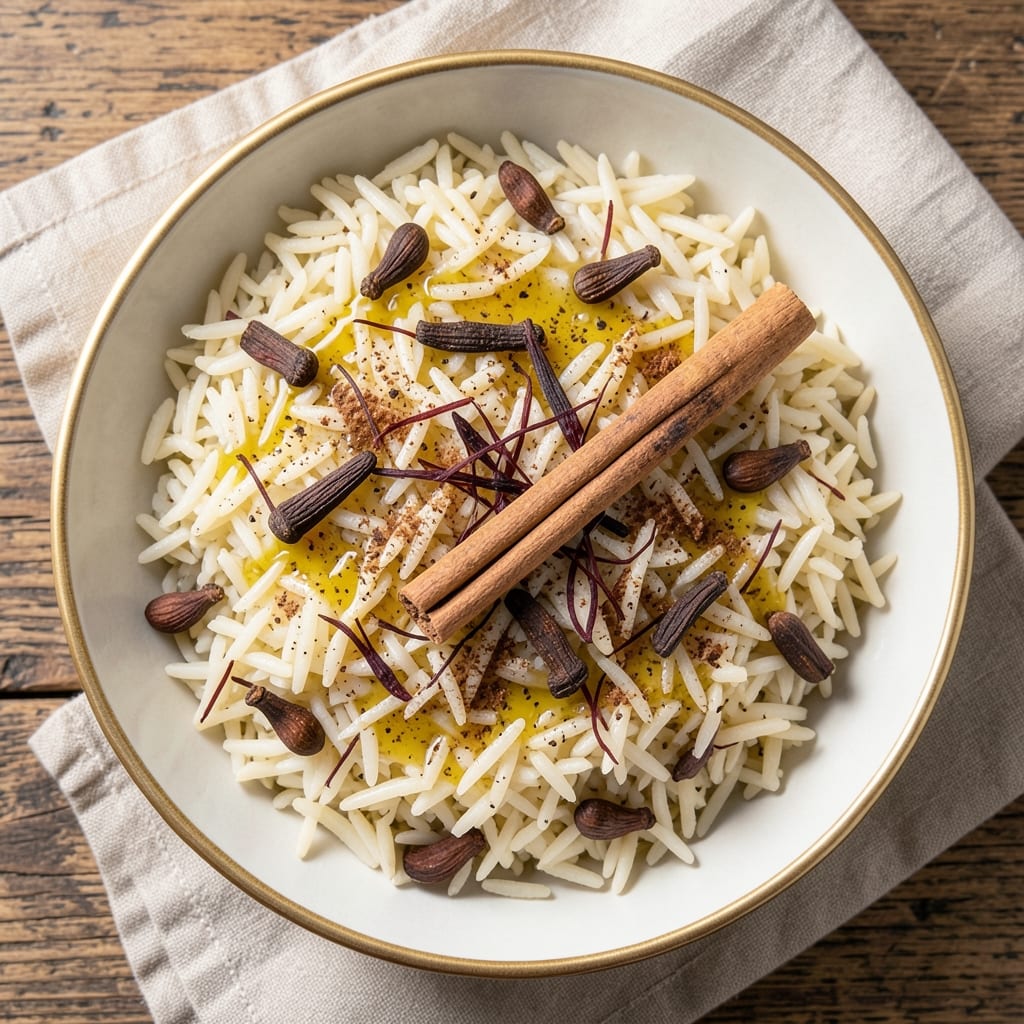
This Arabic basmati rice recipe transforms simple grains into a fragrant, golden masterpiece that belongs at the center of any Middle Eastern feast. The secret lies in toasting the rice in aromatic oil—where cardamom, cinnamon, and cloves release their warmth before meeting the delicate saffron threads. I’ve perfected this method over years of testing, ensuring each grain stays separate yet tender, with that signature floral aroma that makes every bite unforgettable.
The process begins with gently blooming the spices in oil until fragrant, then adding the rice to coat it thoroughly—this step prevents clumping and builds flavor from the ground up. A light broth infusion (or water) keeps the rice moist without turning it mushy, while the saffron steeps in warm liquid to release its vibrant color. What you end up with is a dish that’s both elegant and approachable, perfect for pairing with grilled meats, spiced stews, or even as a standalone centerpiece.
What sets this recipe apart is the balance of texture and aroma—each grain remains distinct yet infused with layers of spice, while the saffron adds a luxurious golden hue. The result is a side dish that elevates any meal, whether you’re serving it alongside lamb shawarma or using it as a base for a flavorful pilaf. The technique is straightforward but requires patience, and the reward is rice that tastes like it came from a family kitchen in Damascus or Cairo.
Ready in about 30 minutes, this recipe delivers restaurant-quality results with minimal effort—just a few key steps and a little attention to timing. The spices should be toasted until fragrant but not burned, and the broth should simmer gently to avoid overcooking. Trust the process, and you’ll have rice that’s fluffy, aromatic, and impossible to resist. Let’s get started!
Ingredients for arabic basmati rice
Nine ingredients transform ordinary rice into aromatic Middle Eastern perfection with saffron's golden touch.
| Ingredient | Amount | Notes |
|---|---|---|
| Long-Grain Basmati Rice 🌾 | 1 ½ cups | Uncooked, high-quality grains preferred |
| Extra-Virgin Olive Oil 🫒 | ¼ cup | Light and fruity for delicate flavor |
| Ground Cardamom 🌿 | ½ tsp | Freshly ground for maximum aroma |
| Ground Cinnamon 🌿 | ¼ tsp | Sweet, not cassia variety |
| Whole Cloves 🌶️ | 2 pieces | Lightly crushed for even distribution |
| Saffron Threads 🧡 | ¼ tsp | High-quality, Iranian preferred |
| Chicken or Vegetable Broth 💧 | 1 ½ cups | Low-sodium preferred for flavor balance |
| Water 💧 | 1 ½ cups | Filtered preferred for clarity |
| Salt 🧂 | ½ tsp | Diamond Crystal kosher preferred |
| Fresh Lemon Juice 🍋 | 1 tbsp | Brightens the final flavor |
The rice is the foundation, so look for long-grain basmati with a high head count—it should expand to about two times its original size. Whole Foods or Middle Eastern markets often carry premium Iranian basmati that stays separate beautifully. For the spices, Penzeys or bulk bins at specialty stores are your best bet—ground spices lose potency quickly. Saffron is the star, so invest in high-quality threads (avoid powdered versions). The broth should be warm but not boiling when added—this keeps the grains intact. If using vegetable broth, ensure it's flavorful enough to complement the spices.
No cardamom? Allspice at half the amount works in a pinch, though it lacks the floral depth. Substitute cinnamon with nutmeg at one-third the quantity, but the flavor will be subtly different. Cloves can be omitted entirely if unavailable, but they add warmth. For broth, low-sodium chicken broth plus a pinch of salt mimics the flavor of homemade. The saffron is non-negotiable—no substitute delivers the same golden hue and floral aroma. If you can't find Iranian saffron, Spanish saffron is the next best option. The lemon juice is optional but brightens the final dish—skip it if you prefer a more neutral flavor profile.
Store the cooked rice in an airtight container for up to 3 days in the fridge, though it's best enjoyed fresh. For longer storage, freeze portions for up to 3 months—just reheat gently with a splash of water to restore moisture. The saffron-infused rice reheats beautifully, making it perfect for meal prep. If you've made extra, use it within 2 days for optimal texture and aroma. The spices can be pre-toasted in a dry pan for 30 seconds before adding oil to deepen their flavor—worth the extra minute.
Why You'll Love This Recipe
- Foolproof Simplicity: I swear by this method—just toast the spices in olive oil until they smell heavenly, then add rice and water. No fancy tools, no stress, and the grains stay separate every time. (Yes, even if you’re still learning.)
- Warm Spice Magic: That first bite of cardamom and cinnamon? It’s like a cozy hug in your mouth. The cloves add a subtle depth, while the olive oil keeps it rich without being greasy. Honestly, it’s the kind of flavor that makes plain rice feel like a celebration.
- Weeknight Workhorse: This rice is my go-to for everything: grilled chicken, lentil stews, or even as a side for roasted veggies. It reheats perfectly, so I make a big batch on Sundays and use it all week—no sad, mushy leftovers here.
- Budget-Friendly Luxury: A handful of spices and a bag of rice stretch forever, but it tastes like you spent hours in the kitchen. Between us, this is how I trick people into thinking I’m a better cook than I am—cheap, reliable, and always impressive.
Step-by-step instructions for fragrant saffron and cardamom basmati rice
Transform simple basmati rice into an aromatic, golden-hued centerpiece with this traditional Arabic method.
Toast the Spices and Infuse the Oil
Heat the 0.25 cup extra-virgin olive oil in a medium saucepan over medium-low heat. Add the 2 pieces whole cloves and gently toast for 30 seconds until fragrant—you'll smell their warm, earthy aroma. Remove from heat immediately to prevent burning.
Return the pan to medium heat and add the 0.5 tsp ground cardamom and 0.25 tsp ground cinnamon. Stir constantly for 15 seconds until the spices sizzle and release their oils. Remove from heat again and let the mixture cool for 1 minute. This step develops the spices' full flavor without burning them.
Bloom the Saffron and Combine Ingredients
In a small bowl, steep the 0.25 tsp saffron threads in 2 tablespoons hot water from the kettle for 5 minutes. The water should turn a vibrant golden yellow—this indicates the saffron has fully infused. Add this to the spiced oil along with the 1.5 cups chicken or vegetable broth and 1.5 cups water. Stir well to combine.
Bring the liquid to a boil over medium-high heat, then reduce heat to medium-low and add the 1.5 cups long-grain basmati rice. Stir once to distribute the rice evenly. The rice should be fully submerged—if not, add 1-2 tablespoons water. Cover the pan tightly with a lid and reduce heat to low.
Simmer for Perfect Texture
Cook the rice for 12-15 minutes without lifting the lid. The steam will build pressure, cooking the rice evenly. You'll know it's ready when the rice grains are tender but still have a slight bite—this is the al dente texture we want. The liquid should be completely absorbed by the end of cooking.
If you peek and see liquid remains after 12 minutes, cover and cook 2-3 more minutes. If the rice is still firm, add 1 tablespoon hot water, cover, and cook 1-2 more minutes. The key is patience—overcooking turns rice mushy, while undercooking leaves it chalky.
Rest and Finish with Lemon
Once the rice is fully cooked, remove from heat and let it rest covered for 5 minutes. This resting period allows the steam to redistribute, ensuring each grain is perfectly tender. After resting, fluff the rice gently with a fork to separate the grains.
Stir in the 0.5 tsp salt and 1 tbsp fresh lemon juice. The lemon brightens the warm spices and adds a refreshing contrast. Taste and adjust seasoning if needed—you may want to add a pinch more salt to balance the flavors. Serve immediately while the rice is hot and fragrant.
Pro Tips For Making Arabic Basmati Rice
- Toast the Spices First: I learned this the hard way—skipping the dry toast in olive oil makes the cardamom and cinnamon taste like dust. Bloom them over medium heat for 30 seconds until fragrant, then add the cloves so they sizzle just enough to release their warmth. This isn’t just about flavor; it’s about making the spices sing in every grain.
- Use Cold Water, Not Hot: I was skeptical until I tried it: basmati rice absorbs cold water like a sponge, giving you fluffier grains. Measure the water (1:1.5 rice-to-water ratio), let it sit at room temp for 5 minutes, then pour it over the rice—no need to pre-boil. The rice will cook evenly without turning mushy, even if you walk away for a minute.
- Don’t Stir After Pouring Water: The rice will settle unevenly if you poke it after adding water, leading to a pot of unevenly cooked grains. Instead, place the pot on high heat, cover tightly, and let it scream for 5 minutes before reducing to a simmer. The steam does all the work—your future self will thank you for resisting the urge to "check on it."
- Bloom the Cloves in Oil: Whole cloves burn faster than you’d think, and burnt spices ruin the dish. Toss them into the hot oil after the ground spices have toasted, and remove them immediately once they turn golden (about 15 seconds). Strain them out before adding water—this keeps the rice fragrant without bitter overtones. (Yes, even if you’re impatient like me.)
Regional styles of these flavors
Levantine Spiced Rice
In Lebanon and Syria, this rice takes on a slightly sweeter profile with the addition of 1 tsp orange blossom water (available at Middle Eastern markets or online) alongside the cardamom and cinnamon. The orange blossom adds floral depth that complements grilled meats like shawarma or kofta. I like to toast the spices in ghee instead of olive oil for a richer flavor—just 1 tbsp makes a noticeable difference. 🌿
Persian Saffron Pilaf
Persian cuisine transforms this dish into a sabzi polow, where the rice is cooked with fresh herbs like cilantro and parsley (about ¼ cup each, finely chopped) mixed into the broth. The herbs are added during the final 5 minutes of cooking. Persian chefs also use 1 tsp turmeric for color, though it’s not traditional in all Arabic versions. The result is a vibrant green rice that pairs beautifully with fesenjan (pomegranate-walnut stew).
Moroccan Harissa Rice
For a North African twist, stir in 1 tbsp harissa paste (like El Fenn) with the saffron infusion. The heat from the chili balances the sweet spices perfectly. I recommend using short-grain Moroccan rice instead of basmati for this variation—it absorbs the harissa beautifully and stays tender. Serve this alongside tagine or kefta for a bold flavor combination. 🌶️
Yemeni Spiced Rice
Yemen’s version includes 1 tsp coriander seeds toasted with the cloves and cinnamon, then ground into a powder. The coriander adds a citrusy note that brightens the dish. Yemeni cooks also use 1 tbsp honey in the final step to balance the spices—just stir it in with the lemon juice. This sweet-spiced rice is traditionally served with mandi (spiced lamb stew) or as a standalone dish with yogurt and pickles.
Gulf-Style Baharat Rice
In the Gulf, this rice is often cooked with baharat spice blend (about 1 tsp, available at Middle Eastern stores). The blend typically includes black pepper, cumin, and allspice, giving the rice a warm, earthy depth. Gulf chefs also add 1 tbsp chopped mint during the final resting period. This variation is perfect for serving with machboos (spiced rice with meat) or as a side for shuwa (slow-cooked lamb).
Egyptian Zaatar Rice
Egyptian cooks transform this into zaatar rice by mixing 2 tbsp zaatar seasoning (sesame, sumac, and oregano blend) into the oil before toasting the spices. The zaatar adds a tangy, nutty flavor that pairs wonderfully with grilled halloumi or falafel. For extra richness, finish with a drizzle of olive oil before serving. This version is lighter but equally fragrant, making it ideal for summer meals. ✨
Nutrition facts
Frequently asked questions
Why does my Arabic basmati rice turn out mushy?
The most common cause is overcooking or lifting the lid too soon. Keep the heat at low after the initial boil and avoid peeking—steam is your friend! If the rice still feels firm after 15 minutes, add just 1 tablespoon hot water, cover, and cook 1-2 more minutes. The resting period (covered for 5 minutes) is also critical—don't skip it!
Can I substitute vegetable broth for chicken broth?
Use 1.5 cups low-sodium vegetable broth instead, then add an extra pinch of salt at the end to balance the flavors. For even more depth, stir in ½ teaspoon soy sauce (just a splash) with the lemon juice—it mimics the umami of chicken broth beautifully.
How do I make this rice extra fragrant?
Toast the spices longer (up to 45 seconds for cloves) and use whole spices instead of ground when possible. For an intense saffron flavor, steep the threads in ¼ cup hot water for 10 minutes before adding to the broth. Another pro tip: Add 1 bay leaf with the broth—remove it before serving.
What's the best way to store leftover rice?
Let it cool completely, then transfer to an airtight container with a paper towel on top to absorb moisture. It keeps well in the fridge for 3 days or frozen for 3 months. To reheat, sprinkle with 1 tsp water per cup of rice, cover, and microwave on medium heat for 90 seconds—this restores the fluffy texture.
Can I make this rice in an Instant Pot?
Yes! Sauté the spices in 0.25 cup oil on sauté mode, then add broth, water, and saffron infusion. Stir in the rice, secure the lid, and cook on high pressure for 4 minutes. Let it naturally release pressure for 10 minutes, then fluff with a fork and finish with lemon juice. The pressure method gives perfectly separate grains!