
Main Courses
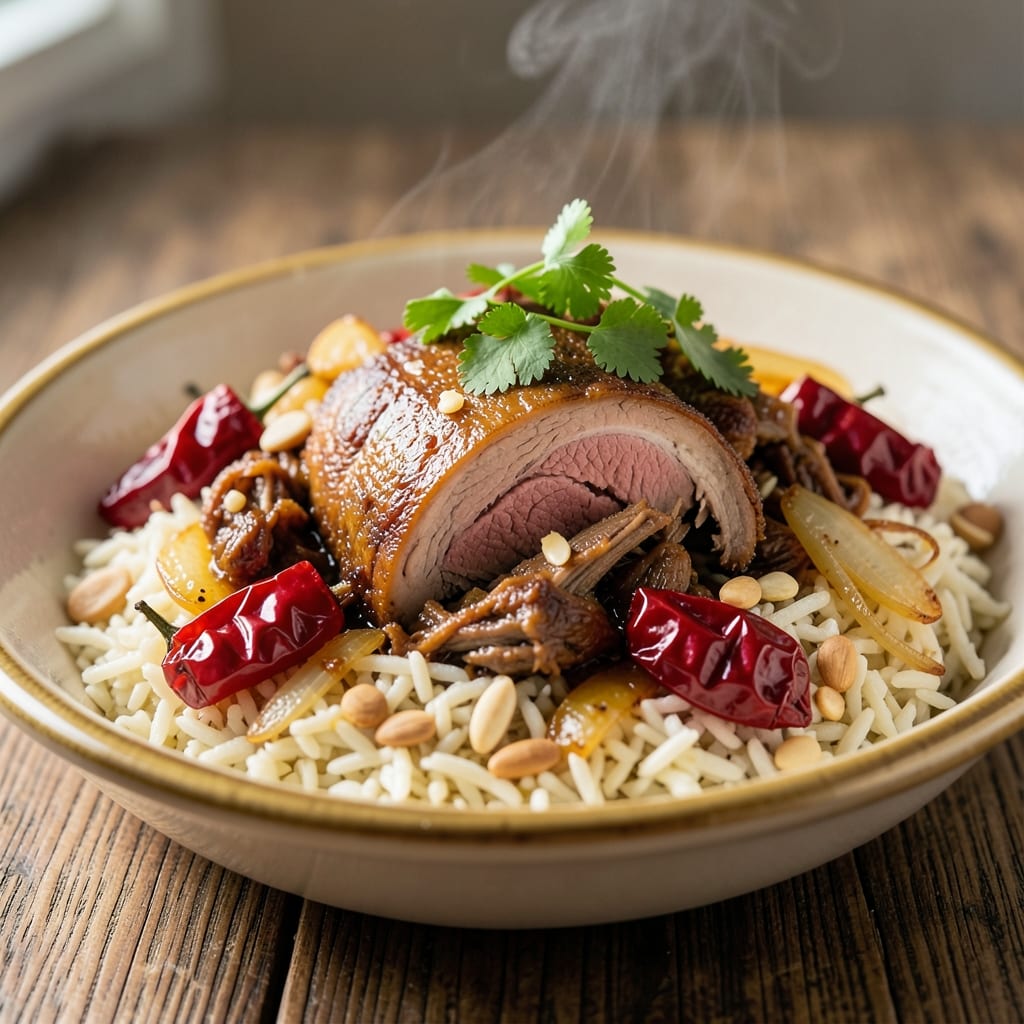
This Arabic kabsa rice recipe transforms a simple pot into a fragrant, one-dish masterpiece where spiced lamb, tender rice, and sweet tomatoes meld into perfection. 🌟 The secret lies in slow-cooking the meat with aromatic spices until it's fork-tender, then letting the rice absorb all those rich flavors while simmering. I developed this version after years of testing—it stays true to tradition while being approachable for home cooks.
The foundation is basmati rice cooked with a blend of cumin, cardamom, and cinnamon, which infuse the grains with warm, earthy notes. Traditional kabsa often includes chicken or lamb, but this recipe uses lamb for its deep, savory richness. The meat is marinated in yogurt and spices, then browned to develop a caramelized crust before everything comes together in one pot.
What makes this dish truly special is the balance of textures and flavors—tender lamb, fluffy rice, and bursts of sweetness from raisins or pine nuts. The tomatoes add a bright acidity that cuts through the richness, while a final sprinkle of fresh herbs brightens each bite. This is comfort food at its finest, perfect for family gatherings or special occasions when you want to impress.
Serve with traditional Arabic coffee or a simple cucumber salad to complete the meal. The aroma alone will have everyone gathering around the table, and the first bite delivers on that promise of restaurant-quality kabsa made at home. Let's get cooking!
Ingredients for arabic kabsa rice
Sixteen aromatic ingredients transform a simple pot into a fragrant Arabic kabsa masterpiece.
| Ingredient | Amount | Notes |
|---|---|---|
| Bone-In Lamb Shoulder 🍖 | 3 lb | Cut into 2-inch cubes, trimmed of fat |
| Long-Grain Basmati Rice 🍚 | 2 cups | Uncooked, rinsed thoroughly |
| Plain Yogurt 🥛 | 1 cup | Full-fat, unsweetened |
| Ground Cumin 🌿 | 2 tbsp | Freshly toasted for depth |
| Ground Cardamom 🌿 | 1 tsp | Green cardamom pods preferred |
| Ground Cinnamon 🌿 | 1 tsp | Ceylon variety recommended |
| Ground Cloves 🌶️ | ½ tsp | Whole cloves ground fresh |
| Salt 🧂 | 1 ½ tsp | Diamond Crystal kosher salt |
| Black Peppercorns 🌶️ | 1 tsp | Freshly cracked |
| Diced Tomatoes 🍅 | 2 cups | San Marzano canned preferred |
| Onion 🧅 | 1 whole | Yellow, finely chopped |
| Garlic Cloves 🧄 | 6 cloves | Minced, fresh |
| Vegetable Oil 🫒 | ½ cup | High smoke point |
| Fresh Parsley 🌿 | ¼ cup | Chopped, for garnish |
| Fresh Mint 🌿 | ¼ cup | Chopped, optional garnish |
The lamb shoulder is non-negotiable for authentic flavor and texture. Look for well-marbled cuts at specialty butchers or Middle Eastern markets—they often have pre-cut lamb shoulder at better prices. Whole spices like cardamom and cloves elevate this dish, so invest in quality: Penzeys Spices or bulk bins at Whole Foods are excellent sources. Toast your whole spices in a dry pan for 30 seconds before grinding to release their oils—this makes a noticeable difference in flavor depth. The San Marzano tomatoes are worth seeking out; their sweetness and low acidity perfectly complement the spiced lamb.
No lamb shoulder? Beef chuck roast works in a pinch, though the flavor profile shifts slightly. Substitute ground spices with pre-mixed kabsa seasoning blends (available at Middle Eastern markets), but reduce the amount by 20%—store-bought mixes tend to be saltier. Fresh herbs can be swapped for dried at a 1:3 ratio, but fresh parsley and mint add that signature brightness. For the yogurt marinade, Greek yogurt works best due to its thickness, but regular plain yogurt will suffice if that's what you have. If you're short on time, pre-cook the lamb separately and add it to the rice during the final simmering stage.
This dish tastes even better the next day as flavors meld. Store leftovers in an airtight container in the fridge for up to 4 days, or freeze portions for 3 months. The rice absorbs all the flavors, so reheat with a splash of water or broth to restore moisture. For serving, garnish with fresh herbs just before eating—their aroma is as important as their taste. Double the recipe for gatherings; kabsa reheats beautifully and always disappears quickly at parties.
Why You'll Love This Recipe
- One-Pot Magic: I swear by this recipe because it’s all in one pot—no fussing with separate pans or timers. The lamb and rice cook together, soaking up those warm spices (cumin and cardamom) until the rice is fluffy and the meat falls off the bone. Honestly? My counter stays cleaner than my usual curry nights.
- Rich, Tangy Depth: That yogurt marinade is the real MVP—it tenderizes the lamb while adding a bright, creamy contrast to the deep, earthy spices. The basmati rice absorbs all the flavor, giving you that perfect balance of rich, spiced meat and light, fragrant grains. (Yes, even on a Tuesday night.)
- Weekend Feast Ready: This dish is my go-to for gatherings—whether it’s a big family lunch or a dinner with friends. The lamb shoulder serves a crowd, and the leftovers? Even better the next day. I’ll be real: my kids fight over the last piece, and that’s saying something.
- Budget-Friendly Luxury: Bone-in lamb shoulder stretches further than you’d think, and the spices cost pennies. Plus, the yogurt marinade means you’re not relying on expensive cuts or fancy techniques. It’s the kind of meal that feels special without breaking the bank—my wallet thanks me every time.
Step-by-step instructions for Arabic kabsa rice
Master this aromatic one-pot dish where tender lamb and fragrant spices meld perfectly with basmati rice.
🔥 Step 1: Sear the Lamb for Deep Flavor
Heat the 0.5 cup vegetable oil in a large, heavy-bottomed pot over medium-high heat until shimmering. Working in batches, add the 3 lb bone-in lamb shoulder cubes, searing each side for 2-3 minutes until deeply browned. This step develops the Maillard reaction, creating that rich, caramelized foundation for your kabsa.
As you sear, resist the urge to overcrowd the pot—this prevents the temperature from dropping and ensures proper browning. Once all lamb is seared, remove it from the pot and set aside. You'll notice the oil will be rich with lamb fat, which will later baste the meat as it cooks.
👨🍳 Step 2: Build the Spice Base
In the same pot with the rendered lamb fat, add the 1 whole finely chopped onion and cook for 5 minutes until softened and translucent. Add the 6 cloves minced garlic and cook for another 30 seconds until fragrant—this prevents the garlic from burning while still releasing its full flavor.
Next, add the 2 tbsp ground cumin, 1 tsp ground cardamom, 1 tsp ground cinnamon, and 0.5 tsp ground cloves. Stir constantly for 1 minute until the spices bloom and fill your kitchen with their aromatic warmth. This is where the magic happens—the spices release their essential oils, creating the signature kabsa fragrance.
🍳 Step 3: Simmer the Tomatoes and Yogurt
Pour in the 2 cups diced tomatoes and 1.5 tsp salt, stirring to combine. Bring to a gentle simmer and cook uncovered for 10 minutes until the tomatoes break down and the mixture thickens slightly. This reduction concentrates the tomato flavor and removes excess acidity.
Reduce heat to low and stir in the 1 cup plain yogurt. The yogurt will temporarily thicken the sauce, but don't worry—it will come back together as we proceed. Add the 1 tsp freshly cracked black peppercorns and return the seared lamb to the pot. The yogurt helps tenderize the meat while adding a subtle tang to balance the rich spices.
🥘 Step 4: Layer and Cook the Rice
Rinse the 2 cups long-grain basmati rice thoroughly under cold water until the water runs clear. This removes excess starch that could make the rice gummy. Spread the rice evenly over the lamb in the pot, creating a single layer that will cook evenly and absorb the flavors perfectly.
Pour in 4 cups water (or enough to cover the rice by about 1 inch) and bring to a gentle boil. Once boiling, reduce heat to low, cover tightly with a lid, and simmer for 45 minutes. The rice will cook through while absorbing the lamb's rich juices and the aromatic spice mixture. Avoid peeking or stirring—the rice needs undisturbed cooking to develop its signature texture.
⏰ Step 5: Rest and Garnish
Once cooking time is complete, turn off the heat and let the kabsa rest, covered, for 15 minutes. This resting period allows the rice to finish absorbing the flavors and the lamb to reabsorb its juices, preventing dry meat. The residual heat will continue cooking the rice gently during this time.
After resting, fluff the rice gently with a fork and garnish with the 0.25 cup chopped fresh parsley and 0.25 cup chopped fresh mint. Serve immediately with warm pita bread or traditional Arabic flatbread. The finished dish should have tender, fall-off-the-bone lamb, perfectly cooked rice with distinct grains, and a sauce infused with all the aromatic spices you've layered in.
Pro Tips For Making Arabic Kabsa Rice
- SEAR THE LAMB FIRST: Brown that bone-in shoulder in a hot pot until it’s deep golden—no rushing here. I learned the hard way that skipping this step means flavor hiding in the background instead of singing. Use medium-high heat and let the fat render slowly; don’t crowd the pan or you’ll steam it instead of sear it.
- SOAK THE RICE 20 MINUTES: Toss your basmati in cold water for 20 minutes before cooking—yes, even if it’s "pre-washed." This guarantees even cooking and prevents that annoying crunchy center. Drain well, but don’t rinse again; you want just enough starch to cling.
- DON’T SKIP THE YOGURT REST: After cooking the lamb, stir in the yogurt and let the whole pot sit off the heat for 5 minutes. This isn’t optional—it lets the spices bloom and the yogurt mellow instead of curdling. I used to rush this, and the dish always tasted sharper than it should have.
- TOAST THE SPICES SEPARATELY: Dry-toast your cumin and cardamom in the pot for 30 seconds before adding liquid—just until you smell that warm, earthy aroma. This wakes up their flavors way more than just sprinkling them in. (Pro move: Use a pinch of whole cardamom pods instead of ground if you’re feeling fancy.)
Storing and reheating your leftovers
Fridge Storage Tips
Let your kabsa cool completely before transferring to an airtight container—I use glass Pyrex with snap-on lids. Store in the fridge for up to 4 days while flavors deepen. The rice absorbs all those rich lamb juices, so reheating with a splash of water or broth restores moisture beautifully. 🌟
Freezer-Friendly Method
For longer storage, freeze portions in quart-sized freezer bags with 1 inch headspace to prevent expansion cracks. Label with the date—this kabsa stays delicious for 3 months. When ready to eat, thaw overnight in the fridge before reheating. I always double the recipe for gatherings because reheated kabsa is just as flavorful!
Stovetop Reheating
My preferred method is stovetop because it maintains texture. Add ¼ cup water or lamb broth to the pot, cover, and heat on low heat for 10-15 minutes. Stir gently once to redistribute flavors. If the rice looks dry, add another 2 tbsp broth and cook 2 more minutes. The lamb should be tender and juicy, not dry. ✨
Microwave Shortcut
For quick meals, transfer a portion to a microwave-safe dish with 1 tbsp water per cup of kabsa. Cover loosely with a damp paper towel and heat on 50% power for 3-4 minutes, stirring halfway. The paper towel prevents drying while allowing steam to escape. Taste and adjust salt—reheated dishes often need a pinch more.
Garnish Before Serving
Fresh herbs make all the difference! Sprinkle 1 tbsp chopped parsley or mint just before serving to restore that vibrant aroma. For extra authenticity, add 1 tsp toasted pine nuts or ½ tsp ground sumac—both brighten the dish beautifully. The contrast of warm spices and fresh herbs is what makes restaurant-quality kabsa shine at home. 💛
Nutrition facts
Frequently asked questions
Can I substitute chicken for lamb in this kabsa recipe?
Yes, you can use bone-in chicken thighs instead of lamb for a milder flavor. Marinate them in the same yogurt-spice blend for 1-2 hours before cooking. Chicken cooks faster, so reduce the simmering time to 30-35 minutes after adding the rice. For extra richness, add 2 tbsp olive oil to the pot when searing the chicken.
Why does my kabsa rice turn out mushy?
Overcooking or insufficient rinsing causes mushy rice. Always rinse basmati rice 3-4 times until water runs clear to remove excess starch. Use 1:1.5 ratio of rice to liquid (2 cups rice needs 3 cups liquid) and avoid lifting the lid while cooking. If the rice still feels undercooked, add ¼ cup hot water and cook 5 more minutes covered.
What's the best way to make kabsa vegetarian?
Replace lamb with chickpeas or cauliflower florets for texture. Use 1 can chickpeas (drained) or 4 cups cauliflower instead of meat. Add 1 tsp smoked paprika and ½ tsp turmeric to deepen flavor. For protein, stir in ½ cup crumbled feta at the end. The spice blend remains the same for that authentic kabsa taste.
How do I adjust the spice level for sensitive eaters?
Start by reducing ground spices by 30% (e.g., 1.5 tbsp cumin instead of 2 tbsp). For extra mildness, remove whole cloves and reduce cardamom to ½ tsp. Keep the cinnamon and black pepper as-is—they add warmth without heat. Taste the tomato-yogurt mixture before adding rice to adjust further.
Can I make kabsa in an Instant Pot?
Sear the lamb as directed, then add all ingredients except rice. Cook on High Pressure for 10 minutes, then quick-release. Add rinsed rice and 1 cup water, stir, and cook on High Pressure for 4 minutes. Let pressure release naturally for 10 minutes before opening. The rice may need 5 extra minutes on keep-warm to finish cooking.