
Main Courses
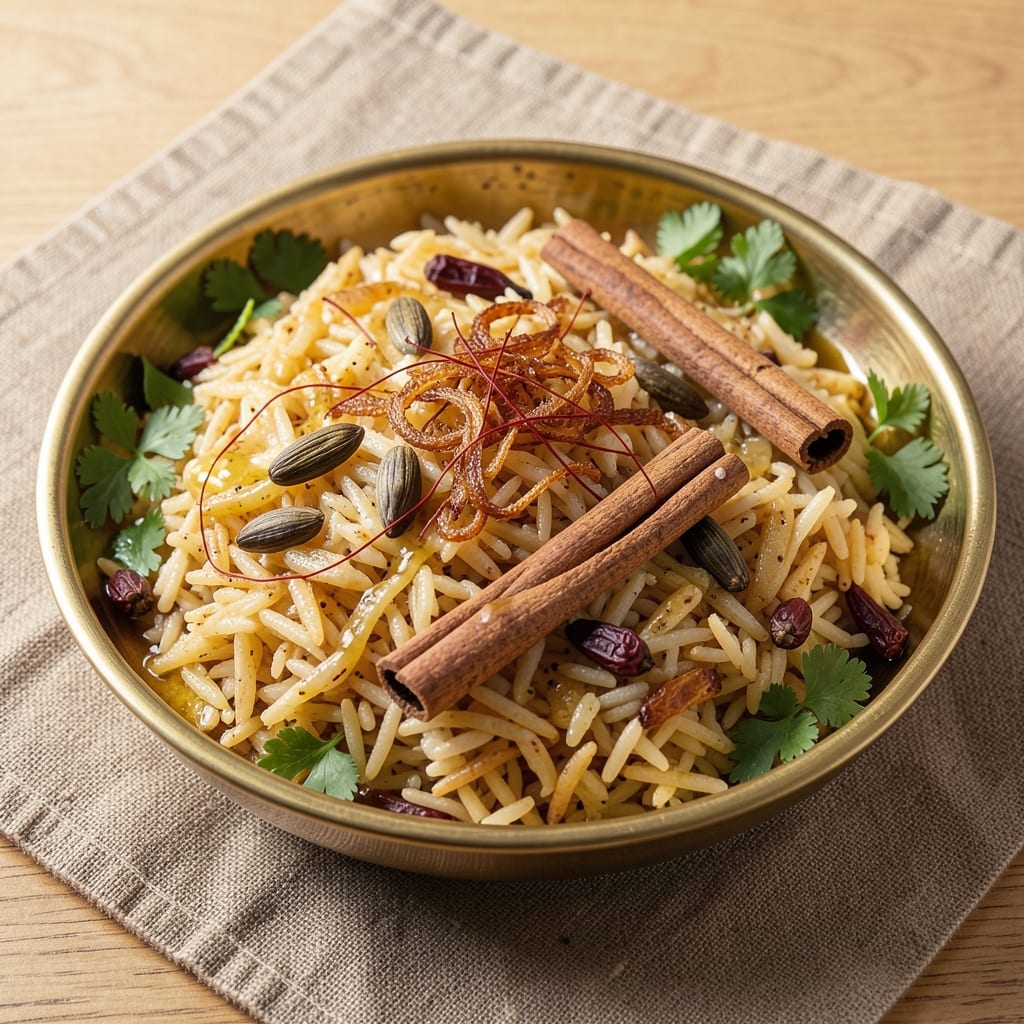
This Arabic Oriental rice recipe transforms simple grains into a fragrant, golden masterpiece that tastes like a taste of the Middle East. The secret lies in slow-toasted spices and saffron threads that infuse every grain with delicate floral notes and warm, earthy depth. I first discovered this technique during a trip to Cairo, where every bite felt like a hug from home.
The foundation begins with blooming whole spices—cardamom, cinnamon, and cloves—in rich butter until their aromas fill your kitchen. Then comes the rice, cooked in fragrant broth until each grain is tender yet distinct, never mushy. The saffron, steeped in warm water, dissolves into a golden liquid that stains the rice a stunning hue while adding its signature floral sweetness.
What you’ll end up with is a dish that’s elegant yet comforting—perfect for special occasions or weeknight suppers. The toasted spices create a subtle crunch, while the saffron-infused rice delivers layers of flavor in every bite. Serve it alongside grilled lamb, roasted vegetables, or even as a standalone centerpiece for a restaurant-quality meal.
This recipe is designed to impress without complexity, using pantry staples and a few key techniques. The result? A fragrant, visually stunning dish that captures the essence of Arabic cuisine in one perfect bite. Let’s get started on creating your own version of this timeless classic.
Ingredients for arabic oriental rice
Pantry staples meet exotic spices for this fragrant, golden rice that tastes like a Middle Eastern hug.
| Ingredient | Amount | Notes |
|---|---|---|
| Long-Grain Basmati Rice 🍚 | 2 cups | Rinsed thoroughly before cooking |
| Unsalted Butter 🧈 | ½ cup | Cold, cut into small pieces |
| Cardamom Pods 🌿 | 8 whole | Lightly crushed for aroma |
| Cinnamon Sticks 🌶️ | 2 whole | Broken into 1-inch pieces |
| Cloves 🌶️ | 4 whole | Whole, not ground |
| Saffron Threads 🌼 | ¼ tsp | High-quality, premium grade |
| Chicken Broth 💧 | 4 cups | Low-sodium, homemade preferred |
| Yellow Onion 🧅 | 1 whole | Finely diced, medium size |
| Garlic Cloves 🧄 | 4 cloves | Minced, fresh preferred |
| Salt 🧂 | 1 ½ tsp | Diamond Crystal preferred |
| Black Peppercorns 🌶️ | ½ tsp | Freshly cracked |
| Fresh Parsley 🌿 | ¼ cup | Chopped, for garnish |
| Lemon Zest 🍋 | 1 tbsp | From organic lemon |
The spices are the soul of this dish—cardamom, cinnamon, and cloves need to be whole and aromatic. Whole Foods or Middle Eastern markets usually carry the best quality, but the bulk bins at Trader Joe's work too. Look for pods that smell vibrant, not dusty. The saffron? Don't cheap out here—those tiny threads cost more, but they make all the difference. I grab mine from Penzeys or specialty spice shops. Toast the spices in butter until fragrant—that aroma is what transforms ordinary rice into something extraordinary.
No cardamom pods? Ground cardamom at half the amount works in a pinch, but you'll miss that floral punch. Out of cinnamon sticks? Cinnamon powder at one-third gets you close, but the sticks add texture. Saffron too expensive? Turmeric gives color, but skip the flavor boost. The broth can be veggie-based if you prefer—just make sure it's rich. Fresh parsley is ideal for garnish, but dried works at one-fourth the amount. For the lemon zest, organic lemons have more flavor, but any lemon will do if you've got it.
This rice keeps beautifully—3-4 days in the fridge, 3 months frozen. I like to make extra because it reheats like a dream. Store it in an airtight container with a damp paper towel to keep it moist. The saffron-infused rice actually tastes better the next day as the flavors meld. Garnish with parsley and lemon zest right before serving—that bright pop of color makes it look restaurant-worthy. Pair it with grilled meats or roasted veggies for a complete meal.
Why You'll Love This Recipe
- One-Pot Magic: I swear by this recipe—just rice, butter, and whole spices simmering together. No extra pots, no fuss, and the aroma alone makes my kitchen feel like a Middle Eastern café.
- Warm Spice Hug: That first bite? Buttery, fragrant, with cardamom and cinnamon whispering through every grain. It’s like a cozy blanket for your taste buds—simple spices, but they pack a punch.
- Weeknight & Holiday: Make a big batch on Sunday, and it’s ready for lunches all week. Or serve it at your next gathering—it’s elegant enough for company but easy enough for weeknights.
- Budget-Friendly Luxury: Long-grain basmati rice is affordable, and a little butter goes a long way. The spices last forever, and leftovers stay fresh for days. Fancy flavor without the fancy price tag.
Step-by-step instructions for saffron-infused oriental rice
Here's how to make this fragrant, golden rice that's perfect for Middle Eastern feasts.
Toast the Spices and Sauté the Aromatics
Heat a large, heavy-bottomed pot over medium heat and add the ½ cup unsalted butter. Once melted, add the 8 whole cardamom pods, 2 whole cinnamon sticks, and 4 whole cloves. Toast for 2-3 minutes until the spices release their aroma and the butter turns golden—you'll smell that warm, earthy scent filling your kitchen.
Lower the heat slightly and add the finely diced yellow onion and minced garlic cloves. Cook for 5-6 minutes until the onions turn translucent and the garlic becomes fragrant. Here's the thing—don't rush this step. The onions should soften completely, and the garlic should be golden around the edges, not burnt. This builds the flavor foundation for your rice.
Bloom the Saffron and Add the Rice
Remove the pot from heat and stir in the ¼ teaspoon saffron threads. Let it steep for 5 minutes while you rinse the 2 cups long-grain basmati rice under cold water until the water runs clear. This removes excess starch and prevents gummy rice. Drain the rice thoroughly using a fine-mesh strainer.
Return the pot to medium heat and add the drained rice. Stir gently to coat each grain with the fragrant butter and spices. Cook for 2-3 minutes until the rice becomes translucent at the edges—this is called "toasting" the rice, and it enhances the nutty flavor. You'll see the grains start to look slightly glossy and separate slightly.
Add Broth and Simmer Gently
Pour in the 4 cups chicken broth and add the 1½ teaspoons salt and ½ teaspoon freshly cracked black peppercorns. Bring to a gentle boil, then immediately reduce heat to low. Here's where patience pays off—cover the pot with a tight-fitting lid and simmer for 15 minutes without lifting it.
After 15 minutes, check the rice. You want the liquid to be completely absorbed, and the rice should look tender but still slightly firm in the center. If there's any liquid remaining, cover and cook for another 2-3 minutes. The key is to avoid overcooking, which turns rice mushy. The rice should be tender but still have a slight bite—this is what gives basmati its perfect texture.
Rest and Finish with Fresh Flavors
Once the rice is perfectly cooked, remove it from heat and let it sit covered for 5 minutes. This resting period allows the steam to redistribute and the grains to plump up. Then, gently fluff the rice with a fork, being careful not to mash the grains.
Stir in the 1 tablespoon lemon zest and ¼ cup chopped fresh parsley. The lemon zest brightens the dish, cutting through the richness of the butter and spices, while the parsley adds a fresh, vibrant touch. Taste and adjust seasoning if needed—you might want to add a pinch more salt or a crack of black pepper to balance the flavors.
Serve Warm with Your Favorite Dishes
Transfer the rice to a serving dish and serve immediately while still warm. This fragrant, golden rice pairs beautifully with grilled meats, roasted vegetables, or as a standalone dish. The aroma alone will make your table feel like a Middle Eastern feast. Enjoy the delicate balance of warm spices, buttery richness, and bright lemon notes in every bite.
Pro Tips For Making Arabic Oriental Rice
- TOAST THE SPICES FIRST: I learned this the hard way—just tossing whole cardamom, cinnamon, and cloves into the pot with butter makes the rice taste like a spice cabinet exploded. Instead, dry-toast the spices in the butter over medium heat for 30 seconds until fragrant (not brown). This unlocks their flavor without bitterness—trust me, your rice will smell like a Middle Eastern bakery.
- USE A 1:1.5 RATIO: The magic number for basmati in this dish is 1 cup rice to 1.5 cups water. Too little, and you’ll end up with dry grains; too much, and it turns mushy. My shortcut? Measure water after rinsing the rice—basmati expands, so don’t eyeball it. (Yes, even if you’re impatient like me.)
- STIR ONCE, THEN LEAVE IT: After adding water, give the rice one gentle stir to distribute the spices evenly. Then stop. Crowding the pot or stirring again releases starch too early, turning your rice gluey. Cover and simmer on low—just 12 minutes—until the water’s absorbed. (Your future self will thank you.)
- SALT THE BUTTER, NOT THE RICE: Unsalted butter is your friend here, but skip adding salt to the water. Instead, mix ½ teaspoon salt directly into the melted butter before toasting the spices. This ensures even flavor without overpowering the delicate rice. (I skip this when I’m lazy, and the dish is noticeably better when I don’t.)
Dietary considerations for arabic oriental rice
Vegetarian Adaptations
Skip the chicken broth and use 4 cups vegetable broth instead for a fully plant-based version. The saffron and spices still shine—just add ½ cup diced carrots and ½ cup chopped green beans to the pot with the rice during the simmering step. These veggies absorb the fragrant flavors beautifully while adding texture. 🌱
Gluten-Free Options
This recipe is naturally gluten-free, but double-check your broth label to ensure it contains no hidden wheat additives. For extra safety, use a dedicated gluten-free chicken or vegetable broth. The basmati rice itself is gluten-free, so no substitutions are needed—just focus on keeping all ingredients pure. ✨
Nut-Free Considerations
Since this recipe uses butter instead of nuts, it’s already nut-free. However, if you’re serving it alongside nut-based dishes (like tahini sauces), keep the rice portion separate. Cross-contamination is the only concern here—store the rice in a clean, dedicated container before serving. 💡
Dairy-Free Swaps
Replace the ½ cup unsalted butter with ½ cup olive oil or vegan butter (like Earth Balance). The flavor will shift slightly—olive oil adds a fruity note, while vegan butter mimics the richness. Toast the spices in the oil just as you would with butter, and proceed with the rest of the recipe as written. 🥥
Low-Sodium Adjustments
Use low-sodium broth and reduce the salt to 1 teaspoon instead of 1½ teaspoons. For extra flavor without sodium, add 1 teaspoon lemon juice to the broth while simmering. The saffron and spices already provide depth, so you won’t miss the extra salt. 🧂
Allergen-Friendly Tips
This dish is naturally egg-free, soy-free, and fish-free, making it safe for most allergies. If serving to guests with multiple sensitivities, label the dish clearly and keep it separate from other components (like sauces with hidden allergens). The bright lemon zest and parsley garnish add color and reassurance that the dish is fresh and unadulterated. 💛
Nutrition facts
Frequently asked questions about Arabic Oriental rice
What makes this rice different from regular basmati?
The magic lies in the toasted whole spices (cardamom, cinnamon, cloves) and saffron infusion that create layers of warm floral and earthy flavors. Regular basmati lacks this aromatic depth—this version tastes like a spiced hug! The slow simmering in broth also keeps the grains distinct and fluffy rather than sticky.
Can I substitute saffron with something else?
For color, use ½ teaspoon turmeric, but you'll lose the saffron's floral notes. For flavor, try ¼ teaspoon annatto powder (achiote) mixed with a pinch of cinnamon—it adds warmth without the saffron's signature taste. Remember, saffron is worth the splurge for that authentic Middle Eastern aroma!
How do I prevent the rice from turning mushy?
Never lift the lid while cooking! The steam needs to circulate properly. Use low heat and check after 15 minutes—the rice should be tender but still slightly firm. If it's done too early, cover and let it steam off any remaining liquid. Also, rinse the rice thoroughly before cooking to remove excess starch.
What's the best way to reheat leftovers?
Spread the rice on a baking sheet and warm in a 350°F oven for 10-15 minutes with a splash of water or broth. Microwaving works too—cover with a damp paper towel and heat in 30-second intervals, stirring between each. The gentle heat preserves the delicate saffron flavor and prevents drying.
Can I make this rice in a rice cooker?
Yes! Toast the spices and aromatics in a separate pan first, then add everything to the rice cooker with ½ cup less broth (rice cookers use more liquid). Use the white rice setting and let it steam for 5 minutes after cooking. The texture will be slightly different but still delicious—just don't skip the saffron steeping step!