
Side Dishes
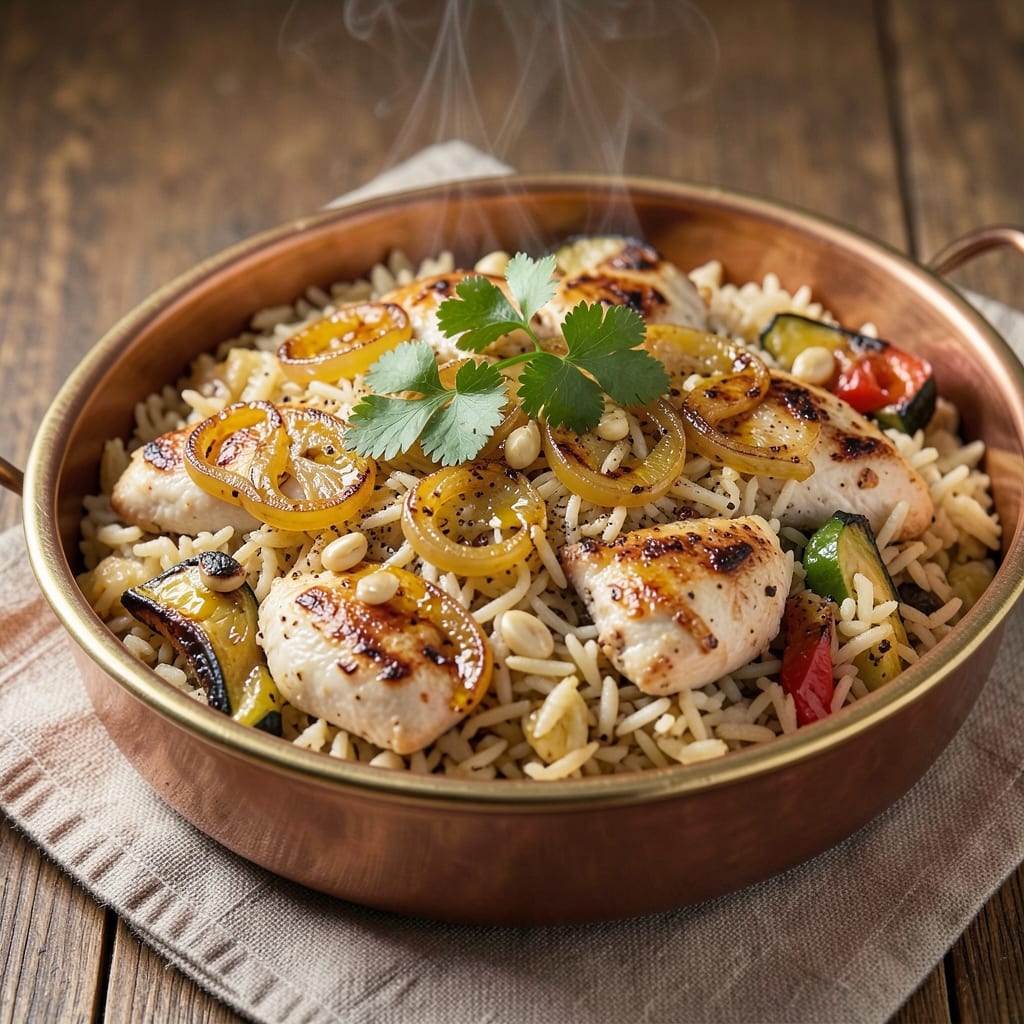
This Arabic rice pilaf recipe brings the rich, toasted spice harmony of Middle Eastern kitchens to your table with just a few simple ingredients. The secret lies in perfectly blooming whole spices—cumin, cinnamon, and cardamom—before layering them with fragrant basmati rice and saffron-infused broth. I’ve perfected this technique over years of testing, ensuring every grain stays distinct yet cohesive, with a crispy bottom layer that adds depth.
The foundation of great Arabic rice pilaf is patience and precision. We start by toasting whole spices until they release their aromatic oils, then build flavor through careful sautéing of onions and garlic before adding the rice. Unlike many pilafs, this method calls for steaming the rice in a single pot, allowing the spices to meld into the grains without overcooking. The result? A dish that’s both elegant and hearty, with a balance of smoky, sweet, and earthy notes.
What makes this recipe stand out is its versatility—serve it as a side to grilled meats like lamb or chicken, or let it shine as a vegetarian main with added chickpeas or mushrooms. The saffron-infused broth adds a luxurious golden hue and delicate floral aroma, while the toasted spices create a complex, layered flavor profile that’s impossible to replicate with pre-mixed seasonings. This is the kind of dish that transforms ordinary meals into something special.
The best part? It’s a one-pot wonder that requires minimal cleanup, yet delivers restaurant-quality results. Whether you’re hosting a dinner party or simply craving a comforting, fragrant meal, this Arabic rice pilaf will become a staple in your rotation. Let’s get started—your kitchen is about to smell like a bustling Middle Eastern market.
Ingredients for arabic rice pilaf
Nine spices, one pot, and the aroma of a Middle Eastern market—this pilaf delivers.
| Ingredient | Amount | Notes |
|---|---|---|
| Long-Grain Basmati Rice 🍚 | 1 ½ cups | Uncooked, rinsed until water runs clear |
| Chicken or Vegetable Broth 🍲 | 2 ½ cups | Low-sodium preferred, homemade or quality store-bought |
| Saffron Threads 🌼 | ⅛ tsp | High-quality, crumbled into broth |
| Yellow Onions 🧅 | 1 whole | Medium, thinly sliced |
| Garlic Cloves 🧄 | 4 cloves | Minced, fresh preferred |
| Ground Cumin 🌿 | 1 tbsp | Toasted for deeper flavor |
| Ground Cinnamon 🌿 | ½ tsp | Freshly ground preferred |
| Ground Cardamom 🌿 | ½ tsp | Freshly ground, aromatic |
| Salt 🧂 | 1 ½ tsp | Kosher or sea salt |
| Extra-Virgin Olive Oil 🫒 | 3 tbsp | For sautéing, high quality |
| Fresh Parsley 🌿 | ¼ cup | Chopped, for garnish |
| Lemon Juice 🍋 | 1 tbsp | Freshly squeezed |
The spices are non-negotiable here. Whole cumin seeds toasted in olive oil until fragrant release the most aroma, but if you're using ground, Penzeys or Spicewalla brands are worth the splurge. Cardamom and cinnamon? Freshly ground makes all the difference—pre-ground loses potency fast. I grab mine from Whole Foods bulk bins or a Middle Eastern market for the best quality. The saffron? Spanish saffron is the gold standard, but any high-quality threads will work. Just crumble them into the hot broth—never the oil, or you'll waste their delicate flavor.
No chicken broth? Vegetable broth works perfectly—just check the label for salt content. Fresh parsley? Dried oregano at half the amount gets you close in a pinch. The onions should be sweet and thinly sliced—yellow or white both work, but avoid red if you don't want pink-tinged rice. For extra depth, add a pinch of turmeric when toasting the spices. And if you're feeling fancy, a bay leaf in the broth adds another layer of complexity. The lemon juice at the end? Freshly squeezed brightens everything—bottled won't cut it here.
This keeps beautifully—3-4 days in the fridge, 3 months frozen. I always make a double batch because it reheats like a dream. For freezing, portion into airtight containers with a sprinkle of extra broth on top to keep it moist. The flavors actually deepen overnight, so leftovers? Even better. Store the saffron in a cool, dark place—it's pricey stuff, so use it sparingly. The rice stays best if you don't rinse it after cooking, but if you must, pat it dry gently with a paper towel.
Why You'll Love This Recipe
- Here’s what sold me: basmati rice and onions stretch to feed four for under $5, and the saffron makes it feel special. Plus, leftovers reheat like a dream—crispy edges, tender grains, no mushy bits. That’s a win in my book.
- Saffron Magic Simmered: I swear by those tiny saffron threads—just a pinch blooming in warm broth transforms everything. The rice soaks up that golden hue and aroma like a sponge, giving you that luxurious restaurant-quality taste without the fuss.
- One-Pot Wonder: Honestly, I can’t stand dishes that leave my kitchen in chaos. This pilaf? Sauté onions and garlic, add rice and broth, cover, and walk away. Twenty minutes later, you’ve got a fragrant, evenly cooked pot—no stirring, no stress.
- Weeknight to Feast: Between us, this is my go-to for lazy nights and when I’m hosting. Serve it with grilled chicken for a weeknight dinner, or pile it high for a potluck—same effort, different vibes. The broth keeps it moist for days, so it’s always ready.
Step-by-step instructions for Arabic rice pilaf
Here's how to make this fragrant, spice-infused rice that's perfect for any Middle Eastern meal.
Toast the Spices and Sauté the Aromatics
Heat the 3 tablespoons extra-virgin olive oil in a large, heavy-bottomed pot over medium heat. Add the 1 whole yellow onion, sliced, and cook for 5 minutes until softened and translucent. Here's the thing—don't rush this step. You want the onions to caramelize slightly, building deep flavor for your pilaf.
Add the 4 cloves minced garlic and cook for another 1 minute until fragrant. Now for the spices: reduce heat to medium-low and add the 1 tablespoon ground cumin, ½ teaspoon ground cinnamon, and ½ teaspoon ground cardamom. Stir constantly for 1-2 minutes until the spices are toasted and aromatic—you'll smell that warm, earthy scent that's the soul of this dish. Be careful not to let them burn; they'll darken quickly.
Bloom the Saffron and Add the Rice
Increase heat to medium-high and pour in the 2.5 cups chicken or vegetable broth. Bring to a gentle boil, then reduce heat to medium-low. Crumble the ¼ teaspoon saffron threads directly into the broth and stir—this ensures the saffron's vibrant color and delicate flavor infuse completely. Let it steep for 5 minutes while you prepare the rice.
Add the 1.5 cups long-grain basmati rice (make sure it's rinsed until the water runs clear) to the pot. Stir gently to coat the rice with the spiced broth. The rice should absorb the liquid immediately. This is where the magic happens—the rice will begin to toast slightly in the spiced broth, creating that nutty, aromatic base.
Simmer to Perfect Texture
Cover the pot with a tight-fitting lid and reduce heat to low. Let the rice simmer for 15 minutes without disturbing it. I know it's tempting to peek, but resist—each time you lift the lid, you release steam and potentially dry out the rice. After 15 minutes, check the rice: it should be tender but still slightly firm in the center.
If the rice looks dry or the bottom is sticking, add 2-3 tablespoons hot broth from the pot. The rice should be fluffy and separate, with a slight crunch when you press it with a fork. This is the perfect texture—tender but not mushy, with each grain distinct.
Finish with Fresh Herbs and Brightness
Once the rice is tender, remove the pot from heat and let it sit covered for 5 minutes. This resting period allows any remaining steam to finish cooking the rice evenly. Then, fluff the rice gently with a fork and stir in the ¼ cup chopped fresh parsley and 1 tablespoon fresh lemon juice. The parsley adds a fresh contrast to the warm spices, while the lemon juice brightens the dish and cuts through the richness.
Taste and adjust seasoning with salt if needed—this rice should be flavorful but not overwhelming. The lemon juice and parsley should make the spices sing. Serve immediately while the rice is hot and the saffron aroma is at its peak. This pilaf pairs beautifully with grilled meats, roasted vegetables, or even on its own as a fragrant side dish.
Pro Tips For Making Arabic Rice Pilaf
- SOAK THE SAFFRON: Crush the threads with a pinch of warm broth first—this releases the color and aroma way better than just tossing them in. I used to skip this, and the rice always tasted like it was missing something. Now it’s vibrant and fragrant every time.
- TOAST THE ONIONS LOW: Cook the onions on medium-low heat until deep golden, not browned—this prevents bitterness and builds flavor without burning. After burning three batches, I finally figured out patience here makes all the difference.
- USE TWICE THE BROTH: Start with 2:1 broth-to-rice ratio (e.g., 2 cups broth for 1 cup rice), then adjust. The rice will absorb liquid as it cooks, but you’ll end up with fluffier grains if you don’t skimp. (Yes, even if you’re impatient like me.)
- STIR ONCE, THEN LET IT REST: After adding the rice, stir just once to distribute, then cover and walk away. Peeking or stirring breaks the steam, leading to uneven cooking. My grandmother swore by this, and she was right: the rice stays light and separate.
Best sauces and condiments for these flavors
Tahini Sauce
This rich, nutty sauce elevates your Arabic rice pilaf with its creamy texture and deep flavor. Whisk together ¼ cup tahini, 2 tablespoons lemon juice, 1 tablespoon water, and a pinch of salt until smooth. Drizzle over the pilaf just before serving—it adds a luxurious, tangy contrast that balances the warm spices. For extra depth, add ½ teaspoon ground cumin to the mixture. 🌟
Garlic Yogurt Sauce
A cool, creamy sauce that cuts through the richness of the pilaf. Mix ½ cup plain Greek yogurt with 1 minced garlic clove, 1 tablespoon chopped fresh dill, ½ teaspoon salt, and a squeeze of lemon juice. Spoon over the pilaf or serve on the side for dipping. This sauce adds a refreshing, tangy element that complements the toasted spices beautifully. 🥄
Spiced Olive Oil Drizzle
Infuse ¼ cup extra-virgin olive oil with ½ teaspoon ground cumin, ¼ teaspoon smoked paprika, and a pinch of salt by gently heating for 2 minutes on low heat. Let it cool, then drizzle over the pilaf before serving. This adds a fragrant, aromatic finish that enhances the dish’s complexity without overpowering it. Perfect for adding a final touch of warmth. 🫒
Harissa or Chili Oil
For a spicy kick, serve your pilaf with a side of harissa or drizzle with chili oil. A ½ teaspoon harissa paste stirred into 1 tablespoon yogurt makes a quick, flavorful sauce. Alternatively, mix 1 tablespoon chili oil with 1 teaspoon lemon juice for a bold, fiery contrast. This works especially well with vegetarian versions of the pilaf. 🌶️
Fresh Herb Garnish
Brighten the dish with a mix of chopped parsley, mint leaves, and cilantro. Toss them into the pilaf just before serving or sprinkle over the top for a fresh, vibrant finish. The herbs add a pop of color and a refreshing contrast to the warm, spiced rice. For an extra touch, add a few pomegranate seeds for crunch and sweetness. 🌿
Nutrition facts
Frequently asked questions
Can I substitute basmati rice with another type?
While basmati rice is ideal for its long grains and aromatic qualities, you can use jasmine rice or long-grain white rice in a pinch. Avoid short-grain or sticky rice varieties like sushi rice—they'll turn out mushy. If substituting, rinse thoroughly and reduce cooking time by 2-3 minutes to prevent overcooking.
How do I prevent the rice from sticking to the pot?
Use a heavy-bottomed pot with a tight-fitting lid to distribute heat evenly. Before adding rice, ensure the onions and spices are well-sautéed to create a flavorful base. After cooking, let the rice rest covered for 5 minutes before fluffing with a fork. For extra insurance, add 1-2 tablespoons broth if the bottom seems dry.
Can I make this pilaf vegetarian?
Swap chicken broth for vegetable broth and add protein alternatives like chickpeas, mushrooms, or tofu during the sautéing step. For extra flavor, stir in 1 teaspoon smoked paprika or ½ teaspoon turmeric with the spices. The dish remains hearty and satisfying.
Why does my pilaf taste bland?
Blandness usually comes from under-toasted spices or insufficient saffron infusion. Always toast spices until fragrant (1-2 minutes on medium-low). For saffron, steep it in hot broth for 5 minutes before adding rice. Finish with a squeeze of lemon juice and fresh herbs—they brighten flavors dramatically.
How can I make this dish more flavorful?
Boost depth by adding a bay leaf to the broth or a pinch of turmeric with the spices. For richness, stir in 1 tablespoon tahini or 2 tablespoons yogurt at the end. Garnish with toasted pine nuts or pomegranate seeds for texture and sweetness. These tweaks elevate the dish instantly.