
Main Courses
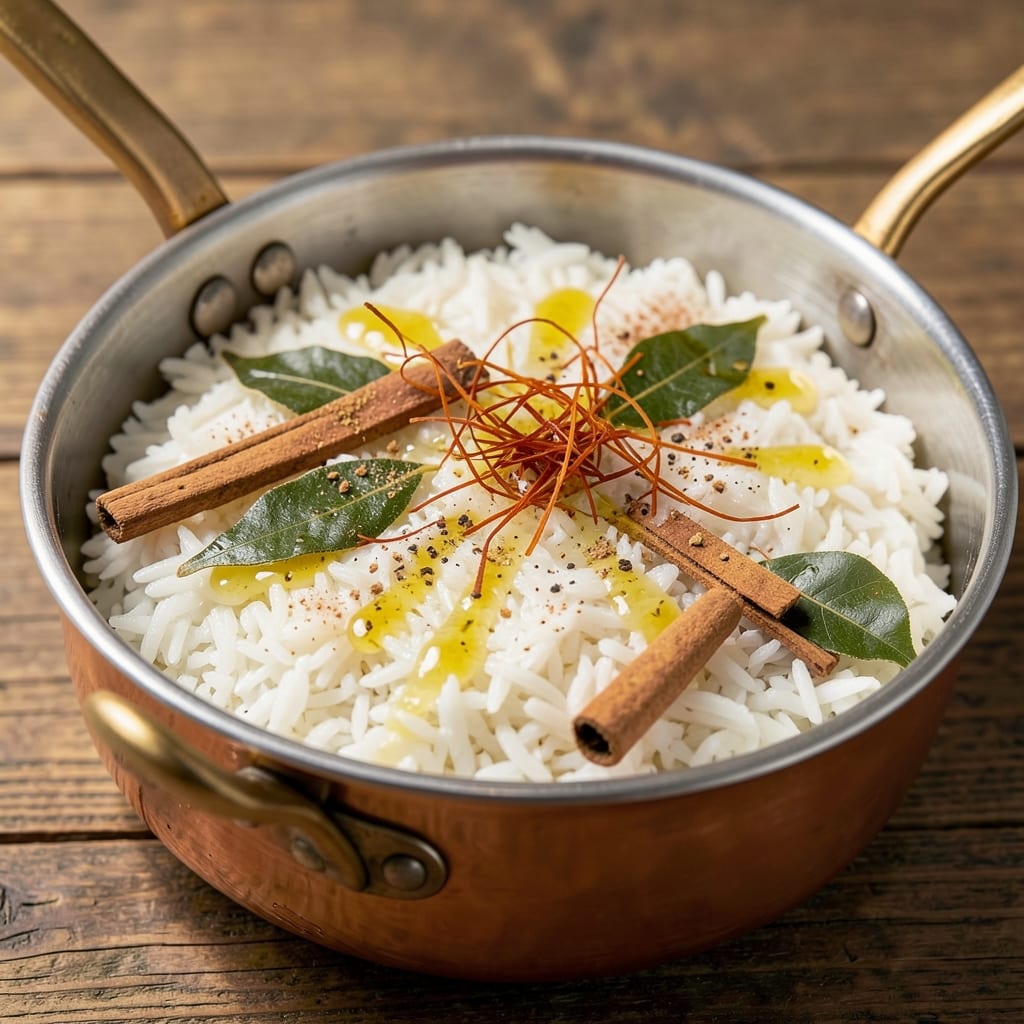
This Arabic white rice recipe transforms simple grains into a fragrant, golden dish that's the heart of any Middle Eastern feast. The secret lies in layering saffron and lemon with warm spices like cardamom and cinnamon, creating an aroma that instantly transports you to a bustling Arabic kitchen. I've perfected this technique through years of testing—each grain stays distinct yet tender, absorbing the rich flavors without becoming mushy.
The process begins with parboiling the rice in a fragrant broth, then steaming it to perfection in a traditional layered approach. This method ensures fluffy, separate grains with a delicate texture that pairs beautifully with grilled meats or stands alone as a satisfying centerpiece. The saffron-infused water adds that signature golden hue and luxurious depth, while lemon brightens the dish with a subtle tang.
What you'll achieve is restaurant-quality rice that's far more complex than basic white rice—each bite reveals layers of citrus, spice, and aromatic richness. The grains remain distinct yet tender, with a subtle crunch at the edges that's impossible to resist. This is the kind of rice that makes your entire meal feel special, whether served alongside shawarma or as a standalone dish with a dollop of yogurt and fresh herbs.
Perfect for family gatherings, holiday meals, or weeknight dinners when you want to elevate your cooking. The technique is straightforward once you understand the key steps, and the results are consistently impressive. Let's get started on creating this fragrant centerpiece for your table.
Ingredients for arabic white rice
These aromatic ingredients transform ordinary rice into a golden, saffron-kissed centerpiece for any Middle Eastern feast.
| Ingredient | Amount | Notes |
|---|---|---|
| Long-Grain White Rice 🍚 | 1 ½ cups | Uncooked, rinsed until water runs clear |
| Saffron Threads 🌼 | ¼ tsp | High-quality, whole threads |
| Fresh Lemon Juice 🍋 | 1 tbsp | From organic lemons, freshly squeezed |
| Ground Cardamom 🌿 | ½ tsp | Freshly ground for maximum aroma |
| Cinnamon Sticks 🌳 | 1 whole | Lightly crushed for infusion |
| Bay Leaves 🍃 | 2 whole | Fresh if possible, dried works too |
| Salt 🧂 | 1 ½ tsp | Diamond Crystal kosher salt |
| Unsalted Butter 🧈 | 2 tbsp | Cold, cubed for layering |
| Fresh Parsley 🌿 | ¼ cup | Chopped, for garnish (optional) |
| Plain Yogurt 🥛 | ¼ cup | For serving, optional |
| Water 💧 | 3 cups | Filtered or spring water preferred |
| Chicken or Vegetable Broth 🍲 | 2 cups | Low-sodium preferred |
The saffron is non-negotiable here—Whole Foods or specialty spice shops carry the best quality. Look for deep red threads, not powdered saffron, which lacks the same depth. Penzeys Spices sells vacuum-sealed threads that stay potent longer. Fresh lemon juice is a must; bottled won't cut it. Cardamom should smell vibrant and citrusy—if it smells dusty, toss it. For the cinnamon, Trader Joe's has excellent whole sticks at a great price. Bay leaves? Fresh ones add a brighter flavor, but dried work perfectly fine in a pinch. The butter matters too—use unsalted so you control the seasoning.
No saffron? Turmeric at one-third the amount gives color, but no aroma. Fresh lemon juice unavailable? Lemon zest plus a splash of bottled juice works, though it won't be as bright. Cardamom too strong? Swap for allspice at half the amount. The broth can be homemade or store-bought—just make sure it's low-sodium. For the rice, jasmine or basmati work beautifully if you can't find long-grain white. The parsley is optional but adds that fresh finish—dried oregano at one-quarter amount works if you're skipping it. And if you're feeling fancy, a pinch of sumac on top adds a tangy kick.
The saffron-infused water keeps for 3 days in the fridge, so make extra if you're serving a crowd. Store the rice in an airtight container for 4 days, though it's best eaten within 2 days for peak texture. The yogurt should be thick and plain—Greek or full-fat works best. For leftovers, reheat gently with a splash of water to restore moisture. This rice reheats beautifully, making it perfect for meal prep—just portion it into containers with a dollop of yogurt and herbs for easy grab-and-go lunches.
Why You'll Love This Recipe
- Saffron in Minutes: I just steep the threads in warm water for 10 minutes—no fancy infusions or waiting hours. That golden hue and delicate aroma transform basic rice into something special without extra effort.
- Cardamom-Kissed Magic: Honestly, the cardamom and cinnamon sticks make this rice taste like a warm hug. The lemon brightens it up so it’s never heavy, just rich and citrusy in the best way.
- Meal Prep MVP: This keeps for days in the fridge, reheats perfectly, and pairs with everything—grilled meats, roasted veggies, even breakfast eggs. I make a big batch on Sundays and never run out.
- Budget Luxury: Saffron’s pricey, but a little goes a long way—plus, it’s the star. Cardamom and cinnamon are cheap staples, and the rice itself is affordable. Feels fancy without breaking the bank.
Step-by-step instructions for fragrant saffron rice
Transform simple ingredients into restaurant-worthy rice with this aromatic technique.
Infuse the Broth with Aromatics
In a medium saucepan, combine the 2 cups chicken or vegetable broth, 1 whole cinnamon stick, 2 whole bay leaves, 0.5 tsp ground cardamom, and 1.5 tsp salt. Bring to a gentle boil over medium heat, then immediately reduce to a simmer. Let it steep for 5 minutes—this allows the spices to fully infuse and develop their complex flavors.
While waiting, prepare the saffron by crushing the 0.25 tsp saffron threads between your palms or with the back of a spoon. This releases the vibrant color and aroma trapped in the threads. Keep it separate for now—you'll add it later when the rice is nearly done cooking. The saffron should look like fine orange powder when properly crushed.
Toast the Rice and Build Flavor Layers
In a separate deep skillet or heavy-bottomed pot, melt the 2 tbsp unsalted butter over medium heat. Add the 1.5 cups long-grain white rice and stir gently for 2-3 minutes, coating each grain in butter. This creates a delicate nutty flavor and prevents the rice from sticking together later. The rice should look dry and slightly translucent at the edges.
Pour in the 3 cups water and bring to a boil. Once boiling, immediately add the infused broth (strain out the whole spices if you prefer a cleaner presentation). Stir once to distribute the rice evenly, then reduce heat to low. Here's the key: maintain a gentle simmer—you should see small bubbles breaking the surface but no vigorous boiling. Cover the pot with a tight-fitting lid and cook undisturbed for 15 minutes.
Finish with Saffron and Lemon
After 15 minutes, check the rice. It should be tender but still slightly firm in the center. If it's not quite done, cover and cook for another 5 minutes. When the rice is nearly complete, stir in the crushed saffron threads and 1 tbsp fresh lemon juice. The saffron will immediately transform the rice into a stunning golden yellow color—this is your visual cue that the infusion is working.
Continue cooking uncovered for 2-3 minutes to let the saffron fully bloom and the lemon brighten the flavor profile. The rice should be tender with a slight bite—this texture is perfect for Arabic-style rice. If the bottom begins to stick, add 1-2 tablespoons of water to prevent burning.
Rest and Serve with Elegance
Remove from heat and let the rice sit covered for 10 minutes. This resting period allows the steam to redistribute, resulting in perfectly fluffy grains. Fluff gently with a fork to separate the grains, then transfer to a serving dish. Garnish with 0.25 cup chopped fresh parsley for freshness and a dollop of 0.25 cup plain yogurt on each serving if desired.
The finished rice should have a delicate balance of saffron's floral aroma, lemon's brightness, and the warm spices' complexity. Each grain should be distinct yet tender, with no mushy texture. Serve immediately alongside grilled meats or as a standalone dish—this rice is flavorful enough to stand on its own.
Pro Tips For Making Arabic White Rice
- Bloom the Saffron First: I learned this the hard way—tossing saffron threads straight into boiling water just makes them disappear into the rice like invisible ghosts. Instead, steep them in 2 tablespoons of warm water for 10 minutes first; the color and aroma will infuse properly, and you’ll actually see the golden hue in your finished dish.
- Toast the Spices Dry: Skip the cinnamon sticks and cardamom in the water—this isn’t tea. Lightly toast the whole cinnamon sticks and ground cardamom in a dry pan for 30 seconds until fragrant (yes, you’ll smell it). Then crush the sticks slightly with a mortar or rolling pin—this releases their oils and gives the rice depth without bitterness.
- Use Lemon Juice Late: Adding lemon juice too early turns your rice sour before it’s even cooked. Wait until the rice is fully done and off the heat, then stir in 1 tablespoon of fresh lemon juice. The acidity brightens the flavors without overpowering, and the rice stays light instead of tangy.
- Rinse Until Water Runs Clear: I know it’s tempting to skip rinsing, but unrinsed rice releases starch that makes your dish gluey. Swirl the rice in a fine-mesh strainer under cold water until the water runs almost clear (not perfectly—just barely cloudy). This ensures each grain stays distinct and soaks up the saffron and spices like a sponge.
Storing and reheating this arabic white rice
Refrigerator Storage
Let your Arabic white rice cool completely before transferring to an airtight container—I swear by Glasslock containers for this. Store it in the fridge at 40°F or below for up to 4 days, though I find it tastes best within 2 days. The saffron and lemon flavors actually deepen overnight, making leftovers even more aromatic. Just
Freezer-Friendly Tips
For longer storage, freeze your rice in single-serving portions using quart-sized freezer bags. Leave 1 inch of headspace to prevent expansion cracks. I like to seal the rice with a vacuum sealer if I have one, but even regular freezer bags work if you squeeze out all the air. Label with the date—this rice stays delicious for up to 3 months in the freezer. 🧊
Stovetop Reheating
My preferred method is stovetop reheating—it preserves that perfect texture. Spread the rice in a nonstick skillet over medium-low heat and add 2 tablespoons of water per cup of rice. Cover and heat for 5-7 minutes, stirring gently once. The steam helps restore moisture without making the rice mushy. Finish with a squeeze of fresh lemon juice to revive the flavors. 🔥
Microwave Revival
For quick meals, microwave reheating works too—just use the right technique. Sprinkle 1 tablespoon of water over 1 cup of rice in a microwave-safe dish, cover loosely with a damp paper towel, and heat on 50% power for 2 minutes. Stir, then continue in 30-second intervals until hot. Avoid overcooking, or you'll end up with dry, crumbly grains. A quick spritz of water helps if it looks too dry. ⚡
Serving Leftovers Creatively
Transform leftover rice into new meals! Mix it with chopped grilled chicken, diced cucumbers, and a drizzle of tahini sauce for a quick bowl. Or use it as a base for stuffed peppers—just layer with ground meat and tomato sauce. The rice reheats beautifully for breakfast too—top with a fried egg and fresh herbs for a Middle Eastern-inspired brunch. 💫
Texture Preservation
If your reheated rice loses its fluffiness, don't panic! The fix is simple: spread it on a baking sheet and broil for 2-3 minutes at 350°F to crisp the edges slightly. This restores that satisfying slight bite while keeping the interior tender. For extra moisture, add a dash of warm broth before reheating—it makes all the difference. 💡
Nutrition facts
Frequently asked questions
Why does Arabic white rice have such a distinct golden color?
The signature golden hue comes from saffron threads, which contain natural pigments called crocins. When crushed and added to the rice at the end of cooking, the saffron infuses the grains with both color and its signature floral aroma. The lemon juice also helps brighten the color while adding a subtle tang that balances the spices.
Can I substitute saffron with something else?
While nothing truly replaces saffron's complex flavor and aroma, you can use turmeric at one-third the amount for color alone. For flavor, try ½ teaspoon of annatto powder or a pinch of safflower petals (though these won't be as potent). The dish will still taste delicious, just with a different aromatic profile.
How do I prevent the rice from becoming mushy?
The key is maintaining a gentle simmer throughout cooking—never let it boil vigorously after adding the broth. Use a heavy-bottomed pot to distribute heat evenly, and avoid stirring once the rice is covered. The 10-minute resting period after cooking is also crucial, as it allows steam to redistribute for perfectly fluffy grains.
What's the best way to serve this rice?
This aromatic rice pairs beautifully with grilled meats like lamb or chicken, but it's flavorful enough to serve as a standalone dish. Garnish with chopped parsley and a dollop of plain yogurt for extra freshness. For a complete meal, serve with a side of hummus and fresh pita bread. The lemony, spiced rice also makes a fantastic base for stuffed vegetables.
Can I make this rice in an Instant Pot?
Yes! First, sauté the rice in butter as directed, then add all liquids (including crushed saffron and lemon juice) to the Instant Pot. Cook on high pressure for 5 minutes, then let it naturally release for 10 minutes. The pressure cooking method works well, though the flavor development may be slightly different than stovetop. For best results, finish with a quick saffron infusion on the stovetop.