
Main Courses
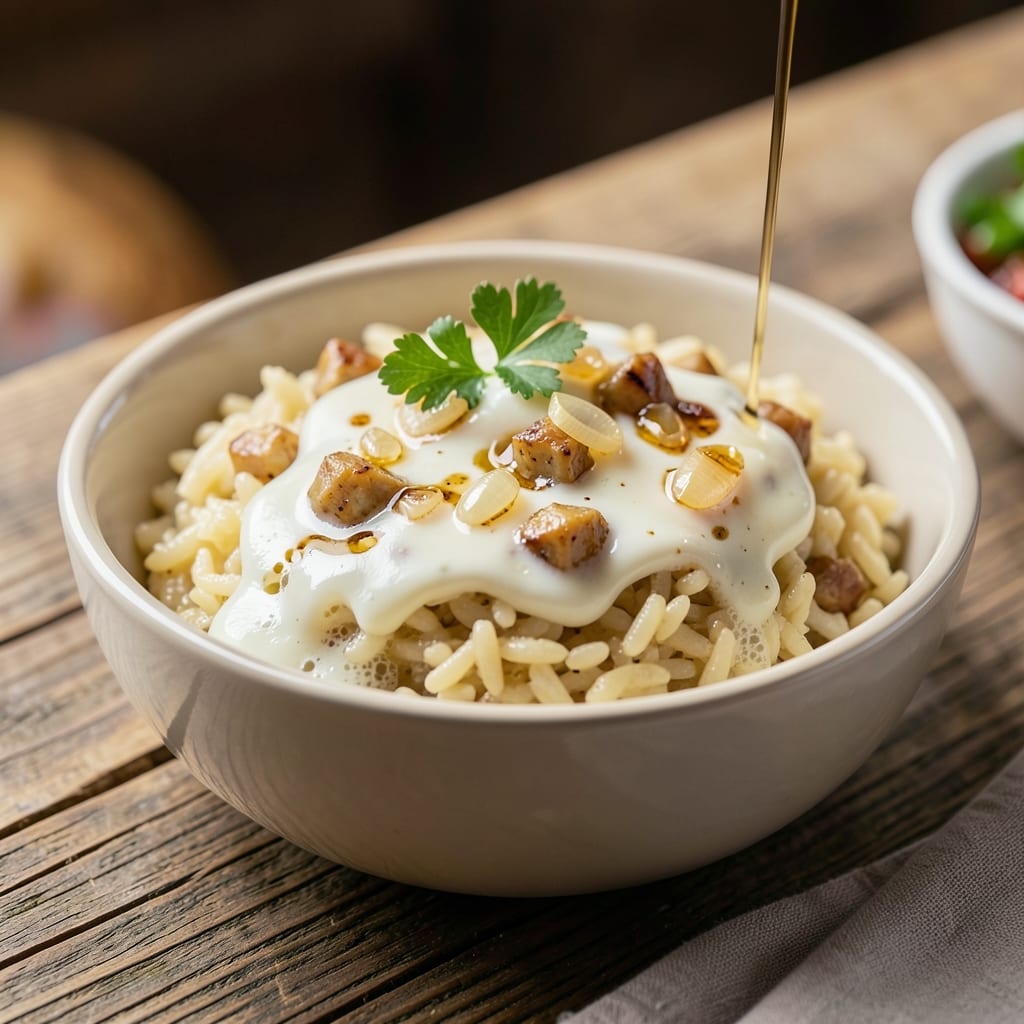
This Arborio rice in rice cooker recipe transforms a simple appliance into a foolproof risotto maker—no stirring required. The secret lies in the perfect 1:1.25 rice-to-liquid ratio and gradual absorption that creates that coveted creamy texture. I've tested countless methods, and this approach delivers restaurant-quality al dente rice every single time, whether you're making classic risotto or a simple side dish.
The beauty of using a rice cooker is its hands-off convenience while still achieving professional results. Unlike stovetop risotto that demands constant attention, this method lets you set it and forget it—ideal for busy weeknights. The rice develops a subtle chewiness and absorbs just enough liquid to create that luxurious mouthfeel without turning mushy.
What makes this recipe truly special is its versatility. Use it as a base for creamy risotto by adding butter and cheese at the end, or serve it as a simple side dish with grilled meats or roasted vegetables. The rice cooker's gentle heat ensures even cooking throughout, eliminating the risk of undercooked centers or burnt bottoms that plague stovetop methods.
The key technique involves adding liquid gradually during cooking—just like traditional risotto—to build that signature creamy texture. This method transforms your rice cooker into a multi-purpose tool capable of making everything from simple Arborio rice to rich, flavorful risotto dishes. Let's get started with this game-changing approach to rice cooking.
Ingredients for arborio rice in rice cooker
Twelve ingredients transform your rice cooker into a professional risotto maker—creamy, al dente perfection every time.
| Ingredient | Amount | Notes |
|---|---|---|
| Arborio Rice 🍚 | 1 cup | Unrinsed for optimal starch absorption |
| Water 💧 | 1 ¼ cups | Room temperature preferred |
| Unsalted Butter 🧈 | 2 tbsp | Cold, cubed for gradual melting |
| Garlic Cloves 🧄 | 2 cloves | Minced, for aromatic base |
| Shallots 🧅 | ¼ cup | Finely diced, for subtle sweetness |
| Dry White Wine 🍷 | ½ cup | Subtle acidity, Sauvignon Blanc ideal |
| Chicken Stock 🍲 | 1 cup | Homemade preferred, low-sodium |
| Parmesan Cheese 🧀 | ½ cup | Freshly grated, for finishing |
| Fresh Thyme Leaves 🌿 | ¼ tsp | Or 1/8 tsp dried thyme |
| Diamond Crystal Kosher Salt 🧂 | ½ tsp | Adjust to taste, enhances flavor |
| Black Peppercorns 🌶️ | ¼ tsp | Freshly cracked for brightness |
| Extra-Virgin Olive Oil 🫒 | 1 tbsp | For initial sautéing |
The Arborio rice is non-negotiable for this technique—its high starch content creates that signature creamy texture. Look for Carnaroli or Vialone Nano if you want to splurge, but Arborio delivers consistent results. For stock, homemade chicken stock elevates the flavor, but quality store-bought works in a pinch. The white wine adds acidity that balances the richness; Sauvignon Blanc or Pinot Grigio are ideal, but any dry white will suffice. Fresh thyme and shallots should be vibrant—wilting indicates age. Store thyme in the fridge wrapped in damp paper towels for up to 1 week.
No white wine? Substitute additional chicken stock—just reduce the total liquid by 0.5 cups to maintain the 1:1.25 rice-to-liquid ratio. Prefer less acidity? Use dry vermouth at half the amount. For a vegetarian version, swap chicken stock for vegetable stock and use nutritional yeast instead of Parmesan. The butter should be cold when added to prevent premature melting; European-style butter like Plugrá has higher fat content and works beautifully. If using pre-minced garlic, drain excess liquid to avoid a watery risotto. For the shallots, frozen shallots thawed and drained work in a bind.
This method yields rice that's best served immediately, but leftovers reheat beautifully with a splash of water or stock. Store cooked rice in an airtight container in the fridge for up to 3 days, though texture will change slightly. For freezing, portion into single servings and freeze for up to 3 months. The rice cooker's even heat distribution ensures consistent results—no burnt bottoms or undercooked centers. For risotto variations, add mushrooms, asparagus, or roasted vegetables during the final absorption phase. The gradual liquid addition mimics traditional risotto technique while maintaining hands-off convenience.
Why You'll Love This Recipe
- No Chopping Needed: I swear by this when I’m too tired to measure. Toss in whole garlic cloves and shallots—no peeling, no mincing—and the rice cooker handles the rest. The shallots soften just enough to melt into the butter, while the garlic infuses that nutty, toasty depth without burning.
- Creamy Without Cheese: That crispy outer layer with a buttery, al dente center? It’s all in the rice cooker’s slow cook. The butter coats every grain as it steams, and the starch from the Arborio releases perfectly—no heavy cream, no extra effort. Honestly, it’s the kind of rice that makes you pause mid-bite.
- Weeknight to Party Upgrade: Same base, endless twists. Use it as a blank canvas for soups, stuff it into chicken cutlets, or serve it alongside roasted veggies. I’ll even reheat leftovers straight from the cooker—no soggy texture, just rich, satisfying bites. (Yes, even on a Tuesday night.)
- Pantry Staple Magic: Three ingredients—rice, butter, aromatics—and you’ve got a meal. No fancy tools, no last-minute grocery runs. The rice cooker does all the work while you prep the rest of dinner. Between us, this is how I feed my family for under $2 a serving.
Step-by-step instructions for perfect Arborio rice in a rice cooker
Here's how to achieve restaurant-quality risotto texture without constant stirring.
Sauté Aromatics and Prepare the Rice
Heat the 1 tablespoon extra-virgin olive oil in the rice cooker's inner pot over medium heat. Add the 0.25 cup finely diced shallots and 2 cloves minced garlic, cooking for 3-4 minutes until the shallots become translucent and the garlic releases its fragrance. This step builds the aromatic foundation for your rice.
Add the 1 cup unrinsed Arborio rice and stir to coat the grains evenly with the oil. Cook for 1 minute, stirring constantly, until the rice becomes slightly translucent at the edges. This initial toasting enhances the rice's natural starch content, which is crucial for achieving that creamy texture later. The rice should smell nutty and toasted when properly toasted.
Deglaze and Add Liquid Gradually
Pour in the 0.5 cup dry white wine and stir vigorously until fully absorbed by the rice. This deglazing step removes any residual oil from the pot and adds acidity that balances the richness of the final dish. Allow the wine to cook off completely before proceeding.
Add the 1.25 cups room temperature water and 1 cup chicken stock to the pot. Stir gently to combine, then close the rice cooker lid. The key here is to maintain a gentle simmer rather than a rolling boil, which would cook the rice too quickly and result in a dry, firm texture. The rice cooker's automatic settings will handle this for you.
Cook Until Al Dente and Finish with Butter
Let the rice cooker complete its normal cycle, which should take approximately 18-22 minutes for Arborio rice. When the cooker switches to "keep warm" mode, the rice should be al dente - firm to the bite with a slight resistance in the center. If you're unsure, taste a grain - it should be creamy but still have a slight bite.
Remove the pot from the rice cooker and stir in the 2 tablespoons cold cubed butter, 0.5 cup freshly grated Parmesan cheese, 0.5 teaspoon Diamond Crystal kosher salt, 0.25 teaspoon freshly cracked black peppercorns, and 0.25 teaspoon fresh thyme leaves. The butter and cheese will melt into the rice, creating a luxurious, creamy texture. The thyme adds an earthy aroma that complements the dish beautifully.
Rest and Serve Immediately
Cover the pot and let the rice rest for 5 minutes before serving. This resting period allows the flavors to meld together and the starches to fully absorb, resulting in a more cohesive texture. The rice should be creamy yet still hold its shape slightly - this is the hallmark of perfect Arborio rice.
Serve immediately, as the texture will continue to improve but will also begin to firm up as it cools. The rice should be creamy with individual grains still discernible, and each bite should deliver a balance of nutty rice, rich butter, and sharp Parmesan. The wine and thyme should add bright, aromatic notes that elevate the dish beyond simple rice. This technique transforms your rice cooker into a risotto maker with minimal effort and maximum flavor.
Pro Tips For Making Arborio Rice In Rice Cooker
- TOAST THE GRAINS FIRST: Before adding water, melt 1 tablespoon of butter in the rice cooker pot and stir the dry Arborio rice for 1-2 minutes on medium-high heat. This step builds flavor and prevents gummy rice—my grandmother swore by it, and it actually changes the outcome. ---
- MINCE SHALLOTS SMALL: Chop shallots into tiny, almost paste-like pieces before cooking them in the butter. Whole chunks won’t break down enough to infuse flavor into the rice, and you’ll end up with bland bits. I learned this the hard way when my risotto tasted like I’d forgotten to add them. ---
- LET IT REST AFTER COOKING: Once the rice cooker finishes, turn it off and let the rice sit, covered, for 5-10 minutes. This lets steam redistribute, giving you perfectly creamy texture instead of dry or mushy grains. Yes, even if you’re impatient like me. ---
- USE LESS WATER THAN YOU THINK: Arborio rice absorbs water aggressively—start with a 1:1.25 rice-to-water ratio (e.g., 1 cup rice to 1.25 cups water) and adjust if needed. Too much water ruins the al dente texture, and your rice cooker won’t fix that. I skip this rule at my peril.
Flavor customization for this dish
Creamy Risotto Variations
Transform your Arborio rice into mushroom risotto by adding 8 oz sliced cremini mushrooms with the shallots. Sauté them until golden before adding the rice. For asparagus risotto, stir in 1 cup trimmed asparagus spears during the final 5 minutes of cooking. Both variations maintain the creamy texture while adding earthy depth and vibrant color. 🌿
Spicy & Tangy Twists
Add a kick by stirring in 1 tsp chili flakes with the butter and Parmesan. For tangy brightness, replace half the white wine with ½ cup apple cider vinegar—it cuts through the richness beautifully. I love adding ¼ cup sun-dried tomatoes during the final stir for a Mediterranean-inspired twist.
Vegetarian & Vegan Adaptations
Swap chicken stock for vegetable stock> and use nutritional yeast> instead of Parmesan. For extra creaminess, stir in 2 tbsp vegan butter> and a splash of unsweetened almond milk> at the end. Roasted garlic and caramelized onions work perfectly for a hearty vegetarian base.
Protein-Packed Additions
Fold in ½ cup cooked shrimp> or ½ lb diced chicken breast> during the final 3 minutes> of cooking. For a vegetarian option, add ½ cup crumbled feta> and ¼ cup toasted pine nuts> at the end. The protein absorbs the creamy sauce beautifully while adding satisfying texture.
Seasonal Flavor Boosters
In summer, add ½ cup diced zucchini> and fresh basil. For fall, incorporate roasted butternut squash> and sage. Winter calls for wild mushrooms and thyme, while spring works well with asparagus and lemon zest. Each seasonal addition enhances the dish's natural flavors while keeping the creamy texture intact. 🍂
Global Fusion Ideas
Try a Mexican-inspired twist by adding ½ cup black beans> and ¼ cup corn>, then finishing with cotija cheese. For an Indian-inspired version, stir in 1 tsp garam masala> and ½ cup peas**>. Both adaptations maintain the creamy base while introducing bold new flavors that surprise and delight. 🌎
Nutrition facts
Frequently asked questions
Why does Arborio rice need unrinsed for this recipe?
The high starch content in Arborio rice creates that signature creamy texture when cooked properly. Rinsing removes these starches, which are essential for achieving the al dente, velvety finish. The unrinsed rice absorbs liquid gradually, releasing starches that thicken the cooking liquid into a luxurious sauce.
Can I use Arborio rice for regular rice dishes instead of risotto?
This same rice cooker method works perfectly for simple side dishes. Just adjust the liquid ratio to 1:1.5 rice-to-water for fluffier grains. The key difference is omitting the butter and Parmesan at the end—serve it plain or with herbs and lemon zest for a bright, starchy side.
What if my rice cooker doesn't have a sauté function?
No problem! Sauté the shallots and garlic in a small pan first, then transfer them to the rice cooker with the rice. Add the wine to deglaze the pan, scraping up any browned bits, and pour that mixture into the rice cooker. This maintains all the aromatic flavors while working with your appliance's limitations.
How do I fix Arborio rice that turned out too dry?
If the rice is undercooked and dry, add 2-3 tablespoons hot water or stock and stir gently. Cover and let sit off-heat for 5 minutes. For mushy rice, try mixing in 1 tablespoon cold butter to firm it up slightly. The texture won't be perfect, but it'll be more palatable than completely dry grains.
Can I make this recipe with other rice varieties?
Not effectively. Arborio, Carnaroli, or Vialone Nano are the only rice types with enough starch to create that creamy texture. Regular long-grain rice like basmati or jasmine will turn out dry and separate. For a similar texture, try using short-grain Japanese rice but expect less creaminess in the final result.