
Main Courses
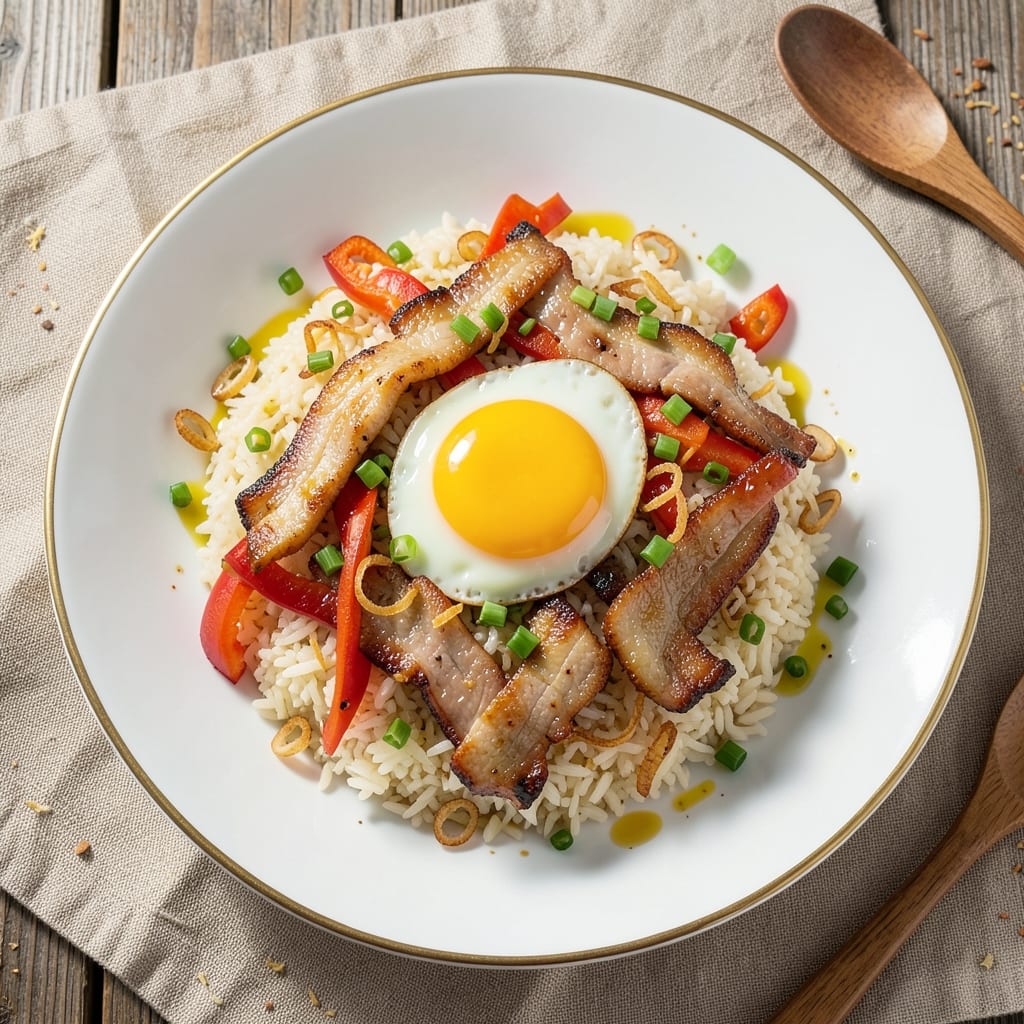
This Arirang fried rice recipe delivers the ultimate Korean comfort dish—crispy egg bites, tender scallions, and perfectly seasoned rice in every bite. The secret lies in high-heat stir-frying, where each ingredient gets its moment to shine while maintaining texture. I've perfected this version over years of testing, balancing smoky, savory flavors with just the right amount of heat.
The dish starts with day-old rice (never fresh!) that absorbs the seasoning beautifully, then gets tossed with protein of your choice—classic pork, shrimp, or tofu for a vegetarian twist. The magic happens when you scramble the eggs directly into the hot rice, creating those signature crispy edges that contrast with the tender interior. Scallions add freshness and a pop of color that makes the dish visually striking.
What you'll end up with is a restaurant-quality fried rice that's rich, aromatic, and packed with texture—crispy egg corners, chewy rice, and bright scallions in every forkful. The soy-garlic-sesame seasoning creates a perfect balance of umami and brightness that stays with you long after the last bite. It's the kind of dish that transforms a simple weeknight dinner into something special.
Best served immediately while the rice is still warm and the eggs maintain their perfect crispiness. Pair with kimchi or a side of pickled vegetables for the full Korean experience. Let's get cooking!
Ingredients for arirang fried rice
Four cups of day-old rice and crispy egg bites make this Korean comfort dish shine.
| Ingredient | Amount | Notes |
|---|---|---|
| Day-Old Cooked White Rice 🍚 | 4 cups | Cold, spread thin for crispiness |
| Large Eggs 🥚 | 4 whole | Room temperature for even cooking |
| Scallions 🧅 | ½ cup | Thinly sliced, white and green parts |
| Pork Shoulder 🐖 | ½ lb | Thinly sliced, boneless preferred |
| Sesame Oil 🫒 | 1 tbsp | Toasted, for aroma |
| Soy Sauce 🍶 | 2 tbsp | Korean preferred, like Gochujang brand |
| Sesame Seeds 🌾 | 1 tbsp | Toasted lightly for crunch |
| Garlic Cloves 🧄 | 4 cloves | Minced, fresh preferred |
| Ginger Root 🌿 | 1 tbsp | Freshly grated, aromatic |
| Vegetable Oil 🫒 | 2 tbsp | High smoke point for stir-frying |
| Salt 🧂 | ½ tsp | Kosher or sea salt |
| Black Pepper 🌶️ | ¼ tsp | Freshly ground for heat |
| Sesame Paste 🌾 | 1 tbsp | For authentic depth |
| Kimchi 🥬 | ½ cup | Chopped, for tangy kick |
The rice is non-negotiable—day-old, cold, and spread thin in your wok. H Mart or Korean grocery stores carry pre-cooked rice in the freezer section if you're short on time. For the pork, ask your butcher to slice it paper-thin—it cooks in seconds and adds incredible texture. Scallions are the secret weapon here; grab the longest, brightest ones you can find—they make the dish pop with color and freshness. Sesame oil isn't just for flavor—it's the aroma that makes this dish smell like a Korean restaurant. Toast it in the pan first to wake up those nutty notes before adding anything else.
No pork? Shrimp or tofu works just as well—just marinate the shrimp in soy sauce for 10 minutes first. Running out of sesame oil? Toasted peanut oil gives a similar depth, though with a slightly different profile. Fresh ginger and garlic are ideal, but powdered works in a pinch (use half the amount). The kimchi adds that signature tang—pick one with a good balance of spice and ferment. If you can't find it, a mix of sriracha and vinegar works, but it won't be the same. For the eggs, room temperature is key—they'll cook more evenly and give you those perfect crispy edges everyone loves.
This dish is best served immediately, but if you must prep ahead, keep the rice and protein separate until the last minute. The eggs will get soggy if mixed in too early. Store any leftovers in an airtight container for up to 3 days—though honestly, it won't last that long. The rice reheats beautifully, but the eggs might lose some crispiness. For extra crunch, toast the sesame seeds in a dry pan before adding them to the finished dish. Pair with steamed greens or a simple cucumber salad to round out the meal.
Why You'll Love This Recipe
- One-Pan Magic: I swear by this—just toss everything in one pan (no fancy gadgets), and the pork shoulder melts into tender chunks while the eggs get that perfect runny center. The sesame oil finish? Chef’s kiss. No mess, no stress.
- Porky Perfection: That slow-cooked pork shoulder—salty, savory, and just falling apart—is the star. It soaks up the rice like a sponge, giving every bite a rich, umami punch. Honestly, I’ll take this over dry, bland takeout any day.
- Leftover Hero: Between us, I make this twice—once for dinner, once for lunch. The flavors only deepen overnight, and it reheats like a dream. Pack it for work or freeze portions; it’s my go-to for lazy mornings.
- Budget Powerhouse: Pork shoulder on sale? Day-old rice gathering dust? This recipe turns scraps into a hearty meal without breaking the bank. I’ll be real: my wallet thanks me every time I skip the grocery store’s overpriced fried rice.
Step-by-step instructions for Arirang fried rice
Here's how to create restaurant-quality Arirang fried rice with perfectly crispy eggs and fragrant scallion bites.
Prepare the Pork and Aromatics
Slice the 0.5 lb pork shoulder into thin strips about ¼-inch thick—this ensures even cooking and tender bites. Pat them dry with paper towels to remove any excess moisture, which helps them sear properly. In a small bowl, combine the 4 cloves minced garlic, 1 tbsp freshly grated ginger root, 0.5 tsp salt, and 0.25 tsp black pepper. Mix well to create a flavorful marinade for the pork.
Heat 2 tbsp vegetable oil in a large skillet over medium-high heat until shimmering. Add the pork strips in a single layer and let them sear undisturbed for 2-3 minutes until they develop a golden crust. Stir occasionally to prevent burning, then remove the pork from the skillet and set it aside. In the same skillet, add the garlic-ginger mixture and cook for 30 seconds until fragrant—this builds the aromatic foundation for your dish.
Cook the Eggs to Crispy Perfection
While the pork is searing, crack the 4 whole Large Eggs into a bowl and whisk vigorously until the yolks and whites are fully combined. Heat 1 tbsp sesame oil in a separate non-stick skillet over medium-low heat. Pour the eggs into the skillet and let them cook undisturbed for 2-3 minutes until the edges set and the bottom begins to crisp.
Here's the trick: gently press down on the eggs with a spatula during the first minute to create a thin, crispy layer. Once the edges lift easily and the top is still slightly runny, remove the eggs from the skillet and cut them into small, irregular pieces. Set them aside—they'll add a delightful crunch and rich texture to your fried rice.
Stir-Fry the Rice with Kimchi and Sauce
Return the skillet with the garlic-ginger mixture to medium heat and add the 4 cups day-old cooked white rice, breaking up any clumps with a spatula. Stir-fry for 3-4 minutes until the rice is heated through and begins to turn golden in spots. This is where the magic happens—don't rush this step, as the rice needs time to develop texture.
Add the 0.5 cup chopped kimchi, 2 tbsp soy sauce, 1 tbsp sesame paste, and the reserved pork strips to the skillet. Stir everything together for 2-3 minutes until the kimchi softens slightly and the flavors meld. The rice should be evenly coated with the sauce and look vibrant with pockets of color from the kimchi and pork.
Finish with Scallions and Sesame Seeds
Push the rice mixture to one side of the skillet and add the 0.5 cup thinly sliced scallions to the empty space. Stir-fry for 1-2 minutes until the scallions soften slightly but still retain a bit of crunch. This ensures they add texture without becoming mushy. Sprinkle the 1 tbsp toasted sesame seeds evenly over the top and toss everything together one final time.
Taste and adjust the seasoning if needed—you might want to add a splash of water or a bit more soy sauce to achieve the perfect balance of savory, tangy, and umami flavors. Transfer the fried rice to a serving platter and garnish with an extra sprinkle of sesame seeds for that authentic Arirang touch. Serve immediately while the eggs are still crispy and the rice is hot!
Pro Tips For Making Arirang Fried Rice
- CRACK THE EGGS FIRST: The pork and rice need time to reheat while you scramble—beat eggs in a bowl, then let them sit for 5 minutes before cooking. I used to rush this and end up with rubbery eggs because the pan was still cold from the pork. Give them a head start so they’re silky by the time the rice hits the wok.
- SALT THE PORK BEFORE COOKING: Toss the pork shoulder with a teaspoon of soy sauce and a pinch of salt before cutting it into strips. This keeps it tender and adds flavor that doesn’t wash out in the stir-fry. I learned this the hard way—raw pork in a hot pan always tastes bland no matter how much sauce you add later.
- USE HIGH HEAT FOR THE RICE: Get that wok screaming hot before adding the rice—seriously, crank it up to the max. Cold rice steams instead of crisping, and you’ll end up with mushy grains. Once the rice hits the pan, toss it aggressively for 30 seconds to break up clumps before adding anything else.
- STOP WHEN IT LOOKS DONE: Arirang fried rice should be just tender, not overcooked. The pork and rice will keep cooking as you mix everything together, so pull them out when the pork is still slightly pink inside. Overcooking turns the rice into paste and dries out the meat—trust your instincts, even if it looks underdone.
Troubleshooting your arirang fried rice
Rice Too Dry?
If your fried rice ends up dry and crumbly, it’s likely because the rice absorbed too much oil or sauce. The fix? Add 1-2 tablespoons of water or broth to the pan while stir-frying and toss everything together to steam the rice slightly. For next time, use day-old rice (never fresh) and spread it thin in your wok—this prevents clumping and helps maintain moisture. 💧
Eggs Too Soggy
Soggy eggs happen when they’re mixed into the rice too early or cooked at too low a temperature. First, make sure your eggs are cooked separately in a hot pan until the edges are crispy. Then, add them to the rice in the final 30 seconds of cooking—this keeps them distinct and crunchy. If they still turn out soft, try cooking them in a non-stick skillet with 1 tbsp sesame oil for extra crispiness.
Burnt Pork or Aromatics
Burnt pork or garlic can ruin the dish’s delicate balance. To avoid this, keep your heat at medium-high (not high) and stir frequently. For pork, sear in batches if needed to avoid overcrowding the pan. When cooking garlic and ginger, remove them from the pan as soon as they’re fragrant—usually 30 seconds—before they turn golden. A splash of water can also help deglaze the pan if browning starts. 🔥
Sauce Too Salty
If your fried rice tastes overly salty, it’s likely from the soy sauce or kimchi. Balance the flavor by adding ½ cup of water or broth to the pan and stir-fry for another 1-2 minutes. This dilutes the saltiness while keeping the rice moist. For future batches, reduce the soy sauce to 1 tbsp and taste as you go—kimchi can be salty, so adjust accordingly.
Scallions Too Soft
Overcooked scallions lose their bright crunch and freshness. To keep them crisp, add them to the pan only in the last 1-2 minutes of cooking. If they’re already too soft, sprinkle them on top of the finished dish instead of stir-frying. For extra freshness, use long, bright green scallions (like Korean green onions) and slice them thinly—this ensures they hold their texture better. 🧅
Lacking Aroma
The signature nutty, smoky aroma comes from properly toasting the sesame oil and seeds. Heat 1 tbsp sesame oil in the pan until it smells deeply fragrant (about 10 seconds), then remove from heat before adding other ingredients. For sesame seeds, toast them in a dry pan over low heat for 1-2 minutes until golden—this brings out their flavor and crunch. Skipping this step is the #1 reason fried rice feels flat. ✨
Nutrition facts
Frequently asked questions
Can I use fresh rice instead of day-old rice?
Fresh rice is too moist and will turn mushy when stir-fried. The starches need time to dry out slightly. If you only have fresh rice, spread it on a tray and refrigerate for 1 hour to dry it out before using. This mimics the texture of day-old rice and prevents a gummy final dish.
What if I don't have kimchi?
No problem! Mix 1 tbsp gochujang (Korean chili paste) with 1 tsp rice vinegar for a similar tangy kick. For a milder version, use ½ cup diced bell peppers sautéed with 1 tsp sugar to balance the flavors. The dish will still be delicious—just with a different profile.
How do I make this vegetarian?
Swap the pork for ½ lb extra-firm tofu pressed and cubed, or ½ lb shrimp marinated in soy sauce. For extra protein, add ½ cup chopped mushrooms or ¼ cup peanuts for crunch. Keep all other ingredients the same—the dish will still be packed with flavor and texture.
Can I make this ahead of time?
Yes, but keep the rice and protein separate until serving. Store components in airtight containers in the fridge for up to 2 days. When ready to eat, reheat the rice in a dry pan over medium heat for 3-4 minutes, then add fresh eggs and scallions at the end. The eggs will lose crispiness if mixed in too early.
What's the secret to crispy eggs?
Cook eggs in a hot non-stick skillet with 1 tbsp sesame oil until edges are set but centers are still runny. Press down gently with a spatula during cooking to create thin layers. Cut into small pieces and add to the rice only in the final 30 seconds of cooking to maintain that perfect crunch.