
Main Courses
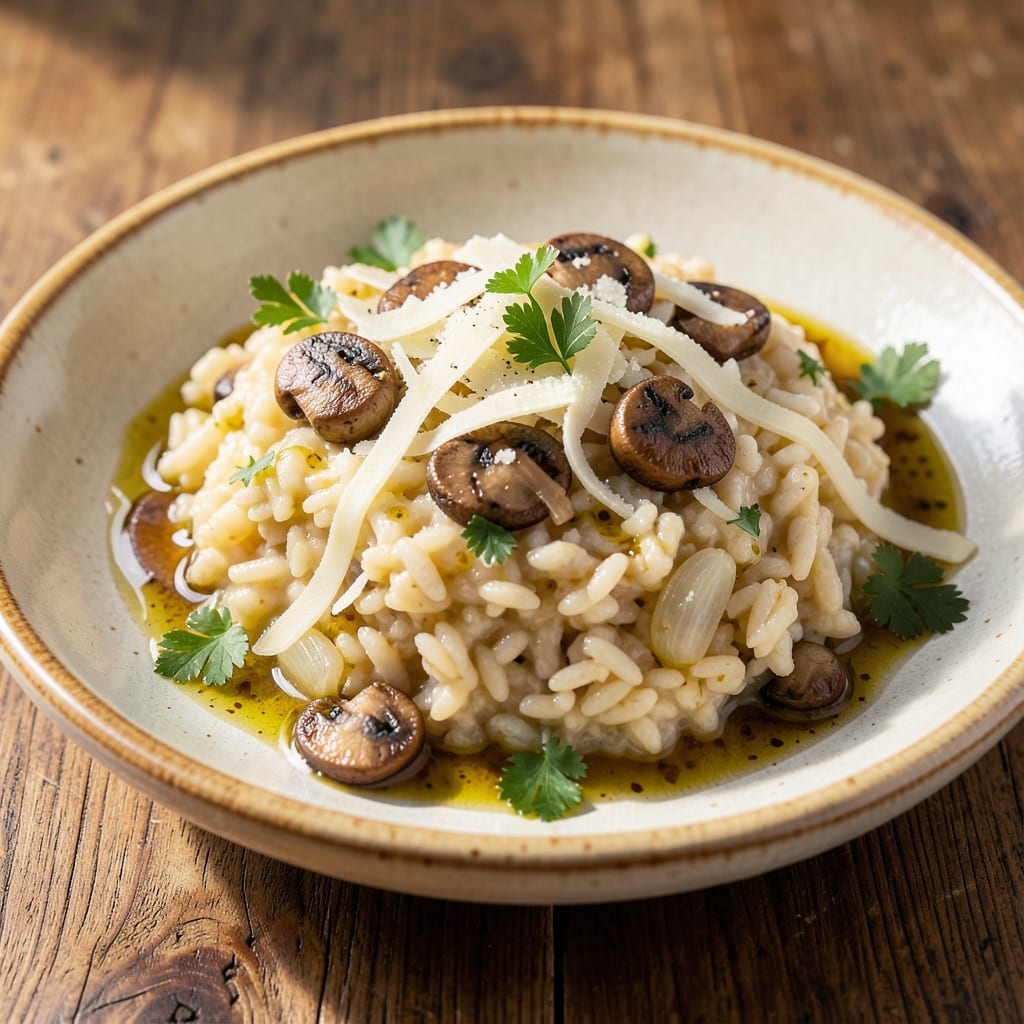
This Asiago rice recipe transforms simple ingredients into a creamy, nutty mushroom pilaf that feels like a restaurant-worthy dish. The secret lies in slow-cooking Arborio rice with white wine and broth, then folding in sharp Asiago cheese for that signature depth. I developed this version after years of testing—it's the one that finally convinced even cheese skeptics to take a second helping.
The beauty of this recipe is its balance: rich but not heavy, creamy without being cloying, and packed with umami from mushrooms and Parmesan. It starts with a simple sauté of mushrooms and shallots, then builds layers of flavor as the rice absorbs the cooking liquid. The Asiago, added at the end, melts into the rice while keeping its signature sharpness—this is what makes it truly special.
What you'll end up with is a dish that's elegant enough for dinner parties but simple enough for weeknights. The texture is perfectly al dente with pockets of creamy cheese throughout, and the aroma alone will have everyone asking what's for dinner. This recipe serves four generously, making it ideal for family meals or small gatherings where you want to impress without stress.
The best part? It comes together in about 45 minutes with minimal active time. The slow cooking process is where the magic happens—no stirring constantly like traditional risotto. Serve it as a main course with a simple green salad or roasted vegetables. Here's how to make it perfectly every time.
Ingredients for asiago rice
Simple ingredients with restaurant-quality technique for creamy, nutty Asiago rice perfection.
| Ingredient | Amount | Notes |
|---|---|---|
| Arborio Rice 🍚 | 1 cup | Unrinsed for best texture |
| White Wine 🍷 | ½ cup | Dry variety, room temperature |
| Vegetable Broth 💧 | 2 cups | Low-sodium for flavor control |
| Shallots 🧅 | 2 whole | Minced finely for sweetness |
| Cremini Mushrooms 🍄 | 8 oz | Sliced thin for even cooking |
| Extra-Virgin Olive Oil 🫒 | ¼ cup | High quality for richness |
| Asiago Cheese 🧀 | ½ cup | Freshly grated, sharp variety |
| Parmesan Cheese 🧀 | ¼ cup | Freshly grated for umami |
| Garlic Cloves 🧄 | 2 cloves | Minced for aromatic depth |
| Unsalted Butter 🧈 | 2 tbsp | Cold for sautéing mushrooms |
| Salt 🧂 | ½ tsp | Kosher salt for seasoning |
| Black Pepper 🌶️ | ¼ tsp | Freshly ground for finish |
| Fresh Thyme Leaves 🌿 | ½ tsp | Chopped for herbal note |
The Arborio rice is non-negotiable—its high starch content creates that signature creamy texture. Lundberg Family Farms or Barilla are reliable brands, but any Arborio works. For the mushrooms, cremini or baby bella add earthy depth without bitterness. Slice them evenly so they cook at the same rate. The Asiago? Freshly grated is essential—pre-shredded gets clumpy and lacks sharpness. If you can't find it, Parmigiano-Reggiano works in a pinch, but the nutty flavor will differ. The white wine should be dry—Sauvignon Blanc or Pinot Grigio are safe bets, but avoid anything sweet.
No Arborio rice? Carnaroli or Vialone Nano are close seconds, but texture will vary slightly. Substituting white wine with extra chicken broth plus 1 tbsp lemon juice mimics the acidity. For a vegetarian version, ensure your broth is vegetable-based—Pacific Foods makes a great low-sodium option. The butter is crucial for sautéing mushrooms—don't skip it, even if you're watching calories. If you must reduce fat, use olive oil instead, but the mushrooms won't brown as beautifully. Fresh thyme is ideal, but dried thyme at one-third the amount works if you're in a bind. Always taste as you go—adjust salt gradually, especially if using low-sodium broth.
This dish reheats beautifully—just add a splash of broth or water to loosen it. Keeps for 4 days in the fridge, though texture softens slightly. For freezing, portion into single servings before adding cheese—thaw overnight in the fridge and reheat gently. The rice is best served immediately after cooking, but if you must prep ahead, cook it al dente (about 1 minute less than directed) and finish with cheese later. Store cooked rice in an airtight container with a damp paper towel to prevent drying. Leftovers make fantastic lunches—just microwave with a drizzle of olive oil to revive texture.
Why You'll Love This Recipe
- One-Pot Magic: I swear by this recipe because it’s all in one pan—no chopping boards, no extra dishes. Just toast the shallots and mushrooms, add the Arborio rice, deglaze with white wine (because hello, flavor boost), and let the broth do the work. Twenty minutes later, you’re done. No stress, no mess.
- Umami Bomb: That first sip of wine hitting the pan? Chef’s kiss. The mushrooms and shallots caramelize into something deep and savory, while the asiago melts into creamy, stretchy perfection. It’s the kind of dish where every bite tastes richer than the last—like a hug for your taste buds.
- Weeknight Workhorse: This rice is my go-to when I’m too tired to plan. Toss it with roasted chicken for dinner, serve it cold in grain bowls the next day, or even stuff it into a baked potato for lunch. It’s the kind of side that actually makes other meals better—no matter what’s on the plate.
- Budget-Friendly Luxury: Arborio rice and cremini mushrooms sound fancy, but they stretch for days. A single batch feeds four, reheats like a dream, and still tastes incredible the third time around. Plus, using vegetable broth instead of chicken keeps it affordable without sacrificing depth. Frugal? Yes. Delicious? Absolutely.
Step-by-step instructions for creamy mushroom pilaf with nutty cheese
Here's how to craft a rich, creamy risotto with perfect texture and deep cheese flavor.
Sauté Shallots and Mushrooms Until Golden
Heat the 0.25 cup extra-virgin olive oil in a heavy-bottomed skillet over medium heat. Add the 2 whole shallots and cook for 3-4 minutes until softened and translucent. Add the 8 oz cremini mushrooms and the 2 tbsp unsalted butter, then cook for another 8-10 minutes, stirring occasionally, until the mushrooms release their moisture and turn golden brown.
This slow cooking process develops deep umami flavors in the mushrooms. Stir in the 2 cloves minced garlic and 0.5 tsp chopped fresh thyme leaves and cook for 30 seconds until fragrant. Remove the skillet from heat and set aside—you want to preserve all that rendered mushroom flavor for the rice.
Toast the Arborio Rice Until Translucent
In the same skillet (no need to wipe it clean—the browned bits add flavor), add the 1 cup unrinsed Arborio rice and stir to coat it evenly in the mushroom mixture. Cook for 2-3 minutes until the grains appear translucent at the edges but still slightly firm in the center. This "toasting" step builds the rice's natural starches, which will later create that signature creamy texture.
Here's the thing—don't walk away. You want the rice to develop a slight golden hue but not brown. If it starts to brown too quickly, reduce the heat slightly. The goal is to develop flavor without cooking the rice through.
Deglaze with Wine and Simmer with Broth
Pour in the 0.5 cup room-temperature white wine and stir vigorously, scraping up any browned bits from the bottom of the pan. Let the wine simmer for 2-3 minutes until completely absorbed by the rice. This deglazing step adds acidity and depth to the final dish.
Now add 1 cup of the 2 cups vegetable broth and stir gently. Increase the heat to medium-high and bring to a gentle boil. Once boiling, reduce heat to low and let the rice simmer uncovered. Stir occasionally, adding more broth ½ cup at a time whenever the liquid is nearly absorbed—this should take about 15-18 minutes total.
Finish with Cheese and Perfect the Texture
When the rice is al dente (the grains should be tender but still offer a slight resistance), remove the skillet from heat. Stir in the 0.5 cup freshly grated Asiago cheese and 0.25 cup freshly grated Parmesan cheese until completely melted and creamy. Add the remaining 1 cup vegetable broth and the 0.5 tsp salt and 0.25 tsp black pepper, then stir gently to combine.
Let the rice sit off heat for 2 minutes to thicken slightly. The residual heat will finish cooking the rice and create that luxurious, creamy consistency. Taste and adjust seasoning if needed—you might need a pinch more salt to balance the richness of the cheese.
Rest and Serve Immediately
Transfer the risotto to serving bowls and let it rest for 1-2 minutes before serving. This brief rest allows the flavors to meld and the texture to set slightly. The pilaf should be creamy but still have a slight bite to the rice—each grain should be distinct and coated in that rich, nutty cheese sauce.
Garnish with additional grated Asiago if desired, and serve immediately while still warm. The creamy texture and nutty depth of the cheese will make this pilaf a standout dish for any meal.
Pro Tips For Making Asiago Rice
- Sear the Mushrooms First: I learned this the hard way—skipping the sear makes the mushrooms turn to mush instead of adding depth. Cook them in the same pan you’ll toast the shallots, 5 minutes on medium-high until golden and slightly crisp. That caramelized flavor carries through the whole dish.
- Toast Shallots Until Golden: Don’t just chop and toss—cook the shallots in butter until they’re deep golden, not just soft. It takes 3-4 minutes on medium heat, but it’s the thing that makes this rice taste like it came from a restaurant. (Yes, even if you’re impatient like me.)
- Add Wine Gradually, Not All At Once: Pouring the white wine in one go just steams the rice. Instead, add it in two batches, letting the first evaporate halfway before adding the second. This keeps the grains separate and builds flavor layer by layer—no one wants gummy rice here.
- Stir Like You Mean It: The crust (that crispy bottom layer) is non-negotiable, but you can’t get it by half-stirring. Use a wooden spoon and scrape the bottom vigorously every 2-3 minutes during the initial cooking. If it’s sticking, you’re not stirring hard enough—this isn’t a delicate operation.
Regional styles of these flavors
Northern Italian Roots
This recipe traces back to Italy's northern regions, where risotto originated as a humble peasant dish made with whatever was available. The use of Arborio rice—grown specifically in the Po Valley—is non-negotiable for its high starch content, which creates that signature creamy texture when cooked slowly with liquid. In Veneto, where Asiago cheese hails from, it's traditionally paired with polenta or risotto to add nutty depth. The white wine in this recipe mirrors the classic Venetian technique of deglazing with local Pinot Grigio or Soave. 🍷
Venetian Asiago Twist
While classic risotto often features Parmesan, Venetian cooks elevate their dishes with Asiago cheese, which has a sharper, nuttier profile than its milder cousin. The sharp Asiago used here is a nod to the Valle d'Astico region, where the cheese is aged for at least 3 months to develop its signature tang. In Venetian kitchens, it's often grated fresh at the table—just like we do here—to preserve its texture and flavor. The Parmesan adds umami balance, a technique borrowed from Bergamo's rich culinary traditions.
Alpine-Inspired Pilaf
This recipe also draws inspiration from Alpine Italian cuisine, where hearty, cheesy rice dishes were staples in mountain villages. The cremini mushrooms add an earthy note reminiscent of dishes from Trentino-Alto Adige, where wild mushrooms are foraged year-round. The thyme and garlic reflect the region's love of aromatic herbs, while the slow-cooked broth technique ensures the rice absorbs all those flavors deeply. In these high-altitude regions, rice dishes were often cooked with butter and cheese to create rich, satisfying meals perfect for cold climates.
Modern American Adaptation
While rooted in tradition, this recipe adapts classic techniques for home cooks with a few modern twists. The vegetable broth makes it vegetarian-friendly, a common adaptation in today's kitchens. The white wine can be swapped for a lemon-broth mix if alcohol isn't an option—just like many Americanized versions do. And while traditional risotto requires constant stirring, this pilaf method lets you walk away for short periods, making it perfect for busy weeknights. It's how I've seen Italian-American families reinterpret their heritage dishes for modern lifestyles. ✨
Cheese Pairing Variations
In Lombardy, cooks might finish risotto with Gorgonzola for a bold, tangy twist, but here we stick with Asiago for its nutty, slightly sweet profile. For a Piedmontese touch, add a splash of Barolo wine instead of white—its tannins cut through the richness beautifully. In Emilia-Romagna, where Parmesan reigns supreme, you'll often see it used alone, but the Asiago-Parmesan combo here offers the best of both worlds: sharpness and depth. The key is always to grate the cheese fresh so it melts into the rice without clumping.
Nutrition facts
Frequently asked questions
Can I substitute Arborio rice with another type?
For best results, stick with Arborio rice—its high starch content creates that signature creamy texture. If unavailable, Carnaroli or Vialone Nano work well, though the texture will be slightly firmer. Avoid long-grain rice like basmati or jasmine, as they won't absorb enough liquid to achieve that creamy consistency. For a quicker version, short-grain Japanese rice can work, but you'll need to add extra broth and cook longer.
Why does my Asiago rice turn out dry?
Dry rice usually means the liquid evaporated too quickly. Always stir occasionally and add broth ½ cup at a time—never let the rice sit uncovered on high heat. If using a non-stick pan, reduce heat slightly, as these cook faster. For extra insurance, cover the pan loosely with a lid during cooking to trap steam. If it's already dry, stir in a splash of warm broth or milk to restore creaminess.
Can I make this dish ahead of time?
This pilaf is best served fresh, but you can prep components ahead. Cook the rice al dente (about 1 minute less than directed), then refrigerate. When ready to serve, reheat gently with a splash of broth and stir in the cheese at the end. For make-ahead meals, cook the mushrooms and shallot mixture separately and store in the fridge for 2 days. Assemble everything just before serving to maintain texture.
What's the best way to store leftovers?
Transfer leftovers to an airtight container and refrigerate for up to 4 days. To reheat, cover with a damp paper towel and microwave on medium power for 1-2 minutes, stirring halfway. For a creamier texture, add a splash of warm broth or milk. Freeze portions in single servings for up to 3 months—thaw overnight in the fridge before reheating. Never refreeze once thawed.
Can I make this vegetarian?
This recipe is already vegetarian-friendly with vegetable broth. For extra depth, add 1 tbsp nutritional yeast when finishing with cheese for a cheesy, umami boost. If you want to enhance the mushroom flavor, try shiitake or oyster mushrooms—they add a meaty texture. Just ensure all broth and butter are plant-based.