
Tips
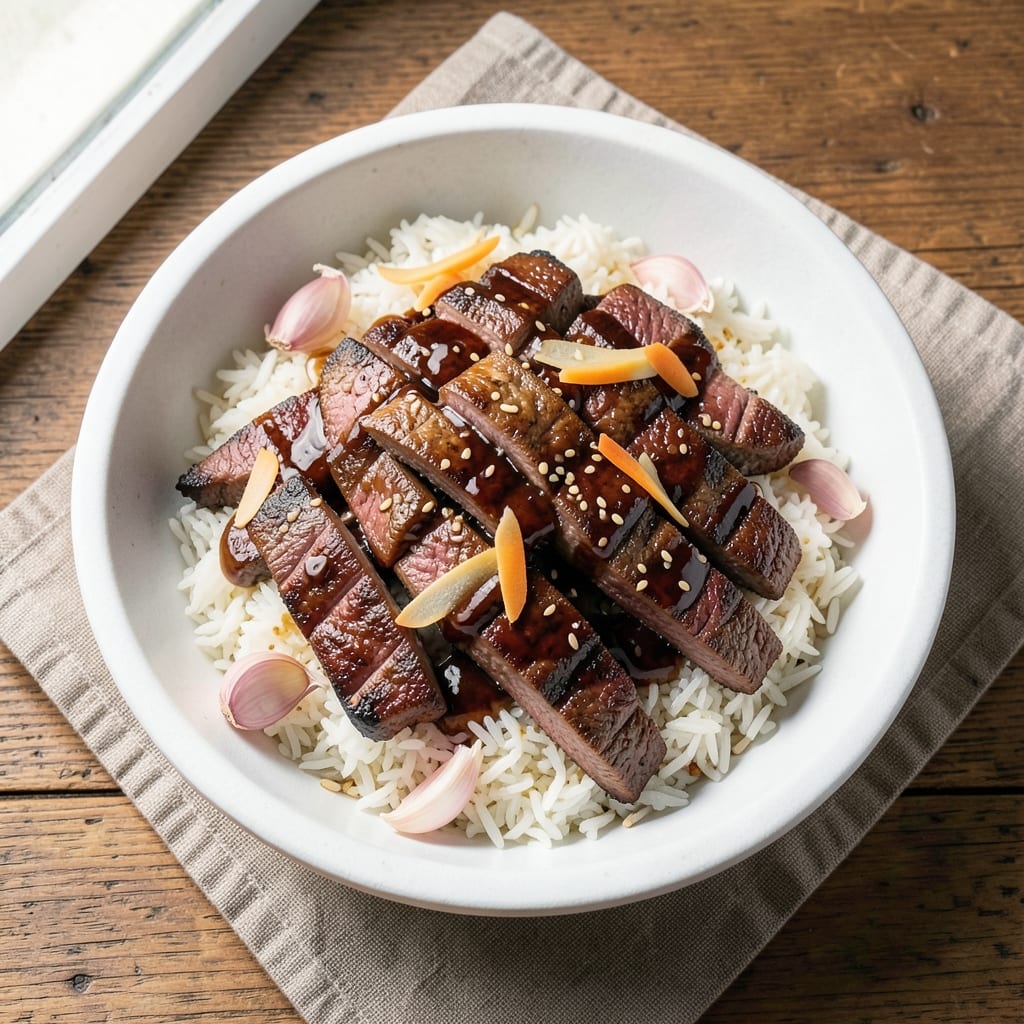
This Asian beef tips and rice recipe delivers restaurant-quality umami crunch in just 20 minutes, transforming simple ingredients into a flavor-packed weeknight meal. The secret lies in a quick soy-ginger marinade that tenderizes the beef while building deep savory notes, followed by a high-heat wok sear that creates those signature crispy edges. I developed this recipe after years of testing stir-fry techniques, and it never fails to impress—even with minimal prep time.
What sets this dish apart is the perfect balance of textures: tender beef tips with a caramelized crust, fragrant jasmine rice, and a quick stir-fry sauce that ties everything together. The recipe uses accessible ingredients like soy sauce, garlic, and ginger, but the technique—especially that final wok sear—elevates it to something special. No fancy equipment needed; a sturdy skillet works just as well as a wok.
By the time you're done, you'll have a plate that looks and tastes like it came from your favorite Asian bistro: golden-brown beef tips with crispy edges, steamed jasmine rice, and a sauce that's both tangy and sweet. The aroma alone will have everyone gathering around the table. This is comfort food at its best—quick, satisfying, and packed with flavor.
The best part? Leftovers reheat beautifully, making it perfect for meal prep. Serve with quick-pickled vegetables or a side of steamed greens for a complete meal. Let's get cooking!
Ingredients for asian beef tips and rice
Restaurant-quality beef tips and rice start with these 14 powerhouse ingredients—simple but packed with flavor.
| Ingredient | Amount | Notes |
|---|---|---|
| Flank Steak 🥩 | 1 ½ lb | Thinly sliced into 1-inch strips |
| Jasmine Rice 🍚 | 1 ½ cups | Uncooked, long-grain preferred |
| Low-Sodium Soy Sauce 🥄 | ½ cup | For marinade and sauce |
| Fresh Ginger 🌿 | 2 tbsp | Finely grated, fresh preferred |
| Garlic Cloves 🧄 | 6 cloves | Minced, fresh preferred |
| Sesame Oil 🫒 | 1 tbsp | Toasted sesame oil for aroma |
| Cornstarch 🌾 | 2 tbsp | For crispy sear coating |
| Neutral Oil 🫒 | 2 tbsp | Vegetable or canola oil |
| Honey 🍯 | 1 tbsp | For sauce sweetness |
| Rice Vinegar 🍶 | 1 tbsp | For tangy balance |
| Green Onions 🧅 | 4 whole | Sliced, white and green parts |
| Sesame Seeds 🌰 | 1 tbsp | Toasted for garnish |
| Salt 🧂 | 1 tsp | Kosher or sea salt |
| Black Pepper 🌶️ | ½ tsp | Freshly ground |
The flank steak is non-negotiable here—it's lean enough to sear perfectly but tender enough to stay juicy. Grab the thickest cut you can find (about 1-inch thick) from the butcher counter at Whole Foods or your local market. Look for good marbling; it's what keeps the meat juicy during that quick cook. If you can't find flank, sirloin or skirt steak work too, but slice them thinner. I always buy extra—this dish is a crowd-pleaser. For the jasmine rice, Lundberg Farms or any high-quality brand makes a difference. The long grains stay separate and fragrant, which is key for this dish. Skip the instant rice—it's not worth the compromise.
No low-sodium soy sauce? Regular soy sauce with half the amount of salt works, but you'll need to adjust the final seasoning. Fresh ginger and garlic are ideal, but if you're in a pinch, paste or powdered versions will do—just use half the amount. The cornstarch is your secret weapon for that crispy crust; don't skip it. For the oil, avocado oil has the highest smoke point and adds a subtle flavor, but neutral oils like vegetable or canola work fine. If you're out of rice vinegar, apple cider vinegar or lime juice can stand in, though the flavor will be slightly different. The sesame oil should be toasted—it adds a nutty aroma that's essential for that authentic wok-house feel. If you've only got regular sesame oil, toast it yourself in a dry pan for 30 seconds before adding it to the sauce.
Marinate the beef for at least 20 minutes—overnight is even better if you're planning ahead. The rice keeps beautifully in an airtight container for 3-4 days in the fridge, though it's best served fresh. For the beef, cook it just before serving—it reheats well but loses some of that crispy texture. Store leftovers separately: rice in one container, beef in another. Reheat the beef in a skillet with a splash of water to keep it moist. This dish freezes surprisingly well too—up to 3 months for the beef (without the sauce) and 1 month for the rice. Portion the sauce separately if freezing, as it can separate when thawed. Garnish with fresh green onions and sesame seeds right before serving—they add that final pop of color and freshness.
Why You'll Love This Recipe
- One-Pan Magic: I swear by this for nights when I’m too tired to wash dishes. Slice the flank steak thin, toss it with garlic, ginger, and soy sauce, then let the rice cooker do the rest—no extra pots, no fuss.
- Umami Bomb: That first bite? The garlic and ginger sear into the beef while the soy sauce caramelizes just enough to coat every grain of rice. It’s the kind of flavor that makes you pause mid-bite—like a little Asian restaurant secret in your kitchen.
- Lunchbox Hero: Pack the leftovers for days—cold rice and beef taste even better the next morning, especially with a sprinkle of sesame seeds. Honestly, half my week’s lunches come from this one batch.
- Budget Power Move: Flank steak stretches far, and jasmine rice fills everyone up. I make this for four people for under $15, and somehow, it always disappears before the meal’s over. (Yes, even with my picky-eater roommate.)
Step-by-step instructions for wok-seared beef tips and jasmine rice
Here's how to deliver restaurant-quality Asian beef tips with crispy edges and fragrant rice in under 20 minutes.
Prepare the Flank Steak for Maximum Flavor and Texture
Slice the 1.5 lb flank steak into 1-inch strips against the grain for maximum tenderness. Place the strips in a large bowl and add 2 tbsp cornstarch, 1 tsp salt, and 0.5 tsp black pepper. Toss vigorously with your hands until every piece is evenly coated - this creates that signature crispy exterior while keeping the interior juicy. Let the coated beef rest for 10 minutes while you prep the remaining ingredients.
This resting period allows the cornstarch to adhere perfectly, ensuring a crunchy sear without making the beef tough. Don't skip this step - it's what transforms ordinary beef into wok-seared perfection. While waiting, finely grate the 2 tbsp fresh ginger and mince the 6 cloves garlic cloves - you'll need them for the sauce in just a moment.
Cook the Jasmine Rice to Fluffy Perfection
Rinse the 1.5 cups jasmine rice thoroughly under cold water until the water runs clear - this removes excess starch that would make the rice gummy. In a medium saucepan, combine the rice with 3 cups water and bring to a boil over high heat. Once boiling, reduce to low heat, cover tightly with a lid, and simmer for 15 minutes without disturbing it.
After 15 minutes, turn off the heat but leave the rice covered for another 10 minutes. This steaming process creates those signature fluffy grains. Fluff the rice gently with a fork before transferring to a serving dish - it should be light and separate, not sticking together. Keep it warm while you finish the beef.
Wok-Sear the Beef Tips to Crispy Perfection
Heat 2 tbsp neutral oil in a large wok or skillet over high heat until shimmering. Working in batches if needed, add the cornstarch-coated beef strips and sear undisturbed for 1-2 minutes until deep golden brown on all sides. This high heat creates the signature wok-seared texture while keeping the interior tender.
Transfer the seared beef to a plate and set aside. In the same wok, add 1 tbsp neutral oil and swirl to coat the bottom. Add the minced garlic cloves and fresh ginger, stirring constantly for 30 seconds until fragrant but not browned - you want aroma, not bitterness. Immediately pour in 0.5 cup low-sodium soy sauce and 1 tbsp rice vinegar, scraping up any browned bits from the bottom.
Finish the Sauce and Combine Everything
Return the seared beef to the wok along with any accumulated juices. Add 1 tbsp honey and 1 tbsp sesame oil, stirring to combine. Cook for 1-2 minutes until everything is evenly coated and the sauce has slightly thickened. The beef should be glistening with that perfect balance of sweet, salty, and umami flavors.
Divide the fluffy jasmine rice among serving plates and top each portion with the beef and sauce. Garnish with sliced green onions and sesame seeds for that final restaurant-quality touch. Serve immediately while the beef is still sizzling hot and the rice is perfectly fluffy - every bite should deliver that perfect crunch followed by tender beef and fragrant rice.
Pro Tips For Making Asian Beef Tips And Rice
- Slice Against the Grain: Flank steak’s muscle fibers run long, and cutting them short makes the beef tough. Thinly slice perpendicular to the grain before cooking—this takes 5 minutes but guarantees tender bites. (Yes, even if you’re impatient like me.)
- Marinate Overnight (or Skip It): I used to toss the steak in sauce for 30 minutes and wonder why it tasted flat. For deeper flavor, marinate flank steak in soy sauce, garlic, and ginger for at least 4 hours—or overnight if you’re planning ahead. If you’re short on time, just salt it generously and sear it hot.
- Don’t Overcrowd the Pan: After burning three batches, I finally figured out: beef tips need space to sear, not a steam bath. Cook in two batches over medium-high heat, or the sauce will turn into a sad, greasy sludge instead of a glossy glaze.
- Toast the Ginger: Sounds weird, but it works: peel and lightly toast the ginger slices in the same pan where you sear the garlic. The char adds a smoky depth that raw ginger can’t match—just 30 seconds until fragrant. (Your future self will thank you.)
Storing and reheating this asian beef tips and rice
Beef Storage Tips
Store cooked beef tips in an airtight container in the refrigerator for up to 3 days. Place them on the middle shelf where temperatures stay most consistent. I like using glass Pyrex containers because they prevent odors from seeping in. For longer storage, freeze the beef in a single layer before transferring to a freezer bag—this prevents freezer burn and makes reheating easier. 🥩
Rice Storage Secrets
Cooked jasmine rice keeps beautifully in the fridge for 4-5 days when stored in an airtight container. I recommend portioning it into smaller containers (like 1-cup servings) for quick reheating. For freezing, spread the rice on a tray first to prevent clumping, then transfer to a freezer bag for up to 3 months. The texture stays fluffy if you reheat it gently with a splash of water. ❄️
Reheating Beef Perfectly
For best results, reheat beef tips in a skillet over medium heat with 1 tbsp water or beef broth to prevent drying. Cook for 2-3 minutes until heated through (165°F internal temperature). Avoid microwaving—it makes the beef rubbery. If using frozen beef, thaw it in the fridge overnight first. For extra crispiness, add ½ tsp cornstarch to the pan while reheating. 🔥
Rice Reheating Methods
Steam reheating preserves texture best: place rice in a microwave-safe bowl with 2 tbsp water, cover with a damp paper towel, and heat on high for 2 minutes. For stovetop, use a light-colored pot (like stainless steel) to monitor color—rice burns easily. If the rice seems dry, add 1 tbsp water at a time until fluffy. Never reheat rice in the microwave uncovered—it dries out instantly. ✨
Sauce Preservation
Store the sauce separately in a small jar or airtight container in the fridge for up to 5 days. When reheating, warm it gently in a saucepan over low heat—never boil, or it may separate. If the sauce thickens too much, thin it with 1 tsp water or rice vinegar. For extra flavor, add a pinch of sugar or honey when reheating. The sauce freezes well for 1 month but may need stirring after thawing. 🥄
Meal Prep Strategy
Prep all components separately for best results: cook rice, sear beef, and make sauce on the same day, then store them in individual containers. When ready to serve, reheat the beef and rice together in the same pan with 1 tbsp oil for 3-4 minutes—this redistributes flavors perfectly. Pack extra sauce on the side for dipping or drizzling. This method keeps everything fresh-tasting, even after 3 days in the fridge. 📅
Nutrition facts
Frequently asked questions
Can I substitute flank steak with another cut?
For this recipe, you can use sirloin or skirt steak as direct substitutes. Slice them thinly against the grain (about ¼-inch thick) to ensure tenderness. Avoid tougher cuts like flank's thicker sections—they won't sear as nicely. If using pre-sliced beef strips, pat them dry thoroughly before coating with cornstarch.
Why does my beef turn out tough?
Tough beef usually happens when the strips are too thick or overcooked. Always slice against the grain and keep them at 1-inch maximum thickness. Cook over high heat for just 1-2 minutes—the beef should be deep golden brown outside but still pink inside. Resting the coated beef for 10 minutes before cooking helps too.
Can I make this recipe without a wok?
No problem! A large skillet or cast-iron pan works perfectly. Use high heat and make sure your pan is well-seasoned (or oiled) to prevent sticking. For extra crispiness, work in smaller batches so the beef doesn't steam instead of sear. A nonstick pan can work too, but you'll lose some of that signature crust.
How do I prevent the rice from getting mushy?
Rinse the rice thoroughly until the water runs clear—this removes excess starch. Use a 1:2 rice-to-water ratio (1.5 cups rice to 3 cups water) and cook on low heat after the initial boil. Never stir the rice while cooking—just let it steam undisturbed for 15 minutes off the heat. Fluff gently with a fork before serving.
What if I don't have sesame oil?
You can omit it entirely—the dish will still taste great! If you want to add a similar flavor, use ½ tsp toasted sesame seeds in the sauce instead. For a neutral oil alternative, add 1 tsp neutral oil to the sauce at the end, but don't overdo it—sesame oil's nutty aroma is what makes it special.