
Main Courses
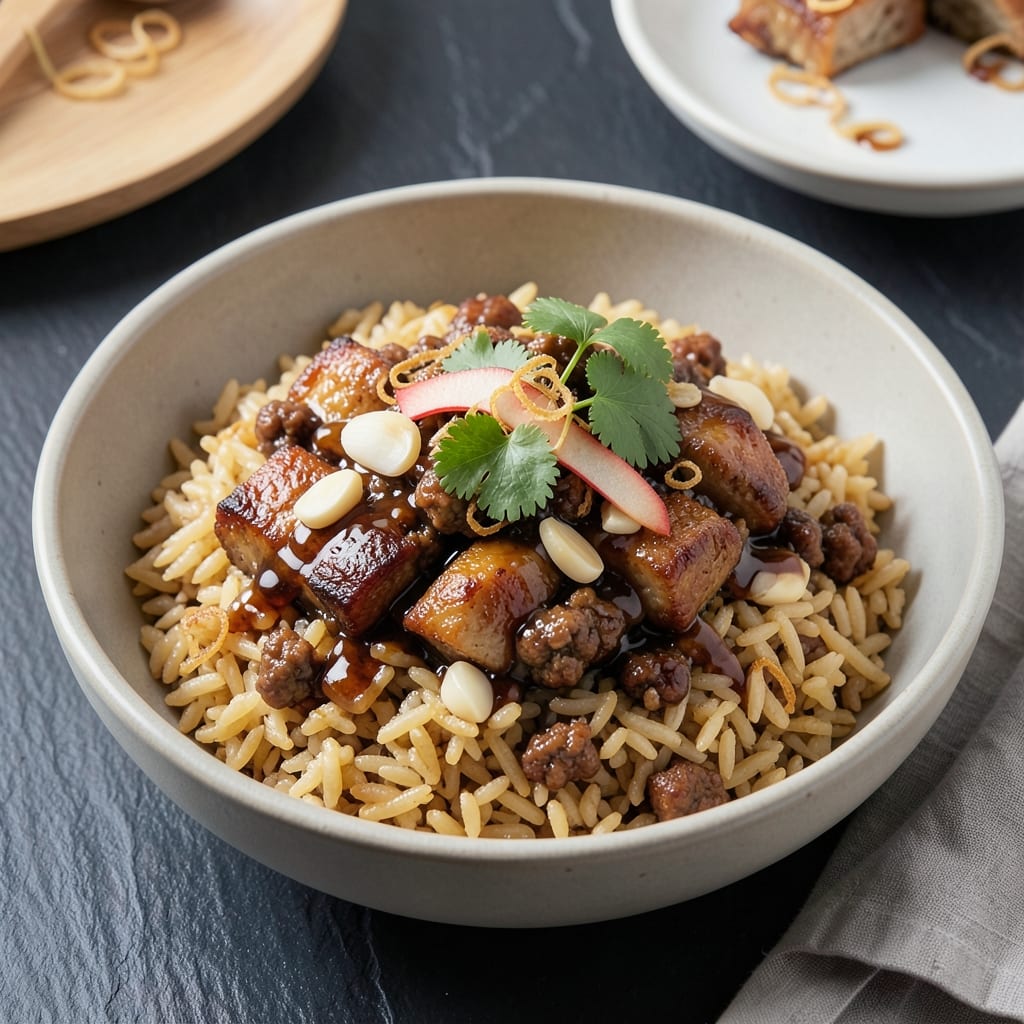
This Asian dirty rice recipe delivers restaurant-quality wok-tossed rice with crispy edges and layers of umami that make every bite irresistible. The secret lies in stir-frying day-old rice until it's perfectly toasted, then combining it with savory ground pork, aromatic garlic-ginger paste, and a perfect balance of soy sauce and chili. I've perfected this technique over years of testing—it's the kind of dish that transforms simple ingredients into something extraordinary.
The magic happens in the wok, where high heat creates those coveted crispy edges while keeping the rice tender inside. We'll use a simple 1-2-3 method: sear the protein, toast the rice, and finish with bold seasonings. This recipe builds flavor in stages, ensuring each component shines without overpowering the others. The result is a dish that's hearty enough for a main course but versatile enough to serve as a side.
What makes this recipe stand out is the balance of textures—crispy rice, tender protein, and silky sauce—all coming together in one perfect bite. The aroma alone will have your kitchen smelling like a bustling Asian street market. Serve it with pickled vegetables for brightness or fried shallots for extra crunch. This is comfort food at its finest, with just the right amount of heat and umami to satisfy any craving.
Ready in about 30 minutes with minimal prep, this dish proves you don't need fancy ingredients to create something special. The technique is straightforward, but the flavor payoff is undeniable. Let's get cooking!
Ingredients for asian dirty rice
Simple ingredients transform into restaurant-style wok-tossed rice with crispy edges and deep umami flavor.
| Ingredient | Amount | Notes |
|---|---|---|
| Day-Old Cooked White Rice 🍚 | 3 cups | Cold, uncooked rice works too |
| Ground Pork 🐷 | 1 lb | 80/20 fat ratio preferred |
| Garlic Cloves 🧄 | 6 cloves | Minced into paste with ginger |
| Fresh Ginger 🌿 | 2 tbsp | Finely grated, not powdered |
| Soy Sauce 🍶 | ½ cup | Light or dark variety |
| Oyster Sauce 🍶 | 2 tbsp | Kikkoman preferred |
| Sesame Oil 🫒 | 1 tbsp | Toasted for aroma |
| Rice Vinegar 🍶 | 1 tbsp | White or seasoned |
| Sugar 🍬 | 1 tbsp | White or brown |
| Vegetable Oil 🫒 | 2 tbsp | High smoke point |
| Red Chili Flakes 🌶️ | 1 tbsp | Adjust for heat preference |
| Green Onions 🧅 | 4 whole | Sliced, white and green parts |
| Salt 🧂 | 1 tsp | Kosher or sea salt |
| Black Pepper 🌶️ | ½ tsp | Freshly ground |
| Scallions 🧅 | 2 whole | Optional for garnish |
The rice is the foundation—day-old works best for texture, but cold uncooked rice in a pinch. Jasmine or long-grain rice holds up better to wok-tossing. For the pork, 80/20 fat ratio is key—it renders beautifully and adds flavor. Buy ground pork from the butcher counter if possible, not the pre-packaged stuff. The garlic-ginger paste should be minced finely for maximum aroma. Fresh ginger has more punch than powdered, so if you're using that, double the amount. Store-bought paste works too, just check for no added sugar.
No oyster sauce? Soy sauce plus a splash of fish sauce gets you close. The sesame oil adds depth—don't skip it, but use the toasted kind for real flavor. Kikkoman oyster sauce is the gold standard, but any reputable brand works. For extra umami without pork, swap in mushroom powder or soy sauce concentrate. The red chili flakes can be adjusted to taste—start with half if you're sensitive to heat. Green onions add freshness, but scallions or chives work too if that's what you have. The rice vinegar brightens everything up—don't use balsamic or apple cider.
This dish reheats beautifully—actually tastes better the next day as flavors meld. Keeps 4-5 days in the fridge, freezes for 3 months. Double the batch and freeze half for lazy weeknights. The wok gets hot fast, so work in batches if needed. For extra crispy edges, spread the rice in a thin layer on the wok and stir constantly. Garnish with extra green onions or sesame seeds right before serving—they add crunch and color.
Why You'll Love This Recipe
- Here’s what sold me: this dish improves the next day. The flavors meld, the textures soften just enough, and reheating it? Crispy edges every time. Pack it for lunch or freeze portions—it’s my secret weapon for lazy afternoons.
- Uses Day-Old Rice: Honestly, this is my go-to for turning yesterday’s rice into something actually useful. No sad, dry grains here—the pork and soy sauce work magic, turning it into crispy-edged, flavor-packed bites that taste like you planned it all along.
- One-Pan Magic: Between us, I’ve never met a cleaner weeknight dish. Brown the pork, toss in the rice and aromatics, stir-fry until everything’s sticky and golden—done. One pan, one spatula, and zero dishes screaming at me after.
- Budget Powerhouse: Ground pork stretches further than you’d think, especially when mixed with rice that’s already paid for. Add a splash of soy sauce and fresh ginger, and suddenly you’ve got a filling, satisfying meal that won’t break the bank—or your grocery budget.
Step-by-step instructions for wok-tossed Asian dirty rice
Transform cold rice into a crispy, umami-packed dish with this high-heat wok technique.
Prepare the Pork and Aromatics
Heat a wok or large skillet over medium-high heat with 2 tablespoons vegetable oil. Add the 1 pound ground pork and break it apart with a spatula, cooking until it loses its raw color and begins to brown—about 4-5 minutes. This step develops deep porky flavor and removes excess fat.
Push the pork to one side of the wok and add 2 tablespoons vegetable oil if needed. Add the 6 cloves garlic and 2 tablespoons fresh ginger (pre-minced into a paste), stirring constantly for 30 seconds until fragrant. The garlic should sizzle and turn golden—this releases its full flavor. Remove the pork mixture and set aside in a bowl.
Toast the Rice and Build the Sauce
In the same wok, add 2 tablespoons vegetable oil over high heat until shimmering. Add the 3 cups day-old cooked white rice, breaking up any clumps and spreading it evenly. Stir-fry for 3-4 minutes until the rice develops crispy edges and golden spots—this is where that signature "dirty" texture comes from.
Reduce heat to medium and stir in the ½ cup soy sauce, 2 tablespoons oyster sauce, 1 tablespoon rice vinegar, 1 tablespoon sugar, and 1 tablespoon red chili flakes. Let the sauce simmer for 1 minute until it coats the rice evenly. The rice should be moist but not soggy—if it's too dry, add 1-2 tablespoons hot water.
Combine and Finish with Umami Depth
Return the pork mixture to the wok and toss everything together for 1-2 minutes until fully combined. Drizzle in the 1 tablespoon sesame oil and toss again to distribute evenly. The sesame oil adds nutty aroma and helps balance the rich pork and sauces.
Season with 1 teaspoon salt and ½ teaspoon black pepper, then taste and adjust—you might need a bit more soy sauce for saltiness or a touch of sugar to balance acidity. The dish should be bold, savory, and slightly spicy with crispy rice edges throughout.
Garnish and Serve Immediately
Transfer the dirty rice to serving plates and garnish with sliced 4 whole green onions and 2 whole scallions (if using). The fresh herbs add brightness and contrast to the rich, umami-packed dish. Serve immediately while the rice maintains its crispy edges and the pork stays juicy.
This dish works perfectly as a main course with a side of steamed greens or as a filling for rice paper rolls. The key to success lies in the high-heat wok tossing—keep the heat up and stir constantly to achieve those coveted crispy edges while keeping the center tender.
Pro Tips For Making Asian Dirty Rice
- Sear the Pork First: I learned this the hard way—skipping the initial sear means your rice will taste like a pork-flavored mushy pile instead of a rich, aromatic dish. Cook the ground pork in a dry pan over medium-high heat until it browns deeply (about 3-4 minutes), then only add the garlic and ginger. That crust locks in flavor and prevents the pork from turning greasy later.
- Use Cold, Dry Rice: Day-old rice is non-negotiable, but cold, dry rice is the real game-changer. Spread your rice on a tray and let it sit uncovered in the fridge for 10-15 minutes before using—this ensures it absorbs sauces instead of turning into glue. (Yes, even if you’re impatient like me.)
- Toast the Garlic-Ginger Paste: The moment you add minced garlic and ginger to the pork, crank the heat to medium-high and let it sizzle for 30 seconds. This step develops a nutty aroma and prevents that raw, medicinal bite. Skip it, and your dish will taste undercooked, even if the pork is fully browned.
- Deglaze with Soy Sauce Last: Add the soy sauce after the rice is mostly cooked, not at the start. The rice needs to toast slightly in the pork’s rendered fat first—this builds depth. Pour in the soy sauce in the final 2 minutes, then let it bubble until the rice is just tender. (Resist the urge to stir constantly; you’ll end up with uneven texture.)
Common mistakes when making this recipe
Overcrowding the Wok
This is the #1 mistake I see when making Asian dirty rice—the wok gets overloaded with too much rice or protein at once. When you crowd the wok, the rice steams instead of developing those crispy edges we want. Work in batches if needed: cook 2 cups of rice at a time, then set aside while you finish the rest. I've ruined more batches than I care to admit by trying to rush this step. 🔥
Using Fresh Rice
Freshly cooked rice is too moist and will turn mushy when stir-fried. The starch in fresh rice creates steam that softens everything instead of creating crispy edges. Day-old rice is ideal, but if you're in a pinch, spread freshly cooked rice on a tray and chill in the fridge for 1 hour before using. The key is dry rice—it toasts beautifully and absorbs flavors like a sponge.
Skipping the High Heat
Low heat = sad, soggy rice. You need that wok screaming hot to create those signature crispy edges. If your wok isn't hot enough, the rice will just get warm and sticky. Preheat your wok for 2-3 minutes before adding oil—it should be so hot that oil smokes slightly when added. I test mine by tossing a bit of rice: if it sizzles immediately, you're ready to go.
Underseasoning the Pork
Many recipes call for just salt and pepper on the pork, but that's missing out on layers of flavor. The pork needs to develop deep umami before combining with the rice. Sear it until deeply browned (about 4-5 minutes), then finish with a splash of 1 teaspoon soy sauce while it cooks. This builds flavor that carries through the entire dish. Don't skip this step—it makes all the difference!
Adding Sauce Too Early
If you add all the sauces (soy, oyster, vinegar) to the pork while it's cooking, you'll steam the meat instead of browning it properly. Cook the pork dry first, then remove it and build the sauce in the wok with the rice. This two-step process ensures proper browning and maximum flavor development. I learned this the hard way when my first batch turned out bland and watery.
Letting It Sit Too Long
Asian dirty rice is best served immediately while the rice maintains its crispy edges. If you let it sit for more than 10 minutes, those edges will soften and the dish loses its restaurant-quality texture. Serve straight from the wok onto plates and garnish right away. The fresh herbs will also wilt if you wait too long—always plate immediately for the best presentation. 💫
Nutrition facts
Frequently asked questions
Why does the recipe call for day-old rice instead of fresh?
Day-old rice has dried out slightly, which creates those signature crispy edges when wok-tossed. Fresh rice releases too much moisture and turns mushy. If you only have fresh rice, spread it on a tray and chill for 1 hour to dry it out before cooking. The texture difference is dramatic!
Can I substitute ground pork with another protein?
For a vegetarian version, use 1 lb crumbled tofu or mushrooms (like shiitake or oyster). For seafood, try 1 lb shrimp or scallops—just cook them separately first. Chicken works too, but ground pork gives the most authentic umami flavor. The cooking time may vary slightly with different proteins.
How do I adjust the spice level? Start with 1 tbsp red chili flakes for medium heat, but reduce to ½ tbsp if you prefer mild. For extra kick, add 1 tbsp sambal oelek or fresh chili paste at the end.
What's the best way to reheat leftovers?
Reheat in a skillet over medium heat with 1 tsp vegetable oil, stirring constantly for 3-4 minutes until warmed through. Microwaving makes the rice soggy. The dish actually tastes better the next day as flavors meld together. Store leftovers in an airtight container for up to 4 days.
Can I make this in a regular skillet instead of a wok?
Yes, but you'll need to work in smaller batches to achieve crispy edges. Use a 12-inch cast iron or stainless steel skillet and keep the heat high. The key is maintaining that high heat and stirring constantly. A wok distributes heat better, but a good skillet will still give you delicious results!