
Main Courses
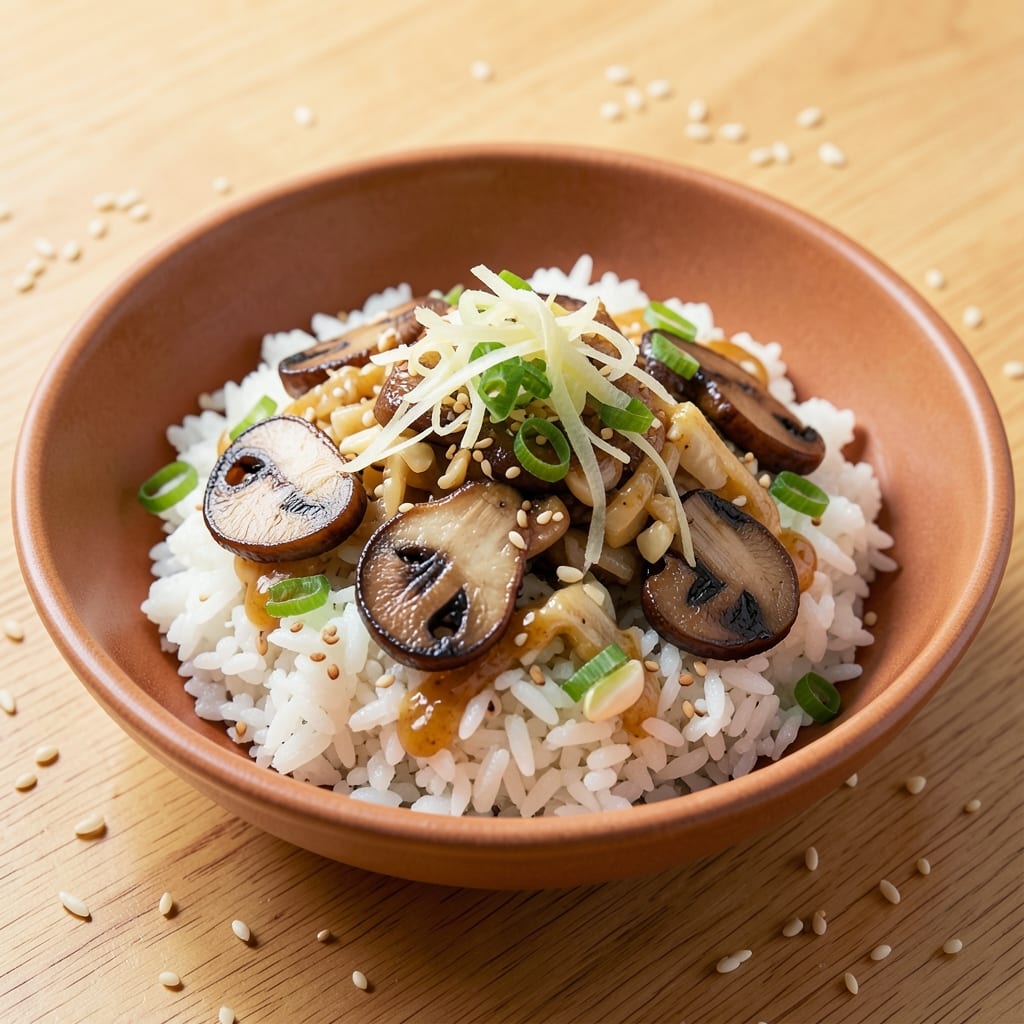
This Asian mushroom fried rice recipe delivers umami-packed wok perfection in just 20 minutes, transforming simple ingredients into a restaurant-quality meal. The secret lies in properly prepped mushrooms and aromatic base—garlic, ginger, and shallots—sautéed until fragrant before combining with day-old rice and a savory soy-sesame sauce. I developed this after years of testing fried rice techniques, and it never fails to impress with its balanced flavors and satisfying texture.
The dish starts with high-heat stir-frying to achieve that signature wok hei—smoky aroma and crisp edges—while keeping the rice tender. Mushrooms add meaty depth, and a splash of coconut milk (optional) rounds out the richness. This recipe is foolproof for weeknights but elegant enough for dinner guests, with adaptable ingredients for dietary preferences. The key is timing: quick cooking preserves texture while building layers of flavor.
What you'll end up with is golden, fragrant fried rice with crispy mushroom bits, fragrant aromatics, and a sauce that clings perfectly to each grain. The aroma alone will have everyone gathering around the table—it's that good. Each bite delivers a perfect balance of savory, slightly sweet, and umami-rich notes, making this my go-to weeknight dinner that feels special without the fuss.
Serve immediately with a sprinkle of green onions and sesame seeds for freshness, or pack leftovers for lunch. This recipe scales easily for crowds, and the technique works for other proteins too. Let's get cooking—your taste buds will thank you.
Ingredients for asian mushroom rice
Transform simple pantry staples into umami-rich fried rice with restaurant-quality depth.
| Ingredient | Amount | Notes |
|---|---|---|
| Day-Old Cooked White Rice 🍚 | 4 cups | Cold or room temperature preferred |
| Shiitake Mushrooms 🍄 | 8 oz | Fresh, stems removed, sliced thin |
| Garlic Cloves 🧄 | 4 cloves | Minced finely for aromatic base |
| Fresh Ginger 🌿 | 1 ½ tbsp | Grated finely, about 1-inch piece |
| Shallots 🧅 | 2 whole | Minced finely, about 1/4 cup |
| Green Onions 🧅 | 4 whole | White and green parts separated |
| Sesame Oil 🫒 | 1 ½ tbsp | Toasted for nutty aroma |
| Soy Sauce 🥢 | 3 tbsp | Light or all-purpose preferred |
| Dark Soy Sauce 🥢 | 1 tbsp | For color and depth |
| Sesame Seeds 🌰 | 1 tbsp | Toasted lightly for garnish |
| Vegetable Oil 🫒 | 3 tbsp | High smoke point for stir-frying |
| Coconut Milk 🥥 | ¼ cup | Optional, for richness |
| Salt 🧂 | ½ tsp | Diamond Crystal preferred |
| Black Pepper 🌶️ | ¼ tsp | Freshly ground for heat |
The mushrooms are the flavor foundation—shiitake delivers that meaty umami without any animal products. Look for plump, firm caps with tight gills at Whole Foods or your local Asian market; they hold up best during stir-frying. If using dried shiitake, rehydrate first but don't overdo it—squeeze out excess moisture. The garlic, ginger, and shallots should be freshly minced right before cooking to preserve their volatile oils. Penzeys or bulk bins at natural markets are great for quality aromatics. For extra depth, toast the sesame seeds in a dry pan for 30 seconds before using—they'll release their nutty aroma immediately.
No shiitake? Oyster mushrooms or cremini work in a pinch, but they lack the umami punch. Swap dark soy sauce for 1 tbsp more light soy sauce plus 1 tsp molasses if you're out. The coconut milk is optional but worth including for that silky richness—full-fat canned coconut milk gives the best texture. For a vegetarian boost, add 1 cup frozen peas or corn with the mushrooms. The rice should be day-old—fresh rice turns mushy. If you must use fresh, spread it on a tray and chill for 2 hours first. And trust me on the high-heat stir-fry—this isn't a simmering dish.
Prep ahead by chopping all aromatics and storing them in an airtight container in the fridge for up to 3 days. The cooked rice keeps 5 days in the fridge but tastes best within 2 days. For leftovers, reheat in a dry skillet over medium heat with a splash of water—never microwave, or you'll lose that crisp texture. This recipe scales beautifully for crowds: double the mushrooms, rice, and sauce, then divide among multiple woks or large skillets. The flavor actually improves the next day as everything melds together—perfect for meal prep.
Why You'll Love This Recipe
- Uses Leftover Rice: Honestly, this is my secret for turning yesterday’s rice into something better than fresh—those dried-out grains soak up the umami from the shiitake and garlic like a sponge. No waste, no stress, just flavor.
- One-Pan Magic: Between us, I’ve tried this on a sheet pan, a wok, even a cast-iron skillet, and it always works. Sauté the shallots and mushrooms, toss in the rice, and let the garlic-ginger paste do the heavy lifting. Five ingredients, zero cleanup.
- Umami Bomb: That first bite of crispy shiitake edges melting into the rice? It’s the kind of flavor that makes you pause mid-chew. The ginger lingers just enough to keep it fresh, while the garlic adds this deep savory punch—like a hug for your taste buds.
- Budget Meal Prep: I make a big batch on Sundays, and it lasts all week—packed for lunches, reheated for dinners, or even stuffed into buns. Shiitake mushrooms are cheaper than you’d think, and rice? Cheapest staple ever. Filling, satisfying, and my wallet thanks me.
Step-by-Step instructions for Asian mushroom fried rice
Master this wok technique for restaurant-quality fried rice every time.
Prepare the Aromatic Base
Heat the 3 tablespoons vegetable oil in a wok or large skillet over medium-high heat until shimmering. Add the 2 whole minced shallots and cook for 1 minute until translucent. Stir in the 4 cloves minced garlic and 1.5 tablespoons finely grated fresh ginger, cooking for 30 seconds until fragrant but not browned.
This aromatic base forms the flavor foundation. If the shallots brown too quickly, reduce heat slightly—you want them soft and sweet, not bitter. The ginger and garlic should sizzle gently without burning, releasing their full umami potential.
Stir-Fry the Shiitake Mushrooms
Push the aromatics to one side of the wok and add the 8 ounces sliced shiitake mushrooms. Cook undisturbed for 2 minutes until they release moisture and begin to brown. Stir occasionally, then combine with the aromatics and cook for another 2 minutes until mushrooms are tender but still retain their shape.
Don't overcrowd the wok—work in batches if needed. The mushrooms should develop a deep brown color and slightly crisp edges. This caramelization creates the signature umami depth in Asian fried rice.
Add the Rice and Seasonings
Increase heat to high and add the 4 cups day-old cooked white rice, breaking up any clumps with a spatula. Stir-fry for 2 minutes until the rice is heated through and begins to sizzle. Drizzle in the 3 tablespoons soy sauce and 1 tablespoon dark soy sauce, stirring constantly for 1 minute until evenly distributed.
Here's where the magic happens: the dark soy sauce adds that signature blackened appearance while enhancing the umami flavor. The rice should look glossy and well-coated. If it seems dry, add 1-2 tablespoons water to create steam and prevent sticking.
Finish with Coconut Milk and Garnishes
Reduce heat to medium and stir in the 0.25 cup coconut milk, allowing it to simmer for 1 minute until slightly thickened. Add the 0.5 teaspoon salt and 0.25 teaspoon black pepper, then toss in the white parts of 4 chopped green onions. Cook for 30 seconds until heated through.
Remove from heat and stir in the 1.5 tablespoons toasted sesame oil and remaining green onion tops. The sesame oil should infuse the rice with nutty aroma. For extra texture, sprinkle with 1 tablespoon toasted sesame seeds before serving.
Serve Immediately for Perfect Texture
Transfer the fried rice to a serving platter and immediately garnish with additional sesame seeds and green onions. Serve while hot, with any accumulated juices spooned over the top. The rice should be crisp at the edges with a slightly sticky center, perfectly balanced between texture and moisture.
This dish delivers that authentic wok-house flavor profile—deep umami from the mushrooms and soy sauces, nutty sesame notes, and the perfect balance of textures. The coconut milk adds subtle richness without overpowering the other flavors, creating a harmonious blend that's both comforting and sophisticated.
Pro Tips For Making Asian Mushroom Rice
- STIR-FRY MUSHROOMS FAST: Use pre-sliced shiitake mushrooms instead of whole ones—you’ll save 10 minutes and still get that meaty texture. If you’re using dried shiitake, soak them in warm water for 20 minutes first, then slice thinly so they cook through without turning to mush.
- SWEAT SHALLOTS LOW: Cook your shallots at medium-low heat until they’re soft and translucent—about 5 minutes—before adding garlic. I learned this the hard way: burning them makes the whole dish taste bitter, and no one wants that funk in their rice.
- BREAK UP DRY RICE: Cold rice sticks together like glue, and no one likes gummy mushroom rice. Before adding it to the pan, use a fork to rough up the grains—just a few quick stabs—and a splash of water to separate clumps. This guarantees each bite stays distinct and soaks up flavor.
- GINGER: GRATE, DON’T CHOP: Fresh ginger loses its punch when it sits in big chunks. Use a microplane or the fine side of a grater to get it into the pan as tiny specks—this way, it infuses the oil and rice evenly. (Yes, even if you’re impatient like me, skip the knife.)
Serving suggestions for leftovers
Classic Pairings
Serve this umami-packed fried rice with a steaming bowl of miso soup—the salty broth and silky tofu complement the dish's richness perfectly. I love using Hontashi tofu (silken tofu with skin) from Trader Joe's for its delicate texture. The contrast between the hot rice and cool soup makes every bite refreshing. 🥄
Protein Additions
For a complete meal, add shrimp or chicken to the wok in Step 2. Toss in 8 ounces peeled shrimp (tails off) with the mushrooms—they cook in just 2 minutes over high heat. For chicken, use 1 cup diced thigh meat (marinated in 1 tbsp soy sauce) and stir-fry for 3 minutes until golden. Both proteins absorb the mushroom sauce beautifully.
Vegetable Boosters
Brighten the dish with bell peppers and snap peas. Add 1 cup diced red bell pepper and 1 cup trimmed snap peas with the mushrooms in Step 2—they soften just enough to add crunch. For extra freshness, toss in 1 cup baby spinach during the final 30 seconds of cooking. The vibrant colors make the dish look as good as it tastes. 🥦
Dipping Sauces
Offer two dipping sauces for customization. For heat lovers, blend 2 tbsp sriracha, 1 tbsp lime juice, and 1 tsp honey. For a milder option, mix 2 tbsp hoisin sauce with 1 tsp rice vinegar. Serve in small bowls alongside the fried rice—guests will love personalizing their bites. 🌶️
Beverage Pairings
Pair this dish with a crisp Japanese lager like Asahi Super Dry—its clean, slightly sweet profile cuts through the umami flavors. For a non-alcoholic option, try jasmine green tea served chilled. The floral notes enhance the dish's aromatic complexity without overpowering it. Avoid heavy beers or red wines that might clash with the delicate balance. 🍶
Nutrition facts
Frequently asked questions
Can I use fresh mushrooms instead of shiitake?
For the best flavor, use cremini or oyster mushrooms. Slice them thinly and cook them for 3-4 minutes until they release moisture. The key is to get them slightly crispy—they'll add a similar umami depth, though not quite as intense as shiitake. If using wild mushrooms, clean them thoroughly and remove stems completely before slicing.
Why does my fried rice turn out mushy?
Fresh rice contains too much moisture and starch—always use day-old rice (or spread fresh rice on a tray and chill for 2 hours). Also, avoid overcrowding the wok and keep heat at high during stir-frying. If it starts sticking, add 1-2 tablespoons water to create steam. The rice should be crisp at the edges with a slightly sticky center.
How do I make this vegetarian?
This recipe is already vegetarian, but you can boost it further by adding tofu or tempeh in Step 2. Press and cube 1 block firm tofu, pan-fry until golden, then stir-fry with the mushrooms. For extra protein, include 1 cup edamame during the final 1 minute of cooking. The mushrooms and soy sauces provide plenty of umami without any animal products.
Can I make this in a regular skillet?
Yes, but a wok or cast-iron skillet works best for even heat distribution. If using a regular nonstick skillet, reduce the oil slightly (2 tablespoons) and stir-fry in two batches to prevent overcrowding. Keep the heat at medium-high and cook more quickly to avoid soggy rice. The flavor won't suffer—just the texture might be slightly less crisp.
What's the secret to that restaurant-style aroma?
The "wok hei" (smoky aroma) comes from three things: high heat, proper oil, and quick cooking. Use a high-smoke-point oil (like vegetable or peanut oil) and keep the pan hot. After cooking, quickly transfer the rice to a serving dish—this traps the aromatic steam. For extra depth, add 1/2 teaspoon white pepper with the salt in Step 4. The aroma builds as you cook, so keep the lid off until the very end.