
Side Dishes
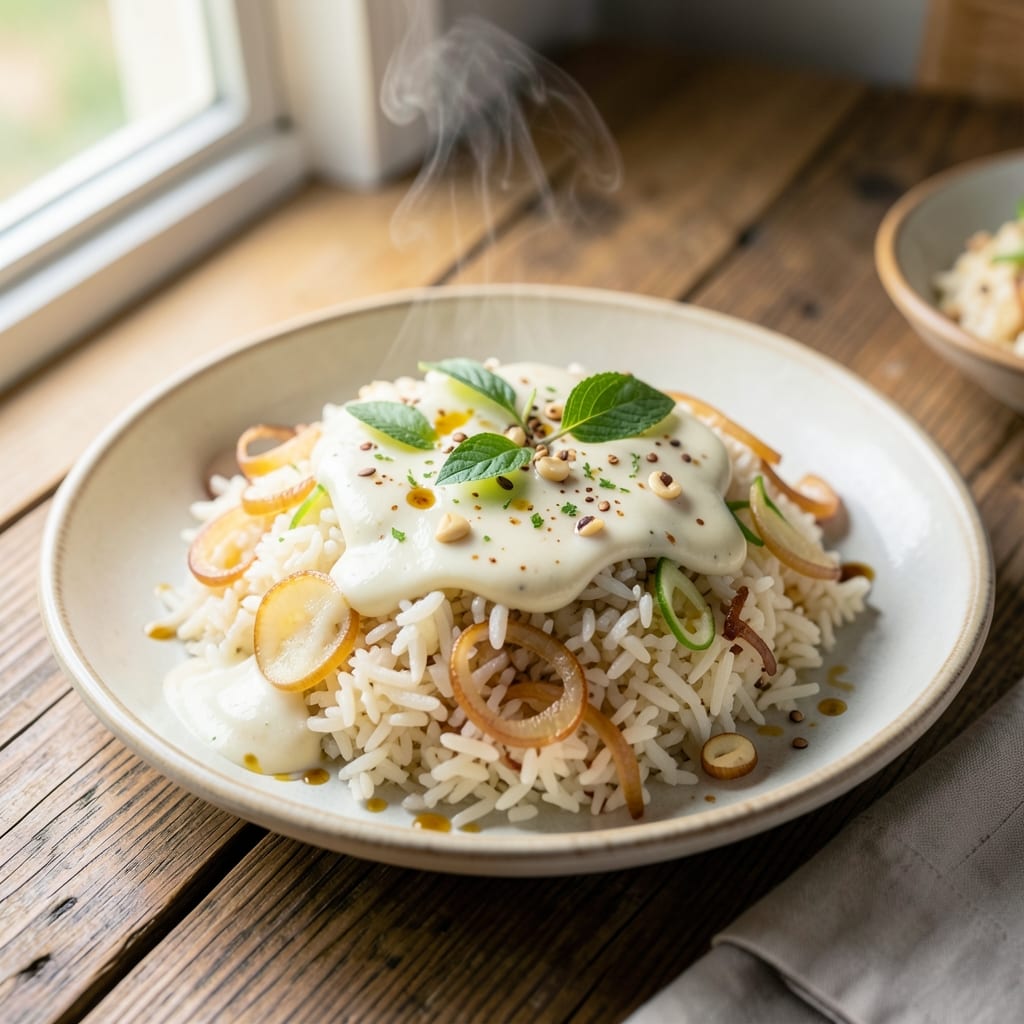
This Asian rice pilaf recipe transforms simple rice into fragrant, coconut-lime-infused grains that pair perfectly with proteins or stand alone as a side dish. The key lies in toasting the rice and aromatics—this step unlocks deep, nutty flavors that simmer into the grains as they cook. I developed this method after years of experimenting with Japanese takikomi gohan and Thai khao tom, blending their techniques into one foolproof approach that delivers restaurant-quality results in just 25 minutes.
The beauty of this recipe is its versatility—it works as a light, flavorful side for grilled meats or fish, or as a complete meal when mixed with vegetables, herbs, or optional proteins like shrimp or chicken. The coconut milk adds richness without heaviness, while lime zest brightens every bite, creating a balance that’s both comforting and refreshing. No special equipment is needed; just a pot, a timer, and patience for the flavors to meld.
By the time you’re done, you’ll have perfectly fluffy, fragrant rice with a subtle golden hue and a delicate crunch from toasted shallots and ginger. The aroma alone will have everyone at the table asking what’s for dinner. This pilaf stays warm for hours, making it ideal for meal prep or serving at gatherings where you want to impress without stress.
Serve it alongside teriyaki chicken, grilled salmon, or even as a base for a vibrant stir-fry. The recipe scales easily, so you can make a single serving for a light lunch or double it for a crowd. Ready to elevate your rice game?
Ingredients for asian rice pilaf
Here's what makes this fragrant pilaf shine—simple ingredients that pack bold Asian flavors.
| Ingredient | Amount | Notes |
|---|---|---|
| Jasmine Rice 🍚 | 1 ½ cups | Uncooked, long-grain preferred |
| Light Coconut Milk 🥥 | 1 cup | Full-fat for extra richness |
| Lime Zest 🍋 | 1 tbsp | From 1 large lime, finely grated |
| Shallots 🧅 | 2 whole | Thinly sliced, about 1/2 cup |
| Fresh Ginger 🌿 | 1 tbsp | Finely grated, peeled |
| Garlic Cloves 🧄 | 3 cloves | Minced or finely chopped |
| Vegetable Oil 🫒 | 2 tbsp | Neutral high-smoke point |
| Low-Sodium Chicken Broth 💧 | 1 ½ cups | Homemade or high-quality store-bought |
| Lime Juice 🍋 | 2 tbsp | Freshly squeezed, about 1 lime |
| Brown Sugar 🍯 | 1 tbsp | Light or dark variety |
| Salt 🧂 | ½ tsp | Diamond Crystal preferred |
| Black Pepper 🌶️ | ¼ tsp | Freshly ground preferred |
| Fresh Cilantro 🌿 | ¼ cup | Chopped, for garnish (optional) |
The rice is the foundation, so Jasmine rice is a must—it stays fragrant and separates beautifully. Trader Joe's or Asian markets carry it in bulk, which saves money. Toasting the rice in oil is non-negotiable; it builds that nutty depth. For the coconut milk, full-fat gives richer flavor, but light works if that's all you've got. Shallots and ginger are your flavor anchors—freshly grated ginger has more punch than powdered. If you're short on time, pre-minced garlic from a jar works, but fresh tastes better.
No coconut milk? Substitute with extra chicken broth—it won't be as rich, but still delicious. Swap brown sugar for white if needed, though the molasses notes add depth. Fresh lime zest is ideal, but bottled lime zest in a jar (like Frontier brand) works in a pinch. The cilantro is optional but adds freshness—skip it if you hate cilantro or use parsley instead. For extra protein, stir in cooked shrimp or chicken at the end. Want more heat? Add a pinch of red pepper flakes or a dash of sriracha with the lime juice.
This pilaf reheats beautifully—just add a splash of water or broth. Keeps 4-5 days in the fridge, covered, or 3 months frozen. I like to make a double batch and freeze half for lazy weeknights. The flavors actually improve overnight as everything melds. For serving, a simple sprinkle of extra lime zest or a drizzle of chili oil takes it to the next level.
Why You'll Love This Recipe
- One-Pot Magic: I swear by this when I’m too tired to deal with multiple pans. Toast the shallots and ginger first—just 5 minutes in a skillet—and the rest is hands-off simmering while the rice absorbs the coconut milk. No stirring required after that.
- Bright & Creamy: That lime zest and coconut milk combo? It’s like sunshine in a bowl. The rice comes out fragrant, with a subtle citrus kick that cuts through the richness, and the ginger lingers like a warm hug. Honestly, it’s the kind of flavor that makes you pause mid-bite.
- Meal Prep MVP: Between us, this is my lunchbox staple. Cook a big batch on Sunday, and it stays fresh for days—no soggy rice here. Pack it cold or reheat it with a splash of water, and it’s still perfect for work lunches or quick dinners. (Yes, even on a Tuesday night.)
- Budget-Friendly Luxury: Jasmine rice and coconut milk might sound fancy, but they’re actually affordable staples. A single can of coconut milk stretches across multiple meals, and the aromatics (shallots, ginger) are cheap but pack serious flavor. It feels like a restaurant dish without the price tag.
Step-by-step instructions for fragrant coconut-lime rice pilaf
Here's how to make this aromatic rice pilaf that's light, fragrant, and ready in under 30 minutes.
Toast the Aromatics for Deep Flavor
Heat the 2 tablespoons vegetable oil in a medium saucepan over medium heat. Add the 2 whole shallots and cook for 3-4 minutes until they turn a soft golden color and smell sweet. Here's the thing—don't let them brown or they'll turn bitter.
Add the 1 tablespoon fresh ginger and 3 cloves garlic cloves, stirring constantly for 30 seconds until fragrant. The ginger should smell fresh and zesty, while the garlic will fill your kitchen with that unmistakable aroma. This quick cooking time prevents the garlic from burning, which would make the whole dish taste bitter.
Build the Coconut-Lime Base
Pour in the 1 cup light coconut milk and bring to a gentle simmer. Stir in the 1 tablespoon lime zest, 1 tablespoon brown sugar, 0.5 teaspoon salt, and 0.25 teaspoon black pepper. Let this mixture bubble away for 2 minutes until it smells rich and citrusy.
Add the 1.5 cups jasmine rice, stirring gently to coat each grain with the coconut mixture. You'll see the rice turn slightly translucent at the edges—that's your signal it's absorbing the coconut milk properly. This step ensures every grain gets that fragrant coconut-lime flavor throughout.
Cook with Broth and Lime Juice
Pour in the 1.5 cups low-sodium chicken broth and the 2 tablespoons lime juice. Bring to a boil, then immediately reduce heat to low, cover with a tight-fitting lid, and let it simmer for 15 minutes. Don't peek or stir—this keeps the rice grains intact and prevents them from becoming mushy.
After 15 minutes, remove from heat and let it sit covered for 5 minutes. This resting period allows the rice to finish steaming and absorb any remaining liquid. You'll notice the aroma becomes even more intense—that's the coconut and lime working their magic.
Fluff and Garnish for Perfect Texture
Carefully remove the lid and use a fork to gently fluff the rice, separating the grains. If there's any liquid left, cover and let it sit for another 2 minutes to absorb. The rice should be tender but still have a slight bite—this is the perfect al dente texture for pilaf.
Transfer to a serving dish and garnish with the 0.25 cup fresh cilantro if using. The bright green color of the cilantro contrasts beautifully with the golden coconut rice. Serve immediately while still warm, as the flavors meld best when enjoyed right away.
Pro Tips For Making Asian Rice Pilaf
- TOAST THE SHALLOTS FIRST: I learned this the hard way—raw shallots in coconut milk just taste bland. Sauté them in a dry pan until deep golden (about 5 minutes), then add the ginger and lime zest right after. That caramelized depth cuts through the creaminess of the coconut milk like a knife.
- USE FULL-FAT COCONUT MILK: Light coconut milk works, but full-fat gives this pilaf a luscious, almost custardy texture that clings to the rice. If you’re stuck with light, stir in 1 tablespoon of coconut cream at the end—it makes a real difference in mouthfeel.
- STEAM THE RICE COVERED: After adding the coconut milk and water, bring it to a boil, then immediately cover the pot with a tight lid. Let it steam on low heat for 10 minutes—no peeking!—before letting it rest. This guarantees fluffy, separate grains instead of mushy clumps.
- ZEST LIME LAST MINUTE: Fresh lime zest brightens the dish, but it loses its punch if cooked too long. Stir it in only during the final 2 minutes of cooking, right after the rice is tender. If you add it earlier, it’ll turn bitter and overpower the ginger’s warmth.
Essential equipment for this dish
Medium Saucepan
Your medium saucepan (about 3-4 quarts capacity) is the workhorse of this recipe. I use a stainless steel pan like All-Clad or Calphalon because they distribute heat evenly and prevent hot spots that can burn the rice or aromatics. If you don’t have stainless steel, a heavy-bottomed enamel pan works too—just avoid nonstick, which can react with the acidic lime juice over time. 🔥
Tight-Fitting Lid
A tight-fitting lid is non-negotiable for perfect rice texture. I prefer glass lids (like those from Le Creuset) because they let you peek at the rice without losing steam. If yours doesn’t fit snugly, wrap the edges with a damp paper towel to seal any gaps. This traps moisture and steam, ensuring fluffy grains. Never use a loose lid—it’ll dry out your pilaf.
Wooden Spoon
A wooden spoon (or silicon spatula) is essential for stirring the aromatics and coating the rice without scratching your pan. I reach for a sturdy bamboo spoon from Amazon Basics—it’s heat-resistant and gentle on nonstick pans. Avoid metal utensils when stirring the rice after adding broth, as they can tear the grains. A long-handled spoon also keeps your hands safe from the hot pan.
Fine-Mesh Strainer
For zesting lime and grating ginger, a fine-mesh strainer (like OXO Good Grips) is a game-changer. It catches seeds and fibers, giving you smooth, seedless zest and finely grated ginger. If you’re zesting by hand, a Microplane works best—just avoid the coarse side, which can leave bitter pith behind. For lime juice, a handheld reamer (like Zester Juicer) extracts more juice than a fork ever could.
Timer
Timing is everything in rice pilaf, so a kitchen timer (or phone alarm) ensures you don’t overcook or undercook the rice. I set two alarms: one for the 15-minute simmer and another for the 5-minute rest. Pro tip: Place your timer near the stove so you hear it over sizzling aromatics. A smart timer with vibrating alerts (like TimerMagic) is worth the investment if you’re forgetful.
Optional: Rice Cooker
For hands-off cooking, a rice cooker (like Zojirushi or Cuisinart) simplifies the process. Just toast the aromatics in a separate pan, then transfer everything to the rice cooker and let it do the work. The keep-warm function is perfect for pilafs, as it maintains the ideal temperature for hours. If using a rice cooker, reduce the broth by ¼ cup—these appliances often need less liquid than stovetop methods. ✨
Nutrition facts
Frequently asked questions about Asian rice pilaf
Can I use basmati rice instead of jasmine?
Yes, you can! Both jasmine and basmati work well, but expect slightly different textures. Basmati rice will be firmer and more elongated, while jasmine offers a fragrant, slightly sticky character. For this recipe, jasmine is ideal because it absorbs the coconut-lime flavors beautifully, but basmati will still taste delicious—just fluff it extra gently to maintain separation.
How do I prevent my pilaf from getting mushy?
Three key steps: Don't peek or stir while cooking, use the right rice-to-liquid ratio (1:1 here), and let it rest covered for 5 minutes after cooking. Stirring releases starches that make rice gummy. Also, avoid overfilling your pan—use a medium saucepan with at least 3-4 quarts capacity to give the rice room to expand properly.
What are good protein pairings for this pilaf?
This coconut-lime pilaf pairs beautifully with grilled chicken, shrimp, or tofu. For a complete meal, try pan-seared salmon with soy-glazed edges or teriyaki beef strips. The bright citrus flavors cut through rich proteins perfectly. You can also add cooked proteins directly to the pilaf at the end—just fold in 1 cup cooked shrimp or ½ cup shredded chicken when fluffing.
Can I make this pilaf ahead of time?
This pilaf actually tastes better the next day as flavors meld. Store in an airtight container in the fridge for 4-5 days or freeze for 3 months. To reheat, sprinkle with 1 tablespoon water per cup of rice, cover, and microwave on 50% power for 2-3 minutes. For stovetop reheating, warm gently with a splash of broth or water over low heat.
What if I don't have coconut milk?
No problem! Use 1 cup extra chicken broth plus 1 tablespoon cream cheese or 1 teaspoon coconut extract for coconut flavor. For a dairy-free option, blend ½ cup silken tofu with ½ cup broth to mimic coconut's creaminess. The dish will be lighter but still delicious. The lime zest and ginger will still provide that bright Asian profile.