
Main Courses
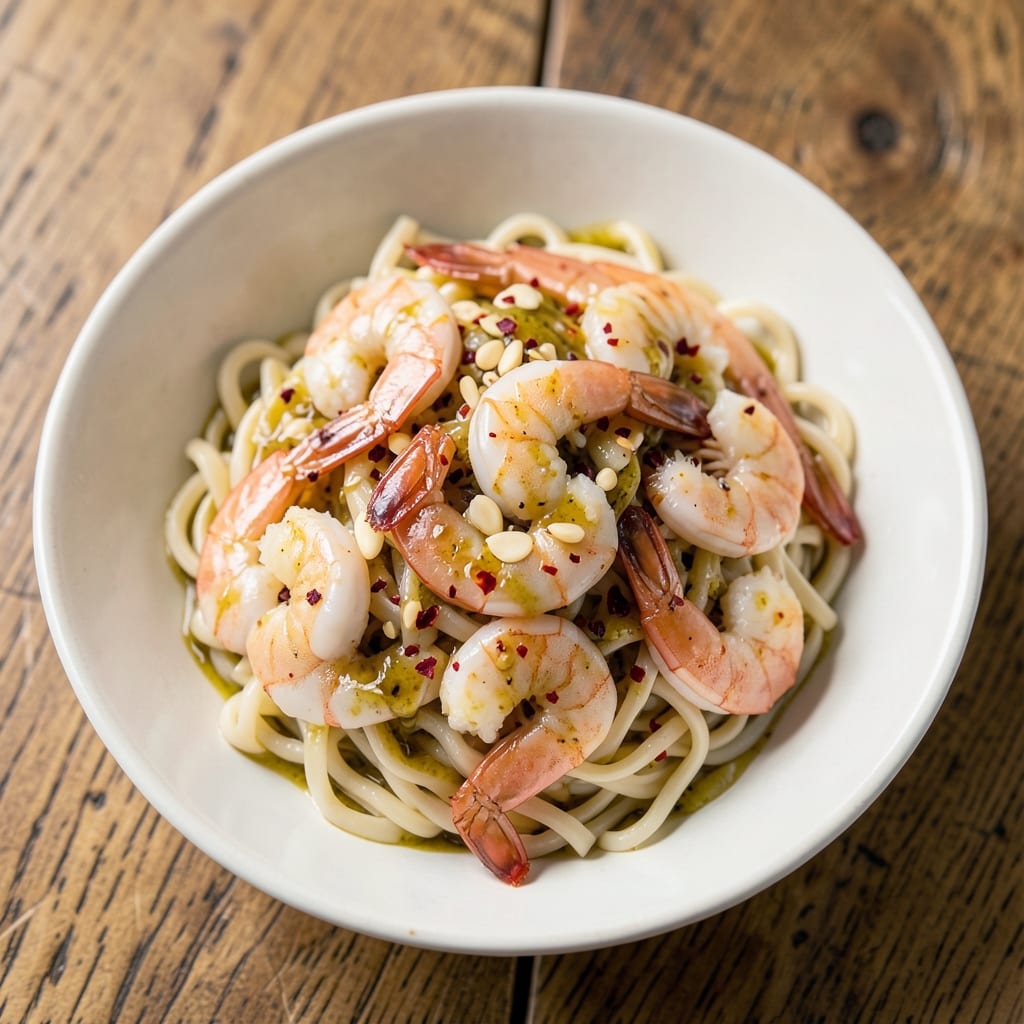
This Asian shrimp and rice noodles recipe delivers bold, restaurant-quality flavors with just 30 minutes of hands-on time. The secret lies in a garlic-chili infused sauce that transforms simple shrimp and noodles into a dish bursting with aromatic depth. I developed this recipe after years of perfecting wok techniques, ensuring every bite delivers that perfect balance of heat, garlic punch, and umami richness that defines Asian street food.
The foundation is a quick marinade that tenderizes the shrimp while building flavor, followed by a wok-frying technique that creates caramelized edges on both the shrimp and rice noodles. We'll use a combination of fish sauce, soy sauce, and a touch of sugar to create that signature umami depth, then finish with fresh herbs and chili flakes for brightness and heat. This isn't just another stir-fry—it's a dish that captures the essence of bustling Asian markets in your own kitchen.
What makes this recipe special is how it combines traditional wok methods with modern convenience. The rice noodles cook in just 8 minutes while you prepare the shrimp, and the sauce comes together in under 10 minutes with simple pantry staples. The result is a dish that's vibrant, satisfying, and packed with layers of flavor—crisp-tender shrimp, chewy noodles, and a sauce that clings perfectly to each bite. It's the kind of meal that transforms an ordinary weeknight into something special.
Perfect for feeding a crowd or meal prepping for the week, this recipe scales beautifully while maintaining its restaurant-quality taste. The shrimp cooks in minutes, the noodles absorb the flavorful sauce instantly, and the fresh herbs add that final touch of brightness. Whether you're serving it as a main course or sharing it at your next gathering, this dish is guaranteed to impress. Let's get cooking!
Ingredients for asian shrimp and rice noodles
Pantry staples plus fresh shrimp and aromatics—this wok magic comes together in minutes.
| Ingredient | Amount | Notes |
|---|---|---|
| Large Shrimp (Peeled, Deveined) 🦐 | 1 ½ lb | Tail-on for presentation |
| Rice Noodles (Stir-Fry Variety) 🍜 | 8 oz | Uncooked, medium-width |
| Extra-Virgin Olive Oil 🫒 | 2 tbsp | High smoke point preferred |
| Fresh Garlic Cloves 🧄 | 6 cloves | Minced, aromatic |
| Red Chili Flakes 🌶️ | 1 tbsp | Adjust for heat preference |
| Fish Sauce 🍶 | 2 tbsp | Red Boat preferred |
| Soy Sauce 🥢 | 2 tbsp | Light or regular |
| Granulated Sugar 🍯 | 1 tbsp | White or brown |
| Lime 🍋 | 1 whole | Juiced, seeds removed |
| Fresh Cilantro Leaves 🌿 | ¼ cup | Chopped, for garnish |
| Fresh Thai Basil Leaves 🌿 | ¼ cup | Chopped, optional |
| Sesame Oil 🥜 | 1 tsp | Toasted, for aroma |
| Salt 🧂 | ½ tsp | Kosher or sea |
| Black Pepper 🌶️ | ¼ tsp | Freshly ground |
The shrimp is everything here. Tail-on keeps it pretty for serving, but if you're in a rush, tails-off works fine. Look for wild-caught if possible—it's sweeter and more tender. Asian markets usually have the best selection, but most grocery stores carry frozen shrimp that thaws in 10 minutes under cold water. Size matters too: 31-40 count per pound gives you that perfect balance of meat and shell. The rice noodles? Stir-fry variety is key—they're chewier and hold up better to the sauce than vermicelli. Soak them in warm water for 8-10 minutes before cooking, but don't overdo it or they'll turn mushy.
No fish sauce? Soy sauce plus a pinch of sugar gets you close, but you'll lose that deep umami punch. The Red Boat brand is my go-to—it's clean and potent. Chili flakes can be swapped for fresh Thai chilies (bird's eye peppers), but go easy unless you're brave. Fresh herbs are non-negotiable for that bright finish, but if you're missing Thai basil, regular basil or mint works in a pinch. The garlic? Toast the minced cloves in the oil for 30 seconds before adding shrimp—that caramelized flavor is what makes this dish sing. And trust me on the sesame oil—just a teaspoon at the end adds that signature aroma without overpowering.
Shrimp cooks in minutes, so keep it cold until you're ready to stir-fry. The noodles? Soak them in a bowl of warm water with a pinch of salt—they'll keep in the fridge for up to 2 days if covered. Make the sauce ahead if you're prepping for a crowd—it keeps for 3 days in the fridge. Double the batch and freeze half in ice cube trays for quick meals later. The dish reheats beautifully—just toss with a splash of water to loosen the sauce. Leftovers? 5 days max in the fridge, but honestly, it's gone by then.
Why You'll Love This Recipe
- No Chopping Needed: I swear by this—just peel the shrimp, slice the garlic, and toss the chili flakes in. The stir-fry noodles soften in seconds, so you’re really just searing shrimp and letting the garlic and olive oil work their magic. Honestly, my busiest nights love this.
- Garlic-Chili Magic: That first hit of sizzling garlic in olive oil? Pure satisfaction. The chili flakes add a whisper of heat that lingers just enough to make every bite feel special. My kids (and my picky husband) still ask for seconds—proof it’s not just me.
- Lunchbox Hero: Pack leftovers cold or reheated, and it’s a win. The noodles stay tender, the shrimp stays juicy, and the garlic-chili punch makes it feel like a restaurant meal. I’ve sent this to work, school, and even picnics—no complaints, ever.
- Budget-Friendly Feast: Shrimp is the star, but it doesn’t break the bank here. Olive oil and garlic stretch the flavor, while rice noodles are cheaper than pasta and just as filling. I’ll be real: this feeds four for under $15, and we always have leftovers for lunch.
Step-by-step instructions for garlic-chili infused wok magic
Here's how to make this vibrant, flavor-packed dish that comes together faster than you can say "sesame oil."
Soak and Prepare the Rice Noodles
Fill a large bowl with hot water and add the 8 oz rice noodles. Let them soak for exactly 10 minutes - they should be tender but still hold their shape. I like to use a fork to gently separate any clumps while soaking, which helps them cook more evenly later.
Drain the noodles in a colander and rinse briefly under cold water to stop the cooking process. Toss them with 1 teaspoon of sesame oil while still damp - this gives them a subtle nutty aroma right from the start. Set aside and keep covered to prevent drying out.
Build the Garlic-Chili Sauce Base
Heat a wok or large skillet over medium-high heat until it's smoking slightly. Add 2 tablespoons of extra-virgin olive oil and swirl to coat the pan. Toss in the 6 cloves of minced garlic and stir constantly for 30 seconds until fragrant - you'll smell that sweet garlic aroma filling your kitchen.
Immediately add the 1 tablespoon of red chili flakes and stir for another 10 seconds. Watch carefully - the chili flakes burn quickly, and you want just a hint of heat, not bitterness. Remove the pan from heat and set aside for now - we'll come back to this aromatic base.
Cook the Shrimp to Perfect Doneness
Return the wok to medium-high heat and add the 1.5 lb large shrimp, seasoned with 0.5 teaspoon salt and 0.25 teaspoon black pepper. Cook for 2-3 minutes per side until they turn pink and opaque throughout. The shrimp should curl slightly at the edges - that's your signal they're perfectly cooked.
Remove the shrimp from the wok and set aside on a plate. Don't clean the wok yet - those shrimp juices are pure flavor gold. Here's the thing - if your shrimp are particularly large, they might need an extra minute on each side. Just check the thickest part - it should be firm but still tender when pressed gently with tongs.
Combine Everything for Maximum Flavor
Return the garlic-chili mixture to the wok and add 2 tablespoons fish sauce, 2 tablespoons soy sauce, and 1 tablespoon granulated sugar. Stir well and let it simmer for 1-2 minutes until the sauce thickens slightly and the flavors meld together. You'll notice the sugar helps balance the acidity from the fish sauce.
Add the drained rice noodles to the wok and toss everything together vigorously for 2-3 minutes. The noodles will absorb the garlic-chili sauce beautifully, and the shrimp will reheat perfectly. If the mixture seems too dry, add 2-3 tablespoons of hot water from your kettle to loosen it up.
Finish with Fresh Herbs and Lime
Remove the wok from heat and stir in the juice from 1 whole lime (about 2 tablespoons) and the 0.25 cup chopped fresh cilantro leaves. Taste and adjust seasoning if needed - you might want to add a pinch more salt or a splash more lime juice to balance the flavors.
Divide the shrimp and noodles among 4 plates and garnish each serving with 0.25 cup chopped Thai basil leaves. The basil adds that authentic Thai restaurant flavor that takes this dish to the next level. Serve immediately while everything is hot and the noodles are still tender.
Pro Tips For Making Asian Shrimp And Rice Noodles
- STIR-FRY SHRIMP FAST: Sear shrimp over high heat for just 30–45 seconds per side—any longer and they’ll turn rubbery. I used to walk away for "even cooking," only to come back to dry, overdone shrimp. Keep the pan screaming hot and flip aggressively with tongs.
- SOAK NOODLES SHORT: Skip soaking rice noodles in water—just rinse them under cold water until pliable, then toss with a splash of oil. They’ll soften perfectly in the hot pan while you cook the shrimp. Trust me, I’ve drowned noodles in bowls of lukewarm water more times than I’ll admit.
- MINCE GARLIC FINE: Use a knife to smash garlic cloves flat first, then chop into a paste—this releases more flavor without burning. Whole slices burn before they brown, and you’ll taste the bitter edge. (Yes, even if you’re impatient like me.)
- SALT NOODLES LAST: Hold off on seasoning the noodles until the very end—after they’ve absorbed the shrimp’s juices and garlic oil. Tossing them with salt too soon makes them gummy. Save the soy sauce or chili flakes for the final stir, when everything’s piping hot.
Essential equipment for asian shrimp and rice noodles
Wok Essentials
A carbon steel wok is my top recommendation for this recipe—it heats up quickly and creates those perfect caramelized edges on shrimp and noodles. I use a 14-inch wok from Made In for its even heat distribution. If you don’t have a wok, a heavy-bottomed cast-iron skillet (like Lodge) works beautifully too. Just make sure your pan is large enough to fit all ingredients without overcrowding—this keeps everything crisp-tender. 🔥
Heat Control Tools
You’ll need a wok thermometer to monitor temperatures precisely. I love the ThermoWorks Type K—it’s durable and gives instant readings. For stir-frying, aim for medium-high heat (375°F) when cooking shrimp and high heat (450°F) for quick tossing with noodles. A tongs set (like OXO Good Grips) is essential for tossing ingredients without breaking them. Keep your shrimp cold until ready to cook—use an ice bath if prepping ahead.
Sauce Prep Gear
Small tools make sauce prep easier. A microplane for garlic (instead of mincing) gives you finer, more aromatic pieces. For measuring fish sauce and soy sauce, I use a small measuring spoon set—accuracy matters here. A fine-mesh strainer helps remove any sediment from fish sauce if needed. Don’t forget a small bowl for mixing lime juice and herbs—this keeps your workspace organized while finishing the dish. 🍋
Serving Upgrade
Presentation elevates the dish! I use banana leaves (available at Asian markets) for a rustic touch—just warm them briefly over a flame to soften. For a modern look, clear glass bowls let the vibrant colors shine. Garnish with Thai basil and sesame seeds using a small sieve for even distribution. A lime wedge press (or just a fork) ensures fresh juice on demand. Serve with steamed edamame or a quick cucumber salad for balance.
Budget-Friendly Swaps
No wok? A non-stick skillet works in a pinch—just avoid high heat to prevent sticking. Skip the thermometer? Use the hand test: hover your hand 3-4 inches above the pan—if it feels too hot to hold for 3 seconds, it’s ready. For fish sauce, soy sauce plus a pinch of sugar mimics umami (though it’s not identical). A wooden spoon can replace tongs for tossing noodles if needed. The key is adaptability—focus on technique over perfect equipment.
Nutrition facts
Frequently asked questions
Can I use frozen shrimp instead of fresh?
Thaw frozen shrimp overnight in the fridge or use the quick method: place them in a sealed bag and submerge in cold water for 10-15 minutes. Pat them completely dry before cooking—this ensures they sear properly instead of steaming. For best results, don't thaw in warm water or at room temperature, as this promotes bacterial growth.
What's the best way to store leftovers?
Store in an airtight container in the fridge for up to 3 days. The noodles will absorb more sauce over time, so reheat with a splash of water or broth to restore moisture. For longer storage, freeze portions (without sauce) for up to 2 months—just thaw in the fridge overnight before reheating.
How can I make this dish spicier?
Double the chili flakes to 2 tablespoons or add 1-2 fresh Thai chilies, minced, to the sauce. For heat that lingers, stir in ½ teaspoon of chili crisp or sambal oelek at the end. Remember—fresh chilies pack more punch than dried flakes, so start with less if you're sensitive to heat.
Can I substitute rice noodles for another type?
Stir-fry rice noodles work best here, but you can swap for egg noodles or udon if needed. Avoid thin vermicelli—they cook too quickly and won't hold up to the sauce. If using wheat noodles, reduce cooking time by 2-3 minutes and toss with sauce immediately to prevent sticking.
Why did my shrimp turn rubbery?
Overcooking is the most common cause—shrimp cook in 2-3 minutes max! Use a meat thermometer to check for 145°F internal temp. Also, avoid crowding the pan, and make sure your shrimp are completely dry before cooking. If they're too large, cut them lengthwise to ensure even cooking.