
Salads
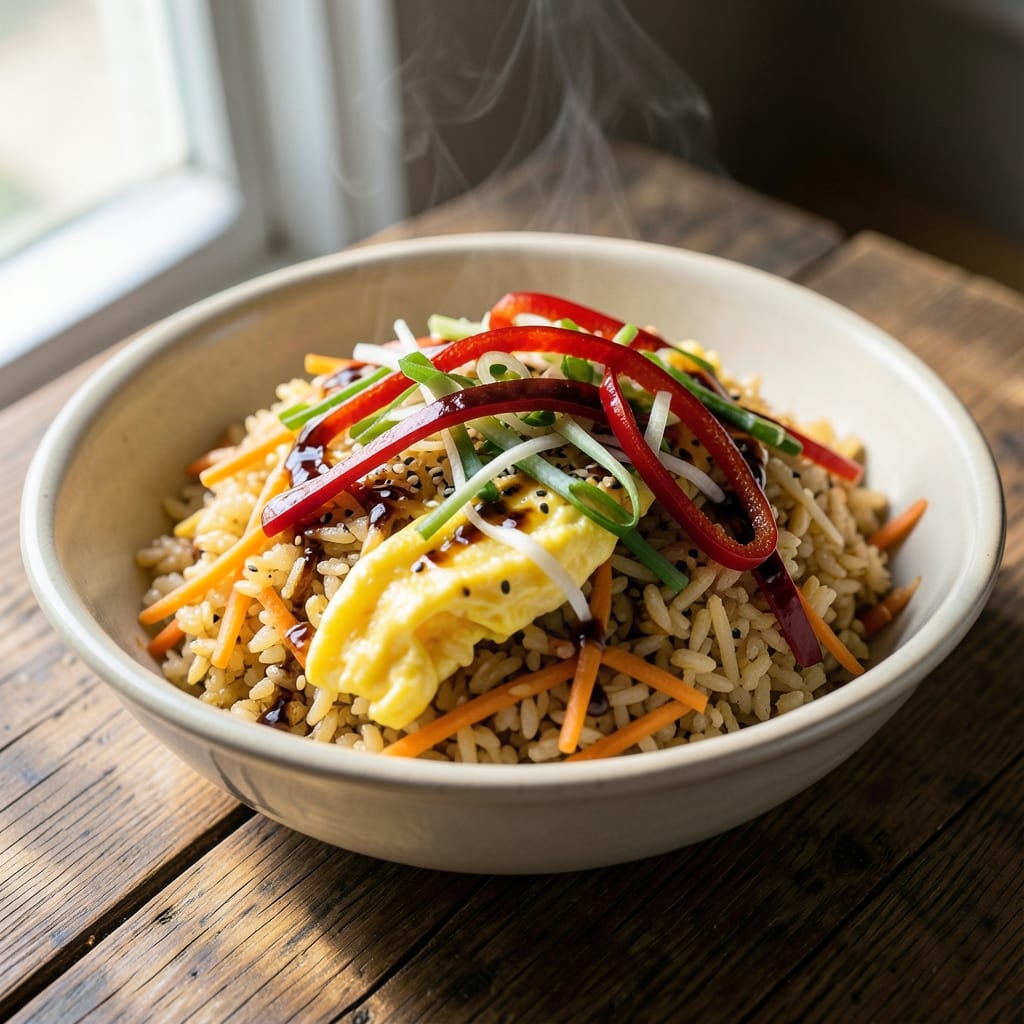
This Asian vegetable fried rice recipe delivers restaurant-quality wok-tossed perfection with every bite—crispy edges, tender vegetables, and eggy richness that ties everything together. The secret lies in high-heat stir-frying and proper rice texture, transforming simple ingredients into a flavorful, satisfying meal. I've perfected this method over years of testing, ensuring it works beautifully on home stoves or in wok pans.
The foundation starts with day-old rice (never fresh!) that absorbs the sauce beautifully while maintaining its structure. We'll build flavor with a simple soy-ginger-garlic base, then incorporate an array of fresh vegetables that add color, crunch, and nutrition. The key technique is continuous tossing at high heat to develop that signature wok hei flavor without drying out the rice.
What you'll end up with is a vibrant, aromatic dish packed with texture—crisp vegetables, tender rice, and creamy scrambled eggs that melt into every bite. The balance of savory, slightly sweet, and umami flavors creates a harmonious blend that's both comforting and exciting. This recipe scales perfectly for meal prep or feeding a crowd.
While we're focusing on a vegetable-forward version, the technique works beautifully with added protein like shrimp, chicken, or tofu. Garnishes like sesame seeds, green onions, or a drizzle of chili oil elevate the dish further. Let's create this flavorful, adaptable fried rice that brings restaurant quality to your home kitchen.
Ingredients for asian vegetable fried rice
Restaurant-quality wok-tossed perfection starts with these 14 essential ingredients—each playing a precise role in texture and flavor harmony.
| Ingredient | Amount | Notes |
|---|---|---|
| Day-Old Cooked White Rice 🍚 | 4 cups | Unseasoned, cold preferred |
| Large Eggs 🥚 | 3 whole | Room temperature for even cooking |
| Red Bell Pepper 🌶️ | 1 whole | Sliced into thin strips |
| Carrots 🥕 | 1 cup | Julienned into matchsticks |
| Green Onions 🧅 | 3 whole | Cut into 1-inch pieces |
| Fresh Ginger 🌿 | 1 tbsp | Finely minced for aromatic base |
| Garlic Cloves 🧄 | 4 cloves | Minced into fine paste |
| Low-Sodium Soy Sauce 🥢 | 3 tbsp | Kikkoman preferred for balance |
| Sesame Oil 🫒 | 1 tbsp | Toasted for nutty aroma |
| Vegetable Oil 🫧 | 3 tbsp | High smoke point preferred |
| White Vinegar 🍶 | 1 tsp | Brightens flavor profile |
| Sesame Seeds 🌰 | 1 tbsp | Toasted for garnish |
| Salt 🧂 | ½ tsp | Diamond Crystal preferred |
| Black Pepper 🌶️ | ¼ tsp | Freshly cracked |
The rice is non-negotiable—day-old, unseasoned grains absorb flavors better than fresh. Day-Rice from the Asian aisle saves time, but leftover jasmine or basmati works perfectly. For vegetables, Whole Foods or Trader Joe's carry pre-sliced stir-fry mixes, but fresh is ideal. The bell pepper should be firm with vibrant color—yellow or red both work. Carrots should be crisp, not rubbery. Ginger and garlic lose potency quickly, so buy fresh and use within 1 week of purchase. For soy sauce, Kikkoman provides the right balance of saltiness and umami without overpowering the dish.
No sesame oil? Avocado oil at half the amount works in a pinch, though it lacks the nutty depth. Short on fresh ginger? Ground ginger at one-third the amount, but toast it first for better flavor. The eggs can be scrambled separately if preferred, though they add richness when cooked directly in the wok. For extra crunch, swap half the carrots for julienned daikon radish. The vinegar brightens the dish—if you prefer tangier flavor, add an extra ½ teaspoon. Pre-sliced frozen stir-fry vegetables work in a bind, but thaw and drain them thoroughly before cooking to avoid excess moisture.
Rice reheats beautifully—microwave for 2 minutes with a splash of water if needed. Store cooked fried rice in airtight containers for 4-5 days in the fridge, though flavor peaks on day one. Freeze portions for up to 3 months by spreading in a single layer first to prevent clumping. For meal prep, divide into individual containers with a sprinkle of sesame seeds on top to maintain freshness. The dish reheats best in a skillet with a splash of water to restore crispiness.
Why You'll Love This Recipe
- Here’s the truth: most fried rice gets dry or soggy the next day. Not this one. The day-old rice soaks up the egg and veggie juices perfectly, and if I reheat it with a splash of water, it’s even better the second time. (Yes, even my picky teenager will eat it cold from the fridge.)
- No Chopping Stress: I swear by this trick—just dice the bell pepper and carrots once, then stash them in the fridge for the week. When I’m starving at 7 PM and too tired to julienne, I grab that prepped veggie mix and have dinner ready in 10 minutes. (The green onions go in whole if I’m lazy—I just snip the ends.)
- Crispy Egg Magic: That first crack of the egg against the hot pan? It’s the best part. The yolks stay runny, the whites get that golden lace—exactly how I like it. Scramble it fast, fold it in just before the rice hits the plate, and suddenly you’ve got restaurant-quality texture without the fuss.
- Lunchbox Hero: Between us, this is my go-to for meal prep. I make a big batch on Sundays, portion it into containers, and boom—crunchy, flavorful lunches all week. Add a sprinkle of sesame seeds when serving, and suddenly you’ve got something that feels gourmet but costs pennies per serving.
Step-by-step instructions for wok-tossed vegetable fried rice
Master this technique and you'll achieve that perfect balance of crisp-tender vegetables, silky eggs, and aromatic seasoning.
Prepare the Vegetable Base
Heat 2 tablespoons of the vegetable oil in a wok or large skillet over medium-high heat until shimmering. Add the 1 cup julienned carrots and 1 whole red bell pepper in thin strips, spreading them in an even layer. Cook for 3-4 minutes until the carrots soften slightly and the peppers begin to blister at the edges.
This initial cooking prevents the vegetables from turning mushy when you add the rice later. Stir occasionally but don't overcrowd the pan—you want to maintain that wok-hei (breath of the wok) for maximum flavor. The vegetables should be tender-crisp, not fully cooked through.
Build the Aromatic Foundation
Push the cooked vegetables to one side of the wok and add 1 tablespoon vegetable oil to the empty space. When the oil is hot, add the 4 cloves minced garlic and 1 tablespoon finely minced fresh ginger. Cook for 30 seconds until fragrant but not browned—this prevents bitterness.
Immediately add the 3 whole green onions in 1-inch pieces and stir for 1 minute until they soften slightly. The combination of garlic, ginger, and green onions creates the aromatic base that elevates this simple vegetable fried rice to restaurant-quality.
Cook the Eggs to Perfect Silky Texture
Push the vegetable mixture to one side again and add the remaining 1 tablespoon vegetable oil. When hot, pour in the 3 whole large eggs that have been beaten together in a bowl. Let them sit undisturbed for 10-15 seconds until the edges begin to set but the centers remain runny.
This creates that signature "eggy richness" in fried rice where the eggs form delicate ribbons when tossed. Use a spatula to gently fold the eggs into the vegetable mixture, breaking them into small pieces as you go. Remove from heat for 1 minute to prevent overcooking.
Combine and Season the Rice
Add the 4 cups day-old cooked white rice to the wok, breaking up any clumps with your hands. Stir-fry for 2-3 minutes until the rice is evenly coated and begins to develop small crispy edges. This is where the magic happens—the rice absorbs the flavors while maintaining its texture.
Pour in the 3 tablespoons low-sodium soy sauce and 1 teaspoon white vinegar, tossing vigorously to distribute evenly. The vinegar brightens the flavors while the soy sauce provides that essential umami depth. Sprinkle with the 0.5 teaspoon salt and 0.25 teaspoon black pepper, tossing again to combine.
Finish with Sesame Oil and Garnish
Drizzle the 1 tablespoon sesame oil over the fried rice and toss one final time. This adds that signature nutty aroma and rich finish. The oil should coat each grain evenly, enhancing the overall flavor profile.
Transfer to serving plates and immediately garnish with 1 tablespoon toasted sesame seeds. Serve while hot, with additional green onions sprinkled on top if desired. The dish should have vibrant colors, contrasting textures, and a perfect balance of savory, umami, and slightly sweet flavors.
Pro Tips For Making Asian Vegetable Fried Rice
- USE COLD RICE: Grab that day-old rice straight from the fridge—no need to thaw it first. The cold grains will crisp up faster and absorb flavors better than lukewarm rice that’s been sitting out. (Yes, even if you’re impatient like me.)
- SCRAMBLE EGGS FIRST: Push the eggs to one side of the pan and scramble them before adding the rice. This keeps them soft and custardy instead of rubbery, and they’ll soak up the veggie flavors as you stir everything together.
- CUT VEGGIES UNIFORM: Dice the bell pepper and carrots into ¼-inch pieces—no bigger, no smaller. Uneven chunks mean some veggies will turn to mush while others stay crunchy. (I learned this the hard way with a sad, watery batch.)
- SAVE TIME WITH FROZEN GREEN ONIONS: Skip chopping fresh green onions if you’re in a rush—frozen ones work just as well, and they’re already prepped. Just thaw and drain them first, or they’ll turn your rice into a soup. (Your future self will thank you.)
Make-ahead tips for this recipe
Rice Prep Ahead
Cook your rice a day in advance—this is non-negotiable for perfect texture. I like using jasmine rice because it stays separate when tossed, but basmati works too. Store it in an airtight container at room temperature. The next day, break up any clumps with your fingers before using. For even better results, spread the rice on a tray and refrigerate for 30 minutes before cooking to remove excess moisture. 🌱
Vegetable Prep Shortcuts
Julienne your carrots and slice your bell pepper the night before to save 15 minutes of prep time. Store them in separate containers in the fridge. If using frozen stir-fry mixes, thaw them overnight in a colander—this prevents soggy vegetables. I keep pre-minced garlic and ginger in the freezer too; just add them straight from frozen to the wok. 🥕
Egg Prep Strategy
Beat your eggs the night before and store them in the fridge. Bring them to room temperature before cooking for even texture. For extra richness, add 1 teaspoon butter to the beaten eggs. I like to keep the eggs separate until the last step to maintain that silky, ribbon-like texture when tossed. 🥚
Sauce Mix Prep
Combine your soy sauce, sesame oil, vinegar, and spices in a small bowl the night before. This creates a flavor base you can adjust to taste. Store it in the fridge for up to 5 days. The sesame oil will separate slightly—just stir before using. For extra depth, add ½ teaspoon fish sauce to the mix. 🥢
Reheating Perfection
Reheat fried rice in a skillet over medium heat with 1 tablespoon water or oil to restore crispiness. Microwave reheating works too, but add 1 teaspoon water and cover with a damp paper towel. For best results, reheat only what you plan to eat—fried rice is best fresh from the wok. 🔥
Portioning for Meal Prep
Divide fried rice into individual containers with a sprinkle of sesame seeds on top. This keeps portions fresh and prevents sticking. Store in the fridge for up to 4 days or freeze for 3 months. When reheating from frozen, add 1 extra tablespoon water to prevent dryness. The seeds add crunch and make the portions look restaurant-worthy. 🌟
Nutrition facts
Frequently asked questions
Why does the recipe call for day-old rice instead of fresh?
Freshly cooked rice is too moist and sticky, making it impossible to achieve that perfect wok-tossed texture. Day-old rice has dried out slightly, allowing it to absorb the sauce beautifully while maintaining individual grains. For best results, spread cooked rice on a tray and refrigerate for 30 minutes before using to remove excess moisture.
Can I make this vegetarian fried rice without eggs?
Replace the eggs with ½ cup crumbled tofu or ¼ cup chopped mushrooms for umami richness. For extra protein, add ½ cup chickpeas that you've lightly sautéed with garlic. The key is maintaining that "eggy richness" texture—mushrooms work best for this purpose.
What's the secret to getting crispy edges on the rice?
High heat and proper timing are everything! Use a wok or large skillet on medium-high heat and stir-fry the rice for just 2-3 minutes after adding it. The edges should develop small crispy spots while the center remains tender. Overcrowding the pan steams the rice instead of crisping it.
How do I prevent my vegetables from turning mushy?
Cook them in batches and at high heat to maintain their crunch. Start with the hardest vegetables (like carrots) and finish with the most delicate (like bell peppers). Never overcrowd the pan—work in 2-3 batches if needed. Stir constantly and cook just until tender-crisp, about 3-4 minutes total.
Can I use frozen vegetables instead of fresh?
Yes, but with proper prep! Thaw frozen stir-fry mixes completely and drain them thoroughly in a colander. Pat dry with a paper towel to remove excess moisture, which can make your rice soggy. For best results, use ½ the amount of frozen veggies compared to fresh.