
Main Courses
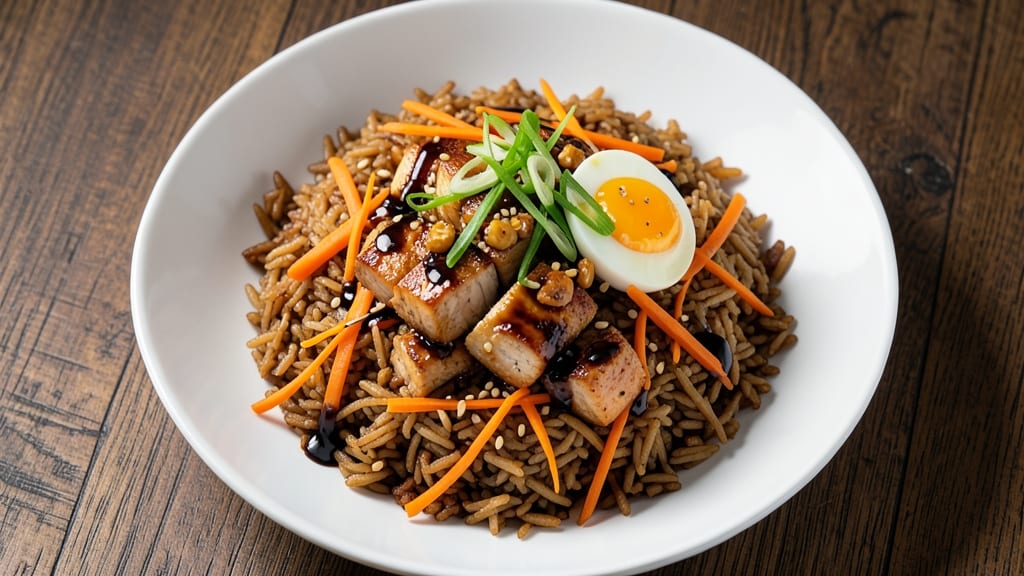
This brown basmati fried rice recipe transforms simple ingredients into a restaurant-worthy dish with nutty aroma and chewy texture. The key lies in perfectly cooked rice that absorbs flavors while maintaining its distinct taste—no mushy results here.
I’ve refined this method over years to balance crisp-tender rice with wok-tossed vegetables and protein, ensuring every bite delivers that satisfying crunch and depth.
The secret starts with day-old brown basmati rice—cooled and slightly dry to prevent mushiness when stir-fried. High-heat wok action creates those prized crispy edges, while soy sauce, garlic, and ginger build layers of umami.
Add your choice of protein (scrambled eggs, chicken, or tofu) and veggies (peas, carrots, scallions) for customization. This dish is foolproof, adaptable, and ready in under 30 minutes—perfect for weeknights or meal prep.
Ingredients for brown basmati fried rice
Perfectly balanced ingredients for restaurant-quality brown basmati fried rice with nutty aroma and crisp-tender texture.
| Ingredient | Amount | Notes |
|---|---|---|
| Day-Old Brown Basmati Rice 🍚 | 3 cups | Cooled and slightly dry |
| Large Eggs 🥚 | 2 whole | Scrambled for protein |
| Boneless Chicken Breast 🍗 | ½ lb | Diced into small pieces |
| Carrots 🥕 | ½ cup | Julienned or thinly sliced |
| Scallions 🧅 | ¼ cup | Thinly sliced, white and green parts |
| Fresh Garlic Cloves 🧄 | 4 cloves | Minced finely for depth |
| Fresh Ginger 🌿 | 1 ½ tbsp | Grated finely for zing |
| Light Soy Sauce 🥄 | ¼ cup | For umami balance |
| Sesame Oil 🫒 | 1 tbsp | Toasted for aroma |
| Vegetable Oil 🫒 | 3 tbsp | High smoke point preferred |
| Frozen Peas 🌱 | ½ cup | Thawed for texture |
| Green Onions 🧅 | 2 whole | Chopped for garnish |
| Salt 🧂 | ½ tsp | Adjust to taste |
| Black Pepper 🌶️ | ¼ tsp | Freshly ground for heat |
The brown basmati rice is non-negotiable—its nutty flavor and chewy texture hold up perfectly to wok-tossing. Day-old rice is essential; freshly cooked rice turns mushy when stir-fried. For best results, cook a batch the night before and refrigerate uncovered to dry it out. Lundberg Family Farms or Tilda brands are excellent choices, available at most grocery stores. If using white basmati, toast the grains in oil first for a deeper flavor. The chicken should be cut into small, even pieces—this ensures even cooking and maximum crispy edges. For extra protein, swap in diced tofu or shrimp, but chicken stays closest to traditional fried rice textures.
No fresh ginger? Powdered ginger at half the amount works in a pinch, though fresh is ideal for that bright, zesty kick. The soy sauce is where umami magic happens—Kikkoman Light or Lee Kum Kee are reliable choices, but any light soy will do. For a vegetarian version, replace chicken with scrambled eggs or marinated tofu. The peas can be fresh or frozen; thawed and drained is key to avoid a soggy dish. Scallions add freshness, but if you're short on time, green onions or chives work just as well. The sesame oil should be toasted—heat it gently in a small pan until fragrant, then cool before adding to the rice.
Store any leftovers in an airtight container for up to 3 days in the fridge, though it reheats best when eaten within 2 days for optimal texture. For meal prep, portion into containers with a thin layer of sesame oil on top to preserve freshness. This dish freezes surprisingly well—up to 3 months if tightly wrapped. When reheating, use a wok or large skillet over medium heat with a splash of water to steam the rice gently. The crispy edges are lost when reheating, but the flavor remains rich and satisfying. Double the batch if you're feeding a crowd—it disappears fast!
Why You'll Love This Recipe
- One-Pan Magic: I swear by this recipe because it’s literally one pan, one spatula, and zero dishes in the sink. Brown basmati’s nutty chew holds up perfectly when fried—no soggy rice here—while the chicken and eggs cook right alongside it.
- Nutty Crunch Factor: That day-old brown basmati? It’s got a toasty, almost caramelized edge when fried, and the scallions add this bright, sharp finish. Honestly, the contrast between the crispy rice and silky eggs is ridiculously satisfying—like a hug in a bowl.
- Lunchbox Hero: Between us, this is my go-to for meal prep. Pack it in containers, and it tastes just as good cold the next day—no reheating drama. My kids actually ask for it, and that’s saying something after three tries of "eat your veggies" failure.
- Budget Flex: Chicken breast might sound fancy, but it stretches far when diced small, and brown rice is cheaper than white. Swap in frozen veggies or tofu if needed—this recipe doesn’t judge. Plus, leftovers? They’re my secret weapon for lazy mornings.
Step-by-step instructions for brown basmati fried rice
Master this technique and you'll transform day-old rice into restaurant-quality fried rice with perfect texture and nutty aroma.
Prepare the Protein and Vegetables
Cut the 0.5 lb boneless chicken breast into small, even pieces—about ½-inch cubes—so they cook quickly and evenly in the wok. Place them in a bowl and set aside. For the vegetables, julienne the 0.5 cup carrots into thin matchsticks and slice the 0.25 cup scallions and 2 whole green onions into ¼-inch pieces. Mince the 4 cloves fresh garlic cloves finely and grate the 1.5 tbsp fresh ginger using a microplane for maximum surface area and flavor extraction.
Thaw the 0.5 cup frozen peas by placing them in a colander under warm running water for 1 minute. This ensures they're ready to add at the perfect moment without steaming. Keep all prepped ingredients within easy reach—this is a fast-moving process where timing matters. I like to arrange them in small bowls on a tray so I can grab them quickly during cooking.
Scramble the Eggs Separately
Heat 1 tablespoon vegetable oil in a wok or large skillet over medium-high heat until shimmering. Crack the 2 whole large eggs into a small bowl, season with ¼ teaspoon black pepper, and whisk vigorously until fully combined. Pour the eggs into the hot wok and let them sit undisturbed for 5-7 seconds before gently pushing them around with a spatula.
Continue scrambling until the eggs are just set—still slightly moist in the center but no longer runny. Remove them from the wok and transfer to a plate. The eggs should be soft and creamy, not dry or rubbery. This step is critical for achieving that authentic fried rice texture where each bite has a delicate protein element. Keep the eggs warm while you continue with the main components.
Cook the Chicken and Aromatics
Return the wok to medium-high heat and add 2 tablespoons vegetable oil. Once the oil is hot, add the chicken pieces in a single layer, spreading them out so they don't steam. Cook undisturbed for 2-3 minutes until the chicken develops a light golden crust on all sides. This initial sear locks in juices and builds flavor.
Push the chicken to one side of the wok and add the remaining 1 tablespoon vegetable oil to the empty space. Add the minced garlic and grated ginger, cooking for 30 seconds until fragrant—you should smell the pungent aroma of garlic and the bright zing of ginger. Immediately add the julienned carrots and scallions, stirring constantly for 1-2 minutes until the carrots begin to soften slightly but still maintain their texture.
Combine All Ingredients and Toss
Add the 3 cups day-old brown basmati rice to the wok, breaking up any clumps with your spatula. Pour in the 0.25 cup light soy sauce and 1 tablespoon sesame oil, then toss everything vigorously for 2-3 minutes until the rice is evenly coated and begins to sizzle. The rice should look dry but slightly glossy from the oil.
Add the thawed peas and return the scrambled eggs to the wok. Continue tossing for another 1-2 minutes until all ingredients are well incorporated and the rice is heated through. The mixture should be hot throughout—if any part looks undercooked, keep tossing for another 30 seconds. The key here is constant motion to prevent burning while ensuring everything cooks evenly.
Finish and Garnish
Taste the fried rice and adjust seasoning with the remaining 0.25 teaspoon black pepper and 0.5 teaspoon salt if needed. The dish should be savory, aromatic, and slightly nutty from the brown basmati rice, with bright pops of carrot, ginger, and scallion flavors.
Transfer the fried rice to serving plates and garnish with the chopped green onions. The vibrant green color not only looks beautiful but also adds a fresh contrast to the rich, toasted rice. Serve immediately while hot—fried rice loses its crisp texture as it cools. For extra authenticity, a sprinkle of toasted sesame seeds would elevate the presentation, though we're keeping it simple with the ingredients provided.
Pro Tips For Making Brown Basmati Fried Rice
- Prep Chicken in Batches: Cut the chicken into 1-inch cubes before cooking—thin slices dry out faster and stick together. I learned this the hard way when my first batch turned into a sad, uneven mess. Keep the raw pieces in a bowl with a splash of water and a pinch of salt until you’re ready to cook them, so they don’t dry out while you work.
- Break Eggs Cold: Crack eggs straight from the fridge into a bowl, then scramble them in a separate pan until just set—not fully cooked. Cold eggs scramble faster and stay creamier, which is non-negotiable for fried rice texture. Toss them into the wok last, where the residual heat will finish them perfectly.
- Freeze Carrots First: Toss diced carrots in ice water for 10 minutes before cooking—this keeps them crisp instead of turning to mush. I was skeptical until I tried it: the cold shock halts enzyme activity, and they hold their bite even after stir-frying. Skip this, and you’ll end up with sad, limp orange bits.
- Use Day-Old Rice: Actually use day-old rice—fresh-cooked basmati is too sticky and gummy. Spread it on a tray to dry out for 10 minutes before stirring, so it absorbs the sauce instead of clumping. I’ve ruined fried rice by skipping this step, and it’s a crime against texture.
Common mistakes when making your brown basmati fried rice
Overcooking the Rice
Fried rice turns mushy when you overcook it, especially with brown basmati rice. The key is using day-old, cooled rice—fresh rice releases too much moisture when stir-fried. I’ve ruined countless batches by ignoring this rule. Cook your rice the night before, then refrigerate uncovered to dry it out completely.
If your rice still feels damp, spread it on a baking sheet and let it sit at room temperature for 10-15 minutes before cooking. 🌡️
Skipping the High Heat
Low heat is the enemy of crispy fried rice. You need medium-high to high heat to achieve those coveted crispy edges and wok hei (breath of the wok). I once cooked a batch on medium-low, and the result was sad, soggy rice.
Invest in a wok or cast-iron skillet—both heat up quickly and evenly. If you’re using a nonstick pan, make sure it’s hot enough to sear the chicken and aromatics before adding the rice.
Adding Too Many Ingredients at Once
Overcrowding your wok steams the ingredients instead of searing them, leading to bland, waterlogged rice. I learned this the hard way when I dumped everything in at once. Cook proteins and aromatics separately, then combine them with the rice in stages.
Start with the chicken, then add garlic and ginger, followed by veggies, and finally the rice. This ensures each component gets the attention it needs for maximum flavor and texture. ✨
Using Freshly Cooked Rice
Freshly cooked rice is too moist and will turn into a gluey mess when stir-fried. The starches in the rice need time to dry out and firm up.
If you’re short on time, cook the rice, spread it on a tray, and let it sit uncovered for 30 minutes before using it. Pro tip: Use a rice cooker with a steaming function—it dries out the rice faster than stovetop methods. Trust me, your fried rice will thank you.
Ignoring the Egg Technique
Scrambling the eggs separately is non-negotiable for authentic texture. If you scramble them in the wok with everything else, they’ll turn rubbery and dry. Instead, cook the eggs in a small bowl of hot oil until just set, then remove them from the wok.
This keeps them creamy and ensures each bite has that delicate, fluffy element. I’ve tried the shortcut, and it’s a mistake—your fried rice will lack that restaurant-quality touch. 🥚
Underseasoning or Overseasoning
Fried rice is all about balance, and soy sauce is your flavor anchor. Too little, and it’s bland; too much, and it’s salty. Start with ¼ cup light soy sauce and adjust to taste at the end.
I recommend tasting as you go—add a splash of soy sauce if needed, but don’t overdo it. Fresh ginger and garlic also play a role in brightness, so don’t skimp on those aromatics. A pinch of black pepper at the end adds depth without overpowering the dish.
Nutrition facts
Frequently asked questions
Why does brown basmati rice work better than white for fried rice?
Brown basmati's nutty flavor and chewy texture hold up perfectly to high-heat wok tossing, while white rice often turns mushy. The bran layer in brown rice adds depth, and its slightly firmer bite creates satisfying texture contrast against crispy veggies and protein. Plus, it's more nutritious with extra fiber and minerals!
Can I make this vegetarian?
Swap the chicken for extra-firm tofu (pressed and cubed) or mushrooms (shiitake or oyster work best). Boost umami with ½ cup vegetable broth> instead of water when cooking the rice, and add 1 tbsp nutritional yeast> for a cheesy flavor. The same wok technique applies—just cook the tofu until golden first.
How do I fix undercooked rice in fried rice?
If your rice feels cold or raw after tossing, add 1-2 tablespoons water> to the wok and cover for 30 seconds> to steam. Then toss vigorously for another 1-2 minutes> on high heat. The key is keeping the wok hot—never let the rice sit in liquid. For next time, ensure your rice is properly cooled before cooking.
What's the best way to reheat leftovers?
Spread cold fried rice on a baking sheet and bake at 350°F for 10-12 minutes> until heated through. This restores some crispiness. For stovetop, use medium heat> with a splash of water to steam gently. Avoid microwaving—it makes the rice gummy. Pro tip: Store leftovers with a thin layer of sesame oil on top to keep them fresh longer.
Can I use jasmine rice instead?
Jasmine works but lacks brown basmati's nutty depth and chewy texture. If substituting, toast the rice in oil first for 2-3 minutes> before cooking to enhance flavor. For best results, stick with brown basmati—its unique profile is what makes this dish special. Jasmine's stickier nature also increases the risk of mushy fried rice.