
Main Courses
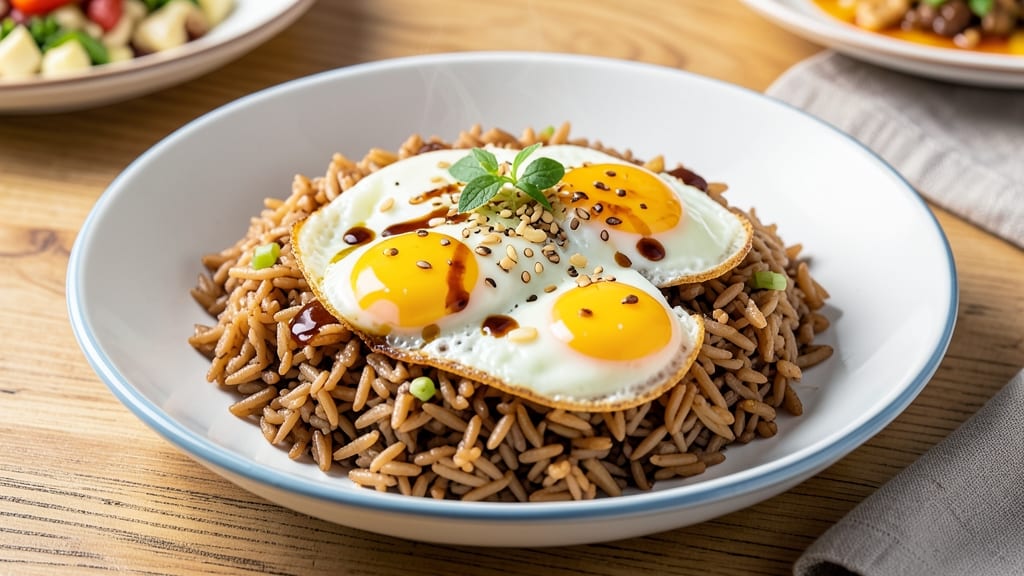
This brown rice and egg recipe transforms simple ingredients into a textured, protein-packed stir-fry with tender rice and delicate egg ribbons. The secret lies in perfectly cooked brown rice—chewy yet firm—and silky scrambled eggs that cling beautifully to each grain.
I developed this after craving a hearty vegetarian meal that felt balanced, nutritious, and satisfying without sacrificing flavor.
The magic happens when you stir-fry the eggs just until they form soft, glossy strands, then toss them with warm brown rice and a touch of soy sauce for umami depth. This dish is quick—ready in under 20 minutes—but feels like a restaurant-worthy meal.
Serve it with steamed greens or a sprinkle of sesame seeds for extra crunch. Here’s how to make it perfectly every time.
Ingredients for brown rice and egg
Twelve simple ingredients crafting a restaurant-quality vegetarian stir-fry with perfect texture contrast.
| Ingredient | Amount | Notes |
|---|---|---|
| Long-Grain Brown Rice 🌾 | 1 cup | Uncooked, rinsed thoroughly |
| Large Eggs 🥚 | 4 whole | Fresh, room temperature |
| Vegetable Oil 🫒 | 1 ½ tbsp | High smoke point preferred |
| Low-Sodium Soy Sauce 🥢 | 1 ½ tbsp | For umami depth |
| Sesame Oil 🫒 | ½ tbsp | For aromatic finish |
| Garlic Cloves 🧄 | 2 cloves | Minced finely |
| Fresh Ginger 🌿 | 1 tbsp | Grated finely |
| Green Onions 🧅 | 3 whole | Sliced thinly |
| Toasted Sesame Seeds 🌱 | 1 tbsp | For garnish |
| Diamond Crystal Kosher Salt 🧂 | ½ tsp | Adjust to taste |
| Black Pepper 🌶️ | ¼ tsp | Freshly ground |
| Water 💧 | 2 cups | Filtered preferred |
Brown rice quality matters most here—look for long-grain varieties like jasmine or basmati blends, which hold their shape better than short-grain. Lundberg or Trader Joe's organic brown rice are excellent choices, offering consistent texture. Rinse the rice thoroughly to remove excess starch, which prevents clumping. For garlic and ginger, fresh is non-negotiable—dried powders lack the aromatic complexity needed for this dish. Store your rice in an airtight container to maintain freshness, and keep garlic and ginger in the refrigerator for extended shelf life.
No sesame oil? Toasted peanut oil works as a substitute, though it lacks the signature nutty aroma. Fresh eggs are ideal, but if using older eggs, whisk them vigorously for better texture. The soy sauce can be swapped for tamari if gluten-free is required, though the umami profile will differ slightly. For a smokier finish, add a pinch of smoked paprika to the rice while cooking. Green onions can be replaced with scallions or chives, though green onions provide the best color contrast. Always toast sesame seeds in a dry pan until fragrant for maximum flavor impact.
Cooked brown rice keeps well in the refrigerator for 4-5 days when stored in an airtight container. For longer storage, freeze portions for up to 3 months. The eggs should be used within 2 days of purchase for optimal texture. Sesame seeds retain their crunch for 6 months when stored in a cool, dark place. Prep the rice and aromatics ahead of time to streamline the stir-fry process—this dish comes together fastest when you're organized.
Why You'll Love This Recipe
- One-Pot Wonder: I swear by this—just brown rice, eggs, and a splash of soy sauce in the same pan. No extra bowls, no extra mess. The eggs cook right into the rice while it simmers, so you’re left with a single dish that’s ready in one container.
- Umami Bomb: That sesame oil finish? Chef’s kiss. The soy sauce gives it a deep, savory punch, while the sesame oil adds a nutty warmth that makes every bite taste richer. It’s the kind of flavor that lingers, and honestly, it’s hard to stop at one serving.
- Lunchbox Hero: Between us, this is my go-to for meal prep. The rice stays firm, the eggs hold their shape, and it reheats like a dream—no soggy textures. Pack it cold for work or school, and it’s still satisfying hours later. (Yes, even on a Tuesday night.)
- Pantry Staple: Brown rice and eggs? You’re already halfway there. No fancy ingredients, just basics that won’t break the bank. I’ve made this for breakfast, lunch, or dinner, and it’s always a hit—whether I’m feeding myself or a crowd. Leftovers? They’re my secret weapon for lazy days.
Step-by-step instructions for savory brown rice and egg ribbon stir-fry
Here's the method for achieving perfectly silky egg ribbons and nutty brown rice in one flavorful dish.
Prepare the Brown Rice with Essential Aromatics
Rinse the 1 cup long-grain brown rice thoroughly under cold water until the water runs clear. This removes excess starch that can make the rice gummy. In a medium saucepan, combine the rinsed rice with the 2 cups water, 0.5 tsp diamond crystal kosher salt, and 1 tbsp fresh ginger. Bring to a boil over medium-high heat, then immediately reduce to low heat, cover tightly, and simmer for 40 minutes.
After 40 minutes, check the rice—it should have absorbed most of the liquid but still have a slight bite. If needed, add 1-2 tablespoons water and cook another 5 minutes. The rice should be tender but not mushy. While it cooks, prepare the remaining ingredients so everything is ready when the rice finishes. The ginger adds subtle warmth that complements the eggs beautifully.
Create the Silky Egg Ribbons
In a small bowl, whisk together the 4 whole large eggs until the yolks and whites are fully combined. Heat a nonstick skillet over medium-low heat and add 1.5 tablespoons vegetable oil. Once the oil is shimmering but not smoking, pour in the egg mixture. Let it sit undisturbed for 10-15 seconds until the edges begin to set but the center remains runny.
Using a spatula, gently tilt the pan and use quick, sweeping motions to create thin ribbons. The key is patience—don't rush this step. The eggs should form delicate, wispy strands that cling together. Once fully cooked (about 1 minute total), remove the ribbons and set aside. These silky strands are the star of the dish, so take your time to get them just right.
Stir-Fry the Aromatic Base
In the same skillet (no need to clean it), increase heat to medium-high and add another 1.5 tablespoons vegetable oil. Add the 2 cloves minced garlic and cook for 30 seconds until fragrant but not browned. Add the 3 whole green onions (sliced thinly) and stir for 1 minute until softened. Pour in the 1.5 tablespoons low-sodium soy sauce and 0.5 tablespoons sesame oil, stirring to combine.
The garlic should release its sweet aroma immediately, and the soy sauce will begin to reduce slightly. This aromatic base forms the flavor foundation for the entire dish. The sesame oil adds a nutty depth that pairs perfectly with the eggs and rice. Keep the heat at medium-high to maintain the sauce's vibrancy.
Combine and Finish the Dish
Add the cooked brown rice to the skillet and toss gently to coat evenly in the sauce. Stir in the silky egg ribbons and cook for 1-2 minutes until everything is heated through. The egg ribbons should soften slightly but remain distinct. Sprinkle with 1 tablespoon toasted sesame seeds and 0.25 tsp black pepper, tossing once more to distribute evenly.
Taste and adjust seasoning if needed—the soy sauce provides umami, but the sesame seeds and pepper add complexity. Serve immediately while the eggs are still silky and the rice maintains its texture. This dish is best enjoyed fresh, with the aromatics fully integrated and the egg ribbons at their peak tenderness.
Pro Tips For Making Brown Rice And Egg
- Rinse Rice Twice: Brown rice sticks to pans like glue if it’s coated in starch. Toss the raw grains in a fine-mesh strainer under cold water for 30 seconds, shake off excess, then repeat. I learned this the hard way—my first batch turned into a gummy mess because I skipped it. Trust me, the extra 10 seconds now saves you from scraping burnt rice off your wok later.
- Cook Rice Low and Slow: Brown rice needs patience—don’t boil it like white rice. Use a 1:2.5 rice-to-water ratio, bring to a simmer, then reduce to the lowest heat possible. Cover and let it steam for 40-45 minutes. I used to crank the heat, and the rice either stayed crunchy or turned mushy. This method guarantees fluffy, chewy grains every time.
- Scramble Eggs Separately: Frying eggs directly in the rice pan risks soggy rice and greasy eggs. Scramble the eggs in a separate nonstick pan with a splash of water (yes, even if you’re impatient like me) until just set, then mix them into the rice at the end. The eggs stay tender, and the rice keeps its texture—no sad, waterlogged bites.
- Toast the Rice First: After cooking, spread the warm rice in a thin layer on a baking sheet and let it cool slightly. Once cool, drizzle with 1 teaspoon sesame oil and stir gently. This step adds nutty depth and prevents the rice from turning into a bland bed for the eggs. My grandmother swore by this, and she was right: it’s the thing that makes this dish taste restaurant-worthy.
Troubleshooting great brown rice and egg
Mushy Rice Fix
If your brown rice turns out mushy, it likely absorbed too much water or cooked too long. I’ve found that undercooking slightly (by 2-3 minutes) and letting it rest covered for 5 minutes after heat is off helps firm it up.
For extra insurance, spread the cooked rice on a tray and refrigerate for 10 minutes before serving—this tightens the grains beautifully. 🌾
Eggs Too Dry or Gummy
Overcooked eggs lose their silky texture and turn rubbery. The trick is to remove them immediately when they’re just set—about 1 minute total on medium-low heat. If they’re already dry, whisk in 1 teaspoon water and reheat gently in the skillet for 20 seconds.
For extra richness, add a pinch of salt and ½ teaspoon sugar to the eggs before cooking to keep them tender. 🥚
Sauce Too Salty
If the soy sauce makes the dish too salty, balance it with 1 teaspoon rice vinegar or ½ teaspoon honey to mellow the flavor. For a fresher profile, stir in 1 tablespoon chopped cilantro or green onions at the end.
I’ve also had success adding 1 teaspoon grated carrot to the rice while cooking—it adds natural sweetness that cuts through saltiness. 🥢
Lacking Flavor Depth
If your stir-fry tastes flat, boost umami with 1 teaspoon fish sauce (if vegetarian, use ½ teaspoon mushroom powder) or a splash of sesame paste. For warmth, add ½ teaspoon chili flakes or 1 teaspoon sriracha to the sauce.
I often finish with a drizzle of chili oil for a smoky kick—just ½ teaspoon adds bold flavor without overpowering. 🌶️
Rice Sticking Together
Clumpy rice happens when starch isn’t rinsed properly. Next time, rinse the rice in a fine-mesh strainer under cold water for 30 seconds, then spread it on a towel to dry slightly before cooking.
If it’s already sticky, fluff with a fork and sprinkle ½ teaspoon toasted sesame seeds while tossing—they add texture and absorb excess moisture. 🌱
Eggs Overcooking in Skillet
High heat causes eggs to scramble instead of forming ribbons. Always use medium-low heat and a nonstick skillet—I prefer 10-inch cast iron for even heat distribution. If your pan isn’t nonstick, lightly grease it with ½ teaspoon oil before adding eggs.
For extra control, cook in batches if needed—2 eggs max per attempt ensures gentle, even heating. 🔥
Nutrition facts
Frequently asked questions
Can I use white rice instead of brown rice in this recipe?
While you can substitute white rice, the texture and nutritional profile will change significantly. Brown rice provides a heartier, nuttier flavor and more fiber, which pairs beautifully with the silky egg ribbons. If you must use white rice, reduce cooking time to 15 minutes and rinse thoroughly to prevent mushiness. The dish will be lighter but less satisfying.
How do I make the egg ribbons extra silky?
The secret is patience and temperature control! Use medium-low heat and cook the eggs for just 1 minute total, stirring gently to create thin strands. Add a pinch of salt and ½ teaspoon sugar to the eggs before cooking to maintain moisture. For extra richness, whisk in 1 teaspoon water if the eggs start to dry out.
Can I prepare this dish ahead of time?
Yes, but with a few adjustments. Cook the brown rice and egg ribbons separately, then refrigerate in airtight containers for up to 2 days. Reheat the rice and eggs separately over low heat with a splash of water or oil to prevent drying. Combine only when serving to maintain the silky egg texture. For best results, prepare the sauce separately and add it fresh.
What are some great side dishes to serve with this?
This dish pairs beautifully with fresh, light sides to balance its richness. Try steamed bok choy, a simple cucumber salad with rice vinegar, or miso soup for a complete meal. For extra crunch, serve with quick-pickled vegetables or a side of edamame. The contrast of textures and temperatures makes every bite more satisfying.
Why does my rice turn out sticky or mushy?
Sticky rice usually means excess starch wasn't rinsed out properly. Rinse the rice thoroughly in a fine-mesh strainer for 30 seconds before cooking, and spread it on a towel to dry slightly. For mushy rice, undercook it by 2-3 minutes and let it rest covered for 5 minutes after heat is off. This helps firm up the grains. Always use the right water-to-rice ratio (2 cups water per 1 cup rice).