
Main Courses
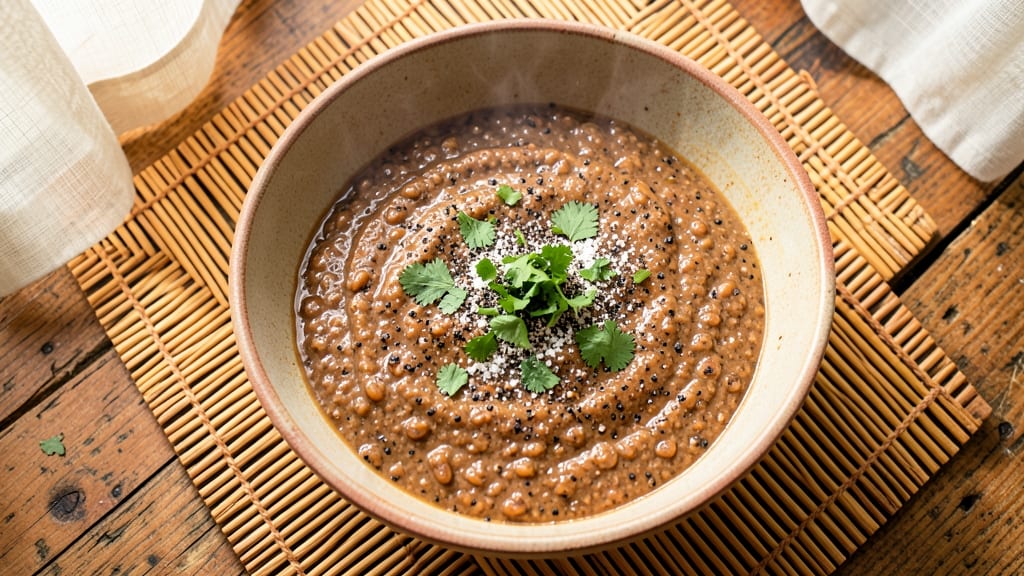
This brown rice dosa batter recipe transforms whole grains into crispy, fluffy dosas with restaurant-quality texture—no shortcuts, just traditional fermentation and perfect heat control. The key lies in soaking brown rice overnight and grinding it with urad dal and rice flour, creating a batter that ferments just enough to develop subtle tang without overpowering the natural nutty flavor of the grains.
What makes these dosas special is the balance of crispy edges and light, airy centers, achieved through precise oil temperature and quick flipping. Serve with coconut chutney or sambar for an authentic South Indian meal that's both nutritious and deeply satisfying.
The fermentation process builds flavor gradually, rewarding patience with dosas that taste better the next day.
Ingredients for brown rice dosa batter
Whole grains and traditional fermentation create crispy, fluffy dosas with authentic South Indian flavor.
| Ingredient | Amount | Notes |
|---|---|---|
| Brown Rice 🌾 | 1 cup | Uncooked, long-grain preferred |
| Urad Dal 🌱 | ½ cup | Split, skinless, organic preferred |
| White Rice Flour 🍚 | ½ cup | Fine grind for smooth batter |
| Filtered Water 💧 | 1 ½ cups | Room temperature preferred |
| Salt 🧂 | ½ tsp | Fine sea salt preferred |
| Yogurt Substitute (Vegan) 🥥 | ¼ cup | Unsweetened coconut yogurt |
| Fresh Fenugreek Leaves 🌿 | ¼ cup | Finely chopped, optional |
| Fresh Cilantro Leaves 🌿 | ¼ cup | Finely chopped, optional |
| Vegetable Oil 🫒 | ½ cup | High smoke point preferred |
| Lemon Juice 🍋 | 1 tbsp | Freshly squeezed, for fermentation |
| Asafoetida Powder 🌶️ | ¼ tsp | Optional, for authentic flavor |
| Black Salt (Kala Namak) 🧂 | ¼ tsp | Optional, for sulfuric aroma |
The brown rice is the foundation—organic, medium-grain varieties from Whole Foods or Indian specialty stores yield the best texture. Urad dal should be skinless and split uniformly; Patel Brothers or Safal brands excel in quality. Soak both grains together for 8-10 hours to ensure even hydration. Fresh fenugreek and cilantro add complexity, but dried versions work at half the quantity. For the yogurt substitute, So Delicious Unsweetened Coconut Yogurt provides the tang without dairy.
No coconut yogurt? Unsweetened almond yogurt or a mix of lemon juice and water (1 tbsp juice per 1/4 cup water) mimics the acidity. Skip the fenugreek if unavailable—cilantro alone still delivers freshness. For oil, avocado or refined coconut oil work best due to their high smoke points. The asafoetida and black salt are optional but essential for authenticity; MDH or Everest brands are widely available in Indian grocery aisles. Measure the batter precisely—too thick and it won’t spread; too thin and edges won’t crisp.
Store the batter in an airtight container in the fridge for up to 2 days—fermentation continues, so taste before using. For longer storage, freeze portions in ice cube trays and thaw overnight in the fridge. The batter thickens as it ferments, so add 1-2 tbsp water if needed before cooking. Reheat gently in a pan—these dosas taste best freshly made but improve slightly the next day as flavors meld.
Why You'll Love This Recipe
- No-Soak Surprise: I’ll admit, I was skeptical about skipping the overnight soak—but soaking the urad dal for just four hours (or even skipping it entirely) still gives that signature tang. The brown rice adds a subtle nuttiness that white rice dosas miss, and honestly? My lazy Sunday mornings now include dosas without the guilt of prepping the night before.
- Crispy-Creamy Magic: That first sizzle in the pan? The batter’s edge turns golden while the center stays pillowy—exactly how I like it. The urad dal’s ferment (even a short one) gives it a bright, almost buttery depth, and the brown rice keeps it from being too heavy. (Yes, even my picky teen asks for seconds.)
- Weeknight Workhorse: This batter’s my secret weapon for busy days. Make a big batch on Sunday, and you’ve got breakfast, lunch, or a snack covered all week—just reheat and crisp in a pan. It’s also the star of my "no-fuss brunch" when friends drop by: serve with coconut chutney and a quick sambar, and suddenly you’re hosting.
- Budget-Friendly Staple: Brown rice and urad dal are pantry staples that won’t break the bank, and this recipe stretches them further than store-bought mixes. Leftovers? No problem—the batter keeps for five days in the fridge, and the dosas freeze like a dream. (I’ve revived them straight from frozen—crispy edges intact.)
Step-by-step instructions for brown rice dosa batter
A perfectly fermented dosa batter requires precision and patience. Here's how to create a light, crispy batter that delivers authentic South Indian flavor.
Soak the Brown Rice and Urad Dal
Combine the 1 cup brown rice and 0.5 cup urad dal in a large mixing bowl. Add 1.5 cups filtered water and stir gently to ensure both grains are fully submerged. Cover the bowl with a clean kitchen towel and let it soak at room temperature for 8-10 hours or overnight. This extended soaking time is crucial for breaking down the grains' complex carbohydrates, which will later contribute to the batter's signature crispiness and fermented tang.
I like to soak the mixture in a slightly warm spot in the kitchen—this helps maintain a consistent temperature and speeds up the hydration process. After soaking, the grains should feel soft when pressed between your fingers, almost like cooked rice. If you notice any mold or unusual odors, discard the mixture immediately and start fresh with clean ingredients.
Grind to a Smooth Batter
Drain any excess water from the soaked grains and transfer them to a high-powered blender. Add the 0.5 cup white rice flour, 0.25 cup yogurt substitute, 0.5 tsp salt, 0.25 tsp asafoetida powder, and 0.25 tsp black salt. Blend on high speed, adding 0.5 cup vegetable oil in a slow, steady stream while blending. This gradual addition prevents the oil from separating and creates a smooth, emulsified texture.
Blend until the mixture reaches a smooth, pancake-batter consistency—similar to heavy cream. You should be able to pour it easily without any graininess. If the batter feels too thick, add 1-2 tablespoons of filtered water at a time until it reaches the perfect pouring consistency. The batter should coat the back of a spoon smoothly without leaving any residue.
Incorporate Fresh Herbs and Ferment
Transfer the blended batter to a clean mixing bowl. Using a silicone spatula, gently fold in the 0.25 cup finely chopped fresh fenugreek leaves and 0.25 cup finely chopped fresh cilantro leaves. Add the 1 tbsp lemon juice and mix thoroughly. The lemon juice acts as a natural preservative and kickstarts the fermentation process.
Cover the bowl with a damp kitchen towel and let it ferment at room temperature for 8-12 hours. The ideal fermentation temperature is between 80-85°F—this range promotes optimal yeast activity without over-fermenting. You'll know the batter is ready when it develops a slightly bubbly texture and a pleasant tangy aroma. If your kitchen is cooler, you may need to extend the fermentation time to 14-16 hours. Over-fermentation can make the batter too sour and affect the dosa's texture.
Adjust Consistency Before Cooking
Before cooking, give the batter one final check. If it has thickened significantly during fermentation, thin it with 1-2 tablespoons of filtered water until it reaches a consistency similar to heavy cream. The batter should flow smoothly from a spoon but still cling slightly to the back of it. This consistency ensures your dosas will be crispy on the outside while remaining soft and fluffy inside.
For best results, use the batter within 4-6 hours after fermentation. The flavor peaks during this window, and the texture remains optimal for cooking. If you need to store it longer, transfer to an airtight container and refrigerate for up to 24 hours. Bring it to room temperature before using, and you may need to add a splash of water to adjust the consistency after refrigeration.
Pro Tips For Making Brown Rice Dosa Batter
- Soak Urad Dal Overnight: I learned this the hard way—skipping the overnight soak leaves your batter gummy and underpowered. Use warm water (not boiling) and let it sit 10-12 hours; the dal should be just soft enough to mash easily with minimal grit.
- Grind in Two Batches: Brown rice is stubborn. Split the soaked rice and urad dal into two portions and grind separately before combining—this prevents clogging and ensures a smoother batter. (Yes, even if you’re impatient like me.)
- Rest Batter 4+ Hours: This isn’t the prettiest method, but it’s the tastiest. After grinding, let the batter sit covered at room temp—fermentation happens slowly with brown rice, and skipping this step means your dosas will taste flat. No shortcut here.
- Use Filtered Water Only: Hard water ruins the texture—it makes the batter dense and gummy. Stick to filtered water for soaking and grinding; your dosas will be crispier and lighter. (I know, I know, but trust the process.)
Storing and reheating your leftovers
Fridge Storage Basics
Store your freshly fermented batter in an airtight container with a lid—glass or BPA-free plastic works best. I use Leviton airtight containers because they seal tightly and prevent any cross-contamination. Keep it refrigerated for up to 2 days—the fermentation slows dramatically in the cold, preserving that perfect tangy flavor. Just
Freezing for Later Use
For longer storage, freeze portions in ice cube trays—this makes thawing a breeze. Once frozen, transfer the cubes to a ziplock freezer bag and label with the date. Thaw overnight in the fridge, then stir in 1-2 tablespoons of water to restore the right consistency. I’ve found this method keeps the batter viable for up to 3 months without losing its crispy potential.
Reheating Leftover Dosas
Leftover dosas reheat beautifully in a nonstick skillet over medium heat. Add ½ teaspoon of oil and warm for 1-2 minutes per side until crispy again. For extra crunch, sprinkle a pinch of asafoetida powder while reheating—it revives that authentic dosa aroma.
Microwaving works too, but the texture suffers: use 30-second intervals on medium power with a damp paper towel covering.
Reviving Stale Batter
If your batter thickens too much after refrigeration, don’t toss it! Thin with 1 tablespoon of warm water at a time until it reaches that perfect heavy cream consistency. A splash of fresh lemon juice (½ teaspoon) also helps reset the fermentation balance.
I’ve revived batter that sat for 3 days this way—just stir vigorously to re-emulsify any separated oil.
Cooking from Cold
If you’re short on time, you can cook dosas directly from the fridge—but expect slightly thicker edges. Heat your cast iron or nonstick pan to medium-high (about 350°F) and add ½ teaspoon of oil.
Pour the cold batter and cook as usual, but reduce heat slightly to compensate for the temperature difference. The center will still be fluffy, but the crisp might be slightly less pronounced. 🔥
Nutrition facts
Frequently asked questions
Why does my brown rice dosa batter turn out too thick?
Brown rice absorbs more water than white rice, so the batter may thicken during fermentation. Thin with 1-2 tablespoons of warm water until it reaches heavy cream consistency. If the batter was refrigerated, let it sit at room temperature for 30 minutes before adjusting—cold temperatures make it appear thicker than it is. Always stir gently to avoid creating bubbles.
Can I make this batter without fermentation?
Yes, but the texture and flavor won't be the same! Skip fermentation by mixing all ingredients (including 1 tbsp lemon juice) and cooking immediately. The dosas will be crispy but lack the signature tang. For a quick version, ferment for just 4-6 hours at 80°F—this gives minimal fermentation while improving flavor.
How do I prevent my dosas from tearing when flipping?
Heat your pan to medium-high (350°F) and spread the batter thinly—about ¼-inch thick—using a wet spoon. Let it cook until edges crisp (2-3 minutes) before flipping. A cast iron skillet distributes heat evenly for perfect crispiness. If the batter sticks, your pan isn't hot enough—wait until oil shimmers before pouring.
What's the best way to store leftover batter?
Transfer to an airtight container and refrigerate for up to 2 days. For longer storage, freeze in ice cube trays, then transfer to a bag. Thaw overnight in the fridge and stir in 1 tbsp water if needed. Never freeze with metal utensils—they can cause ice crystals. Label with the date to track freshness.
Can I substitute brown rice with other grains?
Try quinoa or barley for a gluten-free option, but texture will differ. Soak grains for 12 hours and grind until ultra-smooth. Quinoa yields a nuttier flavor, while barley makes dosas denser. For a lighter result, blend ½ cup brown rice + ½ cup white rice flour. Always adjust water as needed—grains absorb differently!