
Main Courses
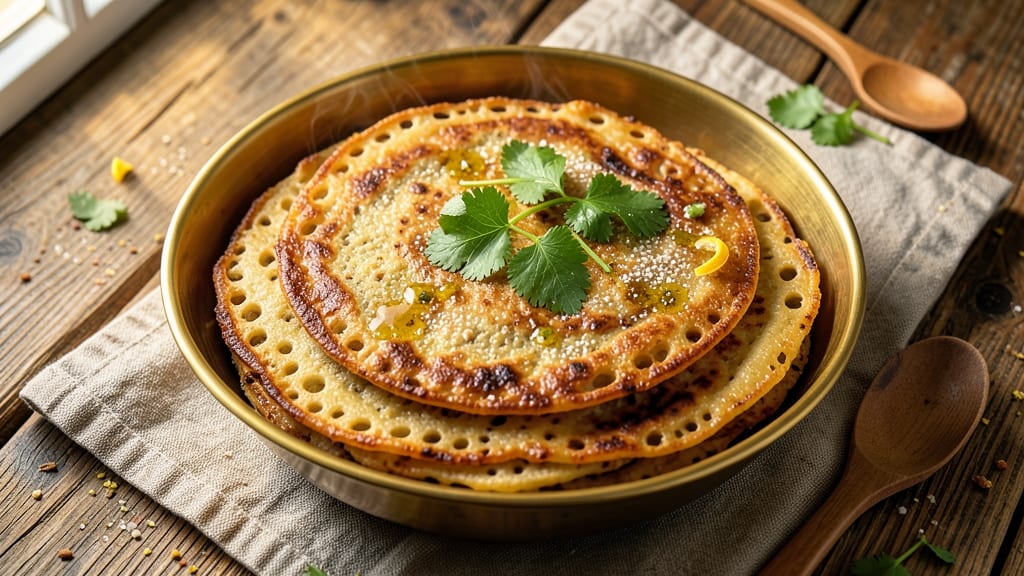
This brown rice dosa recipe delivers crispy, fermented layers with a satisfying nutty depth that rivals traditional versions. The secret lies in soaking brown rice properly—its chewy texture and earthy flavor transform this classic South Indian dish into something uniquely wholesome.
Unlike white rice dosas, the fermentation process here creates a lighter, airier batter that still holds its shape perfectly when cooked.
What makes this recipe stand out is its foolproof fermentation technique, which develops just enough tang without overpowering the natural nutty taste of brown rice. The result? Golden, crispy edges that shatter at the first bite while maintaining a soft, pillowy center.
Serve with coconut chutney or sambar for the full South Indian experience—this vegan dish proves healthy eating can be just as satisfying as it is nutritious.
Ingredients for brown rice dosa
Eleven wholesome ingredients transform into crispy, nutty dosas with perfect fermentation.
| Ingredient | Amount | Notes |
|---|---|---|
| Brown Rice 🌾 | 1 cup | Short-grain preferred, uncooked |
| Urad Dal (Black Gram) 🌱 | ¼ cup | Split, uncooked, organic preferred |
| Rice Flour 🌾 | ½ cup | Fine-milled, for crispiness |
| Fresh Fenugreek Leaves 🌿 | ½ cup | Methi leaves, chopped |
| Fresh Cilantro Leaves 🌿 | ¼ cup | Coriander leaves, chopped |
| Salt 🧂 | 1 tsp | Diamond Crystal preferred |
| Asafoetida Powder 🌶️ | ¼ tsp | Hing powder, optional |
| Coconut Oil 🫒 | ½ cup | Unrefined, for frying |
| Water 💧 | 1 ½ cups | Filtered or spring water |
| Yogurt (Vegan) 🥛 | ¼ cup | Unflavored coconut yogurt |
| Lemon Juice 🍋 | 1 tbsp | Freshly squeezed |
| Black Salt (Kala Namak) 🧂 | ¼ tsp | Optional, for sulfuric tang |
The brown rice and urad dal form the dosa's heart—short-grain brown rice yields the best texture, while organic urad dal ensures fermentation efficiency. Source both from Indian specialty stores like Patel Brothers or Whole Foods bulk bins for premium quality. The rice flour is non-negotiable for that signature crispy edge, while fresh fenugreek leaves (available frozen at Trader Joe's) add a subtle bitterness that balances the batter's sweetness. For the coconut oil, unrefined virgin from Nutiva delivers the highest smoke point and authentic flavor.
No fresh fenugreek? Dried methi leaves at one-third the amount work in a pinch, but fresh is ideal. The vegan yogurt can be swapped for cashew cream (blend soaked cashews with water) if coconut yogurt isn't available. Short on black salt? A pinch of garlic powder mimics its sulfuric punch. The asafoetida powder is optional but recommended—it's the secret to that restaurant-quality aroma. For the lemon juice, organic Meyer lemons from local farmers markets provide the best balance of tartness and sweetness, though store-bought works fine.
Store the uncooked batter in an airtight container with a damp cloth for up to 12 hours at room temperature. The fermentation happens best in a warm spot—place the bowl near your oven with the light on. Once cooked, dosas reheat beautifully in a dry skillet for 30 seconds—they crisp up like fresh. The leftover batter freezes well for 1 month in ice cube trays, perfect for quick breakfasts. Serve immediately for maximum crispiness, as the edges soften within 5 minutes after cooking.
Why You'll Love This Recipe
- No Soak, No Stress: I swear by this—just soak the urad dal overnight (that’s it), no rice pre-soaking or fancy grinding. The brown rice stays whole, so the batter’s texture is light yet sturdy, and those fenugreek leaves? They add a tangy punch without overpowering. Honestly, I make this when I’m too tired for complicated fermenting.
- Nutty Crispy Magic: That brown rice changes everything—the dosas have a toasted, almost nutty edge you won’t find in white-rice versions. The urad dal keeps them fluffy inside, and when you add fresh cilantro right before cooking? The aroma hits like a warm hug. (Yes, even on a Tuesday night.)
- Meal Prep MVP: Batch the batter and store it for up to 5 days—perfect for lazy mornings or quick lunches. Serve with coconut chutney or spicy tomato sauce, and suddenly you’ve got a full week’s worth of breakfasts or light dinners without extra effort. My kids grab these straight from the fridge—no reheating needed.
- Budget-Friendly Protein: Urad dal and brown rice are cheap staples that pack serious nutrition. One batch feeds four, and leftovers reheat in seconds. I’ll be real: this is how I stretch groceries without sacrificing flavor. Plus, the fenugreek leaves? Often cheaper than fancy greens, and they add depth most recipes miss.
Step-by-step instructions for brown rice dosa
Mastering the fermentation and crispy layers requires patience and precision—here's how to achieve perfect results.
Soak and Grind the Base Ingredients
Place the 1 cup brown rice and 0.25 cup urad dal (black gram) in separate bowls. Add enough water to cover each by 2 inches—about 3 cups total—and let soak for 6-8 hours or overnight. This long soak ensures the grains soften completely and develop the nutty depth characteristic of brown rice dosa.
After soaking, drain and rinse both ingredients thoroughly. Transfer the brown rice to a wet grinder or food processor with 0.5 cup water. Grind into a smooth, slightly runny batter—it should resemble thick pancake batter with a few lumps. Repeat with the urad dal, adding 0.25 cup water while grinding. The urad dal batter will be thicker due to its high protein content.
Ferment the Batter for Optimal Texture
Combine the ground brown rice batter and urad dal batter in a large bowl. Add 0.5 cup rice flour, 0.5 cup chopped fresh fenugreek leaves, 0.25 cup chopped fresh cilantro leaves, 1 tsp salt, 0.25 tsp asafoetida powder, and 0.25 cup vegan yogurt. Mix thoroughly until no dry spots remain. The batter should be smooth with a slightly sticky consistency.
Cover the bowl with a clean kitchen towel and let ferment at room temperature for 8-12 hours. The ideal fermentation occurs when the batter develops a slightly tangy smell and rises about 25-30% in volume. This step is critical for achieving the signature crispy yet fluffy layers—don't rush it. If your kitchen is warm, fermentation may complete in 6-8 hours; if cool, extend to 14 hours.
Prepare the Batter for Cooking
After fermentation, give the batter a final mix to redistribute any settled ingredients. Add 1 tbsp lemon juice and 0.25 tsp black salt (kala namak)—the lemon brightens the flavor while the black salt adds a subtle sulfuric tang. The batter should now be well-aerated with small bubbles throughout. If it appears too thick, thin slightly with 1-2 tablespoons water to achieve a pouring consistency.
Heat a non-stick skillet or dosa pan over medium-high heat. Add 1 tablespoon coconut oil and swirl to coat the surface evenly. The oil should shimmer but not smoke—this prevents burning while ensuring crispiness. For best results, maintain a constant medium-high heat throughout cooking.
Cook the Dosas to Crispy Perfection
Pour about ¼ cup of the fermented batter onto the hot skillet, tilting to spread into a 6-inch circle. Immediately press down gently with a spatula to ensure even contact with the pan—this prevents curling. Drizzle 1 teaspoon coconut oil around the edges and center of the dosa.
Cook for 2-3 minutes until the edges turn golden brown and crispy, while the center remains slightly soft. Flip carefully using a spatula, adding another 1 teaspoon coconut oil to the other side. Cook for an additional 1-2 minutes until both sides achieve an even golden-brown color with crispy edges. The center should be soft and slightly undercooked—this ensures a fluffy interior.
Serve Immediately with Traditional Accompaniments
Transfer the cooked dosa to a plate and keep warm in a 200°F oven while preparing the remaining batches. Serve immediately with coconut chutney or mint-coriander chutney, and a side of spicy onion-tomato sambar. The contrast between the crispy edges and soft center, combined with the nutty brown rice flavor, makes this dosa truly exceptional.
For best results, cook all dosas fresh—they lose crispiness within 10-15 minutes of cooking. The fermentation process and proper heat control are what transform this into a restaurant-quality dish at home.
Pro Tips For Making Brown Rice Dosa
- SOAK URAD DAL OVERNIGHT: I learned this the hard way—rushing the soak leaves the dal gummy and uncooked. Cover ½ cup urad dal in 3x its volume water with a pinch of salt, and let it sit 10+ hours. The longer it soaks, the smoother your batter will be, and the crispier the edges of your dosa.
- GRIND IN BATCHES: Brown rice dosa batter is thick stuff, and forcing your blender to handle it all at once is how you end up with a motor burnout. Grind half the soaked dal and rice first, then mix with the remaining ingredients before grinding the second half. This keeps the batter cool and prevents that dreaded "motor strain" smell.
- STEAM THE BATTER: I was skeptical until I tried it—steaming the batter for 5 minutes after grinding makes a real difference in texture. Spread the batter in a thin layer on a greased tray and cover with a damp cloth. The steam softens the brown rice, giving your dosa a lighter, fluffier interior instead of that dense, chewy center.
- SALT THE BATTER LATE: Adding salt early curdles the batter, especially with urad dal. Hold off until you’re ready to cook—just sprinkle ½ to 1 tsp salt into the batter right before spreading it on the hot tawa. This keeps the fenugreek and cilantro flavors bright and the dosa from turning rubbery.
Serving suggestions for brown rice dosa
Chutney Pairings
Start with coconut chutney—its creamy, slightly sweet profile balances the nutty brown rice perfectly. Blend ½ cup grated coconut, ¼ cup cilantro, 1 tbsp lemon juice, ½ tsp cumin seeds, and 2 tbsp water until smooth.
For a tangier option, try mint-coriander chutney with ½ cup mint, ¼ cup cilantro, 1 green chili, and 1 tsp tamarind paste. Both chutneys should be served at room temperature for the best flavor interplay. 🥥
Sambar Complements
No dosa is complete without sambar—this lentil-based vegetable stew adds depth. Simmer ½ cup lentils, 1 onion, 2 tomatoes, 1 tsp turmeric, and 1 tsp coriander powder in 4 cups water for 30 minutes.
Finish with 1 tbsp tamarind paste and ½ tsp asafoetida for that signature South Indian tang. The spicy, savory notes contrast beautifully with the crispy dosa edges. 🌶️
Protein Additions
For a heartier meal, add spiced chickpeas or tofu scramble. Toss 1 cup chickpeas with 1 tsp cumin, ½ tsp turmeric, and 1 tbsp coconut oil, then roast at 375°F for 20 minutes.
Alternatively, crumble 1 block firm tofu, sauté with 1 tsp garam masala, and 1 tbsp soy sauce for a protein-packed topping. Both options keep the dish vegan while adding satisfying texture. 🥜
Modern Twists
Swap traditional accompaniments for avocado slices and pickled onions for a fusion twist. The creamy avocado adds richness, while the tangy pickles cut through the dosa's crispiness. Drizzle with lime wedges and chili crisp for an extra kick. This version works beautifully as a brunch dish or light lunch. 🥑
Breakfast Plating
For a restaurant-worthy presentation, stack dosas with sautéed onions, boiled eggs (or tofu for vegan), and a dollop of yogurt. Garnish with fresh cilantro and a sprinkle of black salt.
Serve with filter coffee or masala chai for the full South Indian breakfast experience. The contrast of textures and temperatures makes every bite exciting. ☕
Nutrition facts
Frequently asked questions
Why does brown rice dosa need longer fermentation than white rice?
Brown rice has a tougher bran layer that requires extra time to soften and develop flavor. The 8-12 hour fermentation breaks down these layers, creating a lighter, airier texture with nutty depth. Rushing fermentation can leave the dosas dense and bland.
Can I make brown rice dosa without a wet grinder?
Yes! Use a high-powered food processor or blender, but you'll need to grind in batches. For brown rice, pulse until smooth with 0.5 cup water, then rest for 5 minutes before blending again. The urad dal will need more water (up to 0.5 cup) due to its protein content.
How do I fix dosas that curl too much?
Curl happens when the batter is too thin or the heat is too high. For crispy edges, use medium-high heat and spread the batter evenly. Press gently with a spatula to flatten, then add oil to the edges. If batter is too runny, ferment longer or add 1 tbsp rice flour.
Is brown rice dosa gluten-free?
Yes! This recipe is naturally gluten-free as long as you use certified gluten-free rice flour. Always check labels, as some brands may process flour in shared facilities. The urad dal and other ingredients are inherently gluten-free.
Can I make brown rice dosa batter ahead?
Store uncooked batter in an airtight container with a damp cloth for up to 12 hours at room temperature. For longer storage, freeze batter in ice cube trays for 1 month. Thaw overnight in the fridge before cooking. The fermentation process continues slowly in the freezer.