
Main Courses
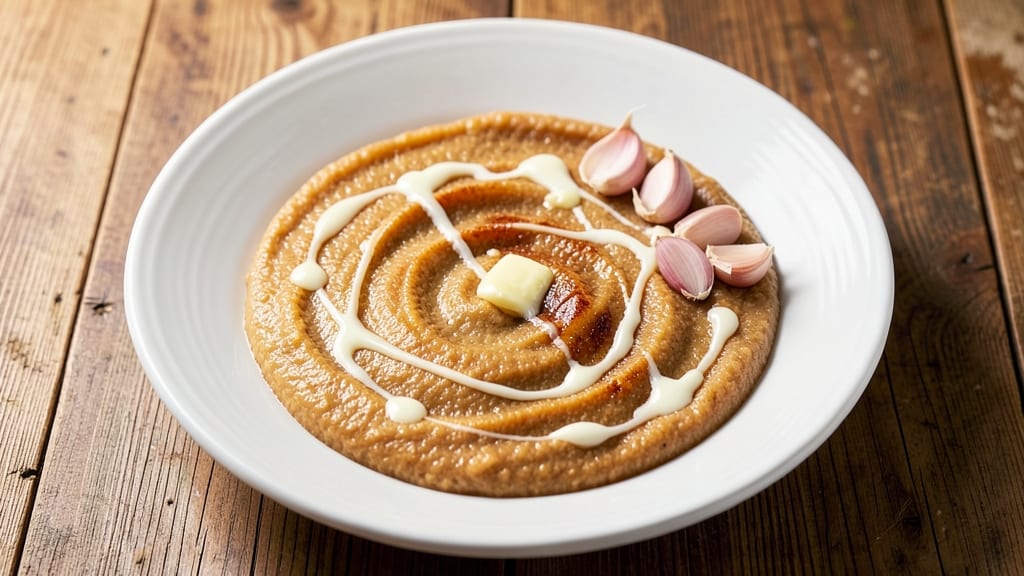
This brown rice farina recipe transforms humble ingredients into a nutty-creamy dish with surprising depth—think of it as a fusion of hearty rice and delicate farina, elevated by eggy protein. The secret lies in blending brown rice flour's earthy notes with farina's tender texture, creating a dish that's both satisfying and adaptable for any meal. Perfect for those seeking gluten-free options without sacrificing flavor, this recipe delivers a creamy yet structured texture that holds up beautifully when baked or served as a side.
The magic happens when you combine the two flours in a simple batter, enriched with eggs for binding and protein, then baked to golden perfection. Whether shaped into patties, baked into a savory loaf, or used as a thickener for soups, this versatile recipe adapts effortlessly to your needs.
The result? A dish that's nutritious, comforting, and packed with a subtle, toasty flavor that lingers—ideal for weeknight dinners or meal prep. Let's get started on crafting this nutty-creamy masterpiece.
Ingredients for brown rice farina
Twelve ingredients blend earthy brown rice flour with delicate farina, creating a nutty-creamy base elevated by eggs and aromatic herbs.
| Ingredient | Amount | Notes |
|---|---|---|
| Brown Rice Flour 🌾 | 1 cup | Finely milled for smooth texture |
| Farina Flour 🌾 | 1 cup | Semolina or cream of wheat preferred |
| Large Eggs 🥚 | 4 whole | Room temperature for even binding |
| Unsalted Butter 🧈 | ½ cup | Cold, cubed for even distribution |
| Milk 🥛 | 1 cup | Whole milk for creaminess |
| Garlic Cloves 🧄 | 3 cloves | Minced for aromatic depth |
| Onion Powder 🧅 | 1 tbsp | Diamond Crystal preferred |
| Dried Thyme 🌿 | 1 tsp | Fresh works at triple amount |
| Salt 🧂 | ½ tsp | Kosher or sea salt |
| Black Pepper 🌶️ | ½ tsp | Freshly ground for best flavor |
| Olive Oil 🫒 | 1 tbsp | For greasing baking dish |
| Nutritional Yeast 🧀 | 2 tbsp | For cheesy, umami richness |
| Fresh Parsley 🌿 | ¼ cup | Chopped, for garnish |
The flour duo is non-negotiable here. Bob's Red Mill brown rice flour delivers the best texture, while King Arthur farina adds that signature creaminess. Both should be fine-ground—coarse flour creates a gritty result. For the garlic, fresh is ideal, but powdered works in a pinch if you're short on time. The nutritional yeast adds that savory depth—Bragg brand is my go-to, but any high-quality brand does the trick. Stock up on these staples at Whole Foods or well-equipped grocery stores; their bulk bins often have better prices for these specialty flours.
No farina? Semolina flour at a 1:1 ratio works, though texture will be slightly denser. Substituting brown rice flour? White rice flour loses some of that nutty depth, but it's a decent swap for lighter applications. Fresh thyme unavailable? Dried oregano at half the amount mimics the earthy notes. The butter is crucial for moisture—vegan butter works too if needed, though texture may differ slightly. For the parsley, dried works at one-third the amount, but fresh is always better for that vibrant pop of color and flavor. Prefer a lighter touch? Reduce the nutritional yeast by half and add a pinch of white miso paste for umami without heaviness.
This batter keeps well in the fridge for up to 2 days before baking—perfect for meal prep. Once baked, store leftovers in an airtight container for 5 days, or freeze portions for up to 3 months. For best results, reheat in a 350°F oven until warmed through. The texture holds beautifully when reheated, making this an ideal candidate for lunches or light dinners. If you're using this as a thickener for soups, add it gradually while stirring constantly to prevent clumping—it's more forgiving than roux but still requires attention.
Why You'll Love This Recipe
- No-Fuss Mixing: I swear by the 5-minute whisk—just brown rice flour, farina, and eggs. No sifting, no measuring cups cluttering my counter, just a bowl and a fork. The farina gives it that melt-in-your-mouth texture without fuss, and honestly? My lazy Sundays thank me every time.
- Buttery Creamy Magic: That butter-milk combo transforms it into something richer than plain rice flour alone. The eggs bind it just enough to hold shape, but the farina keeps it tender—like a cross between a creamy polenta and a soft pancake. I’ll be real: I’ve made it plain, and it’s still dangerously good.
- Weeknight & Potluck Hero: Pack it in a thermos for work or bring it to a picnic—it stays warm, holds together, and no one will guess it’s gluten-free. My kids eat it straight from the pan for breakfast, and my book club requests it for holiday gatherings. (Yes, even on a Tuesday night.)
- Budget Stretch: Brown rice flour is affordable, and farina stretches it further—meaning fewer eggs and butter go a long way. I make a big batch, freeze half, and pull it out for quick meals. My wallet stays happy, and my freezer’s full of backup meals when I’m too tired to think.
Step-by-step instructions for nutty-creamy brown rice and farina fusion
This method delivers a perfectly balanced texture—nutty depth from the flours, rich creaminess from the dairy, and protein structure from the eggs.
Whisk Dry Ingredients for Uniform Distribution
In a medium bowl, combine the 1 cup brown rice flour and 1 cup farina flour. Sift the mixture through a fine-mesh sieve directly into a large mixing bowl to eliminate any lumps and aerate the flours. This step ensures your final texture will be silky rather than grainy.
Add the 2 tablespoons nutritional yeast, 1 tablespoon onion powder, 1 teaspoon dried thyme, ½ teaspoon salt, and ½ teaspoon black pepper to the bowl. Whisk vigorously for 30 seconds until all dry ingredients are evenly distributed. The nutritional yeast will add that savory depth while the spices create aromatic complexity.
Create the Wet Base with Eggs and Dairy
In a separate bowl, gently whisk the 4 whole large eggs until just combined—no need to overbeat, as this could create air pockets that disrupt the creamy texture. Add the 1 cup milk and whisk again until smooth. The eggs will provide structure while the milk contributes creaminess.
In a small saucepan, melt the ½ cup unsalted butter over low heat until fully liquid but not browned. Remove from heat and let cool for 2 minutes—this prevents scrambling when mixed with the eggs. The butter's fat content is crucial for achieving that luscious mouthfeel.
Combine Wet and Dry Ingredients
With the mixer on low speed, gradually add the dry flour mixture to the wet ingredients. Mix for 1 minute until just combined—you should see a thick, cohesive batter with no visible flour streaks. Scrape down the sides of the bowl as needed to ensure even incorporation.
Add the melted butter to the batter and mix for another 30 seconds until fully incorporated. The mixture should be smooth and slightly thicker than pancake batter. If it appears too thick, add 1 tablespoon milk at a time until it reaches a pourable consistency. This step is critical for achieving that signature creamy texture.
Infuse Aromatics and Prepare for Baking
In a small skillet, heat 1 tablespoon olive oil over medium heat. Add the 3 minced garlic cloves and sauté for 30 seconds until fragrant but not browned. Immediately remove from heat and let cool for 1 minute—this preserves the garlic's sweetness rather than letting it turn bitter.
Fold the cooled garlic into the batter along with the 2 tablespoons nutritional yeast (if not already added) and mix gently. Pour the batter into a 9-inch greased baking dish (use the olive oil from the garlic sauté). The dish should be filled about ¾ full—this prevents overflow during baking.
Bake to Golden Perfection
Preheat your oven to 350°F. Bake the batter for 35-40 minutes until the top is golden brown and the edges are set but the center still appears slightly jiggly. A toothpick inserted into the center should come out with a few moist crumbs—not wet batter.
For the final touch, broil for 2-3 minutes until the top develops a deeper golden-brown hue. Remove from the oven and let rest for 5 minutes before garnishing with ¼ cup chopped fresh parsley. This resting period allows the internal structure to set while maintaining that creamy texture.
Pro Tips For Making Brown Rice Farina
- Sift the Flours Together: Mixing brown rice flour and farina flour separately leads to uneven texture—lumpy bits sneak in no matter how much you stir. Take 2 minutes to sift them together through a fine-mesh strainer right in your mixing bowl. This also aerates the dry ingredients, giving your final batter a lighter, more uniform consistency.
- Use Cold Butter: I learned this the hard way—adding softened butter to the milk-egg mix makes the batter separate like oil and water. Whisk the butter into the warm milk after it’s melted but still cool enough to touch (about 110°F/43°C). This keeps the fat evenly dispersed and prevents that greasy, split texture in the finished dish.
- Whisk Eggs Until Ribbon-Thin: Overbeaten eggs turn your farina into glue, and underbeaten eggs leave you with a dense, doughy mess. Beat the eggs in a separate bowl until they form a slow, steady ribbon when the whisk is lifted—about 30 seconds longer than you think you need. This ensures a tender, creamy finish without that sad, compact crumble.
- Toast the Flour Blend: Skipping this step is how you end up with a bland, floury taste instead of that nutty depth from the brown rice. Dry-toast the sifted flour mixture in a 350°F (175°C) oven for 5 minutes, stirring once, until it smells toasty. The extra effort makes a real difference—especially if you’re using store-bought farina that’s lost its punch.
Troubleshooting perfect results
Batter Too Thick?
If your batter feels like glue rather than a smooth pourable consistency, don’t panic—this happens when flours absorb too much moisture. Gradually whisk in 1 tablespoon milk at a time until it reaches the texture of thick pancake batter.
I’ve found that mixing in the melted butter last (as in Step 3) helps balance the consistency. Overmixed? Let it rest for 5 minutes before adjusting—sometimes it thins out on its own. 💡
Dry or Crumbly Texture?
A dry, crumbly result usually means the flours weren’t properly hydrated or the baking time was too long. First, ensure your eggs and milk are at room temperature—they blend better. If the issue persists, try adding 1 extra tablespoon milk to the batter before baking.
For a second attempt, reduce baking time by 5 minutes and check for doneness earlier. Covering the dish with foil halfway through can also help retain moisture. ❄️
Uneven Baking?
Uneven baking often stems from inconsistent heat distribution in your oven. Rotate the baking dish halfway through (after 20 minutes) to ensure even browning. If your oven runs hot, lower the temperature to 340°F and add 5 extra minutes to the bake time.
A dark-colored baking dish can also cause uneven cooking—opt for glass or light metal next time. 🔥
Lumpy or Grainy Result?
Lumps in your final dish mean the flours weren’t properly incorporated or sifted. Always sift the dry ingredients through a fine-mesh sieve before mixing, and whisk the wet ingredients gently to avoid creating air pockets.
If you notice lumps during mixing, press them through a strainer or use a fork to break them up. For future batches, blend the flours in a food processor for 10 seconds before sifting to eliminate any remaining grit. 🌾
Flat or Dense Instead of Fluffy?
A dense, flat outcome usually happens when the batter isn’t aerated enough or the baking powder (if added) isn’t active. Since this recipe relies on eggs and butter for structure, ensure your eggs are fresh—they provide the lift.
If you’re using this as a thickener for soups, skip the baking step entirely and cook it like a roux on the stovetop for a smoother texture. For baked versions, try folding 1 teaspoon baking powder into the dry ingredients for a lighter finish. ✨
Nutrition facts
Frequently asked questions
What's the best way to store leftover brown rice farina batter?
Store the batter in an airtight container in the fridge for up to 2 days. For longer storage, transfer portions to freezer-safe bags and freeze for 3 months. Thaw overnight in the fridge before baking. The texture remains stable when properly stored—just avoid freezing with added wet ingredients like fresh herbs.
Can I substitute farina flour with another type of flour?
Yes, but texture will change. For a 1:1 swap, use semolina flour (closest match) or white rice flour for lighter results. Avoid whole wheat flour—it adds density. If using almond flour, reduce by 20% first as it absorbs more liquid. The nutty flavor remains, but creaminess may diminish slightly.
How do I use this as a soup thickener instead of baking?
Cook 2 tablespoons batter per cup of broth on medium heat, stirring constantly for 3-5 minutes until thickened. The brown rice flour adds natural body while farina prevents clumping. For extra richness, whisk in 1 tablespoon butter at the end. This works best in creamy soups like butternut squash or tomato.
Why does my finished dish taste bland?
The nutritional yeast and garlic are key flavor boosters. If it tastes flat, try adding ½ teaspoon smoked paprika or 1 tablespoon soy sauce to the batter. For extra depth, fold in 2 tablespoons grated Parmesan (or nutritional yeast) after baking. The earthy notes from brown rice flour need these bright accents to shine.
Can I make this gluten-free and dairy-free?
Use certified gluten-free brown rice flour and dairy-free farina (like sorghum flour). Replace butter with coconut oil and milk with unsweetened almond milk. The texture will be slightly lighter but still hold together well. For binding, add 1 extra tablespoon ground flaxseed mixed with 3 tablespoons water to the wet ingredients.