
Sauces & Condiments
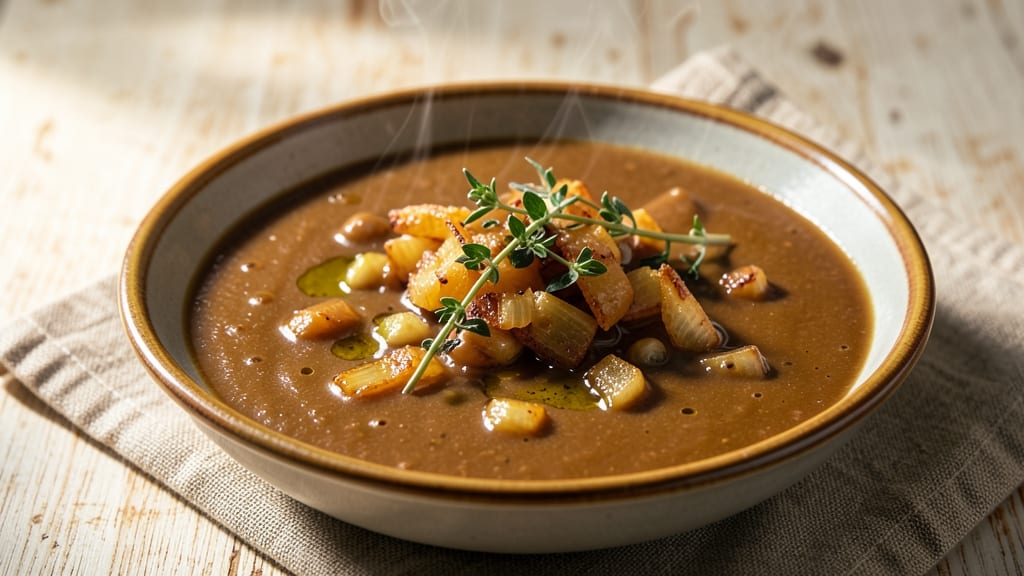
This brown rice flour gravy recipe transforms simple vegetable broth into a velvety, plant-based sauce perfect for drizzling over roasted vegetables, mashed potatoes, or vegan steaks. The secret lies in brown rice flour—its neutral flavor and high starch content create a smooth, lump-free gravy without overpowering the dish.
Unlike wheat-based thickeners, this version works for gluten-free diets while delivering restaurant-quality richness.
What sets this gravy apart is its silky texture and ability to cling to food without weighing it down. With just 15 minutes of active prep, you'll have a flavorful base that builds on sautéed aromatics—caramelized onions, garlic, and thyme—before the flour transforms it into a luxurious sauce.
Store leftovers in the fridge for up to 5 days or freeze for 3 months, making it an ideal pantry staple for quick, elegant meals.
Ingredients for brown rice flour gravy
Neutral flour meets aromatic vegetables for a gluten-free gravy with restaurant-quality richness.
| Ingredient | Amount | Notes |
|---|---|---|
| Brown Rice Flour 🌾 | ½ cup | Gluten-free, finely milled for smooth texture |
| Vegetable Broth 💧 | 4 cups | Low-sodium, homemade or store-bought |
| Yellow Onion 🧅 | 1 whole | Finely diced, caramelized for depth |
| Garlic Cloves 🧄 | 3 cloves | Minced, fresh for aromatic punch |
| Fresh Thyme Leaves 🌿 | 1 tbsp | Chopped, or 1 tsp dried thyme |
| Extra-Virgin Olive Oil 🫒 | 2 tbsp | High-quality, fruity variety |
| White Wine Vinegar 🍶 | 1 tbsp | Brightens flavor without overpowering |
| Nutritional Yeast 🧀 | 1 tbsp | For umami depth, optional but recommended |
| Salt 🧂 | ½ tsp | Diamond Crystal kosher salt preferred |
| Black Pepper 🌶️ | ¼ tsp | Freshly ground for subtle heat |
The brown rice flour is the star here—its neutral profile ensures no flavor interference while delivering a velvety texture. For best results, use finely milled flour from brands like Bob's Red Mill or Anthony's Goods, available at specialty grocery stores or online retailers. Freshness matters less than fineness; if your flour has been sitting for months, simply pulse it briefly in a spice grinder to restore smoothness. The vegetable broth should be rich but not overly salty—homemade versions with carrot, celery, and mushroom bases work beautifully, while store-bought options like Imagine or Pacific Foods provide reliable consistency.
No fresh thyme? Dried thyme at one-third the amount works in a pinch, though fresh imparts a brighter, more complex flavor. Running short on white wine vinegar? Lemon juice or apple cider vinegar are excellent substitutes, though they'll slightly alter the acid balance. The nutritional yeast adds that savory depth—skip it if you prefer a cleaner flavor profile, but include it for that unmistakable umami punch reminiscent of Parmesan. For the onions, yellow or red varieties both work, but avoid sweet onions like Vidalia—they'll dominate rather than complement. Pre-minced garlic from jars lacks freshness, so always use freshly peeled cloves for optimal aroma development.
This gravy thickens beautifully when reheated—simply whisk in 1-2 tbsp water or broth at a time until desired consistency is reached. Store in an airtight container in the fridge for up to 5 days, though the flavor actually improves after the first day as the ingredients meld. For longer storage, portion into ice cube trays, freeze, and transfer to a sealed bag for up to 3 months. The sauce reheats perfectly in the microwave or on the stovetop, making it an ideal make-ahead component for elegant meals. When drizzling over hot dishes, add the gravy just before serving to maintain its silky texture.
Why You'll Love This Recipe
- Five-Ingredient Magic: I swear, this gravy comes together with just a handful of things—no fancy pantry trips. Toss in the brown rice flour, a splash of broth, and a quick sauté of onion and garlic, then let thyme work its charm. It’s the kind of recipe where you’ll wonder why you ever made anything complicated.
- Umami Bomb: That toasted brown rice flour? It’s the secret weapon—nutty, rich, and way deeper than plain flour. The thyme and garlic give it a warm, earthy punch that clings to everything it touches, like a flavor hug you didn’t know you needed.
- Leftovers That Don’t Suck: Between us, most gravies turn into glue after day two. Not this one. The rice flour keeps it thick but silky, so it reheats like a dream—perfect for drizzling over rice bowls, roasted veggies, or even eggs the next morning. No sad, watery disappointment here.
- Budget Meal Upgrade: I make this for $3 a serving and it feels like a restaurant dish. Brown rice flour is cheap, broth is cheap, and onions/garlic/thyme stretch miles. It’s my go-to when I want something fancy without breaking the bank—or my grocery budget.
Step-by-step instructions for brown rice flour gravy
Master this gluten-free thickening technique for velvety, restaurant-quality sauces.
Caramelize the Onion and Garlic Foundation
Heat the 2 tablespoons extra-virgin olive oil in a medium saucepan over medium-low heat. Add the finely diced yellow onion and cook for 10-12 minutes, stirring occasionally, until deeply golden and sweet. This caramelization builds complex flavor that forms the base of your gravy.
When the onions are nearly done, add the 3 minced garlic cloves and cook for 30 seconds until fragrant. Watch the color carefully—garlic burns quickly. Remove from heat immediately once you detect that nutty aroma, as it will continue cooking in the broth.
Bloom the Brown Rice Flour
Return the pan to medium heat and sprinkle in the ½ cup brown rice flour all at once. Whisk vigorously for 1-2 minutes until the flour is completely incorporated and the mixture turns a pale golden color. This process, called blooming, removes the raw flour taste and creates a smooth base.
Here's the thing—don't rush this step. You'll see small bubbles forming as the flour absorbs the onion oil. When it smells nutty and looks like fine cornmeal, it's ready for the next ingredient. This ensures your gravy won't have that chalky aftertaste many gluten-free thickeners develop.
Gradually Incorporate the Broth
Slowly pour in 1 cup of the vegetable broth while whisking constantly to prevent lumps. Return to medium heat and cook for 2-3 minutes until the mixture thickens slightly. This gradual addition is crucial—adding all the broth at once creates clumps that won't dissolve.
After the initial thickening, slowly add the remaining 3 cups vegetable broth while whisking continuously. The mixture should bubble gently but not boil. If it starts to boil, reduce heat immediately—boiling breaks down the flour's thickening properties. You're aiming for a smooth, lump-free consistency at this stage.
Season and Simmer to Perfection
Add the 1 tablespoon white wine vinegar, 1 tablespoon nutritional yeast, ½ teaspoon salt, and ¼ teaspoon black pepper along with the 1 tablespoon chopped fresh thyme leaves. Stir well to combine all the flavors. This is where the umami depth comes from—the nutritional yeast adds that savory richness while the vinegar brightens the overall profile.
Return to low heat and simmer for 5-7 minutes, stirring occasionally, until the gravy reaches your desired thickness. It should coat the back of a spoon but still be pourable. For a glossier finish, whisk in 1-2 tablespoons of cold water at the end. The gravy should be silky, not pasty—this is the hallmark of properly thickened brown rice flour gravy.
Adjust Consistency and Serve
Taste and adjust seasoning if needed. If the gravy is too thick, thin it with 1 tablespoon increments of water or broth while whisking. For a richer finish, stir in 1 teaspoon of cold butter at the end—this adds body without altering the gluten-free nature.
Serve immediately over your choice of protein or vegetables. This gravy works beautifully with roasted meats, mashed potatoes, or even as a dipping sauce. The key to its success lies in the slow, controlled thickening process—rushing leads to lumps, and overcooking makes it gummy. When done right, you'll have a gravy so smooth it rivals traditional flour-based versions.
Pro Tips For Making Brown Rice Flour Gravy
- Bloom the Flour: Whisk the brown rice flour into cold broth first—always. Dumping it dry into hot liquid creates clumps that won’t dissolve, no matter how much you stir later. I learned this after watching my first batch turn into gluey blobs instead of smooth gravy.
- Sauté Onions Low: Cook the onions at medium-low heat until they’re soft but not browned—this stops them from adding bitterness to your gravy. High heat caramelizes them too fast, and suddenly your dish tastes like a sad, overcooked stew instead of a clean, aromatic base.
- Strain the Thyme: Remove thyme stems before adding leaves—unless you enjoy chewing on fibrous bits while eating. Finely chop the leaves and strain them out after simmering; this keeps the flavor without the texture. (Yes, even if you’re impatient like me.)
- Simmer, Don’t Boil: Keep the heat at a gentle simmer after thickening—boiling breaks down the starch and makes the gravy turn cloudy. A slow, steady bubble is all you need to finish it properly. Trust me, your gravy will thank you.
Troubleshooting perfect results
Lumpy Gravy Fix
If your gravy develops lumps during cooking, immediately whisk in 1-2 tablespoons of cold water or broth while stirring vigorously. The key is to work quickly—heat deactivates the flour's thickening power, so don't let it boil.
For stubborn clumps, strain through a fine-mesh sieve into a clean saucepan and reheat gently over low heat while whisking continuously. 🔥
Thickness Control
Brown rice flour thickens as it cools, so remove gravy from heat 1-2 minutes early than desired consistency. If too thick, whisk in ½ tablespoon increments of water until smooth.
For extra richness without lumps, stir in 1 teaspoon cold butter at the end—this adds body without altering texture. Always reheat gently to prevent re-thickening.
Flavor Imbalance
If your gravy tastes flat, boost umami with ½ teaspoon soy sauce or miso paste—these work even in vegan versions. For acidity, add ¼ teaspoon more white wine vinegar (or lemon juice).
Need saltiness? A pinch of kelp powder (½ teaspoon) enhances flavor without sodium. Taste as you go—brown rice flour absorbs flavors differently than wheat flour.
Storage Issues
If gravy separates after refrigeration, whisk vigorously with 1-2 tablespoons warm water before reheating. For freezer storage, cool completely first—hot gravy causes ice crystals that break down texture. Portion into ice cube trays for easy single-use servings. Reheat only until steaming (about 1-2 minutes in microwave) to preserve silky texture.
Burnt Flour Taste
This happens when flour overheats before adding broth. Always remove pan from heat briefly after blooming to cool slightly before adding liquid. For a fresh start, whisk 1 teaspoon cornstarch into 2 tablespoons cold water, then stir into gravy while simmering—this creates a smoother finish.
Lower heat to medium-low during thickening to prevent scorching.
Too Thin After Cooking
Simmer uncovered for 3-5 additional minutes to evaporate excess moisture. If still too thin, mix 1 tablespoon brown rice flour with 2 tablespoons cold water, then whisk into gravy while heating.
For immediate results, use ½ teaspoon xanthan gum (common in gluten-free baking) dissolved in water—it thickens instantly without altering flavor. 💡
Nutrition facts
Frequently asked questions
Can I substitute brown rice flour with another gluten-free thickener?
Yes, but results vary. Cornstarch or arrowroot powder work well for a neutral taste, but you'll need 1-2 tablespoons more per ½ cup since they thicken differently. For umami depth, try mushroom powder (½ teaspoon), though it alters flavor. Avoid tapioca starch—it creates a gummy texture when overcooked.
Why does my gravy taste chalky or raw?
This happens when flour doesn't bloom properly or broth isn't added gradually. Always whisk flour in oil for 1-2 minutes until golden before adding liquid. For a fresh start, whisk 1 teaspoon cornstarch into 2 tablespoons cold water, then stir into simmering gravy—this creates a smoother finish. Lower heat to medium-low during thickening to prevent scorching.
How can I make this gravy nut-free for allergies?
This recipe is already nut-free, but check your nutritional yeast label—some brands process in nut facilities. For extra safety, use ½ teaspoon white miso paste instead, which provides umami without nuts. Always verify all ingredients (especially broth and flour) for cross-contamination warnings. Store-bought vegetable broths often contain hidden allergens, so opt for certified nut-free brands when possible.
Can I use this gravy as a base for other sauces?
This versatile base works for alfredo sauce (add vegan parmesan), cheese sauce (blend with cashew cream), or holiday gravy (add sage and mushrooms). For richer flavors, reduce the broth by ½ cup and stir in 1 tablespoon tahini or 1 teaspoon smoked paprika. The brown rice flour creates a smooth foundation that handles additional ingredients beautifully.