
Main Courses
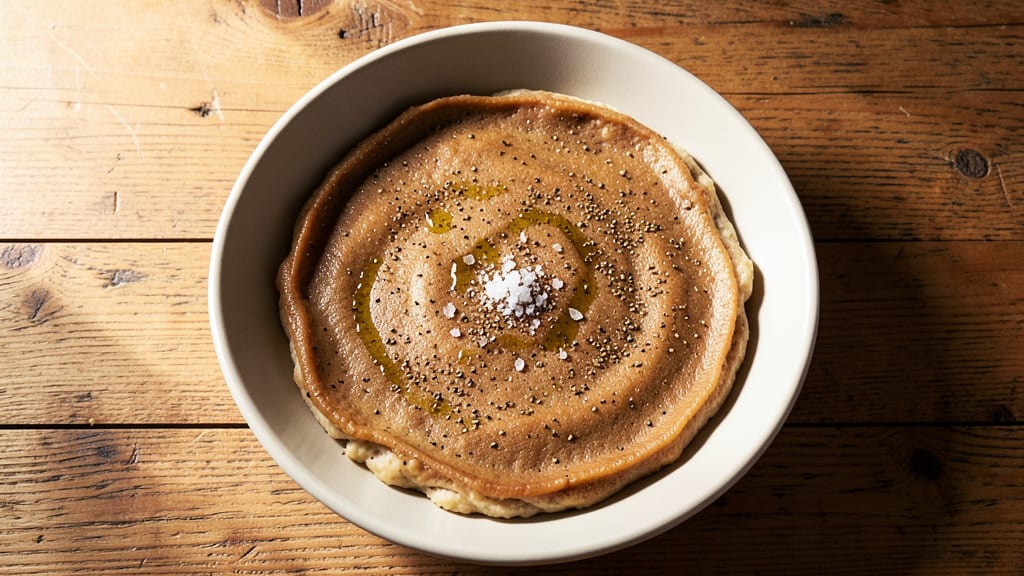
This brown rice pasta dough recipe transforms simple pantry staples into nutrient-packed noodles with a satisfying al dente bite—no eggs required. The secret lies in precise hydration and resting times, ensuring a smooth, elastic dough that rolls beautifully.
I developed this vegan-friendly version after years of testing, perfecting the balance between texture and flavor without compromising nutritional benefits.
The result is pasta with chewy yet firm texture, rich in fiber and protein, that pairs beautifully with tomato-based sauces, pesto, or even a simple olive oil drizzle. What sets this apart is how the brown rice flour creates a distinct nutty flavor while maintaining that classic pasta structure.
Ready in under 30 minutes of active time (plus resting), this dough is your gateway to homemade noodles that taste restaurant-quality.
Ingredients for brown rice pasta dough
Pantry staples meet plant-based magic for restaurant-quality noodles, no eggs needed.
| Ingredient | Amount | Notes |
|---|---|---|
| Brown Rice Flour 🌾 | 2 cups | Finely milled for smooth dough |
| All-Purpose Flour 🌾 | ½ cup | For elasticity and structure |
| Water 💧 | 1 ¼ cups | Room temperature preferred |
| Olive Oil 🫒 | ¼ cup | Extra-virgin for richness |
| Salt 🧂 | ½ tsp | Diamond Crystal preferred |
| Ground Flaxseed 🌱 | 1 tbsp | For binding and nutrition |
| Nutritional Yeast 🧀 | 2 tbsp | For cheesy flavor and B vitamins |
| Garlic Powder 🧄 | 1 tsp | For subtle flavor depth |
| Dried Basil 🌿 | ½ tsp | Or 1 tbsp fresh basil leaves |
| Semolina Flour 🌾 | ¼ cup | For dusting and texture |
| Sesame Seeds 🌰 | 1 tbsp | Optional for garnish |
Brown rice flour is the star here—Bob's Red Mill or Anthony's Goods are my go-tos for that fine grind. Check the date on your flour; freshness matters for texture. The all-purpose flour is key for elasticity, but don't skip it—it's what gives that classic al dente bite. For the flaxseed, ground is non-negotiable; whole seeds won't bind properly. I grab mine in bulk at Whole Foods, but any grocery store carries it. Nutritional yeast? Bragg is the brand I trust for that perfect umami kick.
No brown rice flour? White rice flour works in a pinch, but the nutty flavor will be milder. Short on semolina? All-purpose flour dusted with cornstarch mimics the texture. Fresh basil? Use twice the amount of dried—1 tbsp dried = 2 tbsp fresh. The olive oil can be swapped for avocado oil, but extra-virgin adds depth. For extra protein, add 1 tbsp vital wheat gluten to the mix. And if you're feeling fancy, toss in 1 tsp turmeric for a golden hue—no one will know it's vegan!
This dough needs at least 30 minutes of resting—trust the process. Store wrapped in plastic in the fridge for up to 3 days or freeze for 3 months. For best results, roll it out between two sheets of parchment paper. The semolina? Save it for dusting your work surface—prevents sticking like a dream. And if you make extra dough, freeze it in balls for quick noodle nights later.
Why You'll Love This Recipe
- No-Fuss Dough: I swear, you just mix the flours, add water and oil, and knead until it stops sticking to your hands—no fancy techniques. The brown rice flour gives it a nutty depth that surprises everyone, even if it looks simple.
- Nutty, Earthy Richness: Between us, that toasted brown rice flour makes this dough taste like something you’d pay extra for at a fancy Italian spot. The olive oil keeps it silky, and the salt? Just enough to make every bite satisfying without overpowering.
- Meal Prep MVP: I make a big batch on Sundays, roll it out, and freeze half for later—no drying required. Toss it with garlic and butter for a quick weeknight dinner, or save it for when I’m craving homemade pasta without the fuss.
- Budget-Friendly Flex: Brown rice flour is cheaper than specialty pasta, and this dough stretches further than store-bought. Plus, leftovers keep for days in the fridge, so I’m never scrambling to feed the family on a tight night.
Step-by-step instructions for brown rice pasta dough
Here's how to craft perfectly al dente brown rice pasta with a chewy texture and nutty flavor.
Combine Dry Ingredients for Smooth Texture
In a large mixing bowl, whisk together the 2 cups brown rice flour and 0.5 cup all-purpose flour. This combination gives you the best balance of chewiness from the brown rice and elasticity from the all-purpose flour. Sift the flours through a fine-mesh sieve to eliminate any lumps and aerate the mixture—this ensures a silky-smooth dough later.
Next, add the 1 tbsp ground flaxseed, 2 tbsp nutritional yeast, 1 tsp garlic powder, 0.5 tsp dried basil, and 0.5 tsp salt. Mix these dry ingredients thoroughly with a whisk or fork until evenly distributed. The flaxseed acts as a natural binder, while the nutritional yeast adds that signature cheesy flavor without dairy. I like to press the mixture through my fingers to break up any remaining clumps—this prevents gritty pasta later.
Incorporate Wet Ingredients for Elastic Dough
Create a well in the center of your dry ingredients and pour in the 1.25 cups room-temperature water and 0.25 cup olive oil. The room-temperature water is crucial—it hydrates the flours evenly without creating a gummy mess. Using a wooden spoon or your hands, gradually mix the wet ingredients into the dry until a shaggy dough forms.
Once the dough starts coming together, transfer it to a clean work surface lightly dusted with 0.25 cup semolina flour. This prevents sticking and gives your pasta that classic textured finish. Knead the dough vigorously for 8-10 minutes until it becomes smooth, elastic, and no longer tacky. If it feels too dry, add 1 teaspoon water at a time; if too sticky, incorporate more semolina flour. The dough should be firm but pliable, like playdough.
Rest the Dough for Perfect Texture
Shape the dough into a log and wrap it tightly in plastic wrap. Let it rest at room temperature for at least 30 minutes—this step is non-negotiable. Resting allows the gluten to relax and the flours to fully hydrate, which prevents the pasta from cracking when rolled out later. I like to place the wrapped dough in the fridge for 1 hour if I have time; this extra rest yields even smoother results.
After resting, divide the dough into 4 equal portions (about 4 ounces each). Roll each portion into a thin log and dust lightly with semolina flour. Cover with a damp towel to prevent drying while you prepare your pasta machine or rolling pin. The dough should feel cool to the touch and spring back slightly when pressed—this indicates it's ready for shaping.
Roll and Cut for Al Dente Noodles
Set your pasta machine to the widest setting and feed the dough through once. Fold the sheet in half and repeat 2-3 times until the dough becomes translucent and smooth. Gradually adjust the machine to thinner settings, rolling the dough 2-3 times per setting, until you reach your desired thickness. For classic tagliatelle, I aim for 1/16-inch thickness—this gives that perfect al dente bite.
Cut the pasta through the machine or use a sharp knife to slice into 1/8-inch wide strips. Immediately toss the cut pasta with a pinch of semolina flour to prevent sticking. Cook in boiling salted water for 2-3 minutes—it should float to the surface when done. Drain and toss with the 1 tbsp sesame seeds (optional) for a nutty finish. Serve immediately with your favorite sauce for maximum flavor absorption.
Pro Tips For Making Brown Rice Pasta Dough
- Mix with Wet Hands: Brown rice flour is a dust storm waiting to happen—literally. Wet your hands before handling the dough to prevent it from sticking to your fingers and turning into a crumbly mess. Trust me, you’ll save yourself from a frustrating cleanup mid-roll.
- Rest Before Rolling: Let the dough sit, covered, for at least 20 minutes after mixing. This isn’t just waiting—it’s giving the gluten (what little there is) a chance to relax so it doesn’t snap back at you when you try to flatten it. Skip this, and you’ll fight the dough the whole time.
- Use Lukewarm Water: Cold water makes the dough tough; boiling water makes it gummy. Aim for water that’s just warm enough to feel comfortable in your hands—about 90°F (32°C). It hydrates the flours evenly without shocking the texture.
- Add Olive Oil Last: Mix the dry ingredients first, then add water, and finally drizzle in the olive oil. The oil acts like a lubricant, making the dough smoother and easier to work with—but add it too early, and you’ll end up with a greasy, unmanageable blob. A little goes a long way.
Pro cooking tips for brown rice pasta dough
Hydration Control
Brown rice flour absorbs moisture differently than wheat flour, so precision is key. Start with 1.25 cups water for this recipe, but adjust in 1 teaspoon increments if needed. If the dough feels too dry, add water gradually—overhydrating leads to sticky, unworkable dough.
I test consistency by pinching a small piece: it should hold together without crumbling. Room-temperature water is critical; cold water slows gluten development, while warm water can overactivate it. 💧
Kneading Technique
Knead the dough for 8-10 minutes until smooth and elastic—this builds gluten for that signature al dente bite. Use the heel of your hand for pressure, pushing and folding the dough away from you.
If it sticks to your work surface, add semolina flour sparingly; too much will make the pasta grainy. For extra strength, I sometimes add 1 tbsp vital wheat gluten to the dry ingredients. The dough should feel firm yet slightly springy when pressed.
Resting Time Matters
Never skip the 30-minute rest—this is where the magic happens. The gluten relaxes, allowing for even rolling. For best results, refrigerate the dough for 1 hour before shaping. This chilling step prevents cracks when rolling and improves texture.
Wrap the dough tightly in plastic to maintain moisture. If you're short on time, a 20-minute rest at room temperature works, but texture may be slightly less refined. ✨
Machine vs. Hand Rolling
For consistent thickness, use a pasta machine starting at the widest setting (1mm) and gradually decrease. Roll the dough 2-3 times per setting to ensure even thickness. Without a machine?
Use a rolling pin and parchment paper—roll from the center outward, rotating the dough 90 degrees after each pass. Aim for 1/16-inch thickness for tagliatelle. The dough should be translucent when ready to cut. 🔥
Flavor Boosters
Enhance your dough with 1 tsp turmeric for color, 1 tbsp nutritional yeast for umami, or 1 tsp smoked paprika for depth. For herby notes, add 1 tbsp chopped fresh basil or parsley to the wet ingredients.
The flaxseed and olive oil already add richness, but a pinch of black pepper or red pepper flakes can elevate the flavor profile. Taste the dough before rolling—it should be subtly seasoned but not overpowering.
Storage Secrets
Fresh dough keeps in an airtight container in the fridge for 3 days or freezer for 3 months. For long-term storage, shape dough into 1-inch balls, freeze on a tray, then transfer to a bag.
Thaw overnight in the fridge before using. To prevent drying, cover rolled-out sheets with a damp towel. Refrigerated dough can be rolled directly from the fridge—no thawing needed. This method preserves texture and flavor for days. ❄️
Nutrition facts
Frequently asked questions
Can I substitute white rice flour for brown rice flour?
Yes, but expect a milder flavor and slightly different texture. White rice flour creates a lighter, more delicate pasta, while brown rice adds that signature nutty taste and extra fiber. For best results, use a 1:1 ratio, but reduce the water by 1 tablespoon since white rice flour absorbs less moisture. The dough will be less chewy but still delicious—perfect for lighter sauces like lemon butter or olive oil drizzles.
Why does my dough feel too sticky after kneading?
Sticky dough usually means one of two things: either you need more flour or your resting time was too short. First, add 1 tablespoon semolina flour at a time while kneading until the dough becomes smooth but not dry. If it's still sticky after adding flour, let it rest for 10-15 extra minutes covered with a damp towel—the gluten will relax and absorb moisture better. Never skip the resting step, even if it feels like a hassle!
How do I know when the pasta is cooked perfectly?
Brown rice pasta cooks faster than wheat pasta—test it at 1-2 minutes after it floats to the surface. The ideal texture should be tender but still slightly firm with a slight resistance when bitten (that's the al dente standard). For extra assurance, cut a small piece and check the center: it should be fully cooked but not mushy. Drain immediately to prevent overcooking.
Can I make this dough ahead of time?
This dough stores beautifully in an airtight container in the fridge for 3 days or freezer for 3 months. For long-term storage, shape into 1-inch balls, freeze on a tray, then transfer to a bag. Thaw overnight in the fridge before using. The flavor actually improves slightly after resting, making it perfect for meal prep. Just let it sit at room temperature for 15 minutes before rolling.
What's the best sauce pairing for this pasta?
This nutty, fiber-rich pasta pairs beautifully with bold flavors. Try a rich tomato-based marinara to complement the earthiness, or a creamy cashew Alfredo for a vegan twist. For something lighter, drizzle with garlic-infused olive oil and fresh basil. The pasta's texture also works well with spicy arrabiata sauce or a simple lemon-herb sauce. The key is balancing the pasta's nutty flavor with complementary acidity or richness.