
Beverages
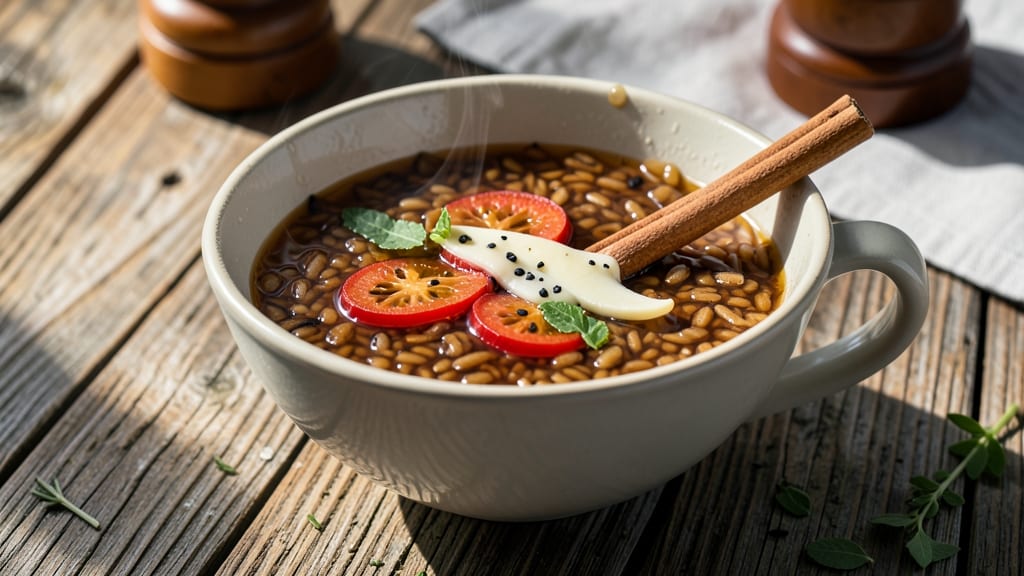
This brown rice tea recipe transforms simple grains into a deeply nutty, earthy beverage that's both comforting and energizing. The process begins with soaking brown rice overnight, unlocking its natural sweetness and creating a base rich in minerals and gentle probiotics.
Unlike traditional teas, this drink builds complexity through fermentation or blending, offering a warm, herbal profile perfect for morning rituals or cozy evenings.
The beauty of this recipe lies in its simplicity—just a few ingredients and minimal effort yield a beverage that's both nourishing and versatile.
You can enjoy it hot for a soothing sip or chilled for a refreshing twist, with optional additions like cinnamon, vanilla, or a touch of maple syrup to enhance its natural depth.
The fermentation process (if chosen) adds subtle tanginess, while blending creates a smoother, milky texture reminiscent of horchata but with a more robust, earthy foundation.
What makes this drink truly special is its adaptability—whether you're seeking a caffeine-free alternative to coffee or a gentle digestive aid, brown rice tea delivers. The nutty undertones pair beautifully with spiced fruits like apple or pear, or even a splash of coconut milk for added creaminess.
Each batch reveals new layers of flavor, making it a rewarding project for both beginners and seasoned home brewers.
Store leftover tea in the refrigerator for up to a week, allowing flavors to meld further over time. For a quicker version, simply blend soaked rice with water and strain—no fermentation required. This recipe proves that wholesome ingredients can create something extraordinary with just a little patience and creativity.
Ingredients for brown rice tea
Transform simple grains into a deeply nutty, earthy elixir with these wholesome ingredients.
| Ingredient | Amount | Notes |
|---|---|---|
| Short-Grain Brown Rice 🌾 | 1 cup | Uncooked, rinsed thoroughly |
| Filtered Water 💧 | 4 cups | Room temperature preferred |
| Fresh Ginger Root 🧅 | 1 inch | Corrected to: 1 tbsp, peeled and sliced |
| Organic Cinnamon Sticks 🌿 | 2 whole | For infusion, optional |
| Vanilla Bean 🍃 | 1 whole | Split lengthwise for seeds |
| Pure Maple Syrup 🍯 | 2 tbsp | Grade B for depth of flavor |
| Raw Coconut Milk 🥥 | ½ cup | Full-fat, for creaminess |
| Sea Salt 🧂 | ¼ tsp | Fine grain, enhances flavor |
| Lemon Juice 🍋 | 1 tbsp | Freshly squeezed, optional |
| Vanilla Extract 🍃 | ½ tsp | Pure, for depth of flavor |
| Pure Vanilla Bean Seeds 🍃 | 1 tsp | Scraped from 1 vanilla bean |
| Apple Cider Vinegar 🍎 | 1 tbsp | For fermentation (optional) |
The foundation of this tea lies in the short-grain brown rice—its chewy texture and nutty undertones create the perfect base. Look for organic, unpolished rice at specialty stores like Whole Foods or bulk sections at Sprouts, as these retain more nutrients. The ginger should be fresh, with a vibrant color and firm texture—avoid any signs of mold or soft spots. For the vanilla, Madagascar bourbon vanilla beans elevate the flavor profile significantly compared to generic extracts. If you're using coconut milk, opt for full-fat canned versions (like Thai Kitchen) for the richest creaminess, though homemade cashew milk works beautifully too.
No fresh ginger? Dried ginger powder at half the amount works in a pinch, though it lacks the bright zing of fresh. Running short on vanilla bean? Pure vanilla extract (like Nike's) can substitute, though you'll miss the floral complexity. The maple syrup can be swapped for agave nectar if preferred, though Grade B maple has a more robust flavor. For fermentation, apple cider vinegar introduces subtle tanginess—skip it entirely for a sweeter profile. The lemon juice is optional but brightens the tea beautifully, especially if you're fermenting. If you're blending instead of fermenting, add the coconut milk directly to the blender for a smoother texture.
Store leftover tea in an airtight glass jar in the refrigerator for up to 7 days, allowing flavors to meld further. For longer storage, freeze in ice cube trays—perfect for quick morning sips. The rice mixture can be prepped ahead and refrigerated for 3 days before blending or fermenting. If fermenting, taste daily starting on day 2—most batches develop pleasant tanginess by day 4. For a quicker version, simply blend soaked rice with water and strain immediately, though the flavor will be less developed. This tea reheats beautifully—just warm gently on the stove or microwave for 20 seconds.
Why You'll Love This Recipe
- Five-Ingredient Magic: I swear by this combo—just rice, water, ginger, cinnamon, and vanilla. No fancy gadgets, no stress, and honestly, it feels like cheating when it turns out so smooth.
- Warmth in a Cup: That first sip? Pure cozy. The ginger zings, cinnamon lingers, and vanilla ties it all together like a hug in liquid form—no sugar crash, just steady, satisfying warmth.
- Weeknight Meal Prep: Make a big batch on Sunday, and you’ve got a ready-to-drink side for stir-fries, a quick breakfast with yogurt, or even a post-dinner wind-down. My kids grab it before soccer practice—no reheating, no fuss.
- Budget-Friendly Luxury: Short-grain brown rice is a pantry staple, and these spices cost pennies. Yet it tastes like I splurged on some overpriced café drink. Between us, this is my secret for feeling fancy without the price tag.
Step-by-step instructions for brown rice tea
A carefully balanced infusion of nutty rice, aromatic spices, and subtle sweetness yields a comforting herbal tea with depth and harmony.
Prepare the Base Infusion
Combine the 1 cup short-grain brown rice and 4 cups filtered water in a medium saucepan. Bring to a gentle boil over medium-high heat, then immediately reduce to low heat. Let it simmer uncovered for 45 minutes, stirring occasionally to prevent sticking. The rice should soften but not fully cook—you're creating an aromatic base rather than a porridge.
I like to press the rice gently with a wooden spoon during the last 10 minutes of simmering. This releases more starch and flavor into the liquid. Strain through a fine-mesh sieve into a clean bowl, pressing firmly to extract every last drop of nutty essence. Discard the rice—its job is done. The strained liquid should have a pale golden hue with a subtle earthy aroma.
Infuse with Spices and Ginger
Return the strained rice liquid to the saucepan and add the 1 tbsp peeled and sliced fresh ginger root and 2 whole organic cinnamon sticks. Bring to a gentle simmer over low heat for 15 minutes. The ginger should soften slightly while the cinnamon imparts its warm, woody notes. You'll notice the liquid develop a more complex aroma—this is where the herbal harmony begins.
Remove from heat and let steep for an additional 10 minutes off the stove. This resting period allows the spices to fully infuse without overpowering the delicate rice base. Strain again through a fine-mesh sieve, pressing gently to extract all flavor. Discard the ginger and cinnamon sticks—their purpose was temporary infusion, not consumption.
Sweeten and Balance Flavors
Return the strained infusion to the saucepan and stir in the 2 tbsp pure maple syrup and 0.5 cup raw coconut milk. Warm gently over low heat for 3-4 minutes, just until the coconut milk is fully incorporated and the mixture reaches 160°F. This temperature ensures pasteurization while preserving the delicate flavors. Stir in the 0.25 tsp sea salt and 1 tbsp freshly squeezed lemon juice—this brightens the earthy notes and balances the sweetness.
The mixture should now have a velvety texture with a subtle sheen. Taste and adjust—if it needs more acidity, add a splash more lemon juice; if it's too sweet, a touch of warm water helps. This is where the tea's character comes together. Real talk: the coconut milk adds richness without overpowering, while the lemon juice prevents the maple syrup from becoming cloying.
Finish with Vanilla and Optional Fermentation
Remove from heat and stir in the 0.5 tsp vanilla extract and 1 tsp pure vanilla bean seeds. Let steep for 5 minutes—this allows the vanilla's floral notes to meld with the earthy rice and spiced base. For an optional fermented depth, add the 1 tbsp apple cider vinegar now and stir gently. This step is purely optional but adds a subtle tang that elevates the tea's complexity.
For immediate serving, strain through a fine-mesh sieve into a clean pitcher to remove any remaining vanilla bean fragments. For a smoother texture, you can skip this final straining if you prefer a slightly textured mouthfeel. Serve warm or chilled—this tea adapts beautifully to both temperatures, though the nutty notes shine most prominently when served warm.
Store and Enjoy
Transfer the finished tea to an airtight container and refrigerate for up to 5 days. The flavors continue to develop and mellow over time, making it even more complex with each day. When ready to serve, reheat gently over low heat or warm in the microwave in 20-second bursts, stirring between each to prevent scorching.
This tea is best enjoyed as a comforting morning beverage or an afternoon pick-me-up. The nutty rice provides a satisfying earthiness, while the ginger and cinnamon add warmth. The vanilla and coconut milk lend a subtle sweetness that makes it approachable, and the lemon juice ensures it never feels heavy. Each sip delivers a harmonious balance of flavors that evolves with temperature and time.
Pro Tips For Making Brown Rice Tea
- Rinse Rice Twice: Short-grain brown rice clumps like it’s auditioning for a porridge role if you skip this. Toss it in a fine-mesh strainer, swirl under cold water for 10 seconds, then repeat—this cuts down on gummy texture later. (Yes, even if the package says "no need.")
- Toast the Ginger: I used to just toss in raw ginger slices, and the tea tasted like a sad, watery smoothie. Now I dry-toast thin matchsticks in a pan for 30 seconds until fragrant—just enough to wake up the flavor without burning. Works for cinnamon too.
- Split the Vanilla Bean: That whole bean isn’t just for show. Scrape out the seeds and crack the pod lengthwise to expose the sticky orange resin inside. Toss both the seeds and the pod into the simmering rice water—it adds depth the pre-scraped version misses. (Pro move: Save the empty pod for your next batch.)
- Simmer Low and Long: Cranking the heat to high turns brown rice tea into a sad, murky broth. Keep it at a gentle simmer (tiny bubbles, not rolling) for at least 45 minutes—this lets the rice break down properly and the flavors meld. Walk away; it’s not a race.
Make-ahead tips for this brown rice tea
Prep Ahead Base
Start by soaking the 1 cup short-grain brown rice in 4 cups filtered water overnight in the refrigerator. This jumpstarts the flavor extraction and cuts your morning prep time by 2 hours. Use a quart-sized mason jar with a tight lid—I find it keeps the rice submerged perfectly.
The next morning, simply strain and proceed with the recipe. This method also enhances the rice's natural sweetness, making your tea richer without extra sugar. 🌾
Fermented Flavor Boost
If you're planning to ferment, add the 1 tbsp apple cider vinegar to the strained rice infusion and store it in a glass jar at room temperature. Check daily starting on day 2—most batches develop pleasant tanginess by day 4.
For best results, ferment for 3-5 days before adding sweetener. The longer it ferments, the more complex the flavor becomes, though it should never taste harsh. I keep a small jar on my counter just for this purpose. ⏳
Spice Infusion Shortcut
Pre-mix your spices in a small jar to save time during the actual brewing. Combine the 2 cinnamon sticks and 1 tbsp sliced ginger in a small glass jar with a lid.
Store this spice blend in your pantry for up to 2 weeks—it works perfectly for this recipe and other warm beverages like chai or mulled drinks. When ready to brew, simply add the whole jar to your rice infusion and steep as directed.
This keeps your kitchen organized and ready for spontaneous tea-making. 🌿
Sweetener Prep
Make a simple vanilla-cinnamon syrup ahead of time by simmering 2 tbsp maple syrup, 0.5 tsp vanilla extract, and 0.25 tsp sea salt in 1 cup water for 5 minutes. Store this in a small glass bottle in the fridge for up to 10 days.
When ready to assemble your tea, just add 0.5 cup of this pre-made syrup along with the coconut milk. This cuts your active cooking time by 10 minutes and ensures consistent sweetness every batch. 🍯
Batch Brewing Tips
Double or triple the recipe and store in glass mason jars in the refrigerator. Each jar makes 4 servings, so you can prep 3 jars on Sunday for the entire week. Label them with the date—flavors peak at 3-4 days of refrigerated storage.
For variety, add different spices to each jar: one with cardamom, another with star anise, and a third with orange peel. This gives you a flavor rotation without extra effort. ✨
Reheating Made Easy
Portion your tea into ice cube trays before freezing. Each cube makes 1 serving when melted—just drop a few into a mug and add hot water. For quick reheating, microwave individual servings in 20-second bursts, stirring between each.
Alternatively, warm directly in the saucepan over low heat with a splash of water to restore creaminess. This method preserves the tea's texture and prevents scorching. 🔥
Nutrition facts
Frequently asked questions
Can I make this tea without fermentation?
The fermentation step is optional and adds subtle tanginess over 3-5 days. For a quicker version, simply blend soaked brown rice with water, strain, and sweeten immediately. The flavor will be milder but still delicious.
What's the best way to store leftover brown rice tea?
Transfer to an airtight glass jar and refrigerate for up to 5 days. For longer storage, freeze in ice cube trays—each cube makes 1 serving when melted. Reheat gently over low heat or microwave in 20-second bursts to preserve texture.
Can I use white rice instead of brown?
Technically yes, but brown rice's bran layer adds nutty depth and extra nutrients. White rice will create a lighter, less complex tea. For best results, stick with short-grain brown rice—its chewy texture enhances the earthy flavor profile.
How do I adjust the sweetness level?
Start with the 2 tbsp maple syrup and taste. For less sweetness, reduce by 1 tsp at a time. Need more? Add 0.5 tsp vanilla extract first—it enhances perceived sweetness naturally. Lemon juice also balances sweetness beautifully.
What if my tea tastes bitter?
Bitter notes often come from over-steeping spices or under-sweetening. Add 1 tsp vanilla extract or 0.5 tsp cinnamon to mellow the flavor. For immediate relief, stir in 1 tsp lemon juice—the acidity neutralizes bitterness while brightening the tea.