
Main Courses
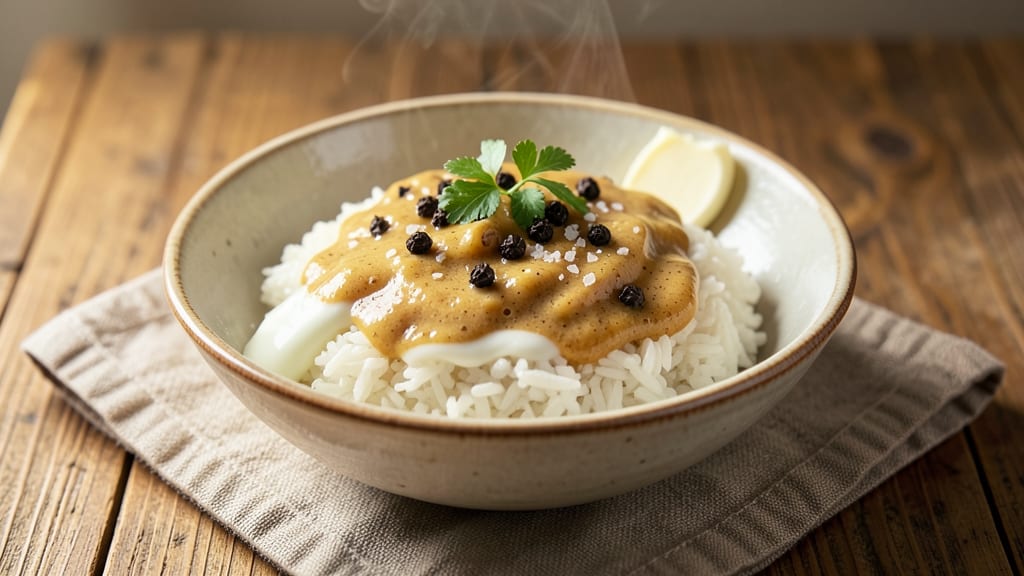
This buttermilk rice recipe transforms ordinary grains into a tangy, creamy side that pairs perfectly with fried chicken or stands alone. The secret lies in soaking the rice in buttermilk before cooking—this simple step unlocks a rich, slightly tangy texture that sets it apart from standard preparations.
No special equipment or advanced techniques are needed, just a few pantry staples and patience for the soaking process. What you’ll end up with is fluffy, golden rice with a subtle buttery tang that balances rich, savory dishes beautifully.
The buttermilk tenderizes the grains while adding depth, creating a side that’s both comforting and sophisticated. Ready in under 45 minutes, this recipe delivers restaurant-quality results with minimal effort—ideal for weeknight dinners or holiday feasts.
Ingredients for buttermilk rice
Transform ordinary rice into a luxurious side with these precise ingredients and simple techniques.
| Ingredient | Amount | Notes |
|---|---|---|
| Long-Grain White Rice 🍚 | 1 ½ cups | Uncooked, rinsed thoroughly |
| Buttermilk 🥛 | 1 ½ cups | Full-fat preferred for creaminess |
| Unsalted Butter 🧈 | ½ cup | Cold, cubed for even melting |
| Whole Milk 🥛 | ¼ cup | Warmed to enhance creaminess |
| Diamond Crystal Kosher Salt 🧂 | 1 ½ tsp | Adjust to taste after cooking |
| Freshly Ground Black Pepper 🌶️ | ½ tsp | For subtle seasoning depth |
| Garlic Cloves 🧄 | 2 cloves | Minced for aromatic base |
| Yellow Onion 🧅 | ½ cup | Finely diced for sweetness |
| Fresh Parsley 🌿 | ¼ cup | Chopped for vibrant finish |
| Water 💧 | 2 ½ cups | Filtered preferred for clarity |
| Extra-Virgin Olive Oil 🫒 | 1 tbsp | For sautéing aromatics |
The quality of your rice and buttermilk makes all the difference. Jasmine or long-grain white rice holds up best to the soaking process—avoid instant or pre-cooked varieties. For the buttermilk, full-fat works best (the fat content creates that signature creaminess), but low-fat will still deliver results. I prefer Land O'Lakes or Horizon Organic for consistent quality. The butter should be cold when added—this prevents premature melting during the soaking phase, which keeps the texture perfectly fluffy. Garlic and onion should be finely minced (almost paste-like) to ensure even distribution throughout the rice. Fresh parsley adds brightness, but dried works in a pinch at one-third the amount.
No buttermilk on hand? Mix 1.5 cups whole milk with 1.5 tbsp lemon juice or vinegar, let sit 5 minutes, then proceed. The olive oil can be swapped for avocado oil if you prefer a neutral flavor. Short on fresh parsley? Dried parsley at one-third the amount works, though it lacks the vibrant pop. The rice quantity assumes standard 1.5-cup uncooked yield—adjust water by 1:1.5 rice-to-water ratio if scaling. For extra richness, add 1 tbsp cream cheese to the buttermilk mixture before soaking, but omit from the ingredient list if keeping it traditional.
Rice and buttermilk mixture keeps 24 hours in the fridge—perfect for meal prep. The cooked rice reheats beautifully with a splash of water or milk. Store leftovers in an airtight container for 4-5 days, though texture degrades after 2 days. For freezer storage, portion into single servings and freeze for up to 3 months. Thaw overnight in the fridge before reheating. The parsley should be added fresh after reheating to maintain its vibrant color and flavor.
Why You'll Love This Recipe
- No-Stress Side Dish: I swear, this is the kind of rice that makes me forget I’m cooking. Just rinse the rice, simmer it in buttermilk and milk, and let the butter melt into creamy perfection—no stirring, no fuss, no stress.
- Tangy Creamy Magic: That buttermilk tang cuts through the richness of the butter, giving you a bright, velvety texture that’s not too heavy. Honestly, it’s the kind of flavor that makes plain rice feel like a special occasion.
- Weeknight & Potluck Star: I make this for everything—weeknight dinners, holiday tables, even packed lunches. It reheats beautifully, pairs with grilled chicken or fried fish, and honestly? Nobody ever asks what’s in it.
- Budget-Friendly Luxury: Five ingredients, minimal waste, and leftovers that taste just as good cold the next day. Between us, this is how I feed my family well without breaking the bank—especially when I stretch the rice with extra milk.
Step-by-step instructions for buttermilk rice
This method transforms ordinary rice into a velvety, tangy side dish with a rich texture that stands up to any main course.
Sauté Aromatics in Olive Oil
Heat the 1 tablespoon extra-virgin olive oil in a medium saucepan over medium heat until shimmering. Add the 0.5 cup finely diced yellow onion and cook for 3-4 minutes until translucent. This foundational step builds flavor without browning.
Add the 2 minced garlic cloves and cook for another 30 seconds until fragrant. The garlic should release its aroma but not color. Remove the pan from heat temporarily while you prepare the remaining ingredients—this prevents burning during the next step.
Toast the Rice and Build the Buttermilk Base
Return the pan to medium heat and add the 1.5 cups long-grain white rice, stirring to coat the grains evenly with the aromatic oil. Toast for 1-2 minutes until the rice becomes slightly translucent at the edges—this develops nutty undertones and prevents mushy texture.
Pour in the 1.5 cups buttermilk and stir vigorously to combine. Let the mixture simmer gently for 2-3 minutes until the buttermilk begins to thicken slightly. This step creates the signature tangy creaminess that defines this preparation.
Add Remaining Ingredients and Simmer
Stir in the 0.5 cup unsalted butter (cold, cubed) and 0.25 cup warmed whole milk, breaking the butter into small pieces as it melts. Add the 2.5 cups water, 1.5 teaspoons diamond crystal kosher salt, and 0.5 teaspoon freshly ground black pepper. Bring to a gentle boil.
Once boiling, reduce heat to low and cover the pan tightly with a lid. Let the rice simmer for 20-22 minutes until the liquid is completely absorbed and the rice is tender. Avoid lifting the lid during cooking—this maintains even heat distribution and prevents drying.
Finish and Garnish
Remove the pan from heat and let it sit covered for 5 minutes to allow steam to redistribute. Fluff the rice gently with a fork, then stir in the 0.25 cup chopped fresh parsley for brightness. The parsley should be evenly distributed throughout for visual appeal and freshness.
Taste and adjust seasoning if needed—this rice holds up well to additional salt or pepper. Serve immediately as a creamy, tangy complement to grilled meats, fried chicken, or hearty stews. The buttermilk base creates a luxurious texture that elevates simple dishes to restaurant quality.
Pro Tips For Making Buttermilk Rice
- STIR THE BUTTERMILK MIX FIRST: Whisk the buttermilk and whole milk together before adding the rice—this prevents clumping and ensures the dairy blends smoothly. I learned this the hard way when my first batch looked like lumpy glue. A quick 10-second stir with a fork makes all the difference.
- USE A 1:1.5 RATIO FOR LIQUID TO RICE: For long-grain white rice in this recipe, aim for 1.5 cups liquid per 1 cup rice—not the 2:1 ratio you might see elsewhere. The buttermilk thickens as it heats, so less liquid keeps the texture creamy without turning mushy. (Yes, even if the recipe says otherwise—trust the math.)
- SALT THE WATER FIRST, THEN THE MIX: Dissolve all your Diamond Crystal salt in the initial water before adding the rice-buttermilk slurry. If you wait, the kosher salt’s texture can create uneven pockets of saltiness. A pinch in the water, another in the butter at the end—balance is key.
- LET THE RICE REST OFF HEAT: After the rice finishes cooking, turn off the heat and let it sit covered for 5 minutes. This lets the buttermilk’s tang settle and the starches thicken properly. I used to peek too soon, and the rice always ended up dry. Patience here = creamy perfection.
Troubleshooting your buttermilk rice
Buttermilk Too Thin?
If your buttermilk mixture feels too thin before cooking, reduce the liquid slightly by simmering it uncovered over low heat for 2-3 minutes. This thickens the base without curdling.
For extra richness, whisk in 1 tablespoon cream cheese or 2 tablespoons sour cream—this stabilizes the texture while adding depth. 🥛
Rice Turned Mushy?
Overcooking is the usual culprit. Start checking for doneness 2 minutes early—20 minutes total is ideal for 1.5 cups uncooked rice. If it’s still undercooked, cover with a damp towel and let it steam for 5 more minutes.
For next time, use 1:1.25 rice-to-water ratio instead of 1:1.5 to ensure proper absorption.
Grainy or Uneven Texture?
Uneven cooking often means the rice wasn’t evenly distributed. Stir once after adding the buttermilk to break up clumps, then avoid stirring again until the very end. If grains are hard, your heat was too high—stick to low simmer after boiling.
For extra fluffiness, spread the rice on a tray after cooking to cool slightly before fluffing.
Buttermilk Curdled?
This happens when heat is too high or acidic ingredients (like vinegar substitutes) are added too quickly. If it curdles during cooking, whisk in 1 tablespoon cold butter or 1 tablespoon neutral oil to smooth it out.
To prevent it, warm the buttermilk gently (no higher than 120°F) before adding to the rice. For a backup, use plain yogurt (full-fat) instead of buttermilk—it’s more stable at high temps.
Dry or Crunchy After Cooking?
This usually means the rice absorbed too much liquid. Next time, reduce water by ¼ cup (use 2 cups instead of 2.5 cups). If it’s already cooked, sprinkle 1 tablespoon warm milk or water over the rice, cover, and let it steam for 5 minutes.
For prevention, cover the pot tightly with a lid and avoid peeking during cooking—steam is your friend here! 🌡️
Lacking Tangy Flavor?
Buttermilk’s tang fades if overcooked or diluted. To boost flavor, add 1 teaspoon lemon juice or ½ teaspoon apple cider vinegar to the buttermilk before soaking. For extra depth, stir in 1 tablespoon grated Parmesan or ½ teaspoon smoked paprika after cooking.
If the rice tastes bland, it might need more salt—adjust to taste with Diamond Crystal kosher salt (it’s less salty than table salt).
Nutrition facts
Frequently asked questions about buttermilk rice
Can I use buttermilk powder instead of liquid buttermilk?
For 1.5 cups of liquid buttermilk, mix 3 tablespoons buttermilk powder with 1.5 cups warm water. Let it sit for 5 minutes to thicken before using. The texture will be slightly lighter, but the tangy flavor remains. This is a great pantry solution for long-term storage.
What's the best rice variety for this recipe?
Long-grain white rice or jasmine rice work best—they hold up well to soaking and maintain a distinct texture. Avoid instant rice or short-grain varieties like sushi rice, as they absorb too much liquid and become mushy. For extra fluffiness, rinse the rice 2-3 times before cooking to remove excess starch.
How can I make this recipe dairy-free?
Replace the buttermilk with 1.5 cups unsweetened almond milk mixed with 1.5 tablespoons lemon juice or vinegar, let it curdle for 5 minutes. Use dairy-free butter or coconut oil instead of butter, and swap whole milk for a neutral plant-based milk. The texture will be lighter but still creamy.
Can I make this ahead of time?
Yes! Cook the rice completely, then spread it on a tray to cool. Store in an airtight container in the fridge for 4-5 days or freeze for 3 months. Reheat in the microwave with 2 tablespoons water per cup, covered, for 2-3 minutes. Stir in fresh parsley after reheating to restore brightness.
Why does my buttermilk rice turn out bland?
Blandness usually comes from insufficient seasoning or overcooking. Ensure you're using Diamond Crystal kosher salt (it's less salty than table salt) and taste as you go. For extra depth, add ½ teaspoon smoked paprika or 1 tablespoon grated Parmesan at the end. Don't skip the parsley—it adds freshness that balances the richness.