
Soups & Stews
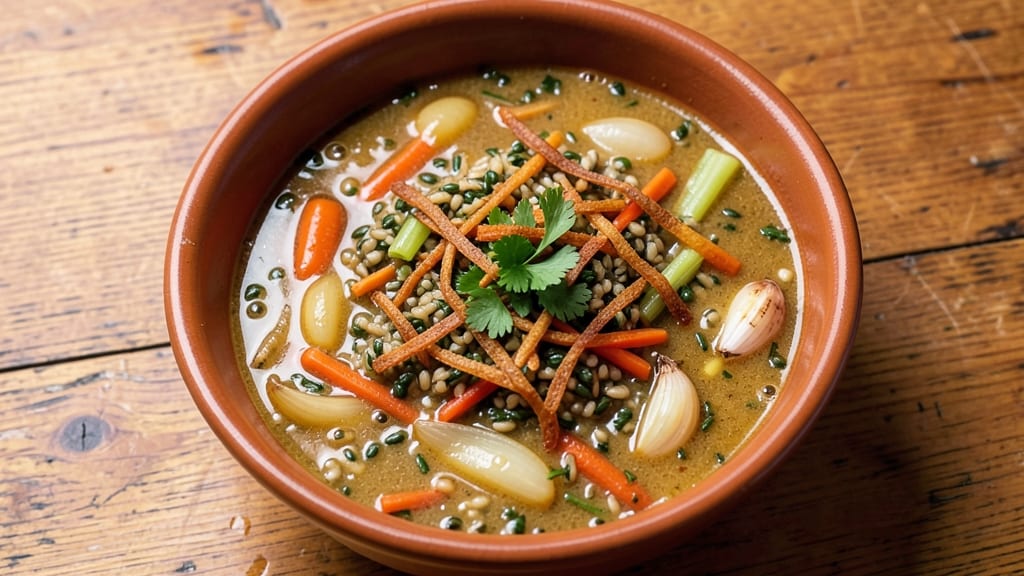
Byerly's Minnesota wild rice soup delivers the hearty, comforting flavors of the Northwoods in every spoonful. The secret lies in slow-simmered broth infused with smoky herbs and Byerly's wild rice blend, creating a perfect harmony of nutty grain and savory depth that defines Minnesota cuisine.
This traditional recipe transforms simple ingredients into a restaurant-quality bowl that warms both body and soul.
The magic happens through careful layering: first building a rich, herb-infused broth, then adding the wild rice and vegetables to develop their full flavor during the 45-minute simmer. The result is a velvety soup with tender wild rice, caramelized onions, and just the right balance of smoky and earthy notes.
Perfect for chilly evenings or holiday gatherings, this soup pairs beautifully with crusty bread to soak up every last drop.
Ingredients for byerlys minnesota wild rice soup
The heart of Minnesota's wild rice tradition begins with these 14 essential ingredients.
| Ingredient | Amount | Notes |
|---|---|---|
| Byerly's Wild Rice Blend 🌾 | 1 ½ cups | Uncooked, rinsed thoroughly |
| Chicken Broth 💧 | 6 cups | Low-sodium, homemade preferred |
| Carrots 🥕 | 1 ½ cups | Medium, sliced into rounds |
| Yellow Onions 🧅 | 2 whole | Medium, thinly sliced |
| Celery Stalks 🌿 | 3 whole | Medium, chopped into 1/4-inch pieces |
| Garlic Cloves 🧄 | 4 cloves | Fresh, minced finely |
| Fresh Thyme Sprigs 🌿 | 2 whole | Stems removed, leaves chopped |
| Fresh Sage Leaves 🌿 | ½ cup | Chopped finely, stems removed |
| Smoked Paprika 🌶️ | 1 tsp | Sweet, high-quality |
| Ground Black Pepper 🌶️ | ½ tsp | Freshly ground preferred |
| Bay Leaves 🍃 | 2 whole | Dried, standard size |
| Unsalted Butter 🧈 | 2 tbsp | Cold, cubed for caramelizing |
| Kosher Salt 🧂 | 1 ½ tsp | Diamond Crystal preferred |
| Heavy Cream 🥛 | ½ cup | Full-fat for richness |
The Byerly's wild rice blend is non-negotiable here—its nutty depth defines the soup's character. Grab a 16-ounce bag from specialty stores or well-stocked grocery sections; avoid pre-cooked blends which lack texture. Fresh thyme and sage from local farmers markets elevate the smoky notes, but dried works in a pinch (use half the amount). Caramelizing the onions in butter creates that signature sweetness—don't rush this step. For the broth, homemade chicken stock delivers unmatched depth, but quality low-sodium store-bought brands like Pacific Foods work admirably when time is limited.
No fresh thyme? Dried thyme at half the quantity suffices, though the aroma won't be identical. Substitute smoked paprika with liquid smoke (1/4 tsp) if unavailable, but taste first—it's potent. The heavy cream can be swapped for coconut milk for a dairy-free version, though texture will differ slightly. Celery stalks should be crisp—wilted ones will make the broth bitter. For a vegetarian adaptation, replace chicken broth with mushroom broth and add 1 tbsp nutritional yeast for umami depth. The wild rice blend is gluten-free by nature, but always check packaging for cross-contamination warnings if sensitive to gluten.
Store uncooked wild rice in an airtight container in a cool, dark pantry for up to 1 year. Fresh herbs keep best wrapped in damp paper towels in the fridge for 5 days. The finished soup reheats beautifully—simmer gently on low heat, stirring occasionally, until steaming. For make-ahead convenience, cool completely before refrigerating in airtight containers for 4 days or freezing for 3 months. Portion into individual containers for easy reheating; add a splash of broth when reheating to restore creaminess. The flavor actually improves after 24 hours as ingredients meld.
Why You'll Love This Recipe
- One-Pot Magic: I swear by this soup—just toss everything into a pot (no fancy steps), and Byerly’s wild rice does the rest. The rice swells up perfectly while the veggies soften, so you’re not stuck stirring or chopping for hours.
- Earthy & Rich: That Byerly’s blend? It’s the star—nutty, chewy, and packed with texture. The chicken broth turns it into something heartier than your average rice soup, and the carrots add just enough sweetness to balance it all.
- Meal Prep MVP: Make a big batch on Sunday, and you’ve got lunch for days. It reheats beautifully, and honestly? The flavor gets even better after a night in the fridge—my freezer’s always stocked with portions for lazy days.
- Budget-Friendly Staple: Wild rice might sound fancy, but Byerly’s blend stretches so far. A single bag feeds my family for weeks, and the veggies? They’re cheap, seasonal, and you can swap them out without breaking the bank. Win-win.
Step-by-step instructions for Byerly's Minnesota wild rice soup
Master this Minnesota classic with a perfect balance of smoky herbs and nutty wild rice.
Sauté the Aromatic Vegetable Base
Heat a large Dutch oven over medium-low heat and add the 2 tablespoons unsalted butter. Once melted, add the 2 whole yellow onions and 3 whole celery stalks, cooking for 8-10 minutes until the vegetables soften and begin to release their sweet aroma. You'll notice the onions turn translucent and the celery slightly wilted—this foundational step builds the soup's depth.
Add the 1.5 cups carrots and continue cooking for another 5 minutes until the carrots begin to soften. The vegetables should be tender but not browned—this ensures they dissolve into the broth rather than create a thick, chunky texture. Stir occasionally to prevent sticking, as the butter will caramelize slightly at the bottom of the pot.
Toast the Wild Rice and Build Herb Complexity
Increase heat to medium and add the 1.5 cups Byerly's Wild Rice Blend, stirring to coat the grains in the butter and vegetable mixture. Toast the rice for 2-3 minutes until it becomes fragrant and slightly golden—this step enhances the nutty flavor of the wild rice and prevents a raw taste in the finished soup.
Add the 6 cups chicken broth, 1 teaspoon smoked paprika, 0.5 teaspoon ground black pepper, 2 whole bay leaves, the 2 whole fresh thyme sprigs, and 0.5 cup fresh sage leaves. Bring to a gentle boil, then reduce heat to low and cover partially. Simmer for 30 minutes without stirring—this allows the rice to absorb the broth evenly and develop its characteristic chewy texture.
Season and Finish with Creamy Richness
After 30 minutes, check the rice—it should be tender but still have a slight bite. If it's not fully cooked, continue simmering for another 5-10 minutes. Remove the bay leaves and thyme sprigs (discard them) and stir in the 1.5 teaspoons kosher salt, adjusting to taste. The soup should now be richly seasoned with a subtle smokiness from the paprika and herbal notes from the fresh sage and thyme.
Reduce heat to low and gently stir in the 0.5 cup heavy cream. Simmer for an additional 3-5 minutes until the soup reaches a velvety consistency. The cream should blend smoothly without curdling—if it thickens too much, add a splash of the reserved cooking liquid. Taste and adjust seasoning one final time, ensuring the salt and pepper balance the cream's richness.
Rest and Serve for Optimal Texture
Remove the soup from heat and let it rest for 10 minutes. This resting period allows the flavors to meld and the rice to fully hydrate, resulting in a soup with a perfect balance of texture—creamy from the broth and cream, yet still offering the satisfying bite of wild rice.
Serve the soup hot, garnished with additional fresh sage leaves if desired. The finished dish should have a deep, aromatic aroma with layers of smoky, herbal, and nutty flavors. Each spoonful should deliver a harmonious blend of the Minnesota wild rice's earthy notes and the creamy, savory broth.
Pro Tips For Making Byerlys Minnesota Wild Rice Soup
- Sweat the Veggies: Cut onions, carrots, and celery into even ¼-inch dice—no bigger—and cook them in a dry pot for 5 minutes on medium-high before adding broth. This draws out their natural sugars and builds flavor without burning. (Yes, even if you’re impatient like me, resist the urge to rush this.)
- Toast the Wild Rice: After adding broth, bring the soup to a boil, then immediately reduce heat to a gentle simmer. Let the Byerly’s blend cook uncovered for the first 10 minutes—this toasts the rice, deepening its nutty flavor. Cover only after that, or you’ll end up with a gummy mess.
- Skip the Overcrowding: If your pot looks packed after adding all the veggies, reduce the broth by ¼ cup first. Crowding steams the vegetables instead of sautéing them, and that dulls the whole soup. A little less liquid upfront means better flavor and no last-minute watering-down.
- Salt in Stages: Taste the broth after the veggies sweat but before adding rice—season it now with ½ tsp salt. The Byerly’s blend absorbs flavor like a sponge, so adding salt later just makes the rice bland. (Pro move: Use half the recipe’s total salt here, then adjust at the end.)
Wine and beer pairings for this recipe
Crisp White Wine
This soup's creamy, herbal profile pairs beautifully with a dry Riesling from the Finger Lakes region. The wine's bright acidity and subtle honeyed notes cut through the richness while complementing the wild rice's earthiness.
I love Dr. Konstantin Frank Riesling—its crisp finish mirrors the soup's clean, smoky character. Serve slightly chilled to enhance the contrast. 🍷
Malty Amber Ale
For beer lovers, a Minnesota amber ale like Surly Furious bridges the gap between the soup's herbal depth and the wild rice's nuttiness. The ale's caramel malt notes echo the caramelized onions, while its light bitterness balances the creaminess. Avoid heavy IPAs—they'll overpower the delicate flavors. 🍺
Cider Pairing
An unfiltered hard cider with apple and pear notes adds a refreshing twist. Angry Orchard Crisp Apple works perfectly—its slight tartness refreshes your palate between spoonfuls. The cider's subtle sweetness also enhances the wild rice's natural nuttiness. Serve at room temperature for best results. 🍎
Herbal Tea Alternative
For a non-alcoholic option, try hibiscus tea infused with a cinnamon stick. The tea's tart, floral notes complement the soup's smoky herbs while adding a warm, comforting dimension. Brew a strong batch and serve warm—it's a Minnesota winter staple. 🌿
Seasonal Adaptations
In summer, swap the heavy cream for sparkling water and serve with a Sauvignon Blanc to keep things light. During holidays, pair with a Minnesota-made bourbon like Lakefield Distillery—the oak notes harmonize with the wild rice's depth. Always match the beverage's intensity to the soup's richness. ✨
Nutrition facts
Frequently asked questions
Can I substitute regular rice for Byerly's wild rice blend?
Never! Byerly's wild rice blend is essential for that authentic Minnesota flavor and texture. Regular white or brown rice lacks the nutty depth and chewy bite that makes this soup special. If you must substitute, try a mix of brown rice and wild rice (50/50), but expect a different flavor profile.
How do I prevent the soup from getting too thick?
Add a splash of broth or water when stirring in the heavy cream if it thickens too much. For best results, simmer the soup uncovered for the final 5 minutes to allow excess moisture to evaporate naturally. The wild rice should be tender but still have a slight bite—overcooking causes it to break down and thicken the broth.
Can I make this soup vegetarian?
Yes! Replace the chicken broth with mushroom or vegetable broth and add 1 tbsp nutritional yeast for umami depth. For extra richness, stir in 2 tbsp olive oil when sautéing the vegetables. The wild rice's earthy flavor will shine even without meat, but the soup will have a slightly lighter texture.
Why does my wild rice taste bitter?
Bitter wild rice usually means it wasn't toasted long enough or the broth wasn't properly seasoned. Toast the rice for 2-3 minutes until fragrant and golden before adding liquid. Also, ensure you're using enough smoked paprika (1 tsp) and salt (1.5 tsp)—these balance the natural bitterness. Fresh herbs (especially sage) also help counteract bitter notes.
How long can I store leftovers?
Refrigerate leftovers in an airtight container for up to 4 days. For longer storage, freeze in portion-sized containers for 3 months. When reheating, add a splash of broth to restore creaminess—microwaving can make the soup too thick. The flavor actually improves after 24 hours as ingredients meld!