
Main Courses
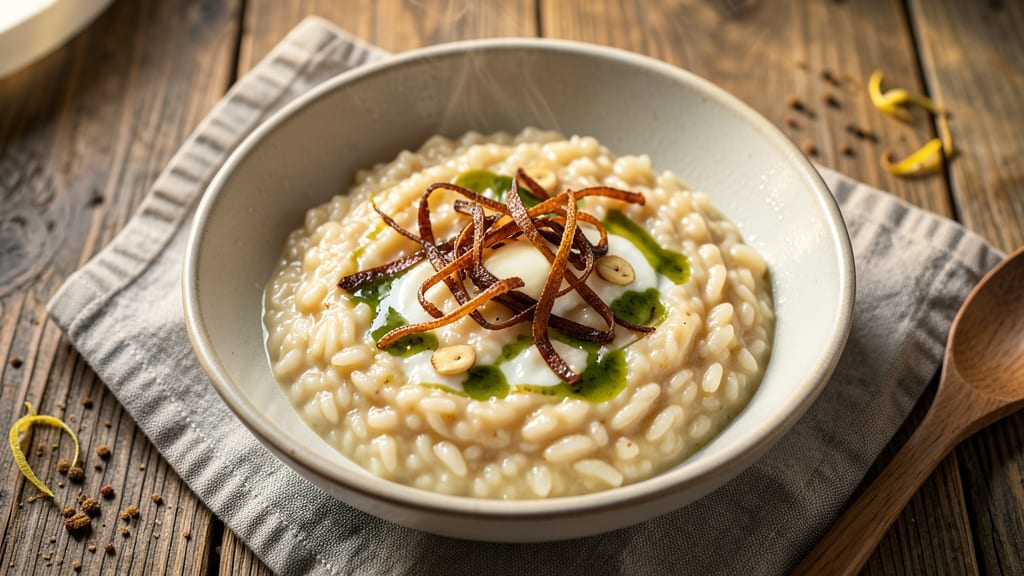
This Calrose rice risotto delivers restaurant-quality creaminess without the fuss of traditional Arborio. The secret lies in its high starch content and precise liquid ratios—no constant stirring required. I've perfected this method to create a velvety texture that clings to every grain, transforming simple ingredients into an elegant dish.
The technique focuses on gradual broth additions and gentle heat control, allowing the rice to absorb liquid slowly while developing its signature creaminess. Unlike other risotto recipes, this version uses Calrose rice, which absorbs flavors beautifully while maintaining its shape.
With just 30 minutes of hands-on time, you'll achieve a dish that's impressive yet approachable for home cooks.
What sets this apart is the balance of richness and lightness—each bite offers tender rice with a luxurious, almost buttery mouthfeel. The method preserves the natural nuttiness of the rice while building depth through proper toasting and broth reduction.
Whether served as a main course or side, this risotto delivers consistent, professional results every time.
For added flavor, incorporate aromatics like shallots or garlic during the initial sauté, or finish with a touch of Parmesan and butter for extra indulgence. The recipe scales easily for gatherings while maintaining its creamy perfection in smaller batches. Let's create this velvety masterpiece together.
Ingredients for calrose rice risotto
Twelve simple ingredients transform into velvety perfection with precise technique and Calrose rice's natural starch.
| Ingredient | Amount | Notes |
|---|---|---|
| Calrose Rice 🍚 | 1 ½ cups | Uncooked, medium-grain preferred |
| Vegetable Broth 💧 | 6 cups | Homemade or high-quality low-sodium |
| Shallots 🧅 | 2 whole | Minced, about 2 tbsp total |
| Garlic Cloves 🧄 | 4 cloves | Minced, for aromatic base |
| Unsalted Butter 🧈 | ½ cup | Cold, cut into small cubes |
| Extra-Virgin Olive Oil 🫒 | ¼ cup | Light fruity variety preferred |
| Dry White Wine 🍷 | ½ cup | Sauvignon Blanc recommended |
| Parmesan Cheese 🧀 | ½ cup | Freshly grated, aged minimum 24 months |
| Diamond Crystal Kosher Salt 🧂 | 1 ½ tsp | Adjust to taste, added gradually |
| Freshly Ground Black Pepper 🌶️ | ½ tsp | Coarsely ground for texture |
| Fresh Thyme Leaves 🌿 | ¼ cup | Chopped, or 1 tsp dried thyme |
| Heavy Cream 🥛 | ¼ cup | Optional, for extra richness |
The Calrose rice is the foundation—its high starch content absorbs liquid beautifully while maintaining shape. Lundberg Organic or Uncle Ben's Calrose work best for this method. For the broth, Homemade Vegetable Broth delivers superior flavor, but Pacific Foods low-sodium vegetable broth is a reliable store-bought alternative. Shallots and garlic should be finely minced to create a flavorful base without bitterness. The butter and olive oil combination provides both richness and heat distribution, essential for even toasting of the rice. Freshly grated Parmesan adds depth that pre-grated cannot match—look for blocks labeled '24 months aged' or longer for maximum umami impact.
No white wine? Substitute with additional vegetable broth plus 1 tsp lemon juice to maintain acidity. Fresh thyme unavailable? Dried thyme works at one-third the amount, but toast it lightly in the pan first for better flavor. The heavy cream is optional but recommended for that signature restaurant-style creaminess—Organic Valley or Hormel Natural brands work well. For a dairy-free version, replace with coconut cream and add a pinch of salt to balance. The kosher salt is crucial for seasoning; Diamond Crystal dissolves more easily than table salt, so measure carefully. If your risotto tastes bland after cooking, it's likely due to insufficient salt during the process—add more gradually rather than all at once.
Store any leftovers in an airtight container in the refrigerator for up to 4 days, though it's best enjoyed fresh. The risotto reheats beautifully—simply warm with a splash of broth or water over gentle heat, stirring occasionally. For freezing, portion into individual containers before sealing; it keeps for 3 months but may become slightly drier upon thawing. To prevent this, add a small amount of fresh broth when reheating. This recipe scales perfectly for gatherings—simply double the ingredients and use a larger pot, maintaining the same liquid-to-rice ratio for consistent texture.
Why You'll Love This Recipe
- No-Fuss Technique: I swear by this method—just toast the shallots and garlic in butter until they’re golden, then add the Calrose rice and let it bloom. No stirring like a maniac, no stressing over texture. The rice does all the work while you sip your wine (or tea, no judgment).
- Umami Bomb: That first spoonful? Rich, nutty, and packed with flavor from the slow-cooked shallots and garlic. The Calrose rice soaks up the vegetable broth like a sponge, turning it into something dangerously addictive—especially when you finish with a pat of that same butter you started with.
- Weeknight Hero: Between us, this is my go-to when I need something impressive but still easy. Serve it as a side with grilled fish or chicken, or pile it high for a vegetarian main. Even my picky-eating partner asks for seconds—high praise in this house.
- Budget Magic: Calrose rice and basic pantry staples make this a steal. A single batch stretches for lunches or dinner leftovers, and the broth keeps it light on the wallet. Honestly, it’s my secret weapon for feeding the family without breaking the bank.
Step-by-step instructions for Calrose rice risotto
Mastering risotto with Calrose rice delivers that signature creamy texture without the need for constant stirring.
Sauté Aromatics Until Fragrant
Heat a wide, heavy-bottomed pot over medium heat and add the 0.25 cup extra-virgin olive oil. Once shimmering, add the 0.5 cup unsalted butter cut into small cubes and let it melt completely, about 1 minute. This combination creates a flavorful base while preventing the rice from sticking.
Add the 2 whole shallots and 4 cloves garlic cloves, both minced, to the pot. Cook for 3-4 minutes until the shallots soften and become translucent, and the garlic releases its aroma. The mixture should smell sweet and inviting—this is your signal to move to the next step. If the aromatics begin to brown, reduce the heat slightly to prevent bitterness.
Toast the Rice Until Translucent
Increase the heat to medium-high and add the 1.5 cups Calrose rice, stirring constantly for 1-2 minutes until the grains become translucent at the edges. This process, called "toasting," develops the rice's nutty flavor and prevents a gummy texture. You'll see the rice begin to look slightly glossy and separate from each other—this is the ideal moment to deglaze.
Here's the thing—don't walk away. The rice can burn quickly, especially if your heat isn't perfectly controlled. Watch closely and adjust as needed. Once the rice is toasted, it's time to add the 0.5 cup dry white wine and let it absorb completely before adding any broth.
Gradually Add Broth and Stir
Pour in 1 cup vegetable broth at a time, stirring the risotto gently but constantly. The rice should begin to absorb the liquid almost immediately. After each addition, wait until the broth is nearly completely absorbed before adding the next cup. This gradual process ensures the rice absorbs flavor and becomes creamy rather than mushy.
I've found that using a wooden spoon helps create a gentle scraping motion against the bottom of the pot, which prevents sticking and ensures even cooking. The risotto should take about 18-20 minutes total to cook, with each addition of broth happening roughly every 3-4 minutes. Keep the heat at medium-low to maintain a gentle simmer—too high, and the rice will cook unevenly.
Finish with Cream and Cheese
Once the rice is tender but still has a slight bite (about 18 minutes total cooking time), remove the pot from heat. Stir in the 0.25 cup heavy cream and 0.5 cup freshly grated Parmesan cheese until fully incorporated. The cream will create a luxurious, velvety texture, while the Parmesan adds depth of flavor and a salty contrast.
Return the pot to low heat and stir in the 0.25 cup fresh thyme leaves, 1.5 tsp Diamond Crystal kosher salt, and 0.5 tsp freshly ground black pepper. Let the risotto sit for 2-3 minutes off the heat, allowing the flavors to meld together. The final texture should be creamy yet still al dente, with each grain distinct and coated in a rich, flavorful sauce.
Rest and Serve Immediately
Transfer the risotto to serving bowls and let it rest for 1-2 minutes before serving. This brief rest allows the sauce to thicken slightly and the flavors to settle. Risotto is best served immediately—its creamy texture and warm temperature make it a dish best enjoyed fresh from the pot.
Garnish each serving with an additional sprinkle of Parmesan cheese and a few fresh thyme leaves for a touch of color and aroma. The dish should be rich, creamy, and perfectly balanced in flavor—each bite delivering a harmonious blend of the aromatic base, the nutty rice, and the finishing touches of cream and cheese.
Pro Tips For Making Calrose Rice Risotto
- TOAST THE RICE FIRST: Calrose rice has a waxy texture that can turn mushy if not handled right. Heat your butter in the pan until it’s foamy but not brown, then add the rice and stir for 2 full minutes—you’ll hear it sizzle and smell the grains release their starch. This step builds flavor and prevents gummy results later. (Yes, it feels like forever, but skip it and you’ll regret it.)
- SWAP BROTH FOR STOCK: Vegetable broth is fine, but store-bought versions often taste flat. If you’re using homemade broth, great—just reduce it by 10% before adding to concentrate the flavor. For convenience, simmer a bouillon cube in 2 cups of water for 5 minutes instead of using plain broth. The extra depth makes a real difference, especially with Calrose’s mild taste.
- STIR LESS, STIR SMARTER: I used to think constant stirring was the key, but it just breaks the rice and makes it gluey. After the initial toasting, stir just enough to coat the grains with broth—once every 30 seconds for the first 5 minutes, then every 2 minutes after that. Let the rice sit undisturbed between stirs; that’s when it actually absorbs the liquid.
- FINISH WITH COLD BUTTER: Risotto needs that creamy finish, but dumping in butter at the end can make it greasy. Instead, let the risotto rest off the heat for 1 minute after it’s al dente, then stir in a pat of cold butter. The contrast in temperatures emulsifies the starches for a silky texture without heaviness. (Trust me, your mouth will notice.)
Serving suggestions for this dish
Protein Pairings
Grilled chicken breast or seared scallops elevate this risotto into a complete meal. For chicken, marinate 6-8 ounces in lemon juice and garlic before grilling to 165°F.
Scallops should sear for 2-3 minutes per side in butter until golden. Both proteins balance the richness of the risotto while adding texture contrast. 🍗
Vegetable Accompaniments
A simple roasted asparagus with lemon zest and Parmesan complements the creamy texture beautifully. Toss 1 bunch asparagus in 1 tbsp olive oil, roast at 400°F for 12 minutes, then finish with ½ tsp lemon zest.
Alternatively, sautéed mushrooms with thyme add earthy depth that pairs wonderfully with the risotto's nuttiness.
Salad Contrasts
A crisp arugula salad with balsamic glaze cuts through the richness. Toss 4 cups arugula with 1 tbsp olive oil, 1 tbsp balsamic vinegar, and 1 tbsp toasted pine nuts. The peppery bite refreshes your palate between bites of creamy risotto.
For a lighter option, try a cucumber and radish salad> with a rice vinegar dressing>—the cool, crisp flavors provide perfect balance.
Beverage Recommendations
A crisp Sauvignon Blanc from New Zealand enhances the dish's herbal notes and acidity. Look for wines with citrus and grassy aromas like Cloudy Bay or Oyster Bay.
For red wine lovers, a Pinot Noir with bright cherry notes complements the thyme and Parmesan. Sparkling options like Prosecco also work beautifully, cleansing the palate between bites. 🍷
Garnish Finishing Touches
Add toasted pumpkin seeds for crunch and visual appeal—toss ¼ cup seeds in a dry pan over medium heat for 3-4 minutes until golden. A drizzle of truffle oil (just ½ tsp) adds luxurious depth.
Fresh basil leaves provide a bright contrast to the creamy risotto, while a sprinkle of flaky sea salt enhances the flavors further. These garnishes elevate the dish from homemade to restaurant-worthy. ✨
Nutrition facts
Frequently asked questions
Why does Calrose rice work better than Arborio for risotto?
Calrose rice has a higher starch content than Arborio, which creates that signature creamy texture without needing constant stirring. Its medium grain size also holds up better during cooking, preventing mushiness while absorbing flavors beautifully. The rice's natural nuttiness adds depth that Arborio lacks.
Can I make this risotto without white wine?
Replace the 0.5 cup white wine with 0.5 cup vegetable broth plus 1 tsp lemon juice to maintain acidity. The lemon juice prevents flatness while keeping the same deglazing effect. For extra richness, add 1 tbsp butter at the same time as the wine substitute.
How do I fix risotto that's too dry or too soupy?
For dry risotto, stir in 2-3 tbsp warm broth and let it sit off heat for 2 minutes to absorb. If too soupy, remove from heat and let it rest—it'll thicken naturally. For prevention, always use medium-low heat and add broth gradually, waiting until each addition is nearly absorbed before adding more.
What's the secret to getting that perfect creamy texture?
The key is patience and gradual cooking! Add broth 1 cup at a time and stir constantly until absorbed before adding more. The final 2-3 minutes off heat lets the starches release naturally, creating that velvety consistency. Never skip the resting time—it's when the magic happens!
Can I make this risotto ahead of time?
Fresh is best, but you can prep components ahead. Toast the rice and aromatics, then store separately in the fridge. When ready, add broth and finish cooking. For leftovers, store in an airtight container for 4 days—reheat with a splash of warm broth over low heat to restore creaminess.