
Main Courses
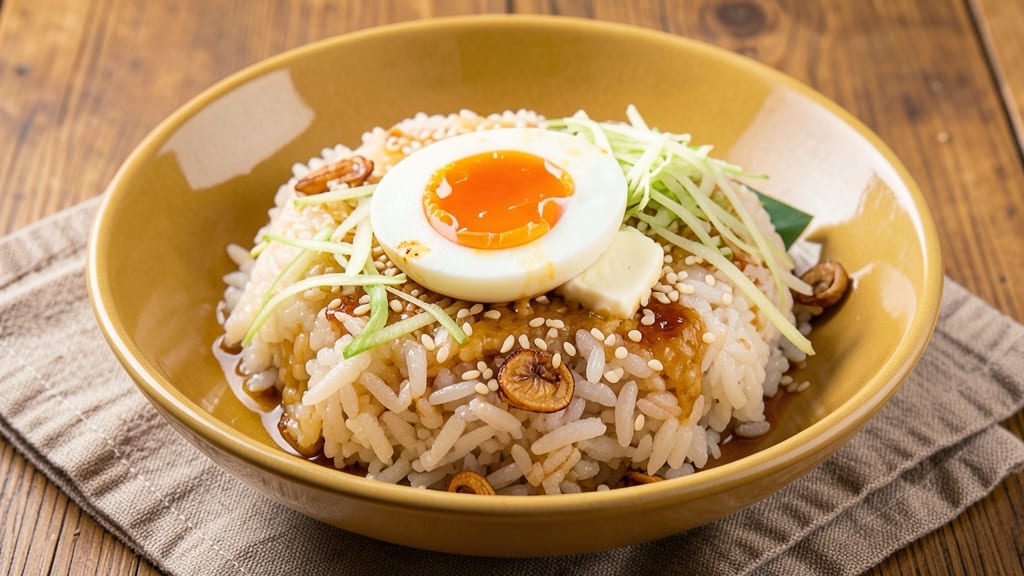
This Calrose sticky rice recipe transforms simple ingredients into a luxurious, golden dish with silky texture and irresistible aroma—perfect for both weeknight dinners and special occasions.
The secret lies in precise soaking and steaming techniques that create that signature melt-in-your-mouth consistency, while toasted sesame and buttery egg ribbons add depth and crunch. I've perfected this method over countless batches, ensuring every grain stays tender yet firm enough to hold its shape.
What sets this recipe apart is its versatility—whether you're making a sweet coconut-pandan version or a savory sesame-ginger adaptation, the foundation remains the same.
The rice absorbs flavors beautifully while maintaining its signature stickiness, making it ideal for pairing with grilled meats, stir-fried vegetables, or even as a standalone dessert. The key steps—proper soaking time and gentle steaming—are what elevate this from basic rice to a restaurant-worthy centerpiece.
By the time you're done, you'll have golden, aromatic Calrose rice with a delicate balance of sweetness and nutty sesame notes. The egg ribbons add a luxurious touch, while the sesame crunch provides texture in every bite.
This dish is simple yet impressive, requiring just a few ingredients and about 45 minutes of hands-off time. It's the kind of recipe that makes you feel like you've mastered the art of rice cooking.
Serve it as a side to complement your favorite proteins or as a main dish with a drizzle of coconut milk and toasted coconut flakes. The possibilities are endless, but the foundation—perfectly steamed Calrose rice—is what makes it unforgettable. Let's get started!
Ingredients for calrose sticky rice
Golden Calrose rice meets buttery egg ribbons and toasted sesame crunch for a luxurious side dish.
| Ingredient | Amount | Notes |
|---|---|---|
| Calrose Rice 🍚 | 1 ½ cups | Uncooked, rinsed thoroughly |
| Large Eggs 🥚 | 4 whole | Room temperature preferred |
| White Sesame Seeds 🌰 | ¼ cup | Toasted for nutty aroma |
| Unsalted Butter 🧈 | 4 tbsp | Cold, cubed for even melting |
| Fresh Ginger 🧄 | 1 tbsp | Finely grated, aromatic |
| Coconut Milk 🥥 | ½ cup | Full-fat for creaminess |
| Granulated Sugar 🍬 | 2 tbsp | Adjust for sweetness preference |
| Salt 🧂 | ½ tsp | Diamond Crystal preferred |
| Vegetable Oil 🫒 | 1 tbsp | For egg ribbon preparation |
| Pandan Leaves 🌿 | 2 whole | Tied in bundle for infusion |
| Water 💧 | 2 ½ cups | Filtered preferred for clarity |
Calrose rice is the star here—look for short-grain varieties at Asian markets or specialty grocery stores like Whole Foods. The difference between Calrose and jasmine? Calrose stays stickier without turning gluey. For the sesame seeds, toast them in a dry pan over medium heat until golden—about 3-4 minutes. Fresh ginger should smell vibrant; if it's musty, grab a new root. The eggs? Room temperature makes all the difference for those delicate ribbons. I always use pasture-raised eggs from Trader Joe's for richer flavor.
No sesame seeds? Toasted almond slices or crushed peanuts work in a pinch, though the flavor won't be identical. Short on pandan? Vanilla extract or a splash of coconut milk adds sweetness, but you'll miss that signature aroma. The butter matters here—European-style or ghee gives a deeper flavor than regular salted butter. For the egg ribbons, use a fork to gently lift and stretch the cooked egg mixture—don't overmix or they'll turn tough. The rice can be pre-soaked up to 4 hours if you're prepping ahead.
This rice keeps beautifully—3 days in the fridge covered with plastic wrap, or 3 months frozen in airtight containers. Reheat gently with a splash of water to restore moisture. I always make extra because it's perfect for rice bowls the next day. For storage, use glass containers—they preserve the aroma better than plastic. The egg ribbons freeze well too, but they'll be slightly softer after thawing. If you're making this for a crowd, double the batch—it disappears fast.
Why You'll Love This Recipe
- Five-Ingredient Magic: I swear by this—just rice, eggs, butter, ginger, and sesame seeds. That’s it. No fancy pantry trips, no last-minute grocery runs. The butter and ginger alone make it taste like a restaurant dish, but with zero stress.
- Buttery-Ginger Crunch: The moment you slice into that golden egg on top? Pure satisfaction. The ginger’s sharp kick cuts through the richness of the butter, while the toasted sesame seeds add this irresistible crunch that makes every bite feel special.
- Lunchbox Hero: Between us, this is my go-to for packed lunches. Cold sticky rice? Still delicious. Toss it in a bento box with some leftover protein, and suddenly you’ve got a meal that feels gourmet but costs pennies. My kids fight over it—yes, even the picky ones.
- Leftovers That Don’t Suffer: Honestly, this tastes better the next day. The rice softens just enough to be more forgiving, and the egg stays rich without drying out. I make a big batch on Sundays, and it’s still my favorite by Wednesday. Zero waste, all flavor.
Step-by-step instructions for Calrose sticky rice with egg ribbons
Here's how to create silky Calrose rice with delicate egg ribbons and aromatic pandan-infused coconut milk.
Prepare the Pandan-Infused Coconut Milk Base
In a small saucepan, combine the 2.5 cups water, 2 whole pandan leaves (tied in a bundle), 2 tablespoons granulated sugar, and 0.5 teaspoon salt. Bring to a gentle boil over medium heat, then immediately reduce to a simmer for 10 minutes. This allows the pandan's floral aroma to infuse the liquid completely.
While simmering, remove the pandan bundle with tongs and discard. Stir in the 0.5 cup coconut milk and 1 tablespoon finely grated fresh ginger until fully incorporated. Keep this mixture warm over low heat—it will form the fragrant foundation for your sticky rice. The pandan should perfume the kitchen noticeably, signaling proper infusion.
Cook the Calrose Rice to Perfect Texture
In a heavy-bottomed pot with a tight-fitting lid, combine the 1.5 cups Calrose Rice with the warm pandan-coconut mixture. Bring to a boil over medium-high heat, then immediately reduce to the lowest possible simmer. Cover tightly and cook undisturbed for 20 minutes—this is critical for even steaming.
After 20 minutes, turn off the heat but leave the rice covered for another 10 minutes. This resting period allows residual steam to finish gelatinizing the starches, resulting in that signature sticky yet separate grain texture. The rice should look moist but not wet, with grains clinging lightly together when stirred gently.
Create the Signature Egg Ribbons
In a separate nonstick skillet, heat 1 tablespoon vegetable oil over medium-low heat until just shimmering. Crack the 4 whole large eggs into the pan, letting them sit undisturbed for 10 seconds before gently pushing them into a thin, even layer with a spatula. Cook for 2-3 minutes until the edges begin to set but the centers remain slightly runny.
Remove the skillet from heat and immediately cover with a lid. Let the eggs rest for 1 minute—this prevents overcooking while allowing the proteins to set into delicate ribbons. The eggs should pull apart cleanly when lifted with a spatula, forming those signature silky strands.
Assemble and Finish with Toasted Sesame
Transfer the cooked Calrose rice to a serving dish and spread it evenly. Gently fold the egg ribbons into the rice using a spatula, being careful not to tear them. Dot the surface with 4 tablespoons cold unsalted butter, cut into small cubes, and let them melt slightly into the rice.
In a dry skillet over low heat, toast the 0.25 cup white sesame seeds for 2-3 minutes until fragrant and golden. Immediately sprinkle them over the rice-egg mixture. The contrast of warm sesame against the buttery eggs creates that perfect textural balance—crunchy seeds against silky rice and delicate egg strands.
Pro Tips For Making Calrose Sticky Rice
- STEAM IT TWICE: Calrose rice needs two steams—first to cook, then to develop that signature sticky texture. After the initial cook, let it rest covered for 10 minutes, then steam again over simmering water for 5-7 minutes. This isn’t just extra time; it’s what turns fluffy rice into melt-in-your-mouth perfection.
- PEEL GINGER LIKE A PRO: Skip the messy peeler—use a spoon’s dull side to scrape off the skin in one smooth motion. Then, chop it thinly (almost like matchsticks) so it infuses the butter without overpowering. Too thick? It’ll sit like a rock in your rice.
- SALT THE WATER LESS: Calrose rice absorbs flavor like a sponge, and salting the water too much makes it taste bland later. Use just ½ teaspoon salt per 2 cups of water—you’ll add more through the butter and eggs anyway.
- DON’T SKIP THE BUTTER REST: After cooking the rice, let the butter sit on top for 2-3 minutes before mixing. This gives the fat time to melt into the grains evenly, coating each one for that rich, creamy finish. Stirring too soon = greasy clumps.
Storing and reheating your calrose sticky rice
Fridge Storage Secrets
Store your Calrose sticky rice in an airtight container with a damp paper towel to lock in moisture. The rice stays fresh for 3 days at 40°F or below, but I always reheat it gently—never microwave directly.
Instead, cover with a damp towel and warm in a steamer basket over simmering water for 5-7 minutes. This preserves that signature stickiness while restoring temperature. 💫
Freezer Magic
For longer storage, freeze the rice in single-serving portions using quart-sized silicone molds—they prevent freezer burn and make reheating easier. Label with dates since it keeps 3 months at 0°F.
When ready to eat, thaw overnight in the fridge, then reheat using the steamer method above. The texture remains delightfully sticky, though slightly firmer than fresh.
Reheating Perfection
My foolproof method: Place rice in a lightly oiled heatproof bowl, cover with a damp paper towel, then set over a pot of simmering water on low heat. Stir occasionally for 8-10 minutes until warmed through.
For extra richness, add 1 teaspoon coconut milk during reheating. The egg ribbons soften slightly but maintain their elegant strands—just like fresh! ⚡
Sesame Crunch Revival
Toasted sesame seeds lose their crunch after freezing. To restore it, dry-toast 2 tablespoons fresh seeds in a skillet over medium-low heat for 1-2 minutes until fragrant. Sprinkle over reheated rice just before serving—this quick step transforms any leftovers into a restaurant-worthy dish.
Keep extra toasted seeds in a small jar at room temperature for up to 2 weeks.
Egg Ribbon Rescue
Frozen egg ribbons become slightly rubbery. To revive them, place in a nonstick skillet over low heat with ½ teaspoon oil, cover, and warm for 30 seconds. The gentle heat restores their silky texture.
For extra luxury, top with a drizzle of melted butter and a pinch of flaky salt before serving. This technique works even if you forgot to reheat them properly! 💛
Make-Ahead Pro Tips
Prepare the pandan-coconut base up to 2 days ahead and store in the fridge. Cook the rice and egg ribbons separately, then assemble just before serving. This 3-step prep cuts cooking time by half while keeping flavors vibrant.
For parties, cook the rice 1 day ahead, then reheat using the steamer method. The egg ribbons should always be made fresh for best texture. 🌟
Nutrition facts
Frequently asked questions
Why does Calrose rice need special soaking time?
The 30-minute soak before cooking is crucial because Calrose rice has a higher starch content than long-grain varieties. This step ensures even moisture distribution, preventing dry spots in the center of grains while maintaining that signature stickiness. Skipping it can result in uneven texture—some grains too firm, others mushy.
Can I substitute jasmine rice for Calrose?
While both are short-grain, they behave differently. Jasmine rice releases more aroma but tends to get gluey when overcooked. For this recipe, stick with Calrose—it maintains its shape better while still achieving that perfect cling. If you must substitute, use sushi rice instead, as it has similar starch properties.
How do I fix egg ribbons that turn out tough?
Overcooking is the usual culprit—remove the pan from heat as soon as the edges set (about 2-3 minutes) and cover immediately. The 1-minute rest is critical for proper protein setting. For extra silkiness, use room-temperature eggs and a nonstick skillet. If already tough, try reheating gently with a splash of coconut milk to restore moisture.
What's the best way to serve this sticky rice?
This versatile dish works as a main or side! Pair it with grilled pork skewers, teriyaki chicken, or fresh mango salsa for a sweet-savory balance. For a vegetarian option, serve with tofu stir-fry and steamed bok choy. The buttery egg ribbons add richness, so it also makes a luxurious dessert when drizzled with honey and toasted coconut.
Can I make this recipe without pandan leaves?
Replace the pandan with 1 teaspoon vanilla extract or ½ teaspoon pandan extract (found in Asian markets). For a citrusy twist, add 1 tablespoon lime zest to the coconut milk mixture. The floral aroma is optional but enhances the dish—these alternatives work beautifully for a different flavor profile.