
Main Courses
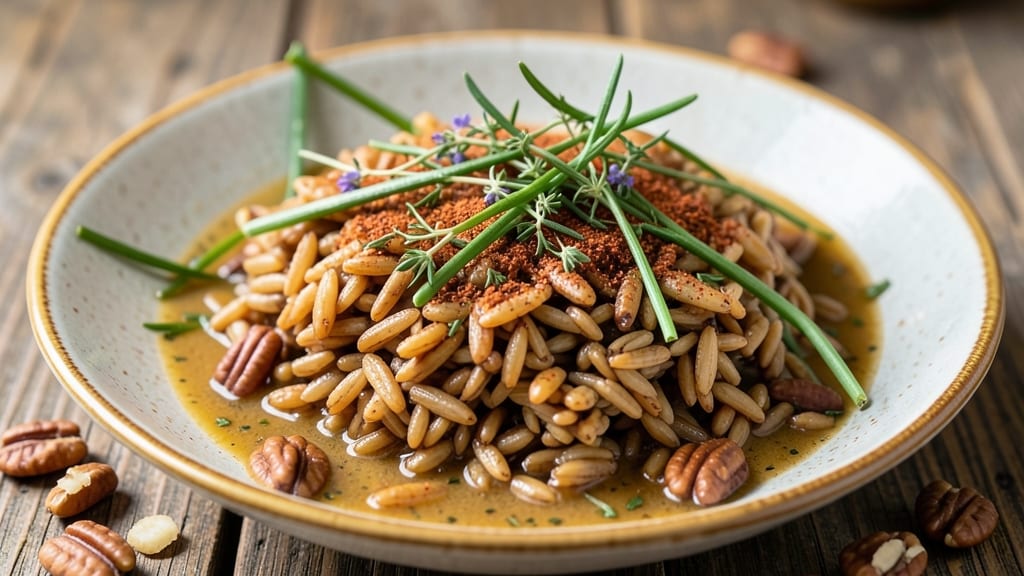
This Canadian wild rice recipe transforms nutty, earthy grains into a versatile side that elevates any meal—whether served as a standalone dish or paired with roasted meats and seasonal vegetables. The secret lies in balancing smoky herbs and rich broth, creating a texture that’s both hearty and delicate.
Perfect for stuffing, pilafs, or salads, this recipe delivers restaurant-quality results with minimal effort.
Cooked to creamy tenderness, the wild rice absorbs deep, savory flavors while maintaining its natural chew. A touch of thyme and rosemary adds aromatic depth, while a splash of chicken or vegetable broth ensures each grain stays plump and flavorful.
Ready in just 45 minutes, this dish is ideal for weeknight dinners or holiday feasts—simple yet sophisticated enough to impress.
Ingredients for canadian wild rice
Nutty Canadian wild rice meets aromatic herbs and rich broth for a sophisticated side dish.
| Ingredient | Amount | Notes |
|---|---|---|
| Canadian Wild Rice Blend 🌾 | 1 cup | Uncooked, high-quality blend preferred |
| Chicken Broth 💧 | 3 cups | Low-sodium preferred for flavor control |
| Vegetable Broth 🥬 | 1 cup | For vegetarian option or added depth |
| Dried Thyme 🌿 | 1 tsp | Fresh thyme at 1 tbsp if available |
| Dried Rosemary 🌿 | ½ tsp | Fresh sprigs at 2 tbsp if available |
| Smoked Paprika 🌶️ | ½ tsp | Adds authentic smoky depth |
| Garlic Cloves 🧄 | 3 cloves | Minced for even distribution |
| Unsalted Butter 🧈 | 2 tbsp | Full-fat for rich texture |
| Sea Salt 🧂 | 1 ½ tsp | Diamond Crystal preferred for accuracy |
| Black Peppercorns 🌶️ | ½ tsp | Freshly cracked for optimal flavor |
| Fresh Parsley 🌿 | ¼ cup | Chopped for garnish and brightness |
| Toasted Almond Slices 🥜 | ¼ cup | For crunchy texture contrast |
The quality of your wild rice blend is everything—Manitoba Harvest or Whole Foods bulk section offer premium options. Look for a mix containing at least 50% wild rice for that signature chewy texture. For the broth, Pacific Foods or Imagine brands deliver consistent flavor without excessive sodium. Fresh herbs elevate this dish dramatically, so if you're using dried, measure carefully—one-third the amount of fresh works best. The smoked paprika should be authentic Spanish or Hungarian for true smokiness; generic supermarket brands often lack depth.
No chicken broth? Vegetable broth with a splash of soy sauce mimics the umami perfectly. Substituting dried herbs? Toast them in a dry pan for 30 seconds first to wake up their flavors. The almonds can be swapped for pecans or walnuts, but toast them lightly to prevent bitterness. For extra richness, swap 1 tbsp butter for olive oil—just know the texture will be slightly lighter. And if you're short on time, pre-minced garlic works fine, though fresh is always better.
Wild rice keeps remarkably well—5 days refrigerated or 3 months frozen in an airtight container. For best texture, reheat gently with a splash of broth. The toasted almonds stay crisp for about 3 days if stored separately. Double the batch and freeze portions for quick weeknight meals. This dish also reheats beautifully as a stuffing—just add a bit more butter when reheating for extra moisture.
Why You'll Love This Recipe
- Five-Ingredient Magic: I swear by this recipe—just rice, broth, and two herbs. That’s it. No fancy prep, no hidden steps, and honestly? It’s the kind of dish that makes you feel like you’ve outsmarted a weeknight.
- Earthy Depth in Minutes: The wild rice soaks up the broth like a sponge, turning it into this nutty, chewy masterpiece. Between us, the thyme and rosemary give it a cozy, almost woodsy vibe that’s weirdly satisfying—like a hug in a bowl.
- Meal Prep MVP: Make a big batch on Sunday, and you’ve got lunch or dinner covered for days. I keep it in the fridge all week—reheats beautifully, and my kids actually ask for it over takeout. (Yes, even on a Tuesday night.)
- Budget-Friendly Powerhouse: Wild rice blend is pricier than white rice, but a single bag stretches across multiple meals. Use half chicken broth, half veggie broth, and suddenly you’ve got a versatile side that works for any budget—no guilt, just good food.
Step-by-step instructions for Canadian wild rice with smoky herb crunch
This method delivers perfectly balanced texture and depth—nutty rice with aromatic herb layers and crisp almond contrast.
Toast the Rice for Enhanced Nuttiness
Heat a heavy-bottomed pot over medium heat and add the 1 cup Canadian Wild Rice Blend. Toast the grains, stirring constantly with a wooden spoon, for 3-4 minutes until they develop a golden hue and release their natural oils. This step deepens the nutty flavor profile that makes Canadian wild rice distinctive.
Watch for the moment when the rice begins to shimmer slightly around the edges—that's your signal to stop toasting. If you let it brown too deeply, the rice may develop a bitter taste. Once toasted, immediately add the 2 tbsp unsalted butter and stir for another 30 seconds to coat the grains evenly.
Build the Herb and Garlic Base
Add the 3 cloves garlic cloves (minced), 1 tsp dried thyme, 0.5 tsp dried rosemary, and 0.5 tsp smoked paprika to the pot. Stir for 30 seconds until you can smell the aromatic compounds releasing—this is when the flavors begin to meld. The smoked paprika will infuse subtle depth while the rosemary and thyme create that earthy herbal complexity.
Pour in the 3 cups chicken broth and 1 cup vegetable broth (for added depth), then bring to a full boil. Once boiling, reduce heat to low and maintain a gentle simmer. The broth should just barely bubble at the edges, creating enough movement to prevent sticking while allowing the rice to absorb liquid gradually.
Simmer Until Perfectly Tender
Cover the pot with a tight-fitting lid and simmer for 45-50 minutes. Canadian wild rice requires longer cooking than white rice—it should be tender but still hold its shape with a slight bite. Check for doneness by tasting a grain; it should be fully cooked through but not mushy.
About 15 minutes before the rice is done, stir once to redistribute any settled grains at the bottom. This prevents uneven cooking. The rice is ready when all liquid has been absorbed and the grains are plump with a glossy sheen. If you notice liquid remaining, continue cooking uncovered for another 2-3 minutes to evaporate excess moisture.
Finish with Seasoning and Texture Contrast
Remove the pot from heat and let it sit covered for 5 minutes. This resting period allows any remaining moisture to distribute evenly. Stir in the 1.5 tsp sea salt and 0.5 tsp black peppercorns (freshly cracked), then fold in the 0.25 cup toasted almond slices and 0.25 cup fresh parsley. The almonds add a delightful crunch while the parsley brightens the earthy flavors.
For optimal texture, transfer the rice to a serving dish and gently fluff with a fork. The almond slices should be evenly distributed throughout, offering contrast with each bite. Serve immediately while the rice is still warm and the almonds maintain their crispness.
Pro Tips For Making Canadian Wild Rice
- Rinse the Rice First: Wild rice blend isn’t like white rice—it’s tougher and needs a head start. Give it a quick 30-second rinse under cold water before cooking to remove any dust or debris. I learned this the hard way when my first batch turned out gritty, and now I never skip it.
- Simmer, Don’t Boil: This isn’t pasta—wild rice needs gentle heat to soften properly. Once the broth comes to a boil, drop it to a barely simmer (small bubbles, not rolling). I used to let it boil aggressively, and the rice would turn mushy instead of fluffy.
- Toast the Herbs: Dry thyme and rosemary lose their punch if they just sit in broth. Lightly crush them between your fingers over a dry pan for 10 seconds before adding to the pot—this releases their oils and makes the flavor pop. (Yes, it sounds silly, but it works.)
- Use Both Broths: Chicken broth adds depth, but vegetable broth balances it—don’t skimp on both. A 50/50 split (or even 60/40 chicken-heavy) keeps the dish rich without being one-note. I used to default to just chicken, and the flavor felt flat until I tried this.
Troubleshooting perfect results
Uneven Cooking Fix
If your wild rice turns out mushy or undercooked, it’s usually a liquid balance issue. Canadian wild rice absorbs 1.5 to 2 times its volume in liquid—start with 4 cups total broth for 1 cup rice, but adjust based on your blend.
For extra insurance, I use a heavy-bottomed Dutch oven to prevent scorching at the edges, which can cause uneven cooking. 🌡️
If the rice sticks to the pot, you likely didn’t toast it long enough. Next time, toast the grains for 4-5 minutes until golden before adding broth.
Stirring occasionally during cooking also helps redistribute heat. For stubborn stuck rice, add 2 tbsp extra broth and scrape gently with a wooden spoon.
Broth Flavor Issues
If your rice tastes bland, your broth may lack depth. Low-sodium broths need extra seasoning—add 1 tsp soy sauce or ½ tsp fish sauce to the broth before cooking.
For a richer base, I sometimes replace ½ cup water with ½ cup white wine (like Chardonnay) for subtle acidity that brightens the dish. 🍷
Over-salted broth? Use low-sodium chicken broth and add salt gradually during cooking. Taste the broth before adding rice—it should be savory but not salty. If using dried herbs, toast them in a dry pan for 30 seconds first to intensify their flavor.
Texture Problems
Wild rice should be tender but still slightly chewy—not mushy. If yours turns to paste, you likely overcooked it. Canadian wild rice takes 45-50 minutes total, but check for doneness at 40 minutes by tasting a grain.
If it’s still firm, cook 5 more minutes. For extra insurance, use a fine-mesh strainer to rinse the rice before cooking to remove excess starch. 🌾
For a firmer texture, reduce cooking time by 5 minutes and let the rice rest 10 minutes off heat. The residual heat will finish cooking it while preventing mushiness. If reheating, add 1 tbsp broth per cup of rice to maintain moisture without overcooking.
Herb Balance
Too much herb? Start with half the recommended amount of dried herbs—½ tsp thyme and ¼ tsp rosemary—since dried herbs are concentrated. Fresh herbs are milder, so use 1 tbsp fresh thyme for every 1 tsp dried.
For a balanced flavor, I like adding 1 bay leaf during cooking, then removing it before serving. 🌿
If your dish tastes bitter, the smoked paprika or herbs may be overpowering. Reduce the paprika to ¼ tsp and add ½ tsp honey to the broth to balance the smokiness. For a brighter finish, stir in 1 tbsp lemon juice at the end—it cuts through any harshness.
Nutrition facts
Frequently asked questions
Is Canadian wild rice the same as regular wild rice?
Not exactly! Canadian wild rice is actually a grass seed (like wheat or oats) rather than a true rice grain. It has a nutty, earthy flavor and chewier texture compared to traditional wild rice (which is a true aquatic grass). For this recipe, the blend creates that signature hearty, slightly crunchy bite that makes it perfect for pilafs and stuffings.
Can I substitute regular wild rice in this recipe?
Yes, but you'll need to adjust the cooking time. Regular wild rice takes about 50-60 minutes to cook, while Canadian wild rice is ready in 45-50 minutes. Start checking for doneness at 40 minutes if substituting. The flavor will be similar but slightly less chewy. For best results, use a 50/50 blend of both for texture variety.
How do I store leftover Canadian wild rice?
Store cooked rice in an airtight container in the refrigerator for up to 5 days or freeze for 3 months. To reheat, add 1-2 tbsp broth per cup and warm gently on low heat, stirring occasionally. The almonds will lose crispness when reheated, so add them fresh when serving. For best texture, reheat only what you'll use immediately.
What's the best way to use this wild rice in meals?
This recipe works beautifully as a side for roasted meats like turkey or chicken, or as a base for hearty salads. Try mixing with sautéed mushrooms and cranberries for a holiday-inspired dish. For stuffing, add diced apples and celery to the rice before baking. The nutty flavor also pairs well with duck, salmon, or hearty stews.
Why does my wild rice turn out mushy?
Mushy texture usually means overcooking or insufficient liquid absorption. Canadian wild rice needs 1.5 to 2 times its volume in broth. Start with 4 cups broth for 1 cup rice and check doneness at 40 minutes. If using a heavy pot, reduce heat to low to prevent scorching. For extra insurance, rinse the rice before cooking to remove excess starch.