
Main Courses
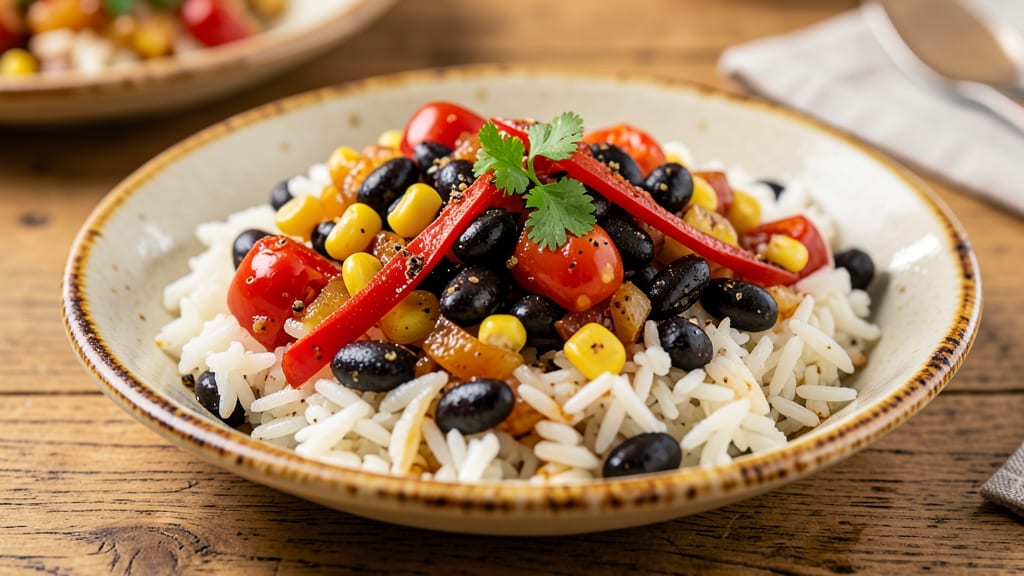
This Cape Verdean rice recipe brings the vibrant flavors of the Atlantic islands to your kitchen with its signature slow-cooked corn and bean stew.
The dish, known as Arroz de Cachimbo, blends Portuguese colonial influences with West African roots, creating a hearty, aromatic one-pot meal that's both comforting and deeply flavorful.
What sets it apart is the perfect balance of tender rice, sweet corn, and smoky spices that linger long after the last bite.
The recipe centers on long-grain rice simmered in a rich broth infused with tomatoes, onions, and bell peppers, all brightened by fresh cilantro and a touch of heat from piri-piri or malagueta peppers.
Traditional versions often feature salted cod (bacalhau), but you can easily adapt it with fresh fish or shrimp for a lighter take. The slow-cooking method ensures the rice absorbs all the flavors, resulting in a dish that's as satisfying as it is authentic.
What makes this recipe truly special is its versatility—it serves as a complete meal on its own or pairs beautifully with pastéis (fried pastries) or grilled fish. The aroma alone, wafting through your kitchen, transports you to the sunny shores of Cape Verde, where this dish is a staple.
Each bite delivers a harmonious blend of textures and flavors that make it a standout in any meal rotation.
Ready in about 45 minutes, this Cape Verdean rice recipe delivers restaurant-quality results with minimal effort. The key lies in patience—letting the flavors meld and the rice cook just right.
Whether you're cooking for family or hosting a dinner, this dish promises to impress with its rich, authentic taste and comforting warmth.
Ingredients for cape verdean rice
Sixteen ingredients blend Portuguese and West African flavors for this aromatic Cape Verdean rice dish.
| Ingredient | Amount | Notes |
|---|---|---|
| Long-Grain White Rice 🍚 | 2 cups | Uncooked, rinsed thoroughly |
| Dried Black Beans 🌱 | 1 ½ cups | Soaked overnight or quick-soaked |
| Fresh Corn Kernels 🌽 | 2 cups | Cut from 2-3 ears or frozen |
| Diced Tomatoes 🍅 | 2 cups | Canned San Marzano preferred |
| Yellow Onion 🧅 | 1 whole | Diced, medium size |
| Red Bell Pepper 🌶️ | 1 whole | Diced, any color |
| Garlic Cloves 🧄 | 4 cloves | Minced, fresh preferred |
| Fresh Cilantro 🌿 | ½ cup | Chopped, stems removed |
| Malagueta Peppers 🌶️ | 2 pieces | Or substitute 1 tbsp hot sauce |
| Olive Oil 🫒 | ½ cup | Extra-virgin for richness |
| Chicken Broth 💧 | 3 cups | Low-sodium preferred |
| Bay Leaves 🍃 | 2 whole | Fresh if available |
| Ground Cumin 🌿 | 1 tsp | Toasted for depth |
| Salt 🧂 | 1 ½ tsp | Adjust to taste |
| Black Pepper 🌶️ | ½ tsp | Freshly ground |
The rice is the foundation, so choose long-grain white rice—it absorbs flavors beautifully without turning mushy. For the beans, dried black beans are traditional, but canned low-sodium works in a pinch. Look for San Marzano canned tomatoes at Whole Foods or Trader Joe's for that authentic sweetness. Fresh corn is ideal, but frozen kernels (thawed) keep the same texture. The malagueta peppers are key for that signature Cape Verdean heat—if you can't find them, hot sauce or habanero will do, but reduce the amount. Toast your cumin seeds quickly in a dry pan before grinding for deeper flavor—Penzeys Spices sells pre-toasted blends if you're short on time.
No fresh cilantro? Dried works at half the amount, but the fresh herb's brightness is worth hunting down. Substituting fresh fish or shrimp for the traditional salted cod is a great modern twist—just add them in the last 10 minutes of cooking. Want more smokiness? Add 1 smoked paprika to the oil when sautéing. The bell pepper can be swapped for green or yellow—color doesn't matter, just dice it small. For the broth, low-sodium is crucial since you'll be adding extra salt later. If you're using dried beans, soak them overnight or use the quick-soak method (boil 2 minutes, then let sit covered for 1 hour).
This dish tastes even better the next day as flavors meld. Store leftovers in an airtight container in the fridge for up to 5 days—the rice keeps its texture surprisingly well. For freezing, portion into single-serving containers and reheat with a splash of water or broth. The cilantro and corn can be prepped ahead and stored separately until ready to cook. If making for a crowd, double the recipe—it scales perfectly. The aroma alone will have everyone gathering at the table before it's even done.
Why You'll Love This Recipe
- I’ll be real: this recipe saves me money without sacrificing taste. Black beans and rice are already cheap, but adding fresh corn and tomatoes stretches the meal further. Plus, it’s the kind of dish where you can use whatever’s on hand—no need for fancy ingredients. My wallet and my taste buds both win.
- One-Pot Magic: I swear by this recipe because it’s the only rice dish where I don’t have to wash a second pot. Just toss in the rice, beans, corn, tomatoes, and onion with some broth—let it simmer until the rice is tender and the flavors meld. That’s it. No fuss, no stress, just pure convenience.
- Sweet-Savory Balance: Honestly, the way the caramelized onions and juicy tomatoes play off the earthy black beans and sweet corn? It’s ridiculous. The rice soaks up all those flavors, giving it that perfect bite—never dry, never bland. My kids fight over the last bite, and I don’t even have to bribe them.
- Lunchbox Hero: Between us, this is my go-to for meal prep. The leftovers reheat like a dream, and the mix of textures—creamy beans, crunchy corn, fluffy rice—holds up for days. Pack it in containers, and you’ve got a lunch that feels fancy but costs next to nothing. (Yes, even on a Tuesday night.)
Step-by-step instructions for slow-cooked Cape Verdean rice
This dish delivers deep, smoky flavors through gentle cooking—here's how to build it layer by layer.
🍳 Step 1: Sauté the Aromatic Base
Heat the 0.5 cup olive oil in a large, heavy pot over medium heat. Add the 1 whole yellow onion and 1 whole red bell pepper, cooking for 5-6 minutes until softened and the onion becomes translucent. The vegetables should release their moisture and begin to caramelize slightly at the edges.
Add the 4 cloves garlic cloves and 2 pieces malagueta peppers (or substitute 1 tablespoon hot sauce), stirring for 30 seconds until fragrant. Here's the thing—don't let the garlic burn. It should smell sweet and pungent, not bitter. Remove the pot from heat briefly if needed to control the temperature.
🍳 Step 2: Toast the Spices and Add Beans
Return the pot to medium heat and add the 1 teaspoon ground cumin. Toast for 30 seconds, stirring constantly, until the spices release their aroma. This step develops the dish's signature earthy depth.
Add the 1.5 cups dried black beans (drained if previously soaked) and stir to coat in the spiced oil. Pour in the 3 cups chicken broth, ensuring all beans are submerged. Bring to a gentle boil, then reduce heat to low and simmer uncovered for 20 minutes. This initial simmer helps break down the beans' skins and softens them slightly before adding the rice.
🥘 Step 3: Layer the Rice and Vegetables
Add the 2 cups long-grain white rice and stir gently to distribute evenly. The rice should absorb some of the broth immediately. Add the 2 cups diced tomatoes, 2 cups fresh corn kernels, 1.5 teaspoons salt, and 0.5 teaspoon black pepper. Stir once more to combine, then add the 2 whole bay leaves.
Here's where it gets critical: don't stir the rice after this point. Occasional gentle stirring is fine, but constant mixing prevents the rice from developing its signature crust at the bottom. Cover the pot with a tight lid and cook over low heat for 25 minutes. The rice should absorb most of the liquid, leaving just a thin layer of broth on top.
⏰ Step 4: Steam and Rest for Maximum Flavor
Once the 25 minutes are up, remove the pot from heat and let it sit covered for 10 minutes. This resting period allows the rice to finish steaming in its own residual heat, ensuring each grain is perfectly tender and flavorful. The bay leaves can now be removed.
Fluff the rice gently with a fork, then stir in the 0.5 cup fresh cilantro. The cilantro adds a bright, herbaceous finish that cuts through the dish's rich, smoky depth. Taste and adjust seasoning if needed—this is your final opportunity to balance the flavors before serving.
🍽️ Step 5: Serve with Confidence
Transfer the rice to a serving dish, ensuring the crust at the bottom (if any) stays intact. This crust, known as sofrito, is a hallmark of Cape Verdean cooking and adds incredible texture. Serve immediately with grilled fish, roasted meats, or alongside a simple salad to highlight the dish's vibrant flavors.
The dish should have a harmonious blend of smoky, spicy, and slightly sweet notes, with each ingredient—from the tender beans to the sweet corn—clearly identifiable. The rice should be tender but still have a slight bite, with a fragrant aroma that fills the room. Enjoy while warm for the best experience!
Pro Tips For Making Cape Verdean Rice
- SOAK BEANS OVERNIGHT: I learned this the hard way—rushing black beans with a quick soak leaves them mealy in the end. Dump them in cold water 12+ hours ahead, then drain and rinse before cooking. The texture stays firm, and the flavor absorbs better into the rice.
- TOAST THE BEANS: Skip the mushy beans by dry-toasting them in a pot with a little oil before adding liquid. Just 3-4 minutes over medium heat until they smell nutty—this deepens their flavor and cuts down on cooking time later.
- COOK RICE AL DENTE: Cape Verdean rice should finish with a slight bite, not mush. Start with 1:1.5 rice-to-water ratio (like 1 cup rice to 1.5 cups broth), then simmer uncovered for 15 minutes. If it’s still undercooked, add a splash of water and let it steam—don’t overcrowd the pot.
- CHAR THE ONIONS FIRST: My grandmother swore by this, and she was right: caramelize the onions until they’re deep golden (about 8-10 minutes) before adding tomatoes or corn. The sweetness balances the acidity of the tomatoes and makes the whole dish richer—just don’t walk away.
Common mistakes when making this dish
Overcooking the Rice
The biggest mistake? Letting the rice turn mushy. Cape Verdean rice should have a slight bite—undercooked rice is better than overcooked. After adding the rice, the liquid should be just enough to cover it by about ¼ inch.
If you see dry spots, add 1-2 tablespoons broth at a time. I’ve ruined this dish by walking away and forgetting to check—set a timer for the 25 minutes and resist peeking! 🌡️
Skipping the Resting Time
Rushing to serve right after cooking is a flavor disaster. The 10-minute rest lets the rice finish steaming and absorb residual liquid. I once served it immediately—big mistake.
The rice was gummy, and the flavors weren’t fully melded. Cover the pot and let it sit—patience pays off with perfectly tender grains.
Ignoring the Crust
That golden crust at the bottom (sofrito) is non-negotiable for authenticity. Stirring constantly prevents it from forming. If you’re worried about burning, use low heat and stir just once after adding the rice.
The crust adds depth of flavor—don’t scrape it off! Save a spoonful for later if you’re nervous. 🍚
Using the Wrong Heat
High heat turns this dish into a sad, uneven mess. The rice needs low and slow cooking to absorb flavors evenly. I’ve seen people crank the heat to speed things up—don’t do it.
Simmer gently for 25 minutes after adding the rice. If your pot isn’t big enough, the liquid will evaporate too fast, leaving you with dry rice.
Substituting Key Ingredients
Malagueta peppers and bay leaves are flavor anchors—don’t skip them! If you can’t find malagueta, hot sauce works, but reduce the amount. Bay leaves add earthy depth that can’t be replicated.
I once made this without them—noticeable difference. Use San Marzano tomatoes and fresh cilantro for the best results. Shortcuts here compromise authenticity.
Not Adjusting Salt Early
Taste the broth before adding the rice—it should be seasoned well. The beans and rice will dilute the salt, so don’t overdo it upfront. I’ve had to salvage dishes by adding extra salt later, but it’s harder to fix.
Start with 1 teaspoon, taste, and adjust. The 1.5 teaspoons in the recipe is a guideline—trust your taste buds. 🧂
Nutrition facts
Frequently asked questions
What makes Cape Verdean rice different from other one-pot rice dishes?
The magic lies in its bold spice blend and cultural fusion. This dish combines Portuguese techniques with West African flavors using malagueta peppers and bay leaves, creating a smoky, slightly spicy profile. Unlike Spanish paella or Italian risotto, it includes sweet corn and tender black beans for texture contrast. The secret crust at the bottom (sofrito) adds depth that sets it apart.
Can I substitute salted cod (bacalhau) for fresh fish?
Soak the salted cod in water for 24 hours, changing the water 3 times to remove excess salt. Add it during the last 10 minutes of cooking. For fresh fish, use firm white fish like cod or snapper—add it whole or in chunks during the final 15 minutes to prevent overcooking.
How do I make this dish vegetarian?
Replace the chicken broth with vegetable broth> and omit the fish. Boost umami with 1 teaspoon soy sauce> or 1 tablespoon tomato paste>. For protein, add 1 cup cooked chickpeas> with the beans. The dish will still be hearty and flavorful!
Why does my Cape Verdean rice turn out dry?
Dry rice usually means too much heat or not enough liquid. Always use a large, heavy pot> and maintain low heat> after adding rice. If it looks dry after 25 minutes, add 2-3 tablespoons broth> and cover for 5 more minutes. The rice should have a slight bite—not mushy.
Can I make this in an Instant Pot?
Yes! Sauté the aromatics as directed, then add all ingredients except cilantro. Seal the lid, cook on high pressure for 10 minutes,> then let pressure release naturally for 10 minutes. Stir in cilantro before serving. The texture will be slightly different but still delicious.