
Sauces & Condiments
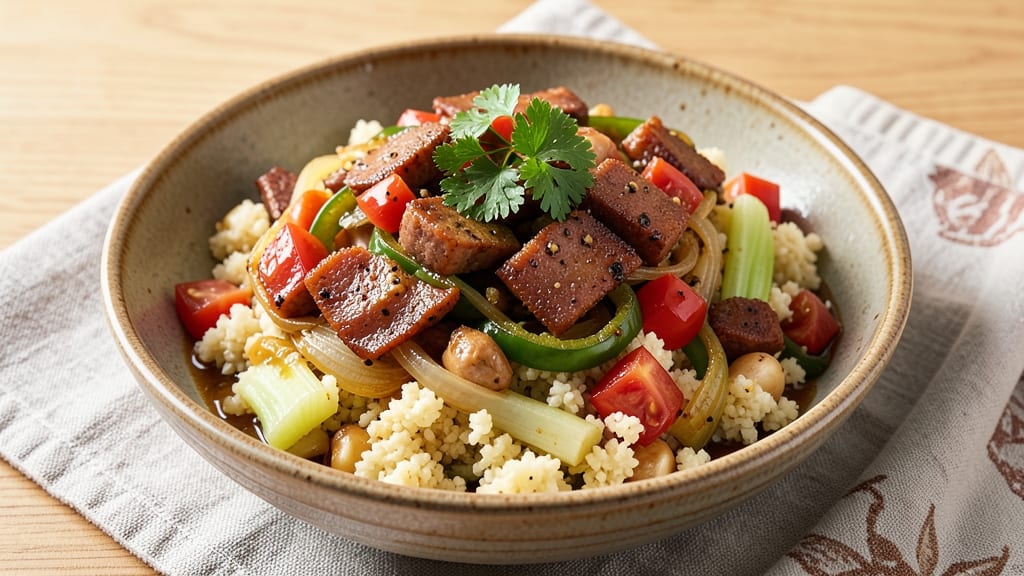
This cauliflower rice jambalaya delivers all the smoky, spice-packed flavor of classic jambalaya—just without the meat. 🌟 The secret lies in perfectly sautéed aromatics (onion, bell pepper, celery) that form the flavor base, then cauliflower rice that soaks up the rich, tomato-infused sauce while staying tender-crisp. I developed this recipe after realizing how well cauliflower rice could mimic traditional rice in hearty one-pan dishes, especially when paired with bold Cajun spices.
What makes this dish truly special is how it builds flavor in layers: the deep, caramelized aromatics, the slow-simmered tomato base, and the finish of smoked paprika and cayenne that gives it that signature jambalaya heat.
Serve it with crusty bread to soak up every last drop of sauce, or pair it with a simple green salad for a complete, satisfying meal. The best part? It all comes together in one pan with minimal cleanup.
Ingredients for cauliflower rice jambalaya
This vegetarian jambalaya delivers smoky Cajun flavor through perfectly balanced spices and caramelized aromatics.
| Ingredient | Amount | Notes |
|---|---|---|
| Fresh Cauliflower 🥬 | 4 cups | Riced for texture, fresh preferred |
| Yellow Onion 🧅 | 1 whole | Diced into small pieces |
| Green Bell Pepper 🍅 | 1 whole | Diced, any color variety |
| Celery Stalks 🥬 | 2 whole | Diced, thin slices preferred |
| Garlic Cloves 🧄 | 4 cloves | Minced for aromatic depth |
| Canned Diced Tomatoes 🍅 | 14 ½ oz | Fire-roasted for smoky flavor |
| Vegetable Broth 💧 | 1 ½ cups | Low-sodium preferred |
| Cajun Seasoning 🌶️ | 2 tbsp | Homemade or store-bought blend |
| Smoked Paprika 🌶️ | 1 tbsp | For authentic jambalaya flavor |
| Cayenne Pepper 🔥 | ½ tsp | Adjust for heat preference |
| Extra-Virgin Olive Oil 🫒 | ½ cup | For sautéing aromatics |
| Fresh Parsley 🌿 | ¼ cup | Chopped for garnish |
| Lemon Juice 🍋 | 1 tbsp | Freshly squeezed for brightness |
| Salt 🧂 | 1 tsp | Diamond Crystal preferred |
| Black Pepper 🌶️ | ½ tsp | Freshly ground for finish |
The cauliflower rice is the star here—freshly riced from a whole head gives the best texture. Whole Foods and Trader Joe's carry pre-riced cauliflower, but grating it yourself ensures no soggy bits. For the aromatics, yellow onion, bell pepper, and celery should be finely diced to create maximum surface area for caramelization. Look for firm, vibrant produce—avoid any with soft spots or wilted leaves. The garlic? Freshly minced makes all the difference—pre-minced jars lack punch. Store all fresh ingredients in airtight containers in the fridge until ready to use.
No fire-roasted tomatoes? Regular diced tomatoes with an extra pinch of smoked paprika work just fine. Want more heat? Add cayenne gradually—you can always adjust later. The Cajun seasoning is non-negotiable here; Tony Chachere's is my go-to, but any quality blend works. For the vegetable broth, low-sodium versions prevent over-salting the dish. The olive oil should be extra-virgin—it carries the flavors beautifully. If you're short on time, pre-chopped frozen veggies (like the mix of onion, bell pepper, and celery) work perfectly—just thaw and drain them well before using.
This jambalaya tastes even better the next day as flavors meld. Store leftovers in an airtight container in the fridge for up to 4 days. For longer storage, portion into freezer-safe containers and freeze for up to 3 months. The cauliflower rice will soften slightly when reheated, so I recommend eating it fresh for the best texture. Garnish with fresh parsley and a squeeze of lemon juice right before serving—that final touch elevates the dish every time. Double the recipe if you're feeding a crowd—it reheats beautifully and makes great lunches.
Why You'll Love This Recipe
- One-Pot Magic: I swear by this recipe when I’m too tired to wash another dish—just chop the onion, bell pepper, and celery (the holy trinity), pulse the cauliflower, and toss everything in one pan. No rice burner, no stuck-on bits, just pure simplicity.
- Smoky Depth: That crispy edge on the cauliflower rice? The garlic and bell pepper caramelizing in the pan? Honestly, it’s the kind of flavor that makes you forget it’s “healthy.” The Cajun seasoning and smoked paprika give it that soulful kick without needing fancy ingredients.
- Lunchbox Hero: Between us, this is my go-to for meal prep—it reheats like a dream and keeps its texture for days. Pack it in containers for work or school, and you’ve got a satisfying, low-carb lunch that won’t leave you sluggish. (Yes, even on a Tuesday night.)
- Budget-Friendly Flex: Fresh cauliflower and the veggie trio stretch farther than you’d think, and I often bulk it up with whatever’s on sale—extra bell peppers, a can of diced tomatoes, or even leftover shrimp. It’s the kind of dish that feels special but won’t break the bank.
Step-by-step instructions for cauliflower rice jambalaya
Here's the method for a vibrant, one-pan dish that delivers all the smoky depth of traditional jambalaya with a lighter, vegetable-packed twist.
🍳 Step 1: Sauté the Aromatic Vegetables
Heat the 0.5 cup extra-virgin olive oil in a large, deep skillet over medium-high heat until shimmering. Add the diced yellow onion, green bell pepper, and celery stalks all at once. Cook for 5-6 minutes, stirring occasionally, until the vegetables soften and the onion becomes translucent.
Here's the thing—don't overcrowd the pan. If your skillet is too crowded, reduce heat slightly to prevent steaming. You want those vegetables to develop a golden hue and caramelize just a bit. When they're tender and the edges start to brown, push them to one side of the pan and add the minced garlic cloves. Cook for 30 seconds until fragrant—garlic burns quickly, so watch it closely.
🍳 Step 2: Build the Spice Base
Reduce heat to medium and sprinkle the 2 tablespoons Cajun seasoning, 1 tablespoon smoked paprika, and 0.5 teaspoon cayenne pepper directly over the vegetables. Stir vigorously for 1 minute to toast the spices and release their aromatic oils. This step is crucial—it develops the deep, complex flavor foundation of jambalaya.
Add the 14.5 oz canned diced tomatoes (with juices) and the 1.5 cups vegetable broth. Stir to combine, then bring the mixture to a gentle simmer. Let it cook uncovered for 5 minutes until the liquid reduces slightly and the flavors meld together. You'll notice the mixture darkens and becomes more fragrant—this is the smoky character developing.
👨🍳 Step 3: Incorporate the Cauliflower Rice
While the tomato mixture simmers, use a box grater or food processor to rice the 4 cups fresh cauliflower into rice-sized pieces. Add the cauliflower rice to the skillet and stir to distribute evenly. Cook for 8-10 minutes, stirring occasionally, until the cauliflower softens and absorbs the liquid.
Here's where it gets fun—the cauliflower should be tender but still hold its shape slightly. If the mixture looks too dry, add 2-3 tablespoons water to maintain moisture. The cauliflower rice should be al dente, not mushy. Season with the 1 teaspoon salt and 0.5 teaspoon black pepper and stir to combine.
🥘 Step 4: Finish and Garnish
Reduce heat to low and stir in the 1 tablespoon lemon juice. This brightens the dish and cuts through the richness of the spices. Cook for another 3-4 minutes, allowing the lemon to mingle with the other flavors. Taste and adjust seasoning if needed—you might need a pinch more salt or cayenne depending on your preference.
Remove from heat and stir in the 0.25 cup chopped fresh parsley. The parsley adds freshness and a pop of color that makes the dish visually appealing. Let the jambalaya sit covered for 5 minutes to allow the flavors to settle. Serve immediately with crusty bread or over a bed of greens to soak up every last bit of that smoky, spiced sauce.
Pro Tips For Making Cauliflower Rice Jambalaya
- CHAR THE CAULIFLOWER FIRST: I learned this the hard way—raw cauliflower rice soaks up liquid like a sponge and turns mushy. Sauté it in batches with a pinch of salt and high heat for 3-4 minutes until it’s just tender but still holds its shape. That way, it absorbs the jambalaya’s flavors instead of turning into a sad, watery mess.
- DICE THE ONIONS SMALL: Big chunks of onion won’t disappear into jambalaya—they’ll just sit there like awkward guests. Cut them into 1/8-inch pieces so they melt into the sauce alongside the bell pepper and celery. (Yes, it takes a few extra seconds, but your future self will notice the difference.)
- SWAP GARLIC FOR GARLIC PASTE: Minced garlic burns faster than you’d think, especially when you’re also cooking onions and peppers. Use 1/2 teaspoon garlic paste (the kind in a tube) instead—it distributes evenly, doesn’t stick, and won’t turn bitter. (I know, I know, but trust the process.)
- ADD THE CAULIFLOWER LAST: If you toss it in early, it’ll steam instead of crisp slightly at the end. Wait until the last 5 minutes of cooking, when the jambalaya is bubbling and the spices are singing, then stir in the cauliflower rice. It’ll soak up the last of the liquid and get that perfect texture—neither soggy nor dry.
Creative variations of this dish
Spicy Cajun Kick
Crank up the heat by adding 1 extra teaspoon cayenne pepper when building the spice base, or swap in ½ teaspoon red pepper flakes for a smoky, charred kick. For a fruity heat twist, stir in 1 tablespoon hot honey at the end—it balances the spice beautifully.
I love this version with a side of cool, creamy avocado slices to tame the fire. 🌶️
Smoky BBQ Twist
Replace the vegetable broth with 1 cup BBQ sauce (I recommend Sweet Baby Ray's Original) and add ½ cup chopped smoked gouda cheese at the end. The smoky, tangy flavors create a fusion that’s totally addictive.
Top with pickled red onions for a tangy crunch that cuts through the richness. This version tastes even better the next day!
Mediterranean Fusion
Swap out the Cajun seasoning for 1 tablespoon each of dried oregano and thyme, plus ½ teaspoon cinnamon for warmth. Add ½ cup chopped kalamata olives and ¼ cup crumbled feta cheese at the end.
Finish with a drizzle of extra-virgin olive oil and a sprinkle of toasted pine nuts for texture. The Mediterranean flavors shine with this lighter, brighter take.
Protein-Packed Add-Ins
For a heartier meal, stir in 1 cup cooked black beans or ½ cup crumbled vegan sausage (like Beyond Meat) when adding the cauliflower rice. For a pescatarian option, fold in ½ cup cooked shrimp in the last 5 minutes of cooking—just until they’re heated through.
These additions keep the dish satisfying while maintaining its vegetarian-friendly base. 🍤
Creamy Coconut Version
Swap the vegetable broth for 1 cup coconut milk and add ½ teaspoon ground turmeric for color. Stir in ¼ cup shredded coconut at the end for a tropical twist.
The creamy texture pairs perfectly with the smoky spices, and it’s a great option for those avoiding gluten or dairy. Garnish with cilantro and lime wedges for a fresh finish.
Meal Prep Friendly
Double the recipe and store it in airtight glass containers for up to 4 days in the fridge. The flavors deepen overnight, making it perfect for quick lunches. Reheat gently on the stovetop with a splash of water to restore moisture.
For freezer storage, portion into freezer bags and freeze for up to 3 months. This variation keeps well and reheats beautifully for busy weeknights. ⏰
Nutrition facts
Frequently asked questions
Can I use pre-riced cauliflower instead of grating my own?
Yes, but with one important tip! Pre-riced cauliflower works perfectly, but squeeze out any excess moisture first to prevent a watery jambalaya. Use about 3 cups instead of 4 cups fresh since pre-riced versions lose volume. For best texture, look for brands with minimal additives.
How do I adjust the heat level if cayenne is too spicy?
Start by reducing the cayenne to ¼ teaspoon and taste after cooking. For extra heat control, stir in 1 tablespoon sweetened condensed coconut milk at the end—it balances the spice beautifully. If you prefer milder heat, swap cayenne for ½ teaspoon paprika and add a pinch of sugar to round out flavors.
What's the best way to make this dish gluten-free?
This recipe is naturally gluten-free! Just confirm your Cajun seasoning blend contains no wheat additives. For extra safety, use certified gluten-free vegetable broth. Serve with gluten-free bread or a side salad to complete the meal. The cauliflower rice base makes it ideal for gluten-sensitive diets.
Can I make this in a slow cooker instead of a skillet?
Sauté the aromatics first in a pan, then transfer everything to your slow cooker. Cook on low for 4-5 hours or high for 2-3 hours, stirring occasionally. Add extra 2 tablespoons broth if needed. The slow cooker method creates even deeper flavors, though the texture will be slightly softer.
Why did my cauliflower rice turn mushy?
Mushy cauliflower usually means either overcooking or adding too much liquid. For perfect texture, cook the cauliflower rice for only 8-10 minutes and stir in the broth gradually. If using frozen cauliflower rice, thaw and drain it completely first. The key is al dente texture—it should be tender but still hold its shape.