
Side Dishes
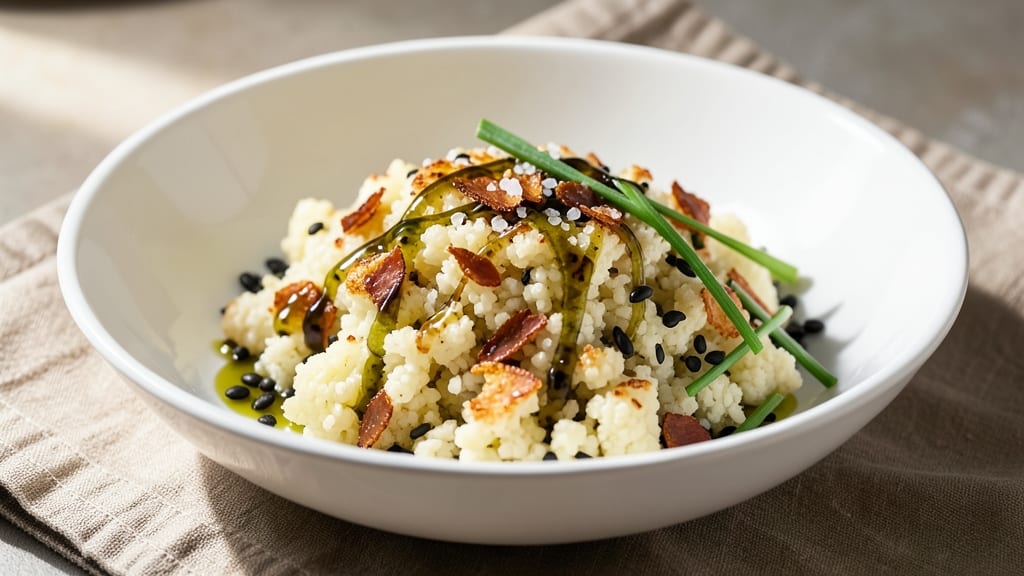
This cauliflower rice microwave recipe delivers crispy-edged, restaurant-quality texture in just 5 minutes—no stovetop required. The secret lies in proper prep and microwave technique, transforming humble cauliflower into a satisfying, low-carb side that rivals traditional rice.
Perfect for vegan diets, meal prep, or quick weeknight dinners, this method preserves nutrients while achieving that coveted crisp-tender bite.
Start with freshly grated cauliflower (no pre-riced shortcuts) and season generously with garlic powder, salt, and a splash of soy sauce for depth. Microwave in 30-second bursts, stirring between each, until golden edges form around the edges—this is where the magic happens.
The result? A side dish that works as a standalone bowl or stir-fry base, with crispy edges and tender centers in every bite.
Ingredients for cauliflower rice microwave
Freshly riced cauliflower and strategic seasonings transform into crispy-edged perfection in minutes.
| Ingredient | Amount | Notes |
|---|---|---|
| Fresh Cauliflower 🥬 | 4 cups | Riced using food processor, no pre-riced |
| Garlic Powder 🧄 | 1 tsp | Freshly ground preferred |
| Kosher Salt 🧂 | ½ tsp | Diamond Crystal preferred |
| Soy Sauce 🍶 | 1 tbsp | Low-sodium preferred |
| Extra-Virgin Olive Oil 🫒 | 1 tsp | For crispy edges |
| Sesame Oil 🌿 | ½ tsp | Toasted for aroma |
| Lemon Juice 🍋 | ½ tsp | Freshly squeezed |
| Black Pepper 🌶️ | ¼ tsp | Freshly ground |
| Nutritional Yeast 🧀 | 1 tbsp | For umami depth |
| Red Pepper Flakes 🌶️ | ¼ tsp | Optional for heat |
| Fresh Parsley 🌿 | 2 tbsp | Chopped for garnish |
The cauliflower's texture hinges on fresh grating—skip pre-riced bags, which yield soggy results. Whole cauliflower heads last 5-7 days in the fridge, but riced cauliflower should be used within 2 days for optimal crispiness. For bulk prep, freeze riced cauliflower in 1-cup portions—thaw and pat dry before microwaving. Trader Joe's and Whole Foods carry organic cauliflower with tighter curds, ideal for uniform ricing. The key? A high-powered food processor fitted with the shredding disc.
No garlic powder? Fresh minced garlic at double the amount delivers comparable flavor. Substitute soy sauce with coconut aminos for gluten-free needs. For extra richness, add 1 tsp vegan butter during microwaving. Sesame oil can be omitted if unavailable—toasted sesame seeds sprinkled post-microwave add texture. Nutritional yeast offers a cheesy depth without dairy; Bob's Red Mill brand is widely available. Red pepper flakes can be swapped for smoked paprika for a milder kick.
Microwaving requires 30-second intervals with stirring between each for even browning. Store leftovers in an airtight container for 3-4 days—reheat in 20-second bursts to restore crispness. For meal prep, portion into single-serving glass containers with a splash of water to maintain texture. Freeze extras for up to 3 months—thaw overnight in the fridge before reheating.
Why You'll Love This Recipe
- Here’s what sold me: the microwave’s dry heat gives it that perfect golden edge while keeping the inside tender. No stovetop babysitting, no soggy mess—just right.
- Five-Ingredient Magic: I swear by this combo—cauliflower, garlic powder, soy sauce, and olive oil. That’s it. No fancy prep, no hidden spices, just pure flavor that hits the spot every time.
- Crispy Without Fuss: Here’s what sold me: the microwave’s dry heat gives it that perfect golden edge while keeping the inside tender. No stovetop babysitting, no soggy mess—just right.
- Leftover Goldmine: Make a big batch on Sunday, and you’ve got a week’s worth of stir-fry base, grain bowls, or even a quick scramble. Toss it in with eggs or roasted veggies—it disappears fast.
Step-by-step instructions for crispy cauliflower rice
Follow this method for perfectly crisp edges and tender centers every time.
Rice the Fresh Cauliflower
Cut the fresh cauliflower into florets and pulse them in a food processor fitted with the shredding blade until you achieve a rice-like texture. You want the pieces to be roughly ¼-inch in size—this ensures even cooking and maximum surface area for crisping. Avoid over-processing, as this releases excess moisture that can make your cauliflower rice soggy.
Transfer the riced cauliflower to a microwave-safe bowl and pat it dry thoroughly with paper towels. Removing as much moisture as possible is critical for achieving crispy edges later. The bowl should contain exactly 4 cups of riced cauliflower as specified in the ingredients list.
Season and Prepare for Microwave Cooking
In a small bowl, whisk together the 1 tsp garlic powder, 0.5 tsp kosher salt, 1 tbsp soy sauce, 1 tsp extra-virgin olive oil, 0.5 tsp sesame oil, 0.5 tsp lemon juice, 0.25 tsp black pepper, and 1 tbsp nutritional yeast. This combination creates a balanced flavor profile with umami depth from the nutritional yeast and aromatic complexity from the garlic and sesame oil.
Pour the seasoning mixture evenly over the riced cauliflower and toss gently with your hands or a silicone spatula until every piece is fully coated. The olive oil will help create those crispy edges, while the lemon juice adds a bright contrast to the savory flavors. If using, sprinkle the 0.25 tsp red pepper flakes over the top for subtle heat.
Microwave in Stages for Even Crisping
Spread the seasoned cauliflower rice evenly in a single layer across a microwave-safe plate. This prevents steaming and promotes even cooking. Microwave on high power for 2 minutes, then stir thoroughly with a fork to break up any clumps and redistribute the pieces. The goal is to create a uniform texture where each piece gets equal exposure to the microwave's energy.
Return the cauliflower rice to the microwave and cook for another 2 minutes. Remove immediately and stir again. At this point, you should see some pieces beginning to develop crisp edges while maintaining tender centers. This two-stage approach prevents overcooking and ensures the perfect texture throughout.
Finish with Fresh Parsley and Serve Immediately
Transfer the cauliflower rice to a serving bowl and garnish with the 2 tbsp chopped fresh parsley. The parsley adds a fresh, vibrant contrast to the savory, crispy cauliflower. Toss gently to distribute the parsley evenly while maintaining the crisp edges you've worked so hard to achieve.
Serve immediately while the edges are still crisp and the centers remain tender. The cauliflower rice should have a satisfying crunch when bitten into, with a tender interior that's perfectly seasoned. This dish pairs beautifully with grilled proteins, fresh herbs, or as a base for stir-fries. The crispy texture is the star here, so don't let it sit too long after microwaving.
Pro Tips For Making Cauliflower Rice Microwave
- CHOP CAULIFLOWER SMALL: I learned this the hard way—big florets turn to mush in the microwave. Aim for rice-sized pieces (about ¼-inch), and pulse them in a food processor for even cooking. If you’re doing it by hand, be stubborn about consistency.
- DON’T OVERCOOK THE OIL: Olive oil burns faster than you think in a microwave. Start with just 1 teaspoon—enough to coat the cauliflower rice lightly—and add more after it’s heated. Watch the bowl; if it smells smoky, you’ve gone too far.
- SALT BEFORE MICROWAVING: Seasoning after is a missed opportunity. Toss the cauliflower rice with salt and garlic powder before microwaving—it draws out moisture early, so the final stir-fry with soy sauce sticks better. Trust me, it makes a real difference.
- STIR HALFWAY THROUGH: Microwaves heat unevenly, and cauliflower rice clumps like it’s plotting against you. Pause at 2 minutes (for 4 cups), give it a rough stir, then finish cooking. This isn’t the prettiest method, but it’s the tastiest.
Troubleshooting this recipe
Soggy Texture Fix
If your cauliflower rice turns out soggy instead of crispy, the issue is almost always excess moisture. Pat the riced cauliflower extra dry with paper towels before microwaving—don’t skip this step!
For pre-riced cauliflower, squeeze it gently in a clean kitchen towel to wring out moisture. If using frozen cauliflower rice, thaw it completely and pat dry before seasoning. 💧
Uneven Cooking
Uneven cooking happens when pieces clump together, preventing even exposure to microwave heat. Spread the cauliflower rice in a single layer on a microwave-safe plate before cooking. Stir thoroughly after each 30-second interval—this breaks up clumps and ensures every piece gets crispy edges.
If your microwave is powerful, reduce intervals to 20 seconds for better control. 🔄
No Crispy Edges
Crispy edges require fat and proper technique. Ensure you’re using olive oil (not just water or broth) and microwave in high-power bursts (not defrost setting). If your cauliflower rice lacks crispiness, try adding ½ tsp extra sesame oil to the seasoning mix.
For extra crunch, spread the rice on a microwave-safe wire rack over a plate during the final 30-second burst—this allows air circulation for browning. 🍳
Overcooked or Burnt
Overcooking happens when you leave the cauliflower rice too long in the microwave. Start with 2-minute intervals and check frequently—remove it as soon as edges turn golden. If burnt spots appear, those pieces likely stuck to the plate.
To prevent this, use a microwave-safe glass plate (not plastic) and stir immediately after each interval. For stubborn burnt spots, toss in 1 tsp fresh lemon juice to balance flavors. ⏱️
Mushy After Reheating
Reheating cauliflower rice revives crispiness if done right. Spread leftovers on a microwave-safe plate and heat in 15-second bursts, stirring between each. Add 1 tsp water or broth to the bowl before reheating to restore moisture balance.
For extra crispiness, broil in the oven at 400°F for 3-4 minutes after microwaving—this gives a restaurant-style finish. ⚡
Nutrition facts
Frequently asked questions
Can I use pre-riced cauliflower instead of fresh?
Pre-riced cauliflower works but yields soggy results because of excess moisture. If you must use it, squeeze the rice in a clean kitchen towel to remove moisture, then pat dry with paper towels. Freshly riced cauliflower gives the best texture for crispy edges. For frozen cauliflower rice, thaw completely and pat dry before seasoning.
Why does my cauliflower rice turn out mushy?
Mushy texture happens when moisture isn't removed properly. Always pat the riced cauliflower thoroughly with paper towels before microwaving. Avoid overcrowding the microwave plate, and use high-power bursts (not defrost setting) for even cooking. Spread in a single layer for crispy edges.
Can I make this recipe gluten-free?
Yes! Simply swap the soy sauce for coconut aminos or tamari (a gluten-free soy sauce alternative). All other ingredients are naturally gluten-free. This keeps the umami flavor while accommodating gluten sensitivities. The crispy texture remains unchanged.
How do I store leftovers for best texture?
Store in an airtight container for up to 4 days in the fridge. To reheat, spread on a microwave-safe plate and heat in 15-second bursts, stirring between each. For extra crispiness, add 1 tsp water before reheating or broil at 400°F for 3-4 minutes after microwaving.
What are the best protein pairings for this dish?
This cauliflower rice pairs beautifully with grilled chicken, tofu, or shrimp for a complete meal. For vegan options, try pan-seared tempeh or chickpeas. The crispy edges contrast perfectly with tender proteins, making it a satisfying, balanced dish.