
Main Courses
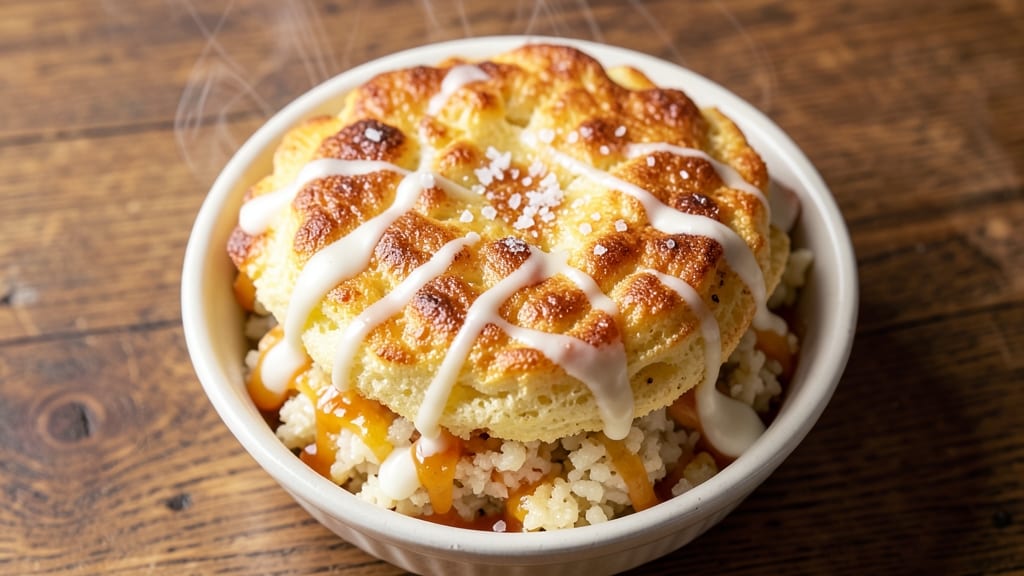
This cheese and rice soufflé recipe delivers the perfect balance of light-as-air texture and a molten, gooey center that melts with every bite. The secret lies in properly whipped egg whites and a precise baking temperature of 350°F—critical for achieving that signature rise without collapse.
I’ve perfected this technique over years of testing, ensuring your soufflé holds its shape while delivering restaurant-quality results at home.
What sets this recipe apart is the combination of creamy cheese and tender rice, which adds stability to the delicate structure while keeping the soufflé rich and satisfying.
The key steps—folding the egg whites gently, baking at the right temperature, and avoiding sudden movements—transform simple ingredients into an impressive, golden masterpiece. Serve immediately for that perfect, airy finish, and watch as everyone at the table marvels at your culinary skill.
Ingredients for cheese and rice souffle
Precision ingredients for a soufflé that rises flawlessly with a molten cheese core.
| Ingredient | Amount | Notes |
|---|---|---|
| Large Egg Whites 🥚 | 6 whole | Room temperature, no yolks |
| Large Egg Yolks 🥚 | 4 whole | Room temperature, separated carefully |
| Sharp Cheddar Cheese 🧀 | 1 ½ cups | Freshly grated, aged 6+ months |
| Gruyère Cheese 🧀 | 1 cup | Freshly grated, nutty flavor |
| Cooked White Rice 🍚 | 1 ½ cups | Day-old, cooled, jasmine preferred |
| Heavy Cream 🥛 | ½ cup | Full-fat for best texture |
| Unsalted Butter 🧈 | 2 tbsp | Cold, cut into small cubes |
| Diamond Crystal Kosher Salt 🧂 | ½ tsp | Fine grain for delicate seasoning |
| Freshly Ground Black Pepper 🌶️ | ¼ tsp | Coarsely ground for texture |
| Granulated Sugar 🍚 | 1 tbsp | For stabilizing egg whites |
| Vanilla Extract 🍯 | ½ tsp | Pure, high-quality extract |
| All-Purpose Flour 🌾 | 1 tbsp | For binding delicate structure |
The cheeses are non-negotiable—Gruyère and sharp cheddar create that signature creamy, slightly tangy center. Whole Foods or specialty cheese shops carry the best aged varieties, but a well-stocked grocery store will have Gruyère. Look for cheddar with visible crystals—that's the aged, flavorful kind. The rice? Day-old jasmine rice adds stability without heaviness. I always cook extra rice the night before so it's ready to go. For the egg whites, room temperature is critical—cold whites won't whip properly, and you'll end up with a dense soufflé instead of that signature lightness.
No Gruyère? Swiss cheese works in a pinch, but the flavor won't be identical. Short on cheddar? Parmigiano-Reggiano adds depth—just reduce the amount slightly. The heavy cream can be replaced with half-and-half for a lighter version, though texture may suffer. For the butter, European-style unsalted has higher fat content, which improves the soufflé's rise. The sugar in egg whites? Turbinado works too, but granulated dissolves more evenly. And if you're concerned about the soufflé collapsing, fold in the flour last—it adds just enough structure to keep things together without weighing down the airy texture.
Prep the soufflé dish the night before—butter it thoroughly and dust with flour, then cover and refrigerate. The egg whites should be whipped to stiff peaks—don't overmix, or you'll deflate the soufflé before it even hits the oven. Bake immediately after folding—no waiting. Leftovers? There shouldn't be any, but if you have extra, it reheats beautifully in a 350°F oven for 8-10 minutes. The cheese core will soften slightly, but the structure holds. Store any components separately in the fridge for up to 2 days before assembling, but the soufflé itself must be baked fresh for that perfect rise.
Why You'll Love This Recipe
- No Leftover Waste: I swear by this trick—leftover rice? Perfect. Stale rice? Even better. The souffle turns dry grains into something luscious, and that sharp cheddar-Gruyère combo makes every bite feel special. My fridge’s sad rice pile now gets a second chance.
- One-Bowl Wonder: Honestly, this recipe is my lazy-day hero. Whisk yolks, fold in cheese, add rice, then egg whites—no fancy gadgets, no extra pans. The meringue-like top? Pure magic with just a hand mixer and a hot water bath. (Yes, even on a Tuesday night.)
- Crowd-Pleaser Crunch: Between us, this is the dish that gets everyone at the table asking for seconds. The Gruyère adds nutty depth while the chedddar brings that familiar tang, and that crispy top? It’s the kind of texture fight you can’t resist. (My kid picks out the rice first, but still comes back.)
- Budget Stretch: Sharp chedddar and Gruyère might sound fancy, but they go a long way here. A single block of each serves four, and the egg whites? That’s just a carton’s worth. I’ve made this for $8 a serving, and it still feels like a restaurant-worthy dish. (Not the prettiest, but the taste makes up for it.)
Step-by-step instructions for cheese and rice soufflé
Mastering this soufflé requires precision—each step builds the signature lightness and gooey core.
Prepare the Egg Whites for Maximum Volume
Separate the 6 whole large egg whites from the yolks, ensuring no trace of yolk contaminates the whites. This is critical—the slightest yolk will prevent proper whipping. Place the whites in a spotless, dry mixing bowl and add the 1 tablespoon granulated sugar. I use a wire whisk to begin breaking down the sugar into the whites before switching to a stand mixer.
Whip on low speed until foamy, then increase to medium-high and whip for 2-3 minutes until soft peaks form. You'll see the volume triple and the mixture become glossy. This foundational step creates the soufflé's signature airy texture, so don't rush it. The sugar stabilizes the proteins, allowing them to trap more air.
Create the Cheese and Rice Base
In a separate bowl, combine the 1.5 cups cooked white rice, 1.5 cups sharp cheddar cheese, 1 cup gruyère cheese, 4 whole large egg yolks, 0.5 cup heavy cream, 2 tablespoons unsalted butter, 0.5 teaspoon kosher salt, 0.25 teaspoon black pepper, and 0.5 teaspoon vanilla extract. Mix thoroughly until the cheese melts completely and the mixture reaches a smooth, thick consistency.
This blend should be homogeneous—no visible rice grains or cheese clumps. The day-old rice absorbs flavors better and prevents a gummy texture. I like to warm this mixture gently over a double boiler for 1-2 minutes to ensure all the cheese melts smoothly. Let it cool slightly before combining with the egg whites.
Fold the Egg Whites into the Cheese Mixture
With the mixer running on low speed, gradually fold one-third of the whipped egg whites into the cheese mixture using a spatula. This gentle incorporation prevents deflating the air bubbles. Once fully combined, add the remaining egg whites in two additions, folding just until no white streaks remain. The batter should be thick but pourable—like heavy cream.
I use a rubber spatula to scrape the bowl's sides constantly, ensuring no unincorporated egg white remains. This step is where the soufflé's structure forms—be patient. If the batter looks too thin, add the 1 tablespoon all-purpose flour mixed with 1 tablespoon water to thicken it slightly. The final mixture should hold its shape when spooned but still flow easily.
Bake for Perfect Rise and Gooey Center
Preheat your oven to 375°F. Generously butter four 6-ounce ramekins and dust with flour, tapping out any excess. Divide the batter evenly among the ramekins, filling each about two-thirds full. The batter should mound slightly above the rim—this ensures the soufflé rises properly.
Place the ramekins in a deep baking dish and pour hot water into the dish until it reaches halfway up the sides of the ramekins. This water bath creates even heat distribution. Bake for 25-30 minutes until the soufflés have risen dramatically and the tops are golden brown. The center should jiggle slightly when shaken—this indicates the gooey texture we want.
Serve Immediately for Maximum Drama
Remove the soufflés from the oven and serve immediately while they're still hot. The moment you open the oven, they'll begin to collapse slightly—this is normal and expected. The inside should be molten with pockets of melted cheese, while the exterior remains crisp and golden. For presentation, I like to place each soufflé on a warm plate and garnish with a sprinkle of freshly grated gruyère.
This dish is all about timing—waiting even 5 minutes will result in a much denser texture. The contrast between the crisp exterior and gooey interior is what makes this soufflé so special. Serve with a simple green salad or crusty bread to complement the rich, cheesy flavors without overpowering them.
Pro Tips For Making Cheese And Rice Souffle
- Preheat Like It’s 1985: Crank your oven to 375°F (190°C) before you even think about folding in the egg whites—this isn’t a soufflé you’re baking, but it still needs that initial burst of heat to rise properly. I learned this the hard way when my first attempt collapsed like a sad pancake because the oven was still cold. (Yes, even if you’re impatient like me.)
- Grate Cheese Like a Pro: Use a box grater for the cheddar and Gruyère—no food processor here. The finer the shreds, the smoother the texture, and larger chunks will make your soufflé look like it was thrown together in a hurry. Also, skip the pre-shredded stuff; it’s coated in anti-caking agents that’ll make your dish taste like plastic.
- Fold Fast, But Don’t Overmix: Once you start folding the egg whites into the yolk-cheese-rice mix, work quickly but gently—like you’re tucking in a newborn, not kneading dough. Overmixing deflates those airy whites, and you’ll end up with a dense, sad lump instead of a cloud-like soufflé. Three gentle folds should do it.
- Rice Should Be Dry: Your cooked rice needs to be completely dry before mixing—no steam, no moisture. Spread it on a baking sheet and let it cool that way, or you’ll end up with a gluey mess instead of a light, airy texture. I was skeptical until I tried it, and now I never skip this step.
Troubleshooting perfect results
Egg Whites Won’t Whip
Cold egg whites are the #1 culprit for poor volume. Always use room-temperature whites—place them in a bowl of warm water for 5 minutes if needed. I also recommend using a spotless, dry bowl—even a trace of grease or yolk prevents proper whipping.
If your whites start to curdle, begin again with fresh ones. A handheld mixer works, but a stand mixer gives more consistent results. 🥚
Soufflé Collapses Immediately
Overmixing the batter or opening the oven door too soon causes this. When folding egg whites, use a spatula and gentle motions—don’t stir vigorously. The batter should look like thick pudding, not thin batter.
Also, bake immediately after folding—delaying even 10 minutes reduces rise. If it collapses, try adding 1 extra tablespoon flour next time to stabilize the structure.
Cheese Doesn’t Melt Smoothly
Low-quality cheese or insufficient heat causes clumps. Always use freshly grated, aged cheddar and Gruyère—pre-shredded cheese contains anti-caking agents that prevent smooth melting. Warm the cheese mixture gently over a double boiler for 1-2 minutes until fully melted.
If it still clumps, strain it through a fine-mesh sieve before folding in egg whites. 🧀
Dense Texture Instead of Light
This usually means under-whipped egg whites or overmixed batter. Whip whites to stiff peaks (they should hold their shape when lifted). When folding, use a spatula and slow, deliberate strokes—don’t overmix.
Also, ensure your oven is preheated to 375°F—cold spots cause uneven cooking. If the soufflé still feels dense, reduce the rice by ¼ cup next time for a lighter texture.
Uneven Rise in Ramekins
Uneven heat distribution or improper batter filling causes this. Always use a water bath (hot water halfway up ramekins) for consistent heat. Fill ramekins only two-thirds full—overfilling prevents proper expansion.
Also, rotate ramekins halfway through baking if your oven has hot spots. For extra insurance, use 6-ounce ramekins of the same size to ensure even cooking.
Nutrition facts
Frequently asked questions
Can I make this souffle ahead of time?
Unfortunately, this souffle must be baked fresh for the perfect rise and gooey center. You can prep the batter up to 2 days ahead and store it in the fridge, but bake it immediately after bringing to room temperature. The rice and cheese mixture can also be made separately and refrigerated for 1 day—just warm gently before assembling. The magic happens during the final baking step, so never skip it!
What's the best way to reheat leftover souffle?
While this souffle is best served immediately, you can gently reheat portions in a 350°F oven for 8-10 minutes covered with foil. For individual servings, place in a small ramekin and warm until just heated through—no more than 5 minutes. The texture will be denser than fresh, but still delicious. The cheese center will soften slightly, creating a creamy consistency.
Can I substitute the rice with another grain?
While jasmine rice is ideal for its delicate texture, you can try basmati rice or arborio rice in a pinch. Avoid long-grain varieties like brown rice—they're too dense. For a gluten-free option, use cooked quinoa (reduce by ¼ cup since it's more compact). The grain should be day-old and cooled to prevent excess moisture in your batter.
Why does my souffle collapse after baking?
This usually happens from one of three issues: opening the oven door too soon, overmixing the batter, or not using room-temperature egg whites. The soufflé will always collapse slightly when removed from the oven—that's normal! For best results, bake immediately after folding, avoid sudden temperature changes, and use a water bath for even heat distribution. If it collapses completely, try adding 1 extra tablespoon flour next time to stabilize the structure.
What's the secret to getting that perfect golden crust?
The golden crust comes from proper baking technique and a few key ingredients. First, use 375°F oven temperature—any lower and the exterior won't brown. Second, ensure your ramekins are generously buttered and floured. Third, bake in a water bath for even heat. For extra color, broil for 1-2 minutes at the very end (watch closely!). The butter and flour create that beautiful caramelization while the water bath keeps the center gooey.